Attractions and Places To See around Buthiers - Top 20
Best attractions and places to see around Buthiers include a variety of natural monuments and historical sites. The region features unique rock formations within the Fontainebleau forest, alongside ancient ruins and castles. These locations offer insights into both geological history and cultural heritage. Buthiers provides diverse opportunities for exploration, from natural landscapes to man-made structures.
Best attractions and places to see around Buthiers
- The most popular attractions is The Elephant, a natural monument that features a superb rock in…
Last updated: July 2, 2026
Ruins of the Saint-Mathurin Basilica
Highlight • Historical Site
Translated by Google •
Tip by

Templar cross ?
Highlight • Other
Translated by Google •
Tip by

Sign up now to discover places like this
Get recommendations on the best single tracks, peaks, & plenty of other exciting outdoor places.
Sign up for free
Augerville Castle
Highlight • Castle
Translated by Google •
Tip by

The Elephant
Highlight • Natural Monument
Translated by Google •
Tip by

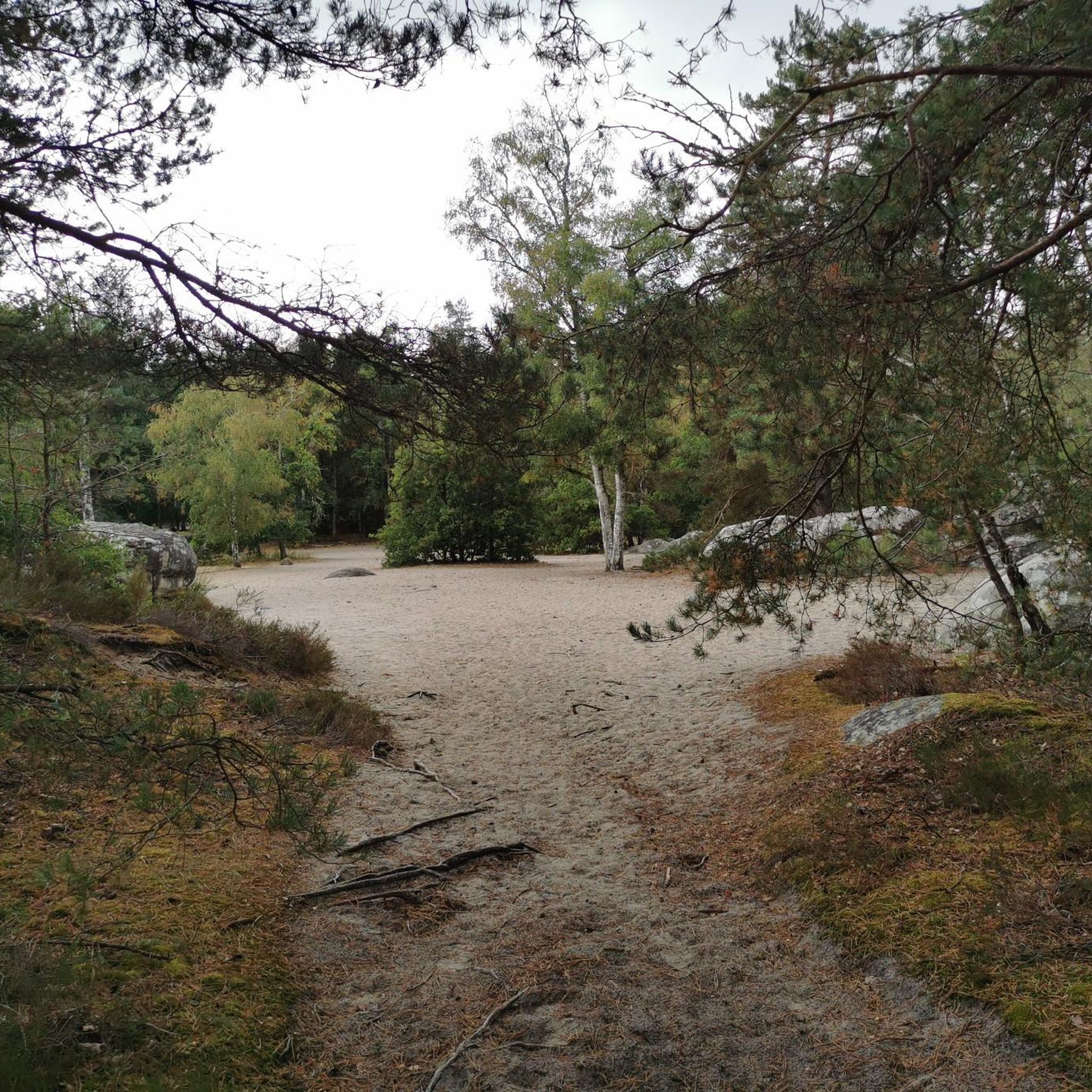
Les sables du Cul de Chien
Highlight • Natural Monument
Translated by Google •
Tip by

Sign up for free to discover even more attractions around Buthiers.
Sign up for free
Already have an account?
Start today with a free account
Your next adventure awaits.
Login or Signup


Tips from the Community


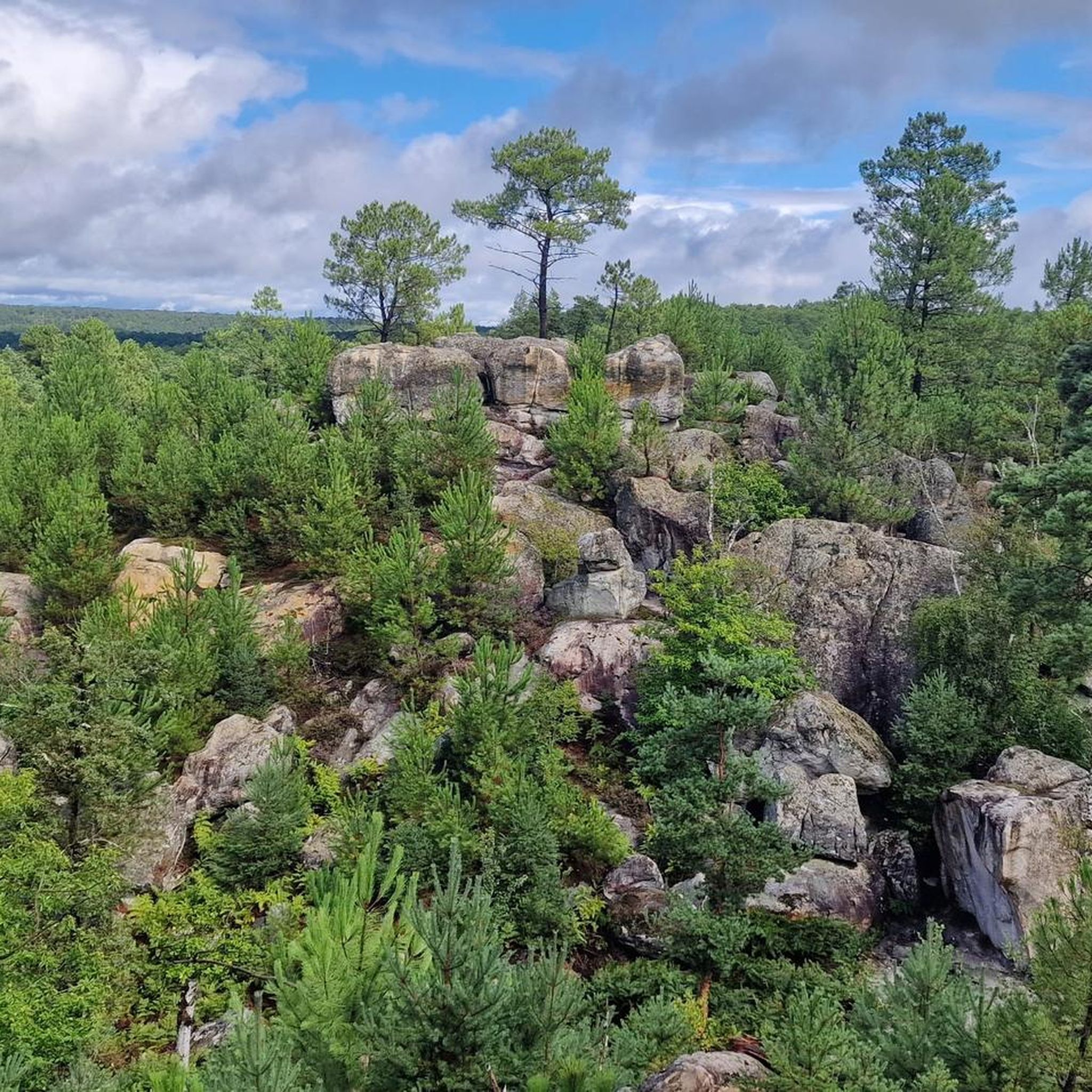
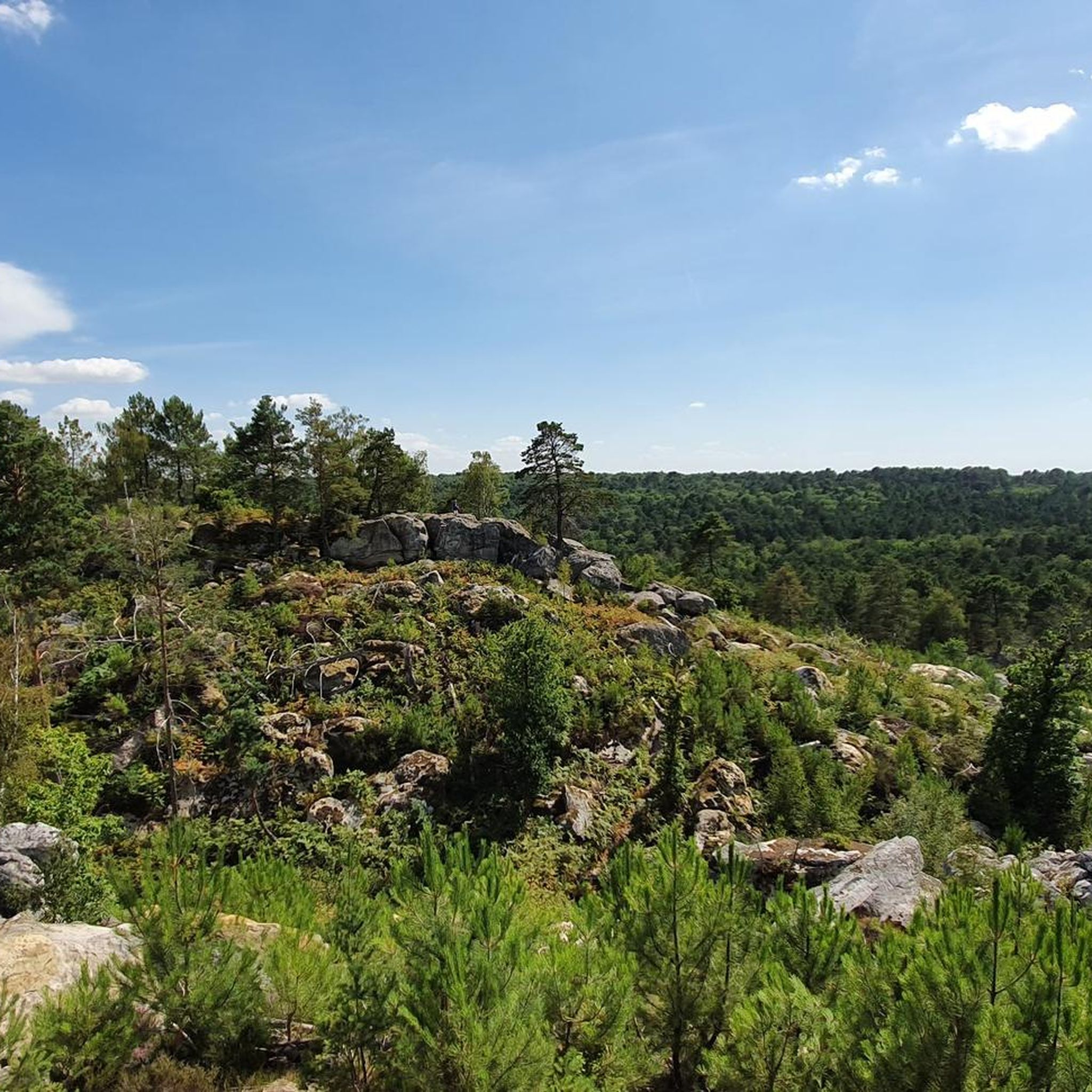
Not hard to see the elephant shape of the rock. Some nice paths and trails around.
0
0

…without forgetting the famous “dog’s ass” 🙂
1
0

Château d'Augerville is a historic castle located in the commune of Augerville-la-Rivière, in Loiret, France. It dates back to the 12th century, when it was a hamlet and fort for the d'Augerville family. It changed hands several times during the Middle Ages and the Renaissance, and hosted important figures such as Catherine de Medici and King Charles IX. In the 17th century, it was sold to the taxes and renovated into a country house by Jean Perrault de Montevrault. It remained a private residence until the 21st century, when it was transformed into a 5-star hotel with a golf course, spa and chocolate factory. It is a historic monument, a national heritage site of France.
2
0

There is no classic wayside cross (sometimes called a field cross in the open field) or a summit cross that crowns a mountain, but a rock engraving. The lower half of the drawing—whenever scratched into the rock—shows a chalice, such as might be used at Eucharistic celebrations. The outer edge of the vessel is decorated with a cross. Another great cross grows out of the chalice itself. Whether this rock engraving is actually connected to the order of the Knights Templar (the exact name was “Poor Knighthood of Christ and the Temple of Solomon in Jerusalem”), as indicated as a question in the highlight title, I cannot judge. In this case it would have to go back to the 12th or 13th century, i.e. it would have to have been preserved for a very long time.
2
0

The Château d'Augerville is an imposing building whose construction dates back to the 12th century. In 1976, it was registered on the list of historical monuments. Today, the castle has been completely transformed and offers a wide range of services: hotel and spa, restaurant, or even golf. If you don't have time to enjoy these, at least take the time to discover the beauty of these old stones.
0
0

The origins of this estate date back to the 13th century with the construction of a fortified castle on the banks of the Essonne. Fallen into ruin, it was bought in the 15th century by Jacques Coeur, great treasurer of King Charles VII who used to acquire the fiefdoms abandoned after the Hundred Years War to regroup them as he pleased. The general appearance of the buildings as we see them today comes from this period. But, falling into ruins at several times in history, the castle has lived, evolved and metamorphosed many times. It has remained a prestigious place and now houses a luxury hotel.
0
0

A surprising space in the middle of the forest of Fontainebleau, the sands of Cul de Chien originated 30 million years ago. At the time there was a warm ocean here that deposited quartz in its depths. Time doing its work, it disintegrated into sand, forming this beach in the middle of the woods. In addition to the surprising environment, the sands of Cul de Chien represent a mythical place in the history of climbing in Fontainebleau.
4
0
Frequently Asked Questions
What kind of natural attractions can I explore around Buthiers?
The region around Buthiers is rich in natural monuments, particularly within the Fontainebleau forest. You can discover unique rock formations like The Elephant, a rock resembling an elephant. Another must-see is Les sables du Cul de Chien, a surprising sandy 'beach' formed from ancient quartz deposits, popular for climbing.
Are there any historical sites or cultural landmarks near Buthiers?
Yes, Buthiers offers several historical sites. The Ruins of the Saint-Mathurin Basilica are a notable Gothic-style church from the 12th century, once a pilgrimage site and now classified as a historical monument. Additionally, Augerville Castle, dating back to the 12th century, is a historic monument that has been transformed into a luxury hotel and offers a glimpse into the region's past.
What outdoor activities are available around Buthiers?
Buthiers is an excellent base for outdoor activities. You can enjoy hiking, running, and gravel biking. For detailed routes, explore guides like Hiking around Buthiers, Running Trails around Buthiers, and Gravel biking around Buthiers.
Are there family-friendly attractions in the Buthiers area?
Yes, several attractions are suitable for families. Les sables du Cul de Chien, with its unique sandy landscape, is a great spot for families to explore. Augerville Castle also offers a family-friendly experience, allowing visitors to appreciate its historical architecture and grounds.
What are some popular hiking trails near Buthiers?
The area around Buthiers offers a variety of hiking trails. You can find routes ranging from easy to moderate, such as the 'Chapelle des roches aux amis loop' or 'Hiking loop from Buthiers'. For more options and details, refer to the Hiking around Buthiers guide.
Can I find unique or 'hidden gem' attractions around Buthiers?
Beyond the well-known spots, you might discover intriguing features like the Templar cross ?, a mysterious rock engraving that sparks curiosity about its ancient origins. Exploring the Fontainebleau forest itself often reveals unexpected natural formations.
What is the best time of year to visit Buthiers for outdoor activities?
The Fontainebleau forest, which surrounds many of Buthiers' attractions, is generally pleasant for outdoor activities during spring and autumn when temperatures are mild and the foliage is vibrant. Summer can also be enjoyable, especially in the shaded forest areas, while winter offers a quieter, more serene experience.
What do visitors enjoy most about the attractions around Buthiers?
Visitors frequently appreciate the unique geological formations, such as the elephant-shaped rock and the sandy 'beach' at Cul de Chien, which offer surprising natural beauty. The historical depth of sites like the Saint-Mathurin Basilica ruins and Augerville Castle also receives high praise for their cultural significance and architectural interest.
Are there opportunities for climbing near Buthiers?
Yes, the Fontainebleau forest, which is home to attractions like The Elephant and Les sables du Cul de Chien, is renowned worldwide for its bouldering opportunities. These natural monuments are part of a larger climbing area, making Buthiers a great spot for climbers.
How long should I plan to spend at the attractions around Buthiers?
The time you spend can vary. For natural sites like The Elephant or Les sables du Cul de Chien, you might spend an hour or two exploring, especially if combined with a walk in the forest. Historical sites like the Ruins of the Saint-Mathurin Basilica or Augerville Castle could take longer, depending on your interest in history and architecture. A full day allows for a good mix of natural and historical exploration.
Are there any running trails suitable for different fitness levels?
Yes, the running trails around Buthiers cater to various levels, with many routes classified as moderate. Examples include the 'Running loop from Buthiers' and 'The swamp loop from Buthiers'. You can find more detailed information and route options in the Running Trails around Buthiers guide.
What kind of gravel biking routes are available near Buthiers?
Gravel biking enthusiasts will find a range of routes, from moderate to difficult, exploring the diverse landscapes around Buthiers. Trails like 'Platière de Caylus – Cul du Chien Rock loop' offer scenic rides. For a comprehensive list of routes, consult the Gravel biking around Buthiers guide.
Most popular routes around Buthiers
Most popular attractions around Buthiers

Get inspired with the komoot mobile app


Explore more
Still not found the Highlight you’re looking for? See guides of the top attractions in other regions:
