The best walks and hikes around Arbach
4.6
(8536)
30,081
hikers
740
hikes
Hiking around Arbach offers exploration of a distinctive volcanic landscape in Germany's Vulkaneifel district. The region is characterized by ancient volcanic formations, including Maare (crater lakes), and features lush forests and impressive gorges. Trails often provide panoramic views of the surrounding Eifel scenery. This geological history has sculpted a varied environment suitable for outdoor activities.
Best hiking trails around Arbach
- The most popular hiking route is View of Boos from the bench – Booser Double Maar Wetlands loop from Oberelz…
Last updated: August 11, 2026
4.8
(33)
107
hikers
22.2km
06:09
400m
400m
Hard hike. Very good fitness required. Easily-accessible paths. Suitable for all skill levels.
5.0
(4)
14
hikers
7.12km
01:58
120m
120m
Easy hike. Great for any fitness level. Easily-accessible paths. Suitable for all skill levels.

Sign up for free
4.3
(4)
11
hikers
5.78km
01:37
120m
110m
Easy hike. Great for any fitness level. Easily-accessible paths. Suitable for all skill levels.
5.0
(1)
4
hikers
10.3km
02:51
180m
180m
Moderate hike. Good fitness required. Easily-accessible paths. Suitable for all skill levels.
4.5
(2)
9
hikers
10.3km
02:49
150m
150m
Moderate hike. Good fitness required. Easily-accessible paths. Suitable for all skill levels.
Get access to more routes and recommendations from other explorers.
Sign up for free
Already have an account?
Our route recommendations are based on thousands of hikes, rides, and runs completed by other people on komoot.
Start today with a free account
Your next adventure awaits.
Login or Signup
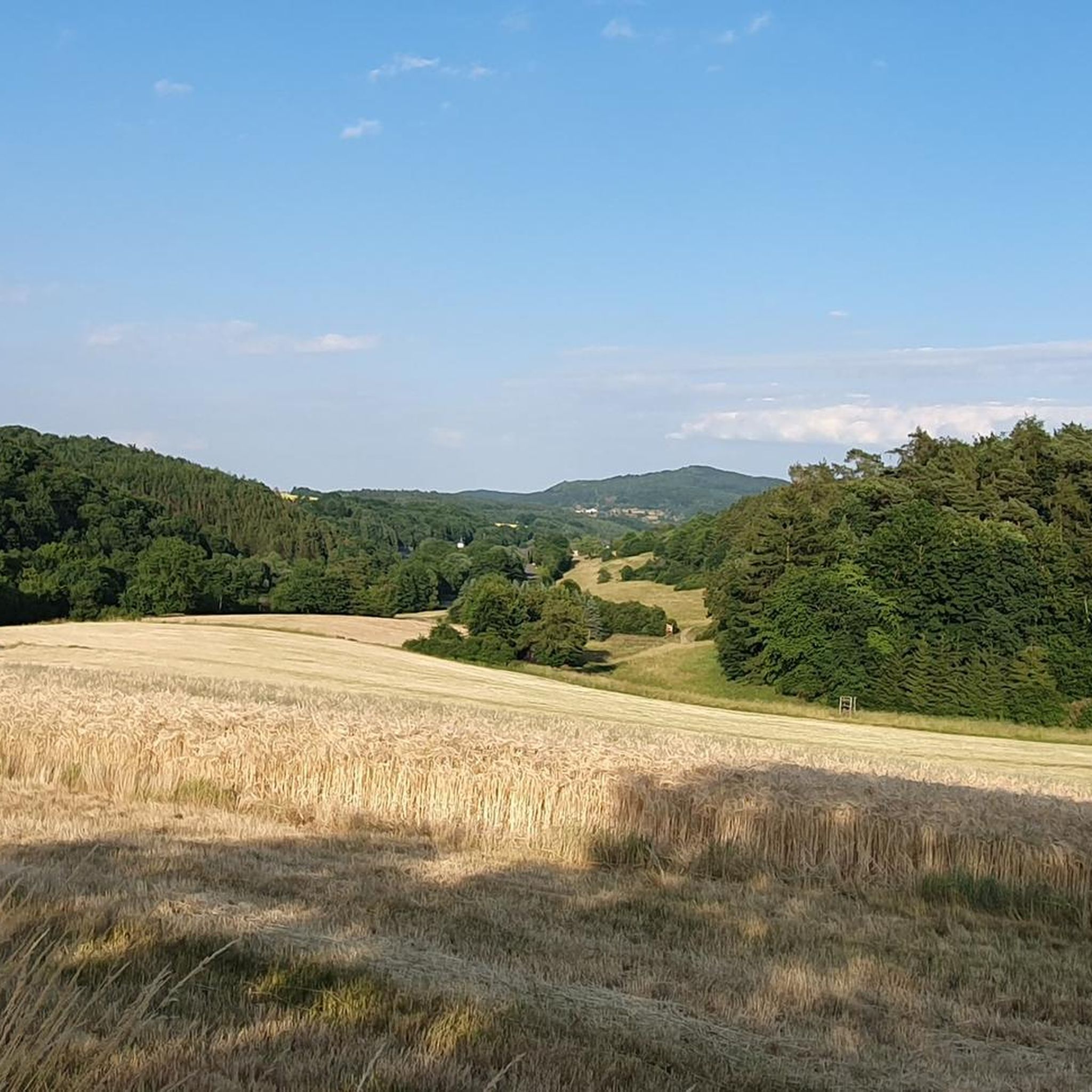
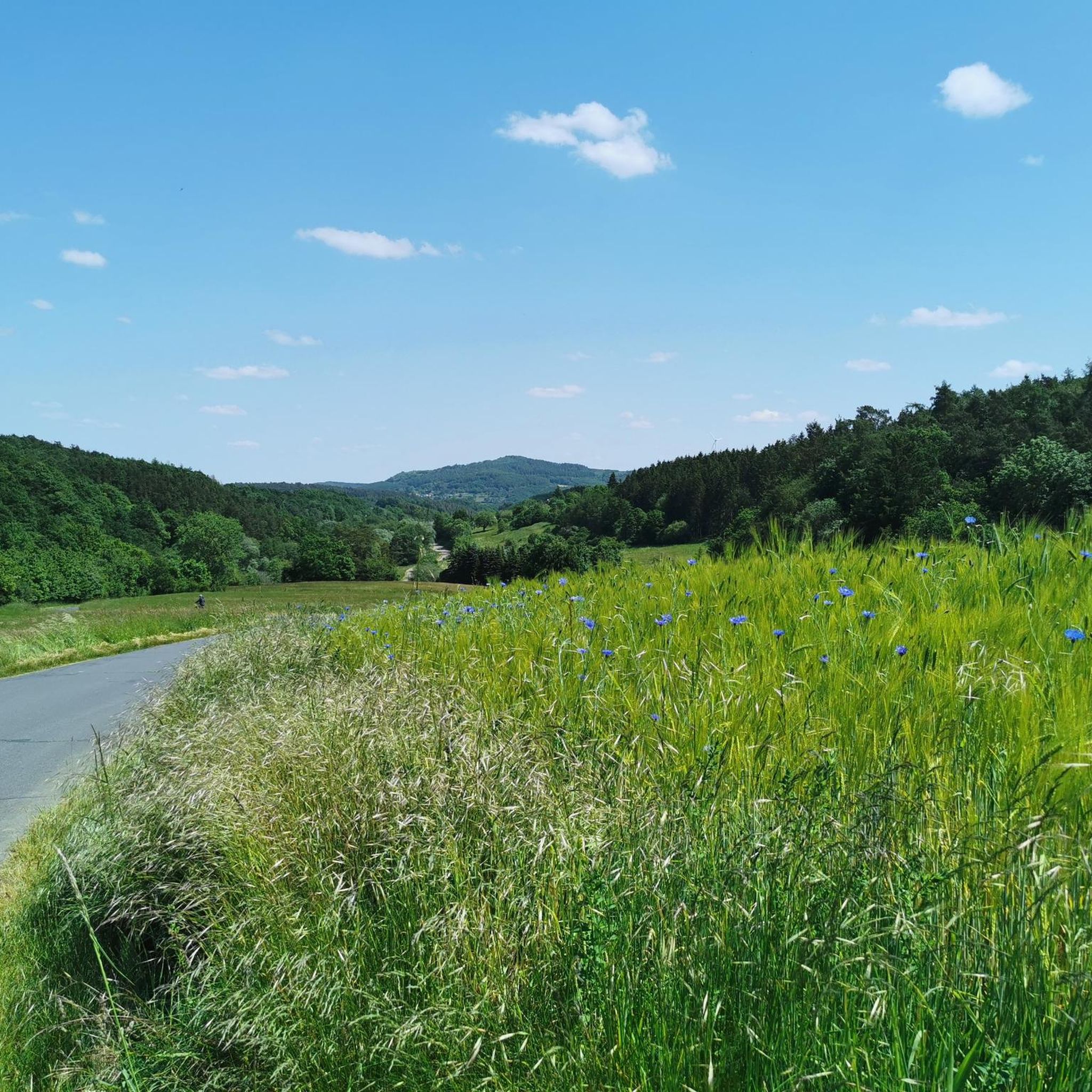
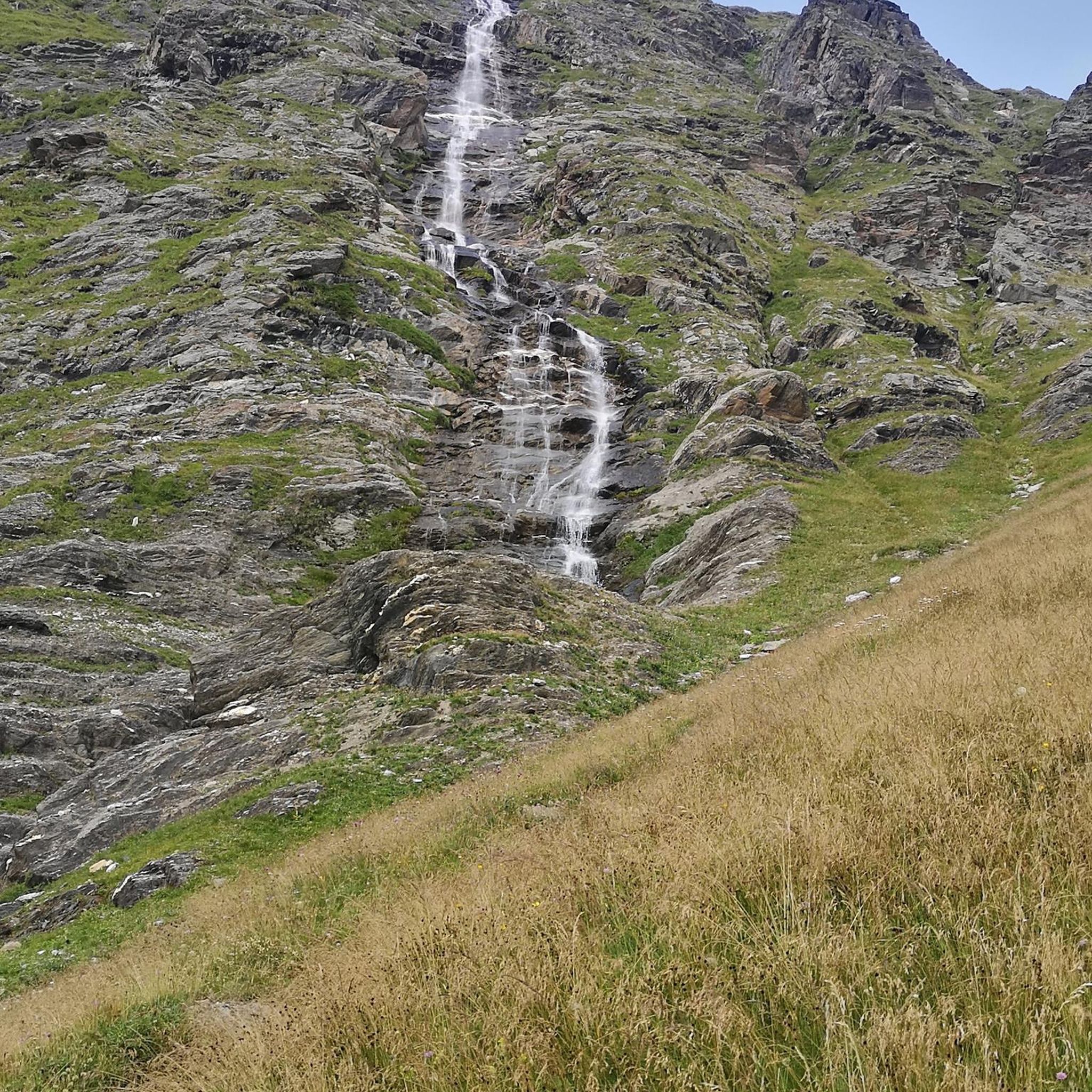
Tips from the Community

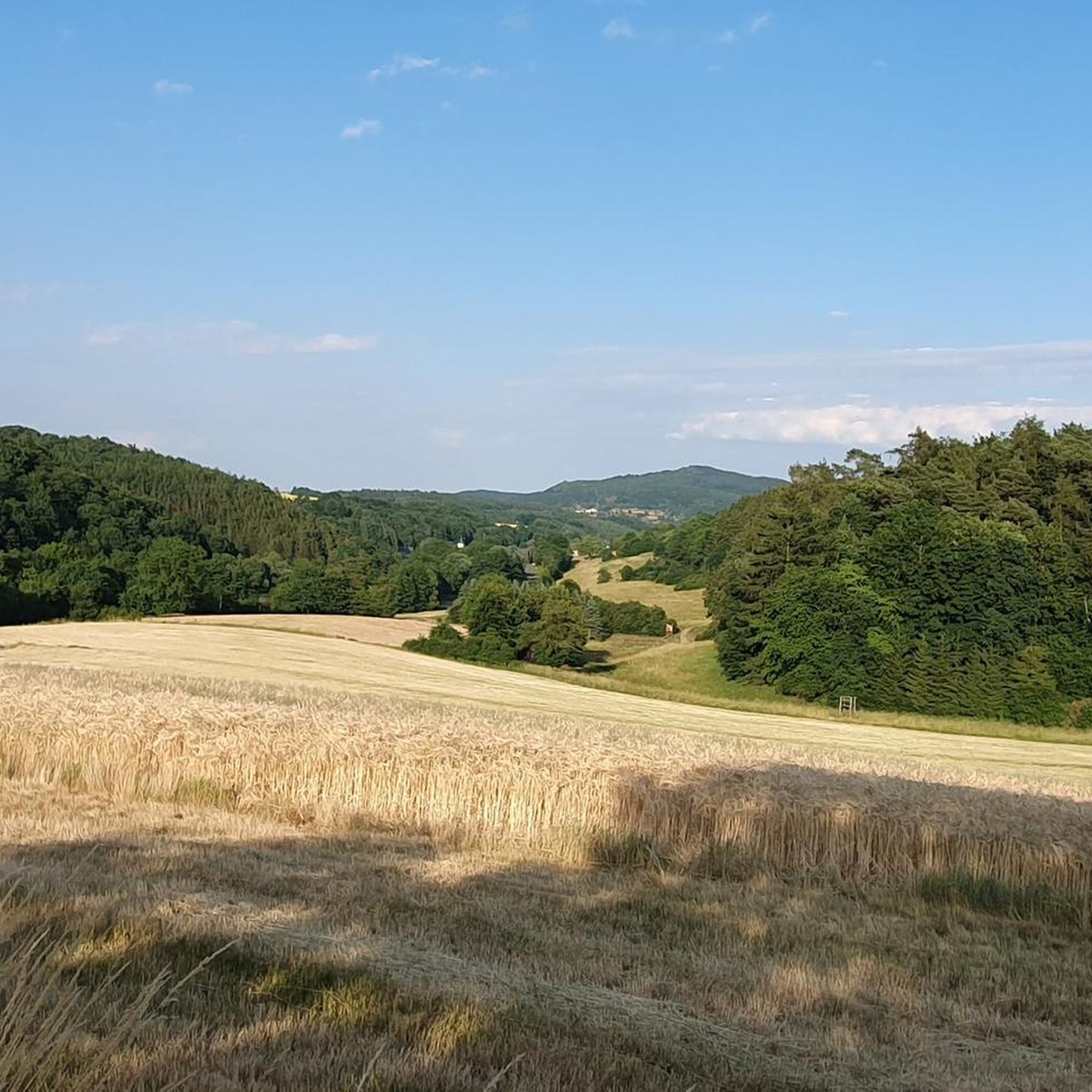
The Boos Double Maar consists of two silted-up maars, which today appear as shallow depressions in the terrain. They are located within the municipality of Boos. The two maars formed between 10,150 and 14,160 years ago and belong to the Quaternary volcanic field of the Volcanic Eifel. The two maars form large, circular basins surrounded by tuff embankments. They lie on a west-southwest-east-northeast trend, thus following the Variscan strike of the subsurface. The west-southwest maar has a diameter of approximately 700 m and a depth of between 30 and 60 m; the east-northeast maar is between 650 and 700 m and a depth of between 50 and 87 m. Both depressions are very humid, so there are still areas that have a permanent water surface. The waters were formerly used as fish ponds, but later silted up and served as meadows and fields. Today, there is once again a fish pond in the west-southwestern part of the maar, the Booser Weiher. In the vicinity of the maars, there are tuff pits where the volcanic tuff formed during the eruption of the maars was mined. Very beautiful nature.
0
0

former site of a windmill, today a rest area with play facilities
0
0
Place with several rest and relaxation options
0
0

Be sure to take a break here and enjoy the view
0
0

The history of the Volcanic Eifel can be explored at the Booser Doppelmaar. The Booser Doppelmaar consists of two silted-up maars, which today appear as flat hollows in the terrain. The two maars were formed between 10,150 and 14,160 years ago. Viewed from above, the two maars are circular basins. The west-southwest maar has a diameter of around 700 m and is between 30 and 60 m deep, the east-northeast maar is between 650 and 700 m large and has a depth of 50 to 87 m. The two hollows are very wet, so there are still places that have a permanent water surface. The water areas were previously used as fish ponds, but later silted up and served as meadows and fields. Today there is again a fish pond in the west-southwestern maar, the Booser Weiher, see also https://de.wikipedia.org/wiki/Booser_Doppelmaar
1
1

The egg-shaped ejected particles are 6 cm or larger and deform the layers of earth when impacted. They are clearly visible here on the rock walls.
2
0
From a wooden bridge there is a wonderful view of the swampy foothills of the rainwater-filled Booser Maar, which is located in the Hohe Acht mountain region and approx. 8 km south of the Hohe Acht. The maar lies in a circular tuff basin, whose tuff walls are covered with swampy meadows and the edge of the bank is overgrown with reeds. Galloways graze in the dry, higher meadows.
1
0

Very idyllic location, in the middle of nature.
0
0
Frequently Asked Questions
What makes hiking in Arbach unique?
Arbach is situated in Germany's Vulkaneifel district, offering a distinctive landscape shaped by ancient volcanic activity. Hikers can explore unique features like Maare (volcanic crater lakes), impressive gorges such as the Karbachtal, and lush forests. Many trails provide fantastic panoramic views of the Eifel scenery, making it a truly special outdoor experience.
How many hiking trails are available around Arbach?
There are over 700 hiking routes available around Arbach, catering to a wide range of preferences and fitness levels. This extensive network ensures plenty of options for exploration.
Are there easy hiking trails suitable for beginners or casual walkers?
Yes, Arbach offers numerous easy trails. Over 370 routes are classified as easy. An example is the Klein Amerika Rest Area – Muße-Platz Uersfeld loop from Retterath, which is 4.4 miles (7.1 km) long and typically takes under 2 hours to complete, leading through varied landscapes.
Are there any challenging hikes for experienced trekkers?
For those seeking a challenge, Arbach has over 30 difficult routes. A notable option is the View of Boos from the bench – Booser Double Maar Wetlands loop from Oberelz. This demanding 13.9-mile (22.4 km) trail involves significant elevation gain and offers expansive views of the Booser Double Maar Wetlands.
Can I find circular hiking routes in Arbach?
Yes, many of the hiking trails around Arbach are designed as circular routes, allowing you to start and end at the same point without needing to retrace your steps. This is ideal for exploring the diverse landscapes efficiently.
What natural landmarks or viewpoints can I discover along the trails?
The region is rich in natural landmarks. You can visit the Boos Eifel Observation Tower for fantastic panoramic views. The volcanic past is evident at sites like the Boos Lava Bomb. Additionally, you can explore several Maare (crater lakes) such as Ulmener Maar.
Are there any waterfalls in the Arbach area?
Yes, you can find natural water features in the vicinity. The Rausch Waterfall is a notable natural monument that hikers can visit, offering a refreshing sight amidst the Eifel landscape.
Are the hiking trails in Arbach suitable for families with children?
Arbach offers a variety of trails, including many easy and moderate options that can be suitable for families. The diverse landscapes, from forests to lakes, provide engaging environments for children. It's advisable to check the specific trail's length and elevation gain to match your family's capabilities.
Are dogs allowed on the hiking trails around Arbach?
Generally, dogs are welcome on hiking trails in the Arbach region. It's always recommended to keep your dog on a leash, especially in nature reserves or near wildlife, and to respect local regulations and other hikers.
What do other hikers say about the trails in Arbach?
The hiking routes in Arbach are highly regarded by the komoot community, with an average rating of 4.6 stars from over 7,500 reviews. Hikers frequently praise the region's unique volcanic landscapes, the beauty of the Maare, and the well-maintained trails that offer varied and scenic experiences.
Is there public transport access to the hiking areas around Arbach?
While Arbach is well-connected by road, public transport options to specific trailheads might vary. It's recommended to check local bus schedules for connections to villages near the starting points of your chosen hikes. Many areas in the Vulkaneifel are accessible, but planning ahead is key.
Are there places to eat or rest along the hiking routes?
Yes, some routes pass by places where you can take a break or find refreshments. For instance, the Karbachtal gorge, a beautiful area for hiking, includes points of interest like the Wiesbachmühle, which is ideal for a stop. It's always a good idea to carry sufficient water and snacks, especially on longer trails.
Most popular attractions around Arbach

Get inspired with the komoot mobile app


Explore more
Browse the best Hikes in other regions.
