Attractions and Places To See around Carbes - Top 13
Attractions and places to see around Carbes, France, are primarily found in the Midi-Pyrénées region, within the Tarn department. This smaller commune is situated near the larger town of Castres, offering access to various cultural and recreational sites. The area features a landscape characterized by river valleys and agricultural territories, providing a setting for both historical exploration and outdoor activities.
Best attractions and places to see around Carbes
- The most popular attractions is Path of Human Rights, a cycle_way…
Last updated: July 1, 2026
Castres
Highlight • Settlement
Translated by Google •
Tip by

Path of Human Rights
Highlight (Segment) • Cycleway
Translated by Google •
Tip by
Sign up now to discover places like this
Get recommendations on the best single tracks, peaks, & plenty of other exciting outdoor places.
Sign up for free
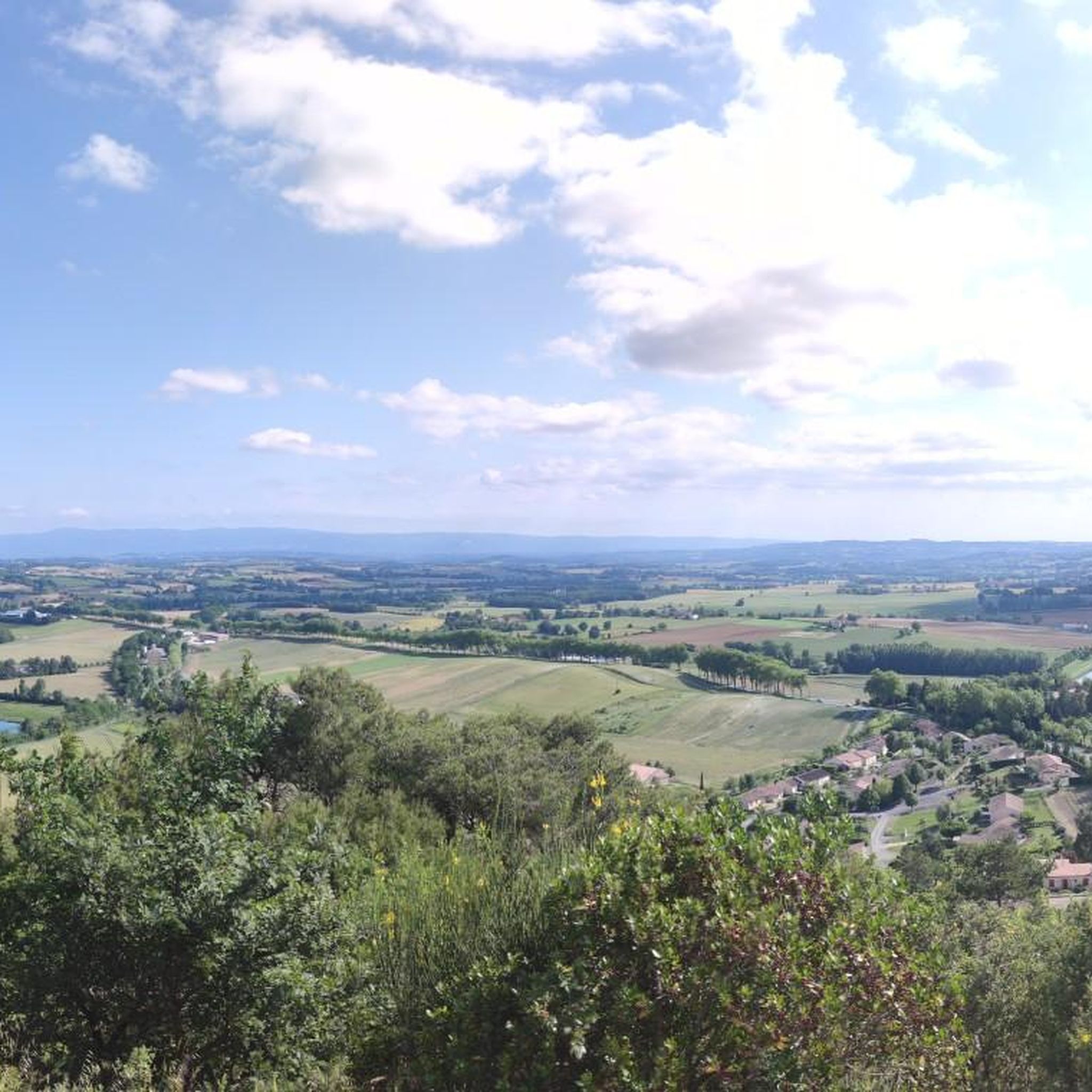
View of Lautrec
Highlight • Viewpoint
Translated by Google •
Tip by

Caucalières–Castres Greenway
Highlight (Segment) • Other
Translated by Google •
Tip by

Lautrec
Highlight • Other
The Cafe Plum in the center of the village offers local cuisine in an artistic setting.
Translated by Google •
Tip by

Sign up for free to discover even more attractions around Carbes.
Sign up for free
Already have an account?
Start today with a free account
Your next adventure awaits.
Login or Signup




Tips from the Community

Beautiful, quiet and very shaded greenway!
2
0

Very compact and rolling gravel path, with numerous rest areas, picnic tables and water points.
2
0

Very pretty greenway, well laid out which leads to the historic city center of Castres and the banks of the Agout. You can leave Castres in the same way to go towards Albi via the very pleasant Chemin des Droits de l'Homme. The detour to Lautrec will be worth it (you have to climb it).
1
0

In the heart of the Fête de l'Ail Rose, medieval town known for its mill and its narrow streets. The Cafe Plum in the center of the village offers local cuisine in an artistic setting.
1
0

The "Human Rights Trail" Green Way, once it reaches the center of Albi, will become a major axis of the departmental and regional network. It received a European Green Ways Award in September 2007 (3rd prize in the Development and Tourism category).
2
0
Lautrec is a French commune located in the Tarn department in the Occitanie region. Historically and culturally, the commune is in the Castrais, an essentially agricultural territory, between the right bank of the Agout to the south and its tributary, the Dadou, to the north.
0
0

Birthplace of Jean Jaurès, Castres is one of the highlights of Tarn. Built on the banks of the Agoût, we discover very pretty colorful houses overlooking the quays, places of tanners, dyers and weavers from the 17th century. Also worth seeing is the Bishop's Garden and its boxwood embroidery, as well as the Goya Museum.
2
1
A section of the Human Rights Trail between Lautrec and Castres, on the Cérou Valley cycle route. Superbly well laid out, far from cars.
4
0
Frequently Asked Questions
What are some popular attractions near Carbes?
The area around Carbes offers a mix of cultural sites and scenic routes. Highly regarded attractions include the town of Castres, known for its colorful houses on the Agout river and the Goya Museum. Visitors also enjoy the Path of Human Rights, a well-laid-out cycle path, and the medieval town of Lautrec with its mill and narrow streets.
What kind of outdoor activities can I do around Carbes?
The region is excellent for outdoor pursuits, especially cycling and hiking. You can explore greenways like the Path of Human Rights, which is part of the Cérou Valley cycle route. For more extensive options, you can find various hiking routes and cycling tours around Carbes, ranging from easy to difficult.
Are there historical sites or cultural attractions near Carbes?
Yes, the area is rich in history and culture. The nearby town of Castres is a significant cultural hub, home to the Goya Museum and known for its 17th-century tanners' houses. The medieval town of Lautrec also offers a glimpse into local history with its traditional architecture and mill.
Are there family-friendly activities or attractions around Carbes?
Many attractions in the Carbes area are suitable for families. The Path of Human Rights is a compact gravel path with rest areas, perfect for family bike rides or walks. The View of Lautrec offers accessible scenic views. Additionally, Castres has parks like Gourjade Park and attractions such as L'Archipel and BOWLING CityFun CASTRES leisure space, which are great for families.
What do visitors enjoy most about the attractions around Carbes?
Visitors particularly appreciate the well-maintained greenways, the historical charm of towns like Castres and Lautrec, and the scenic viewpoints. The Path of Human Rights is often praised for being well-laid-out and car-free, with numerous rest and picnic spots. The area's blend of cultural dynamism and quality of life is also highly valued.
Are there scenic viewpoints near Carbes?
Yes, one notable viewpoint is the View of Lautrec, which offers picturesque views of the village from the heights, accessible from the greenway of the Cérou valley.
What is the best time of year to visit Carbes for outdoor activities?
The Midi-Pyrénées region, where Carbes is located, generally experiences pleasant weather from spring through early autumn (April to October), making it ideal for outdoor activities like hiking and cycling. Summers can be warm, while spring and autumn offer milder temperatures perfect for exploration.
Are there good hiking trails near Carbes?
Absolutely. You can find a variety of hiking trails around Carbes. For instance, there are easy loops like the Dicosa pond loop from Réserve naturelle de Cambounet-sur-le-Sor, and moderate options such as the Hiking loop from Vielmur-sur-Agoût. You can explore more options on the Hiking around Carbes guide.
Can I go cycling around Carbes?
Yes, cycling is a popular activity. The Path of Human Rights and the Caucalières–Castres Greenway are excellent for leisurely rides. For more challenging routes, there are numerous road cycling routes and general cycling tours available, including difficult loops like the Pic de Nore ascent.
Are there any hidden gems or less-known spots worth visiting near Carbes?
While not widely publicized, the Fête de l'Ail Rose (Pink Garlic Festival) in Lautrec is a unique local event. Additionally, the Cafe Plum in Lautrec is noted for its local cuisine in an artistic setting, offering a charming, less-touristy experience.
What natural features characterize the landscape around Carbes?
The landscape around Carbes is defined by river valleys, particularly the Agout and Dadou, and agricultural territories. This provides a scenic backdrop for outdoor activities and contributes to the region's tranquil charm.
How long should I plan for visiting attractions around Carbes?
The time needed varies by attraction. A visit to Castres, including the Goya Museum and exploring the town, could take half a day to a full day. Shorter visits to places like the View of Lautrec or a section of the Path of Human Rights might take 1-2 hours each. Planning a full day allows for a more relaxed exploration of multiple sites or a longer outdoor activity.

Get inspired with the komoot mobile app


Explore more
Still not found the Highlight you’re looking for? See guides of the top attractions in other regions:
