The best walks and hikes around Mane
4.1
(44)
320
hikers
50
hikes
Hiking around Mane offers diverse landscapes, from serene forest walks to routes with significant elevation changes. The area features varied terrain, including pine and oak forests, and unique geological formations like the "Mourres rocks" near Forcalquier. Situated near the Luberon Regional Nature Park, the region provides access to beautiful natural environments and peaceful walks overlooking the Durance Valley with its agricultural landscapes.
Best hiking trails around Mane
- The most popular hiking route is Salies-du-Salat - Montsaunès Loop, an easy…
Last updated: June 18, 2026
4.0
(3)
43
hikers
6.71km
01:50
110m
110m
Easy hike. Great for any fitness level. Easily-accessible paths. Suitable for all skill levels.
5.0
(4)
8
hikers
14.5km
03:59
230m
230m
Moderate hike. Good fitness required. Easily-accessible paths. Suitable for all skill levels.

Sign up for free
1.0
(3)
6
hikers
13.9km
03:43
160m
160m
Moderate hike. Good fitness required. Easily-accessible paths. Suitable for all skill levels.
1.0
(3)
5
hikers
13.3km
03:32
150m
150m
Moderate hike. Good fitness required. Easily-accessible paths. Suitable for all skill levels.
4.3
(3)
13
hikers
4.07km
01:11
110m
110m
Easy hike. Great for any fitness level. Easily-accessible paths. Suitable for all skill levels.
Get access to more routes and recommendations from other explorers.
Sign up for free
Already have an account?
Our route recommendations are based on thousands of hikes, rides, and runs completed by other people on komoot.
Start today with a free account
Your next adventure awaits.
Login or Signup

Tips from the Community

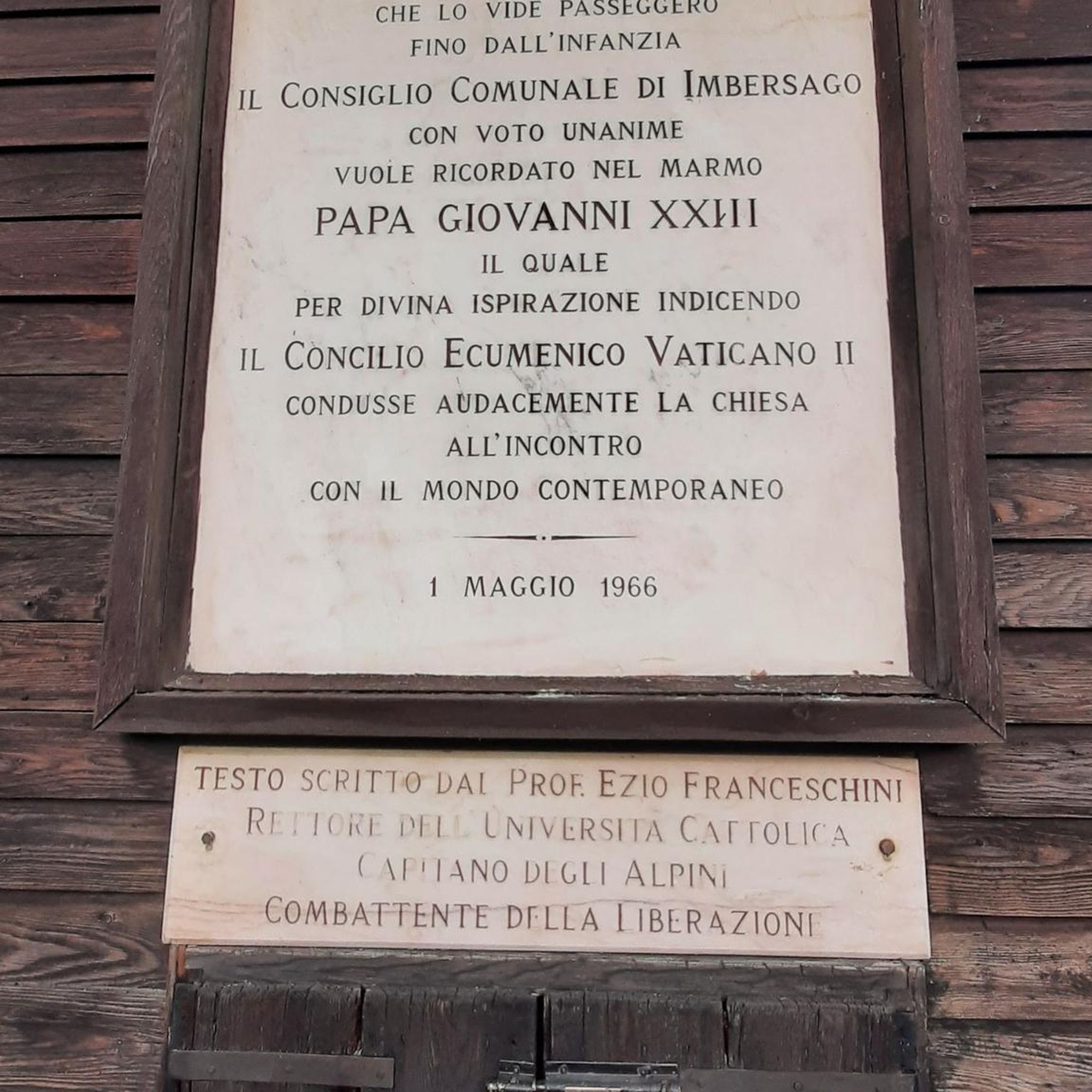
This Catholic church is mainly distinguished by its two-towered bell tower and its Languedoc-style Romanesque door. Originally dating from the 12th century, it was rebuilt at the end of the 14th century.
1
0

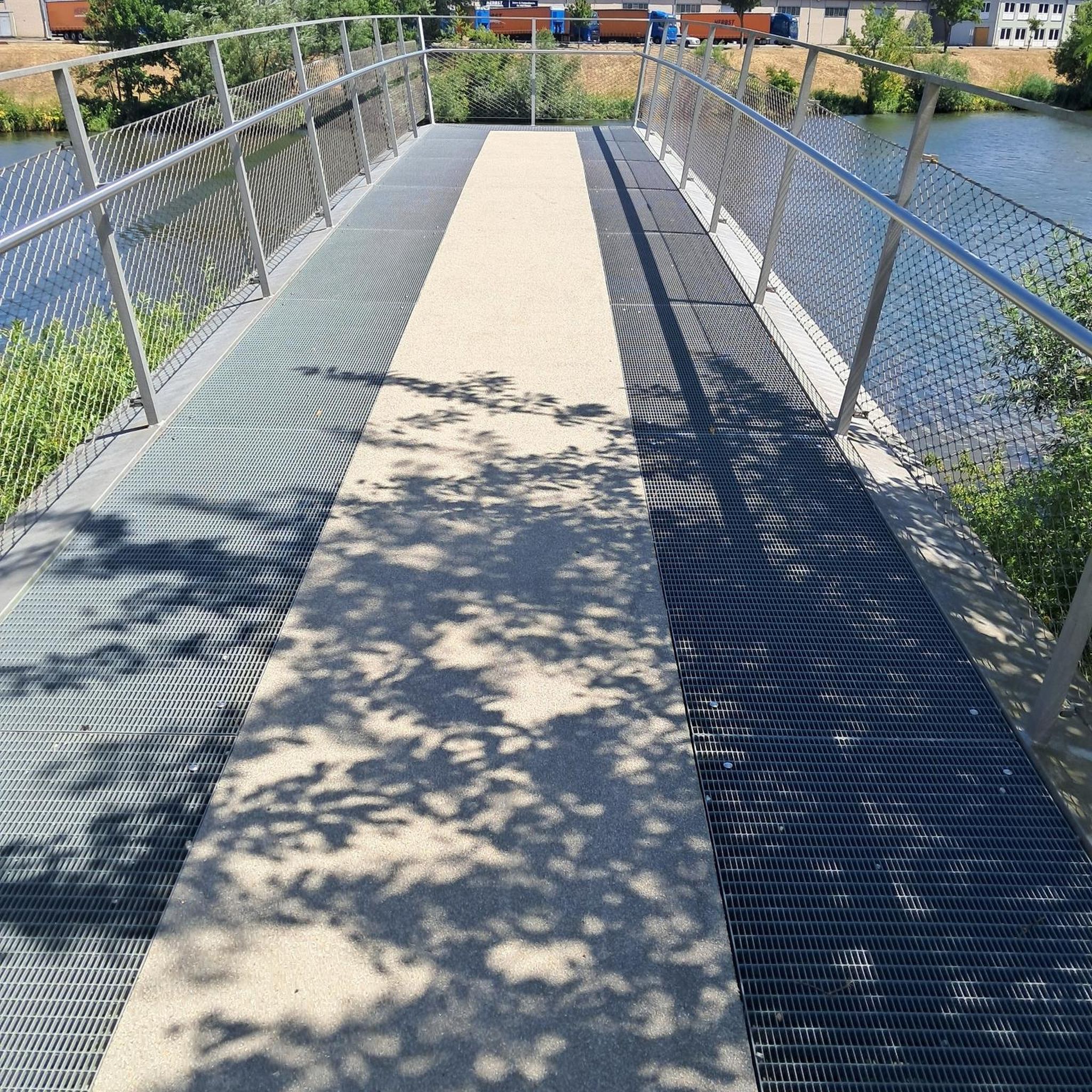
Nice view of the city from the bridge
0
0

The plateau on which the ruins of the old Notre-Dame-de-la-Pitié church and its castle are located offers lovely views.
0
0

The Abbey of Bonnefont-en-Comminges is a French Cistercian abbey. It is listed and classified as a French historical monument. To see!
1
0
Very beautiful place! The Bonnefont Abbey founded in 1136 is listed as a historic monument.
0
1

a beautiful place and nice restoration made with taste
0
1

Stone bridge with three arches. A stone door with pediment, gives access to the bridge and to the city. Opposite, another door of the same style is flanked by pedestrian crossings. These doors have a semicircular arch towards the exterior of the city, and a basket handle towards the interior.
0
0
The first church dates from the 12th century. It was rebuilt in 1397 by the chapter of Saint-Bertrand-de-Comminges. The bell tower has two towers, one of which was added in the 17th century [2]. The Romanesque portal dates from the 12th century, it comes from a side door of the Sainte-Marie abbey, built at the abbey of Bonnefont [2].
0
1
Frequently Asked Questions
How many hiking trails are available around Mane?
Mane offers a diverse network of nearly 50 hiking trails, catering to various preferences and fitness levels. You'll find a mix of easy and moderate routes to explore the region's natural beauty.
What kind of terrain can I expect on hikes near Mane?
The terrain around Mane is quite varied, ranging from serene forest walks through pine and oak trees to routes with significant elevation changes. Many trails offer peaceful walks around hills overlooking the Durance Valley, showcasing agricultural landscapes with vineyards and olive groves. You might also encounter unique geological formations.
Are there any circular hiking routes in Mane?
Yes, Mane is well-suited for circular walks. For example, the Salies-du-Salat - Montsaunès Loop is an easy 4.2-mile (6.7 km) trail that allows you to explore the local countryside. Another popular option is the Loop of Saint-Martory, a moderate 9.0-mile (14.5 km) path offering varied terrain and views.
What are some family-friendly hiking options around Mane?
Many trails in Mane are suitable for families, especially those within the Luberon Regional Nature Park. These often lead towards points of interest like the Haute Provence Observatory, providing opportunities for enjoyable walks with scenic views. The easy Salies-du-Salat - Montsaunès Loop is a great choice for a gentle exploration.
Can I bring my dog on hikes in Mane?
Generally, dogs are welcome on many trails around Mane, especially those in natural areas. However, it's always advisable to keep them on a leash, particularly in protected areas or near livestock, and to check specific trail regulations if available. The varied terrain and forest paths offer a great environment for walks with your canine companion.
Are there any challenging hikes for experienced trekkers?
While Mane offers many easy and moderate routes, some trails feature significant elevation changes, providing a more challenging experience. The region's proximity to the Luberon massif and Lure mountain suggests opportunities for longer, more strenuous excursions for experienced trekkers looking for a greater challenge.
What historical or natural attractions can I see while hiking in Mane?
Hiking around Mane offers a rich blend of history and nature. You can explore the charming village itself with its Château de Mane and Church of Saint André. Trails often pass by ancient structures like 'Bories' (dry-stone huts) and the 11th-century Roman bridge. Natural highlights include unique geological formations like the 'Mourres rocks' near Forcalquier and the picturesque Gorges d'Oppedette. Don't miss the Stone Bridge and City Gates of Saint-Martory.
What is the best time of year to go hiking in Mane?
Mane is an appealing destination for hiking throughout much of the year. Spring and autumn offer pleasant temperatures and vibrant landscapes. Summer provides shaded paths in the pine and oak forests, ideal for warmer days. Even winter can be suitable for hiking, though it's wise to check local conditions and dress appropriately.
Is there public transport available to reach hiking trails in Mane?
While specific public transport links directly to trailheads might be limited, Mane is a village in the Alpes-de-Haute-Provence region. It's recommended to check local bus services or regional transport options that connect to Mane or nearby towns. For ultimate flexibility, a car is often the most convenient way to access various starting points for hikes in the wider area.
Where can I park when hiking around Mane?
Parking is generally available within the village of Mane itself, which serves as a common starting point for many local trails. For specific trailheads outside the village, look for designated parking areas or roadside parking where permitted. It's always a good idea to arrive early, especially during peak season, to secure a spot.
What do other hikers say about the trails in Mane?
The hiking trails around Mane are highly regarded by the komoot community, with an average rating of 4.0 stars from over 40 reviews. Hikers often praise the varied terrain, the peaceful forest sections, and the stunning views of the Durance Valley and surrounding landscapes. The well-maintained paths and the blend of natural beauty with historical sites are frequently highlighted.
Are there any long-distance routes or cultural trails in the area?
Yes, the region around Mane is rich in historical pathways. The ancient Roman road 'Via Domitia' (also known as GR653D), an important crossroads in antiquity, passes through the area. This route is lined with aqueducts and necropolises, offering a unique cultural hiking experience. You can also find routes extending to the Ganagobie plateau, known for its monastery.
What wildlife might I encounter on the trails around Mane?
The diverse natural environment of Mane, including its forests and proximity to the Luberon Regional Nature Park, provides habitats for various wildlife. Hikers might spot local bird species, small mammals, and insects. Keep an eye out for signs of wild boar or deer, especially in quieter, wooded areas. The region's flora is also a highlight, with native pine and oak species.
Most popular attractions around Mane

Get inspired with the komoot mobile app


Explore more
Browse the best Hikes in other regions.
