Attractions and Places To See around Montmaurin - Top 5
Attractions and places to see around Montmaurin offer a journey through history and natural landscapes. Located at the foot of the Pyrenees in the historic Comminges region, Montmaurin is characterized by its wooded plots, rolling hills, and river gorges. The area is notable for its significant archaeological sites, including extensive Gallo-Roman villas and prehistoric caves. These sites provide insight into human occupation spanning over 350,000 years.
Best attractions and places to see around Montmaurin
- The most popular attractions is Boulogne-sur-Gesse…
Last updated: August 24, 2026
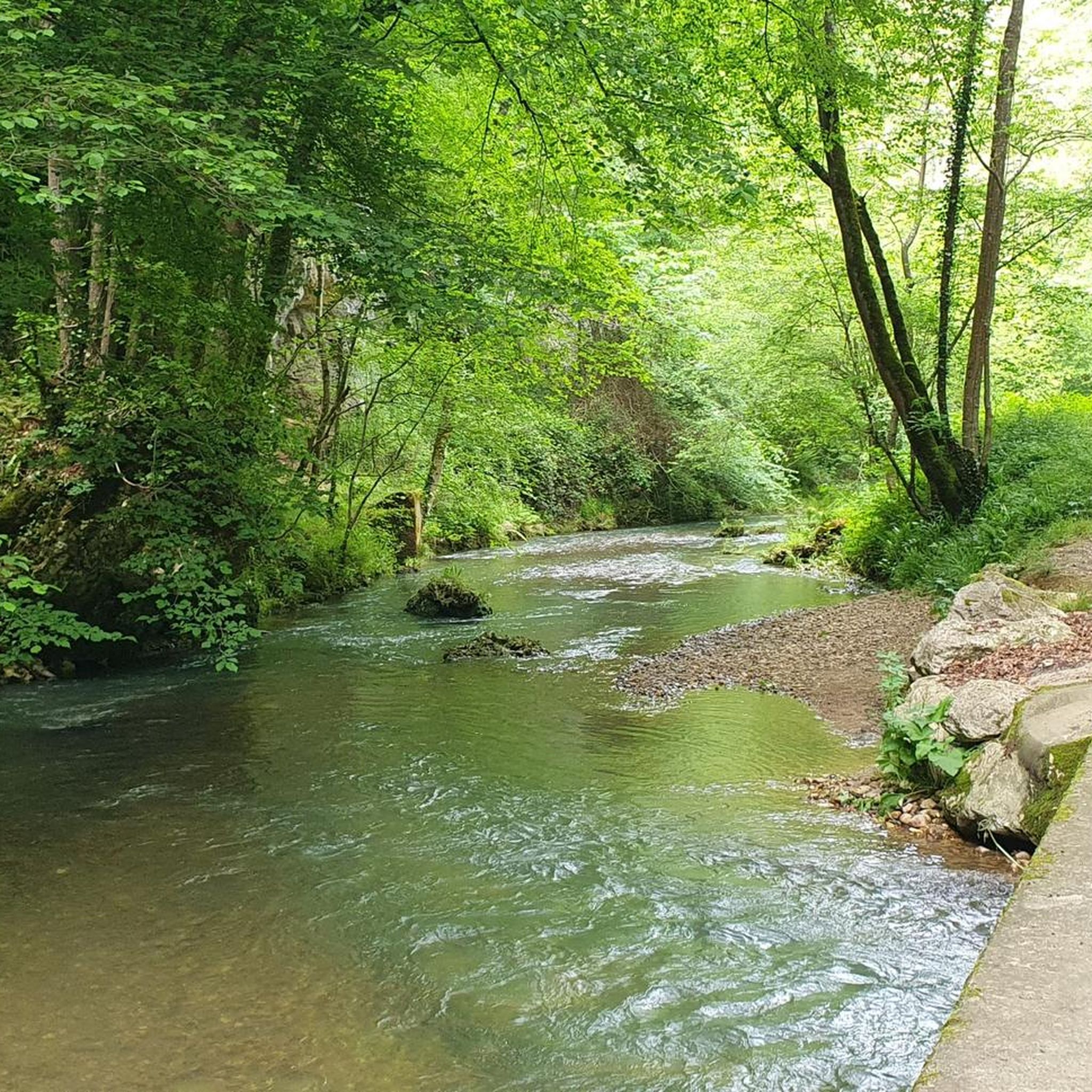
Franquevielle Canal from the Cardeilhac Arboretum
Highlight (Segment) • River
Translated by Google •
Tip by

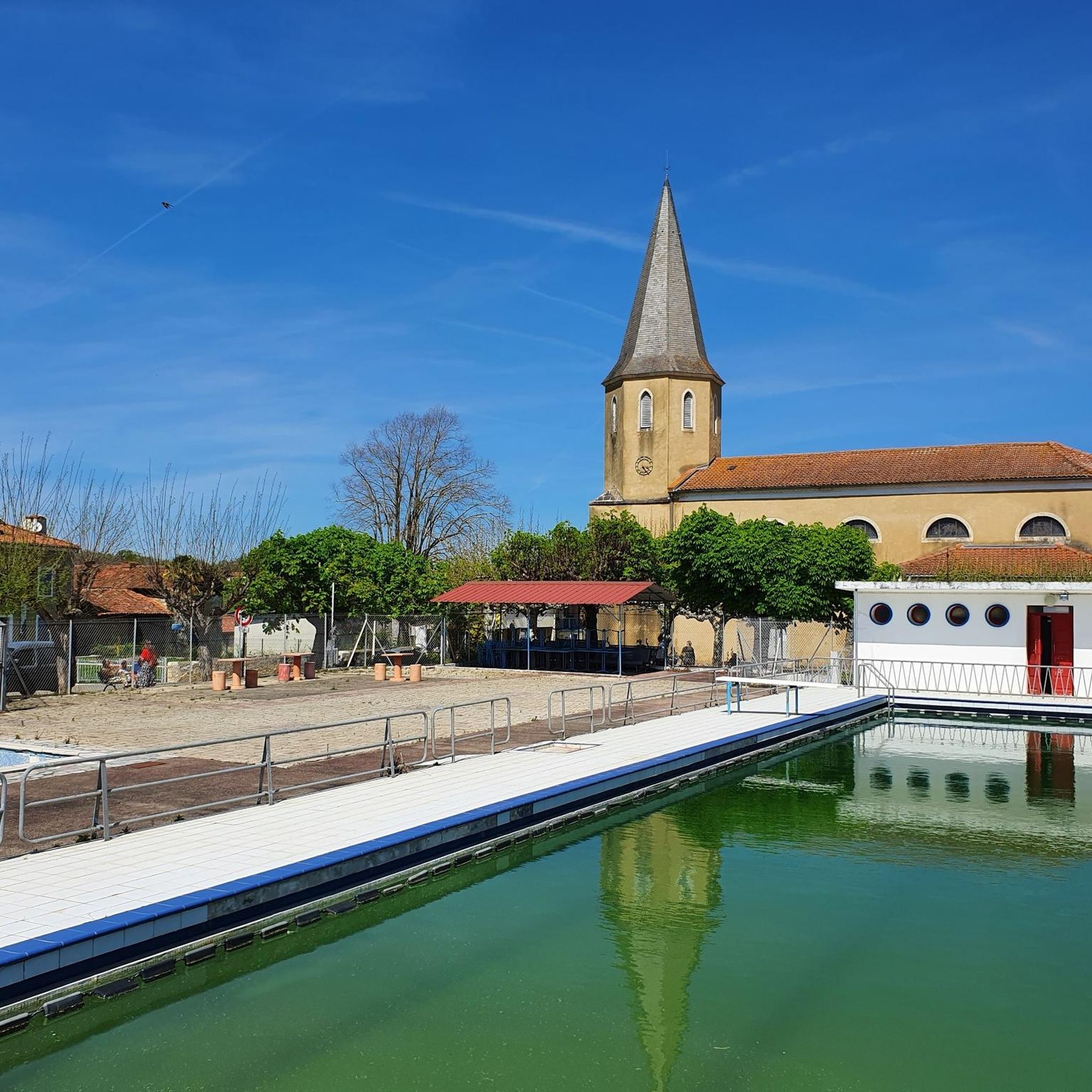
Boulogne-sur-Gesse Church Square
Highlight • Other
Tip by

Sign up now to discover places like this
Get recommendations on the best single tracks, peaks, & plenty of other exciting outdoor places.
Sign up for free
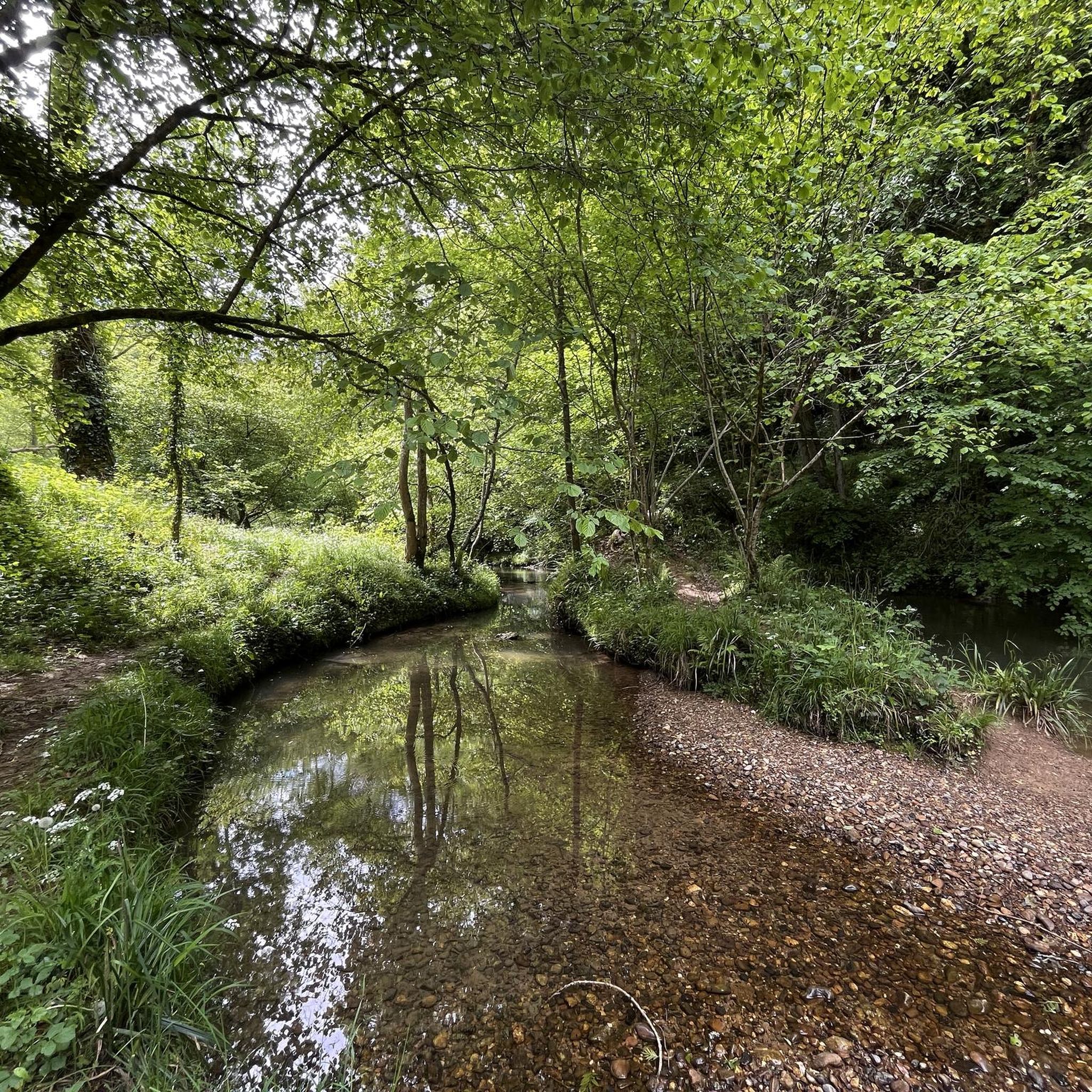
Cardeilhac Arboretum
Highlight • Other
Translated by Google •
Tip by

Gallo-Roman villa at Montmaurin
Highlight • Other
Translated by Google •
Tip by

Montmaurin Climb
Highlight • Climb
Translated by Google •
Tip by
Sign up for free to discover even more attractions around Montmaurin.
Sign up for free
Already have an account?
Start today with a free account
Your next adventure awaits.
Login or Signup
Tips from the Community

Very pleasant place, whether for a short stroll, or a long hike on foot, by bike, or on horseback. 1000 hectares of woods covered with kilometers of paths, the GR 86, mountain bike circuits and crossed by the canal from Franquevielle to Cardeilhac.
0
0

This is the town's main square, built around the church. Needless to say you can find a boulangerie here and a coffee.
0
0

Super, to follow the canal to the arboretum, the roads, paths and paths all along this waterway are very beautiful and pleasant to walk. I can only advise them
0
0

Last interesting site to visit in Montmaurin, the Gallo-Roman Villa. The Romans enjoyed this place and built this well renovated house which gives us a good overview of period refinement.
0
0
Very beautiful coast between Montmaurin and Sarremezan. Moderate slopes, this coast winds through a small forest and is very pleasant to climb or descend. Very little traffic.
0
0

Ideal site for a family mountain bike outing without difficulties in a pleasant and quiet site. With a little luck you too will come across a litter of young wild ducks, a doe leaping on the canal or nutria in the middle of a nap! The old Roman road connecting Toulouse to Tarbes also borders the canal, in particular at the ancient crossing of several roads marked by the old oak of the Hurmagne which for the first time in many centuries has not produced any leaves this spring 2020. ..
1
0
Frequently Asked Questions
What historical sites can I explore in Montmaurin?
Montmaurin is rich in history, particularly its Gallo-Roman and prehistoric past. You can visit the significant Gallo-Roman villa at Montmaurin, which offers insights into ancient Roman life. Additionally, the area is home to prehistoric caves in the Gorges de la Seygouade, where important artifacts like the 'mandible de Montmaurin' were discovered. The Montmaurin Archaeological Museum provides further context to these sites.
Are there natural attractions or scenic spots in the Montmaurin area?
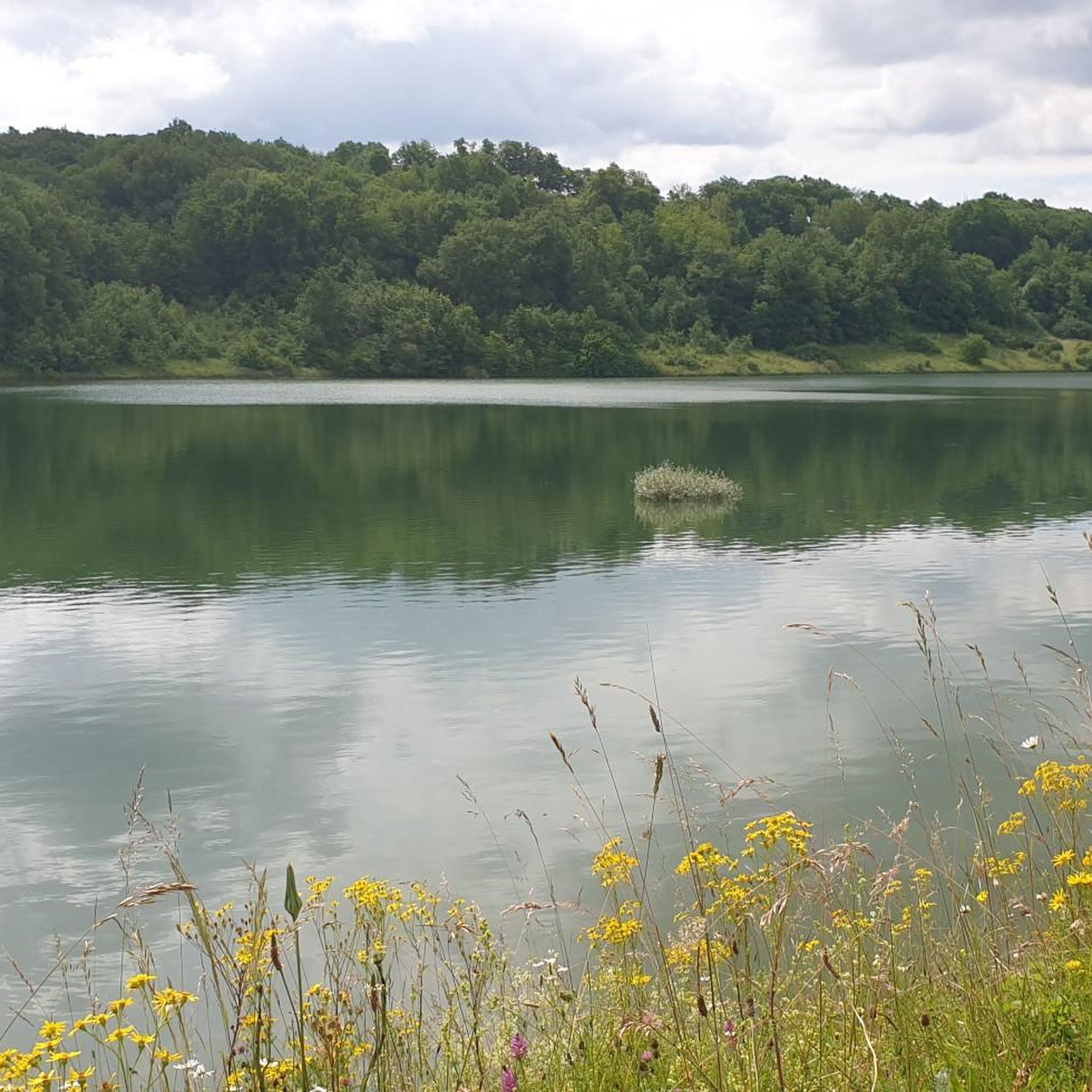
Yes, Montmaurin boasts beautiful natural features. The Gorges de la Save and Seygouade are notable river gorges. The region is characterized by bucolic, hilly landscapes and wooded plots, offering exceptional viewpoints. An orientation table in the northeast of town allows visitors to admire the snow-capped peaks of the Pyrenees. The Cardeilhac Arboretum is another pleasant natural spot with extensive woods and paths.
What kind of outdoor activities are available around Montmaurin?
The natural environment around Montmaurin is ideal for various outdoor activities. You can find secure routes for walkers, cyclists, and horseback riders. For specific trails, explore the hiking routes around Montmaurin, road cycling routes, or MTB trails. The Cardeilhac Arboretum, for example, offers kilometers of paths for walking, cycling, or horseback riding, including sections of the GR 86.
Is Montmaurin suitable for family visits?
Montmaurin offers several family-friendly options. The Franquevielle Canal from the Cardeilhac Arboretum is an ideal site for family mountain bike outings, with pleasant paths and opportunities to observe local wildlife. The Cardeilhac Arboretum also provides extensive, easy paths suitable for family walks or bike rides.
How can I learn more about the archaeological discoveries in Montmaurin?
To delve deeper into the archaeological discoveries, visit the Montmaurin Archaeological Museum. Housed in the village's former presbytery, it features modern exhibits showcasing treasures from the Gallo-Roman villas and prehistoric caves, including a cave lion skeleton, carved stones, and a human mandible dating back 200,000 years. An interactive model illustrates 350,000 years of human occupation in the area.
What are the main archaeological sites to visit in Montmaurin?
The primary archaeological sites are the Gallo-Roman Villas of Lassalles and La Hillère, and the prehistoric caves in the Gorges de la Seygouade. The Gallo-Roman villa at Montmaurin (Lassalles) is one of the largest in France, showcasing a luxurious ancient residence. The Villa de la Hillère, built around a natural spring, suggests a spiritual significance. The prehistoric caves have yielded significant human and animal remains.
Are there any specific hiking trails recommended near Montmaurin?
Yes, Montmaurin and its surroundings offer several hiking opportunities. The Cardeilhac Arboretum features kilometers of paths, including sections of the GR 86. You can find various routes, such as the 'Cardeilhac Arboretum – Arboretum loop' or the 'Abri d'Arcas loop from Montmaurin', which are listed in the Hiking around Montmaurin guide.
Where can I find information about cycling routes around Montmaurin?
Montmaurin offers diverse cycling routes. For mountain biking, explore the MTB Trails around Montmaurin guide, which includes routes like the 'Arboretum loop from Larroque'. If you prefer road cycling, the Road Cycling Routes around Montmaurin guide provides options such as the 'Lombez – Blajan loop from Boulogne-sur-Gesse'.
What is the significance of the Gallo-Roman villas in Montmaurin?
The Gallo-Roman villas, particularly Villa Lassalles and Villa de la Hillère, are highly significant. Villa Lassalles is one of the largest known Gallo-Roman villas in France, showcasing the opulent lifestyle of the aristocracy with its extensive layout, mosaics, and advanced features like hypocaust heating. Villa de la Hillère is unique for its construction around a natural spring, suggesting it was a spiritual or therapeutic site that later became a pilgrimage destination.
Are there any places to relax or grab a coffee in Montmaurin or nearby?
While Montmaurin itself is a small commune, you can find amenities in nearby towns. For example, the Boulogne-sur-Gesse Church Square, a short distance away, is the town's main square where you can find a boulangerie and a coffee shop.
How long should I plan for a visit to the Montmaurin archaeological sites?
To fully appreciate the archaeological sites, including the Gallo-Roman villa at Montmaurin and the Archaeological Museum, it is recommended to allocate at least half a day. This allows time to explore the villa ruins, view the exhibits in the museum, and understand the historical context of the region.
Is there parking available at the main attractions in Montmaurin?
Yes, parking is generally available near the main archaeological sites and the Montmaurin Archaeological Museum. It is advisable to check local signage upon arrival for designated parking areas to ensure convenience during your visit.

Get inspired with the komoot mobile app


Explore more
Still not found the Highlight you’re looking for? See guides of the top attractions in other regions:
