The best road cycling routes around La Croix-Du-Perche
4.3
(22)
305
riders
59
rides
Road cycling routes around La Croix-Du-Perche traverse a varied landscape characterized by a hilly and undulating countryside, featuring diverse agricultural fields and dense forests. The region offers a mix of challenging and leisurely routes, with many boasting mostly paved surfaces and low traffic. Green valleys and meandering rivers also contribute to the serene environment for cyclists.
Best road cycling routes around La Croix-Du-Perche
- The most popular road cycling route is Shaded section in the forest – Saint Martin Church loop…
Last updated: July 15, 2026
Moderate road ride. Good fitness required. Mostly well-paved surfaces and easy to ride.
4
riders
47.1km
01:51
200m
200m
Easy road ride. Great for any fitness level. Mostly well-paved surfaces and easy to ride.

Sign up for free
3
riders
83.9km
04:01
1,080m
1,090m
Hard road ride. Very good fitness required. Mostly well-paved surfaces and easy to ride.
3
riders
55.1km
02:10
220m
220m
Moderate road ride. Good fitness required. Mostly well-paved surfaces and easy to ride.
3
riders
61.3km
02:35
470m
470m
Moderate road ride. Good fitness required. Mostly well-paved surfaces and easy to ride.
Get access to more routes and recommendations from other explorers.
Sign up for free
Already have an account?
Our route recommendations are based on thousands of hikes, rides, and runs completed by other people on komoot.
Start today with a free account
Your next adventure awaits.
Login or Signup
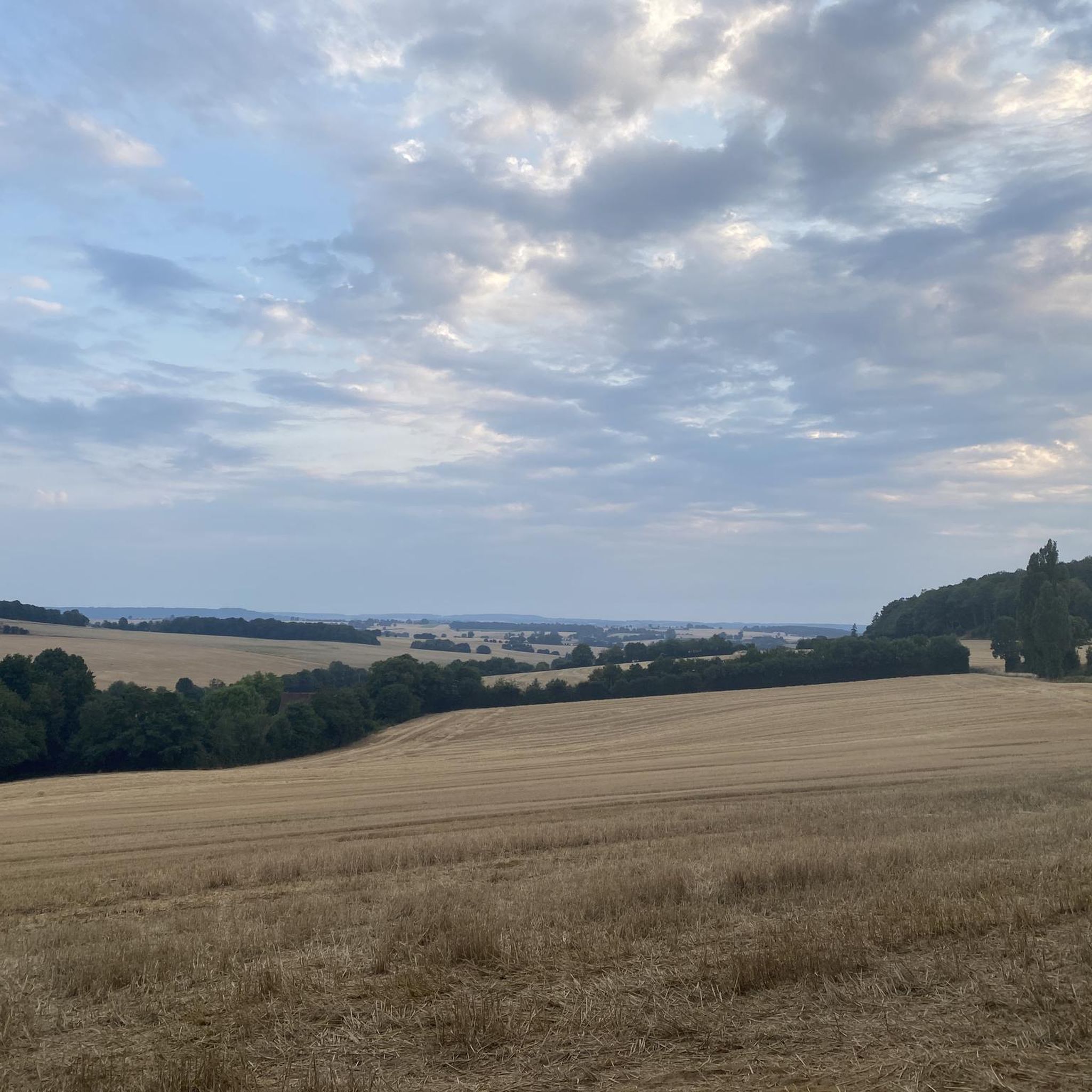

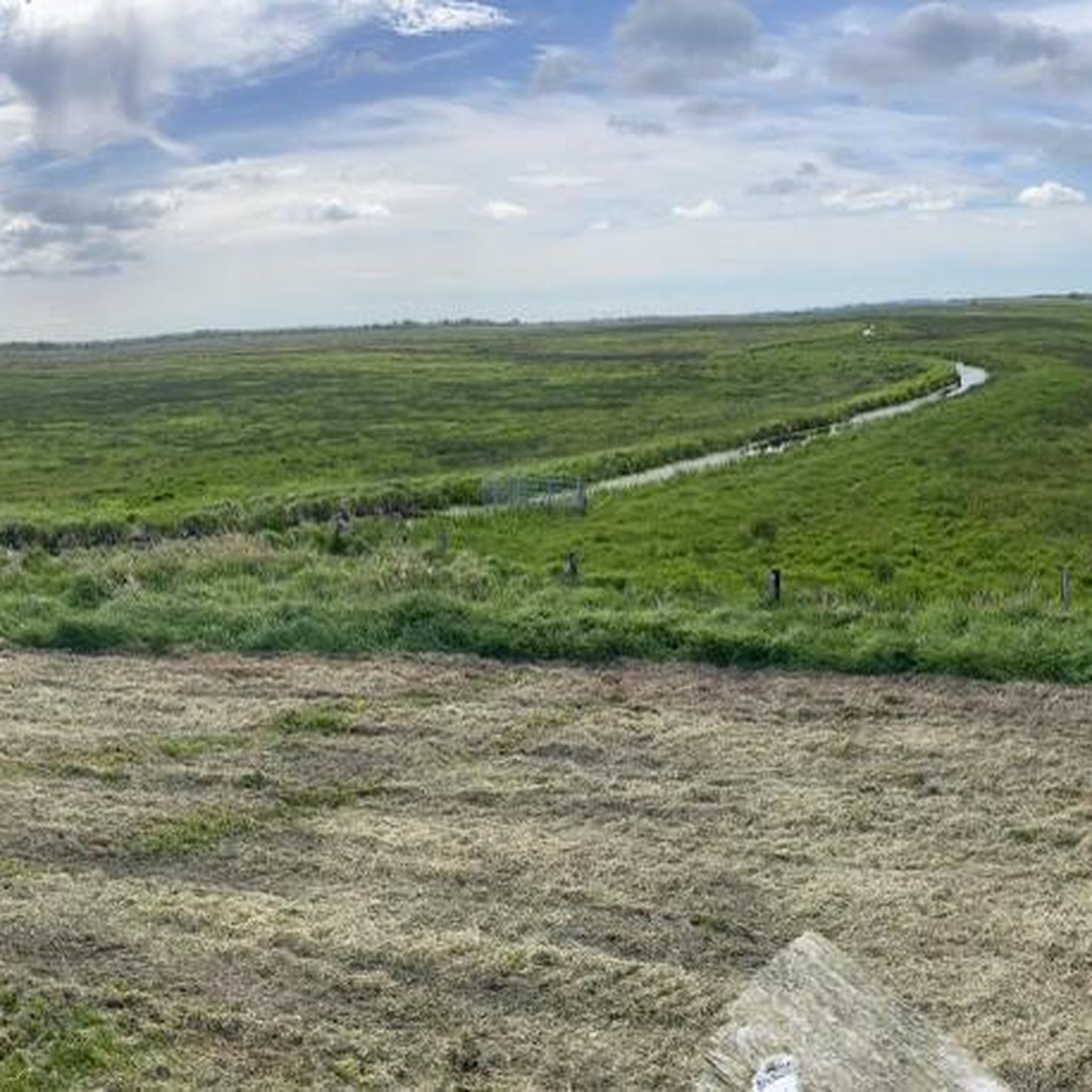
Tips from the Community

Magnificent ceiling with the possibility of lighting it up
0
0

At the exit of the village, you will notice the Saint-Aignan church; it was almost entirely rebuilt from 1895 onwards on the foundations of the old church after being destroyed by an unfortunate fire.
0
0
Avitus was born in Orléans and became a monk at Ménat in Auvergne. An abbot and pastor at heart, he was a model of selflessness and service. He was the third abbot of Micy (or Saint Mesmin) near Orléans. The hermit's life appealed to him, and he went to the Perche region with Saint Calais. He was a healing saint: in particular, he restored sight to a blind man and raised a dead man from the dead. His reputation grew, and his disciples encouraged him to found and build a monastery for them. He died around 530. His relics are kept at the Benedictine monastery of Saint Nicholas in Verneuil-sur-Avre.
0
0
The Church of Saint-Martin in Vieuvicq is a religious monument located in the commune of Vieuvicq, in the Centre-Val de Loire region. Although its existence is documented, available sources do not specify its construction period or the architectural or historical details that would place its origins in time. In the general context of the Centre-Val de Loire region, parish churches like Saint-Martin played a central role in the life of rural communities. They served not only as places of worship, but also as gathering points for social, religious, and sometimes administrative events. These buildings often reflected the local organization around the parish, shaping the landscape and the daily lives of the inhabitants.
0
0
The church of Saint-Germain-des-Grois, dedicated to Saint Germain, is a charming church in the canton of Rémalard in the heart of Perche. Built in the Romanesque style with its 12th-century choir, it was considerably enlarged during the 15th and 16th centuries, the periods in which the construction of the side aisles took place. The church was under the jurisdiction of the abbey of Saint-Lomer-de-Blois for its presentation to the parish priest. Its curious exterior volume attracts even more attention as the right wing of a building adjoining the church largely obscures the left side of its façade, in line with the aisle; this construction, moreover, resembles that of an old priory. The building consists of a nave of three bays, flanked by side aisles opening onto the central nave through large arches with a broken profile resting on large circular piers and a choir of one bay in the extension of the central nave ending in a flat chevet. A modest sacristy adjoins the building to the southeast. Outside, the side aisles are covered with successive gables, with the exception of the first bay of the north aisle covered by a square-plan, squat bell tower whose exterior volume, close to that of a bell tower, barely dominates the roof of the building which leans against its base. The three gables covering the right aisle do not follow an identical profile, the slope of the framework and the roof of the first of them, to the west, having been the subject of a significant restoration in the 19th century. At the same time, the two gables of the north aisle were also restored. As for the choir, of smaller volume, it has retained on its north and south sides a cornice with modillions; it constitutes the oldest part of the building. Inside, the nave is covered with a recently restored paneled vault, while the side aisles are vaulted on ribbed vaults, the ribs of which are received by ornate corbels. The church is lit thanks to the large bays with radiating tracery pierced in the walls of the side aisles. Among the notable elements of the furniture, it is worth mentioning the two monumental stone altarpieces which adorn the side altars, works of the 17th and 18th centuries; that of the south aisle houses statues of Saint Sebastian, Saint Joseph and Saint Germain and a finely worked gilded wooden tabernacle from the 17th century, with a dome and small columns. For drainage, the restoration of the masonry, particularly the buttresses, and for the restoration of the lower roof of the bell tower, the Sauvegarde de l’Art français granted a grant of 70,000 F in 1999.
0
0

Saint-Étienne Church, whose paneling covering the nave and the choir, dating from the 18th century, is classified as a "historic monument" as an object.
0
0
The church has a Latin cross plan. It has a single nave and a flat chevet. A small building is attached to the chevet. A bell tower flanks the building. Buttresses support the drip walls and the gable wall. Pointed arch bays with tracery illuminate the building. The portal, in a low arch, has its external arched voussure.
0
0
Frequently Asked Questions
What kind of terrain can I expect on road cycling routes around La Croix-Du-Perche?
The region around La Croix-Du-Perche is characterized by a hilly and undulating countryside. You'll encounter varied elevations, from moderate climbs to more challenging sections, all set against a backdrop of diverse agricultural fields and dense forests. Most roads are paved, and traffic is generally low, offering a peaceful cycling experience.
Are there road cycling routes suitable for beginners or families in La Croix-Du-Perche?
Yes, La Croix-Du-Perche offers routes suitable for various fitness levels, including easy options. For instance, the Château de Frazé – Frazé loop from Frazé is an easy 45.8 km path that passes by the notable Château de Frazé, making it a good choice for a more relaxed ride.
What are some scenic highlights or viewpoints along the road cycling routes?
The routes offer picturesque scenery with rolling green landscapes, diverse agricultural fields, and historic forests. You can experience a Lovely stretch through the fields or enjoy a Shaded section in the forest, which are popular highlights among cyclists for their natural beauty.
Are there any historical or cultural attractions to see while road cycling in the area?
Absolutely. The region is rich in history. You can cycle past the impressive Château de Frazé, known for its French-style exteriors. Another significant site is the Thiron-Gardais Abbey Gardens, which feature medieval-inspired designs and an abbey church dating back to 1114.
How many road cycling routes are available around La Croix-Du-Perche?
There are nearly 60 road cycling routes available around La Croix-Du-Perche, catering to various skill levels. This includes 14 easy routes, 44 moderate routes, and 1 difficult route for those seeking a greater challenge.
What do other road cyclists think about the routes in La Croix-Du-Perche?
The road cycling routes in La Croix-Du-Perche are highly rated by the komoot community, with an average score of 4.3 stars from over 15 reviews. Cyclists often praise the varied terrain, low traffic, and the beautiful, serene environment of the Perche countryside.
Are there any long-distance road cycling routes in the La Croix-Du-Perche area?
Yes, you can find longer routes that allow for extended rides. For example, the Château de Frazé – Church of Bonneval loop from Frazé is a 76.4 km trail that takes you through the Perche countryside, typically completed in about 3 hours.
Can I find circular road cycling routes around La Croix-Du-Perche?
Many of the road cycling routes in the area are designed as loops, allowing you to start and end in the same location. An example is the Frazé – Illiers-Combray loop from Frazé, a moderate 55.1 km ride.
What kind of natural features can I expect to see along the routes?
The region is rich in natural beauty. You'll cycle through dense forests, such as those historically known in the Perche region, offering shaded sections and opportunities for wildlife spotting. Green valleys and meandering rivers, like the Ozanne, also contribute to the serene environment and offer enchanting views.
Is there a specific time of year that is best for road cycling in La Croix-Du-Perche?
The Perche region's varied landscapes, with fields of diverse crops and dense forests, offer picturesque scenery throughout much of the year. Spring and autumn generally provide pleasant temperatures for cycling, while summer offers longer daylight hours to explore the shaded forest sections.
Are there any routes that pass through historic villages or offer a glimpse into the region's heritage?
Yes, the Perche region is known for its historic habitats. Many routes will take you through or near charming villages, past old manors, mills, and farms from the 17th and 18th centuries, preserving the area's rich heritage. The Saint Martin Church – Château de Frazé loop from Frazé is one such route that connects historical points of interest.
Where can I find more information about cycling in the wider Perche Regional Natural Park?
The Perche Regional Natural Park, where La Croix-Du-Perche is situated, offers extensive cycling itineraries, including sections of La Véloscénie. For broader information on cycling in the Perche region, you can visit France Vélo Tourisme.
Most popular attractions around La Croix-Du-Perche

Get inspired with the komoot mobile app


Explore more
Browse the best Road cycling routes in other regions.
