The best road cycling routes around Montignac
4.7
(30)
708
riders
75
rides
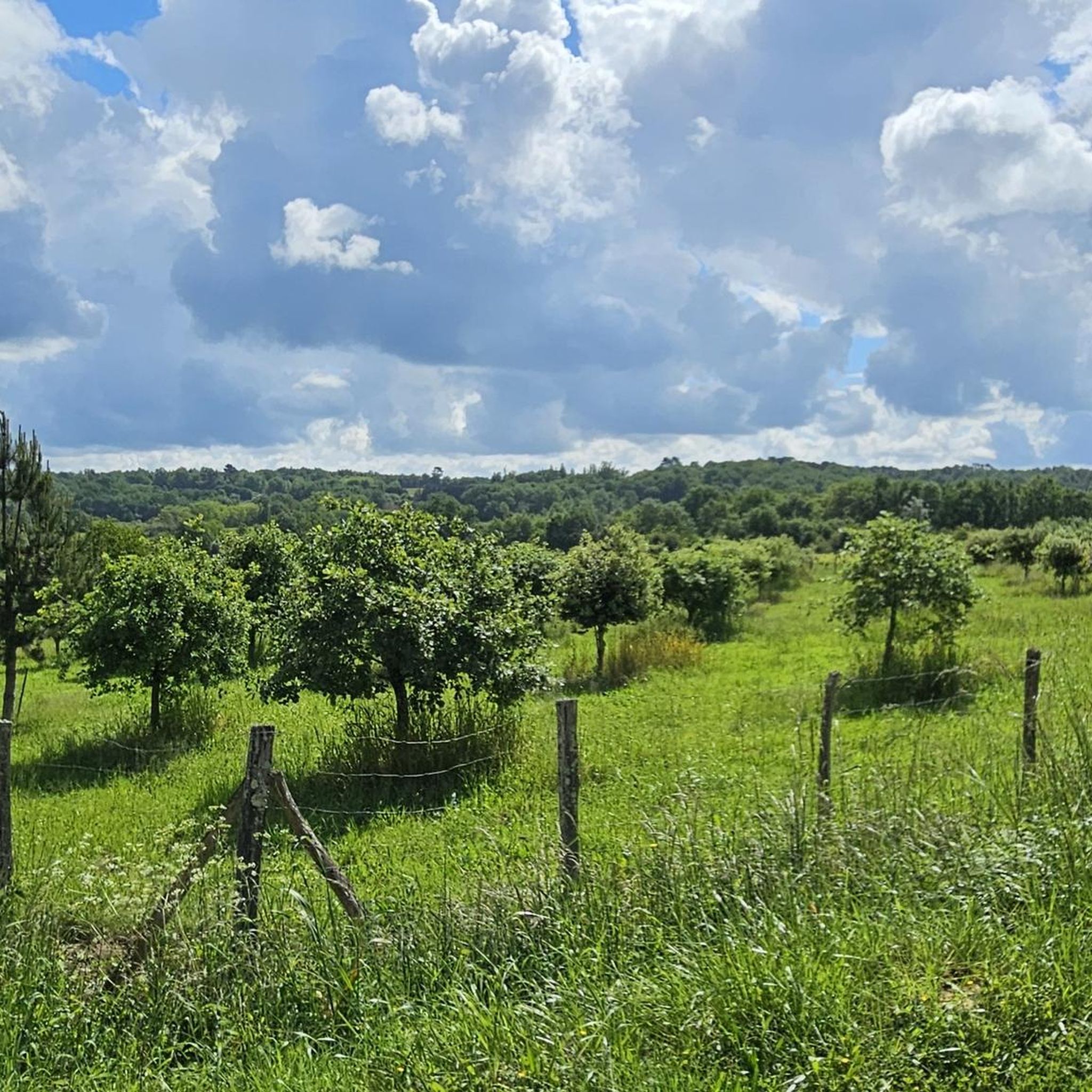
Road cycling routes around Montignac traverse a landscape characterized by gently rolling hills, lush oak forests, and picturesque farmlands. The region is shaped by the Vézère and Dordogne river valleys, offering diverse terrain for cyclists. Routes often follow the serene banks of these rivers, providing views of limestone cliffs and dense forests. The area features quiet country lanes and well-maintained cycling paths suitable for various skill levels.
Best road cycling routes around Montignac
- The most popular road cycling route is…
Last updated: July 13, 2026
20
riders
66.9km
03:02
600m
600m
Moderate road ride. Good fitness required. Mostly well-paved surfaces and easy to ride.
4.0
(1)
7
riders
55.0km
02:17
330m
330m
Moderate road ride. Good fitness required. Mostly well-paved surfaces and easy to ride.

Sign up for free
5.0
(1)
6
riders
57.5km
02:47
520m
520m
Moderate road ride. Good fitness required. Some segments of this route may be unpaved and difficult to ride.
6
riders
56.3km
02:23
430m
430m
Moderate road ride. Good fitness required. Mostly well-paved surfaces and easy to ride.
5
riders
52.1km
02:18
410m
410m
Moderate road ride. Good fitness required. Mostly well-paved surfaces and easy to ride.
Get access to more routes and recommendations from other explorers.
Sign up for free
Already have an account?
Our route recommendations are based on thousands of hikes, rides, and runs completed by other people on komoot.
Start today with a free account
Your next adventure awaits.
Login or Signup



Tips from the Community

The Abbey of La Sauve-Majeure, founded in 1079, a masterpiece of Romanesque art, is today part of the Way of St. James and a UNESCO World Heritage site. This is stated on the france-voyage website, and continues: "This former Benedictine abbey, dear to pilgrims and classified as a Historic Monument, has managed to preserve beautiful remains in its ruined church, including the remarkable carved capitals in the choir. The wonderfully preserved details of the chiselled capitals feature biblical, fantastical, or plant-based motifs. Original sin, Daniel in the lions' den, the life of Samson, the temptation of Christ, the sacrifice of Abraham, the martyrdom of Saint John, or the fight between mythical creatures can be admired as sculptural elements in the Abbey of La Sauve-Majeure."
0
0

Well-lit tunnel on the cycle path
0
0

In 1079, the Benedictine abbot Gérard de Corbie and about ten monks and knights founded Notre-Dame de La Sauve-Majeure in the large forest (in Latin Silva Major) of the Entre-deux-Mers. The support of the dukes of Aquitaine and the pilgrimage to Santiago de Compostela favored a rapid boom. At its peak in the 12th and 13th centuries, the abbey had about a hundred monks. The Hundred Years' War precipitated its decline.
0
0
Majestic in its size and appearance, the Loubens mill is one of the most remarkable in the Entre-deux-Mers region. Its installation seems to date back to the 11th century. A square, medieval tower, built on an island, bears similarities to the Bagas mill located 2 km downstream. It includes three sets of millstones still in place. However, it is not a fortified building; it is a weir mill. To the north construction, a bridge with a double row of arches was added in the 18th century, containing two more pairs of millstones and a fulling mill (a machine used not for grinding grain, but for fulling textiles. These mills were often called "beating mills"). This southern part of the mill earned it the name "little Chenonceau". The mill has been classified as a Historic Monument since 2000.
0
0
Built by John Lackland, Duke of Normandy (1199-1204), Duke of Aquitaine (1199-1216) and King of England from 1199 to 1216, the castle was built on a rock occupied since antiquity. Witness to the Hundred Years' War, the castle of Rauzan was taken twice by the French, including by Bertrand Du Guesclin in 1377. Classified as a historic monument in 1862, it was only revived in people's minds from the 1970s onwards when the municipality of Rauzan, owner since 1900, and some enthusiasts of medieval architecture undertook clearing and restoration work. (sources Wikipedia)
1
0

Super The d avoir précisé. So it is passable on foot or by bike WITHOUT CARS! GENIAL
0
1

Beautiful passage with a train relic recalling the history of the place, formerly a railway.
0
0

At the Creon station, several information panels about the history of the railway line are offered, and wagons and engines that operated on this line can be seen.
0
0
Frequently Asked Questions
How many road cycling routes are available around Montignac?
Montignac offers a wide selection of road cycling routes, with over 80 tours available. These routes traverse diverse landscapes, from river valleys to rolling hills, catering to various preferences and skill levels.
Are there road cycling routes suitable for beginners or families in Montignac?
Yes, Montignac is well-suited for beginners and families. There are over 20 easy road cycling routes, many of which follow the serene banks of the Vézère River. The region also features well-maintained cycling paths, including "Voies Vertes" like the Vézère Valley Greenway, which provide safe and scenic adventures away from heavy traffic.
What kind of landscapes can I expect to see while road cycling near Montignac?
Road cycling around Montignac offers a rich tapestry of landscapes. You'll experience gently rolling hills, lush oak forests, and picturesque farmlands. Routes frequently follow the Vézère and Dordogne river valleys, providing tranquil views, dramatic limestone cliffs, and dense forests. The area's prehistoric significance also adds a unique dimension to the natural scenery.
What historical sites and charming villages can I explore on a road bike from Montignac?
Many road cycling routes from Montignac incorporate visits to significant historical sites and charming medieval villages. You can cycle past the world-renowned Lascaux caves (Lascaux IV replica), the cliff dwellings of La Roque Saint-Christophe, or the rock shelter of La Madeleine. Picturesque villages like Saint-Amand-de-Coly, Limeuil, Beynac, Domme, and La Roque-Gageac are also accessible, often featuring stunning views and historical architecture.
Are there any challenging road cycling routes with significant climbs around Montignac?
While the region is known for its gently rolling hills, Montignac does offer more challenging excursions for experienced road cyclists. There are 3 difficult routes and 57 moderate routes that include significant elevation gains, allowing you to test your endurance and enjoy panoramic views of the valleys and forests.
What do other road cyclists enjoy the most about road cycling in Montignac?
The road cycling experience in Montignac is highly rated by the komoot community, with an average score of 4.7 stars from over 36 reviews. Cyclists often praise the diverse terrain, the quiet country lanes, and the beautiful scenery along the river valleys. The combination of natural beauty and historical sites makes for a truly engaging ride.
Can I find routes that pass by castles or other notable landmarks?
Absolutely. Road cycling routes in the Montignac area frequently pass by majestic castles such as the perched Château de Monfort, the Château de Castelnaud, and the fortified Château de Beynac. You might also encounter highlights like the Château de Rauzan or the beautiful Gardens of Marqueyssac, which overlook the Dordogne valley.
Are there any long-distance cycling paths or 'Voies Vertes' near Montignac?
Yes, the region boasts a network of well-maintained cycling paths. The Vézère Valley Greenway offers a serene journey along the riverbanks, connecting charming villages. Additionally, sections of the longer Flow Vélo® route pass near Sarlat-la-Canéda, guiding cyclists through pastoral landscapes and quaint villages, providing excellent options for longer rides.
What is the best time of year for road cycling in Montignac?
The region around Montignac is generally pleasant for road cycling from spring through autumn. Spring offers lush greenery and comfortable temperatures, while summer provides warm, sunny days ideal for longer tours. Autumn brings beautiful foliage and cooler, crisp air, making it another excellent time to explore the routes.
Are there any specific routes that offer a good mix of scenery and historical interest?
Many routes combine natural beauty with historical sites. For example, the Branne Bridge – Rauzan Castle loop from Coirac is a moderate 34.2-mile trail that leads through agricultural lands and past historical sites. Another option is the Château de Duras and Garden – Le Moulin de Loubens loop from Coirac, offering scenic views and historical landmarks.
Where can I find more information about cycling paths in the Dordogne Valley?
For additional information on cycling paths throughout the wider Dordogne Valley, you can consult resources like visit-dordogne-valley.co.uk. This can help you plan longer excursions or connect with other regional routes.
Most popular attractions around Montignac

Get inspired with the komoot mobile app


Explore more
Browse the best Road cycling routes in other regions.
