The best road cycling routes around Senlis-Le-Sec
4.7
(14)
516
riders
174
rides
Road cycling routes around Senlis-Le-Sec are characterized by gently undulating terrain and historical landscapes. The region's altitude ranges from 72m to 137m, providing a relatively flat to mildly rolling experience suitable for road cycling. Pathways often connect significant World War I memorials and battlefields, offering a reflective journey through history. The area features quiet roads that traverse these solemn yet often scenic landscapes.
Best road cycling routes around Senlis-Le-Sec
- The most popular road cycling route is Les Puits Tournants loop…
Last updated: June 29, 2026
4.4
(5)
82
riders
69.8km
03:10
390m
390m
Moderate road ride. Good fitness required. Mostly well-paved surfaces and easy to ride.
5.0
(1)
31
riders
29.6km
01:15
160m
160m
Easy road ride. Great for any fitness level. Mostly well-paved surfaces and easy to ride.

Sign up for free
5.0
(3)
19
riders
48.5km
02:17
300m
300m
Moderate road ride. Good fitness required. Mostly well-paved surfaces and easy to ride.
5.0
(1)
15
riders
21.1km
01:07
190m
190m
Easy road ride. Great for any fitness level. Mostly well-paved surfaces and easy to ride.
13
riders
90.6km
04:29
800m
800m
Moderate road ride. Good fitness required. Mostly well-paved surfaces and easy to ride.
Get access to more routes and recommendations from other explorers.
Sign up for free
Already have an account?
Our route recommendations are based on thousands of hikes, rides, and runs completed by other people on komoot.
Start today with a free account
Your next adventure awaits.
Login or Signup



Tips from the Community

Stunning trompe-l'œil murals offer a subtle tribute to the Polish airmen who fell in the area during World War II. Near the church, you'll find a collection of old photographs and information about Naours as it once was. Don't forget to look at the street signs, some of which also include the name in Picard dialect – a rare find!
0
0

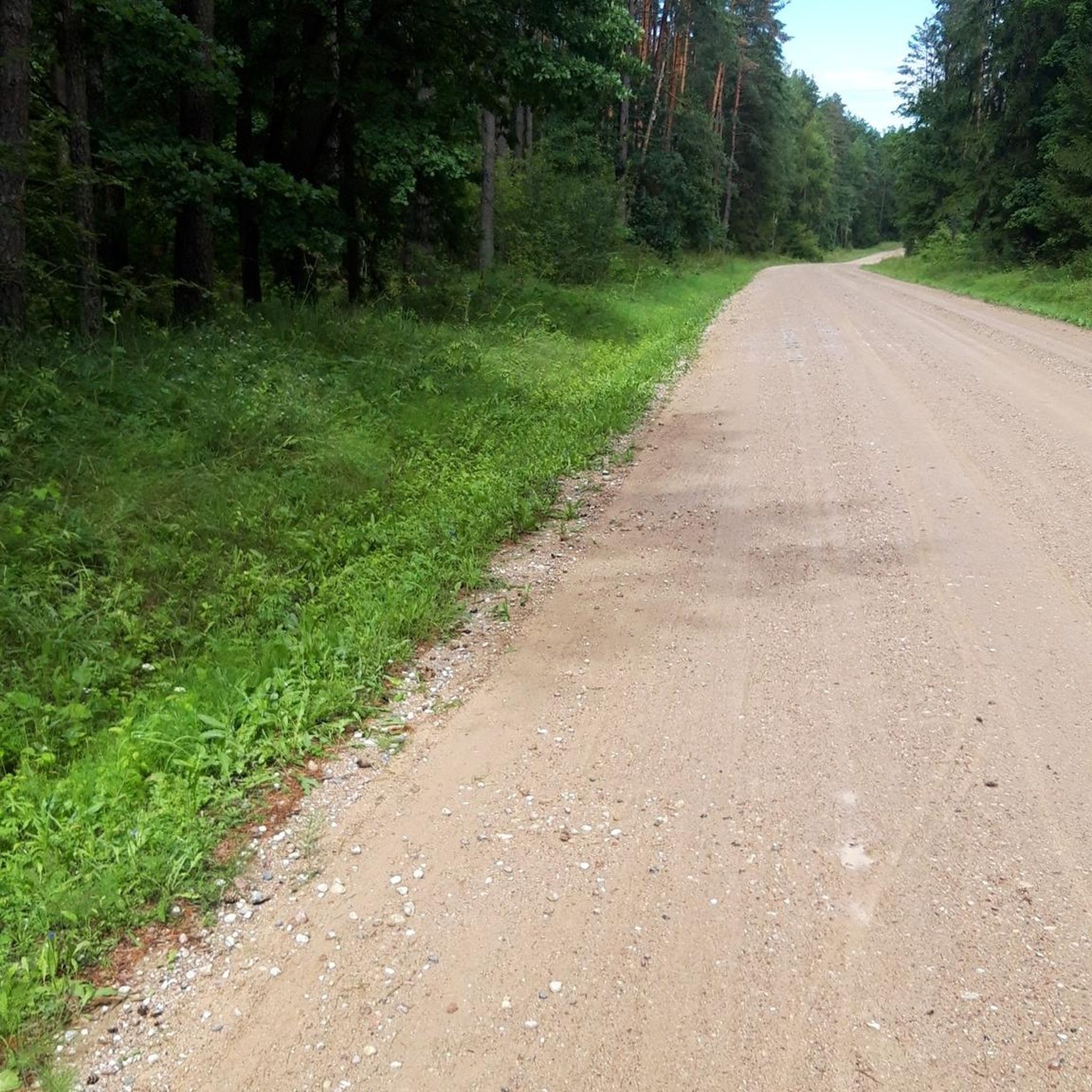
A beautiful place for a walk in nature. The bike path is perfect.
0
0

Officially part of the Historial de la Grande Guerre, the Thiepval Museum is located near the impressive Thiepval Memorial and offers an in-depth look at the Battle of the Somme of 1916. Opened in 2016 to mark the centenary of this bloody battle, the museum comprises seven thematic areas, each highlighting a different aspect of the war. One of the highlights is the 60-metre-long panoramic comic strip by artist Joe Sacco, which vividly depicts the events of 1 July 1916. Visitors will gain insight not only into the military strategies, but also into the human suffering and the culture of remembrance surrounding the missing of the Somme.
5
0
The Cratère de Lochnagar, an impressive war memorial, was created by a huge mine blown up by the British Royal Engineers on 1 July 1916, as part of the Battle of the Somme. The explosion marked the beginning of the battle and left a crater 90 metres in diameter and 25 metres deep. Interestingly, the crater was named after Lochnagar Street, the trench from which the tunnel was dug. The crater is now a preserved site of remembrance and a religious service is held there every year on 1 July in memory of those who died.
8
0
An interesting anecdote is that the monument was inaugurated in 1932 by the Prince of Wales and the French President Albert Lebrun. The monument consists of a series of arches supported by sixteen massive square pillars, on which the names of the missing soldiers are engraved. At the foot of the monument is a Franco-British military cemetery with 600 graves: 300 French and 300 British soldiers.
6
0
The Parc Mémorial de Thiepval is an impressive war memorial that commemorates the 72,337 missing British and South African soldiers who died during the Battle of the Somme in World War I. Designed by Sir Edwin Lutyens, the memorial is considered one of the greatest British monumental works of the twentieth century. The park also includes a visitor centre, opened in 2004, and the Jardins de la Paix, where visitors can reflect and enjoy the serene surroundings. Every year on 1 July, remembrance ceremonies are held to honour the victims of the Battle of the Somme.
8
0
French politician, MP and then resistance fighter, born on November 6, 1890 in Bapaume, he became mayor of the town in 1929. In 1934, he was elected general councilor of Pas-de-Calais. In 1936, he ran in the legislative elections and was elected in the second round. He was arrested in 1943 by the Nazis as he left the prefecture, and deported to the Gross-Rosen camp where he died on November 27, 1944. Since 1948, a monument showing him at the time of his arrest honors his memory. At the Town Hall there is an urn with soil from Gross-Rosen as well as a painting of him.
0
0

Paved area in the city.
0
0
Frequently Asked Questions
What is the general terrain like for road cycling around Senlis-Le-Sec?
The terrain around Senlis-Le-Sec is characterized by gentle undulations, with altitudes ranging from 72m to 137m. This provides a relatively flat to mildly rolling experience, making it suitable for road cycling without significant steep climbs. The routes often traverse quiet roads through historical landscapes.
How many road cycling routes are available in the Senlis-Le-Sec area?
There are over 180 road cycling routes available around Senlis-Le-Sec. These routes offer a variety of experiences, from easy rides to more challenging options, all within the region's unique historical setting.
What kind of historical landmarks can I expect to see while cycling?
The Senlis-Le-Sec area is rich in World War I history. Cyclists can explore significant memorials and battlefields. Notable sites include the Newfoundland Memorial, the impressive Lochnagar Crater, and the imposing Thiepval Memorial. Many routes wind directly through these poignant landscapes.
Are there routes suitable for beginners or families?
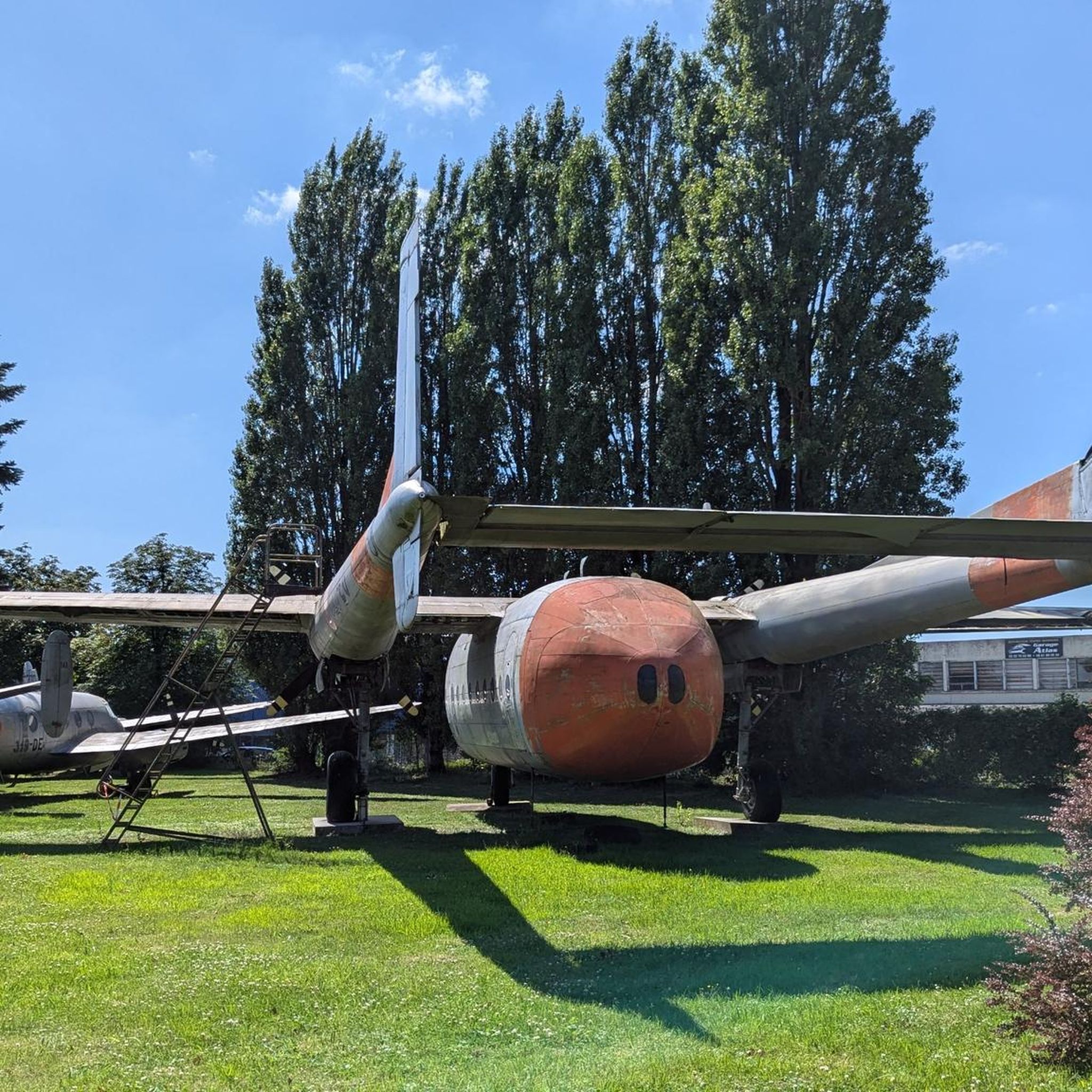
Yes, there are routes suitable for various skill levels. For beginners or families looking for an easier ride, there are 40 easy routes available. An example is the Aviation museum loop from Warloy-Baillon, which is an easy 35.6 km path.
What do other cyclists say about road cycling in Senlis-Le-Sec?
The road cycling routes in Senlis-Le-Sec are highly rated by the komoot community, with an average score of 4.7 stars from over 30 reviews. Cyclists often appreciate the unique blend of historical exploration and the gently undulating, quiet roads.
Are there any longer, more challenging road cycling routes?
Yes, for those seeking a longer or more challenging ride, there are 139 moderate routes and 5 difficult routes. The Ulster Tower loop from Warloy-Baillon is a moderate 51.2 km trail that leads through historical landscapes, typically completed in about 2 hours 26 minutes.
Can I find circular road cycling routes in the area?
Many of the road cycling routes around Senlis-Le-Sec are designed as loops, allowing you to start and finish at the same point. For instance, the popular Les Puits Tournants loop from Warloy-Baillon is a 49.98 km circular route.
Is Senlis-Le-Sec the same as Senlis in Oise, which is known for cycling?
No, it's important to distinguish between the two. Senlis-Le-Sec is in the Somme department and is known for its WWI historical landscapes. The town of Senlis in the Oise department, about 100 km south, is a much larger and well-known destination for extensive road cycling, offering numerous routes including segments of EuroVelo 3 and the Avenue Verte London Paris. This guide focuses specifically on Senlis-Le-Sec in the Somme.
What is the best time of year to go road cycling in Senlis-Le-Sec?
While specific seasonal data isn't provided, generally, spring and autumn offer pleasant temperatures and beautiful scenery for cycling in this region of France. Summer can also be enjoyable, though it's advisable to cycle during cooler parts of the day. Winter cycling is possible but may require more preparation for colder weather.
Are there any specific routes that pass by significant WWI sites?
Many routes in the area are designed to incorporate the historical significance of the region. The Bunker 14-18 - west entrance to Hénencourt loop from Albert Sud is a moderate 48.2 km route that takes you past historical sites, offering a reflective journey through the battlefields.
Are there any natural features or viewpoints along the cycling routes?
While the primary focus is historical, the routes traverse the rolling terrain of the Somme, offering scenic views of the countryside. The Lochnagar Crater, a massive man-made crater, is a striking natural feature resulting from WWI, and the Thiepval Memorial also serves as a viewpoint over the surrounding historical landscape.
What is the typical length of road cycling routes in Senlis-Le-Sec?
The routes vary in length, catering to different preferences. You can find routes ranging from shorter, easy rides like the 35.6 km Aviation museum loop from Warloy-Baillon, to longer moderate options such as the 51.2 km Ulster Tower loop from Warloy-Baillon.
Most popular routes around Senlis-Le-Sec
Most popular attractions around Senlis-Le-Sec

Get inspired with the komoot mobile app


Explore more
Browse the best Road cycling routes in other regions.
