The best cycling routes around Yermenonville
4.6
(387)
2,029
riders
151
rides
Touring cycling around Yermenonville offers routes through the agricultural landscapes of the Beauce Plains, characterized by open fields and gentle undulations. The region features historical landmarks such as the Saint-Piat Mill and Maintenon Castle, providing cultural points of interest along the trails. Elevation changes are generally modest, making the area suitable for various cycling abilities.
Best touring cycling routes around Yermenonville
- The most popular touring cycling route is View of the Beauce Plains – Saint-Piat Mill loop from Saint-Piat,…
Last updated: July 5, 2026
4.7
(98)
513
riders
92.5km
05:27
490m
490m
Hard bike ride. Very good fitness required. Mostly paved surfaces. Suitable for all skill levels.
4.5
(54)
311
riders
Moderate bike ride. Good fitness required. Mostly paved surfaces. Suitable for all skill levels.

Sign up for free
4.6
(24)
121
riders
Moderate bike ride. Good fitness required. Mostly paved surfaces. Suitable for all skill levels.
4.8
(13)
78
riders
58.9km
03:24
260m
260m
Moderate bike ride. Good fitness required. Mostly paved surfaces. Suitable for all skill levels.
3.0
(1)
6
riders
Hard bike ride. Very good fitness required. Mostly paved surfaces. Suitable for all skill levels.
Get access to more routes and recommendations from other explorers.
Sign up for free
Already have an account?
Our route recommendations are based on thousands of hikes, rides, and runs completed by other people on komoot.
Start today with a free account
Your next adventure awaits.
Login or Signup


Tips from the Community

According to tradition, the church choir covers the remains of an older building, possibly dating back to the 6th century, which was built to house the saint's body. According to current knowledge, the commune of Saint-Piat (Sanctus Piatus in Latin) officially appeared in 1087, mentioned in a charter of the Nottonville Priory (Eure-et-Loir), on which it depended. The current building was rebuilt during the time of Francis I, as suggested by the date 1535 engraved on two buttresses of the apse and the date 1542 engraved on a piece of wood from the vault. This is according to a study by the SAEL (Eure-et-Loir Archaeological Society). The three-sided apses, the dripstone towers (horizontal members projecting from a wall), and the sculpted roof structures are a testament to the importance of the reconstructions carried out in the department during the 16th century. The church of Saint-Piat is one of them. While the church has not been officially recognized, it nevertheless contains objects that have attracted attention both for their antiquity and quality, but not always for good reason. Their artistic value, far from attracting only religious or aesthetic interest, has also aroused a covetousness that, unfortunately, remains for some of them. Fortunately, those still in place are carefully cared for and offer the curious a story to discover, a beauty to slowly ponder as they progress toward the choir.
0
0

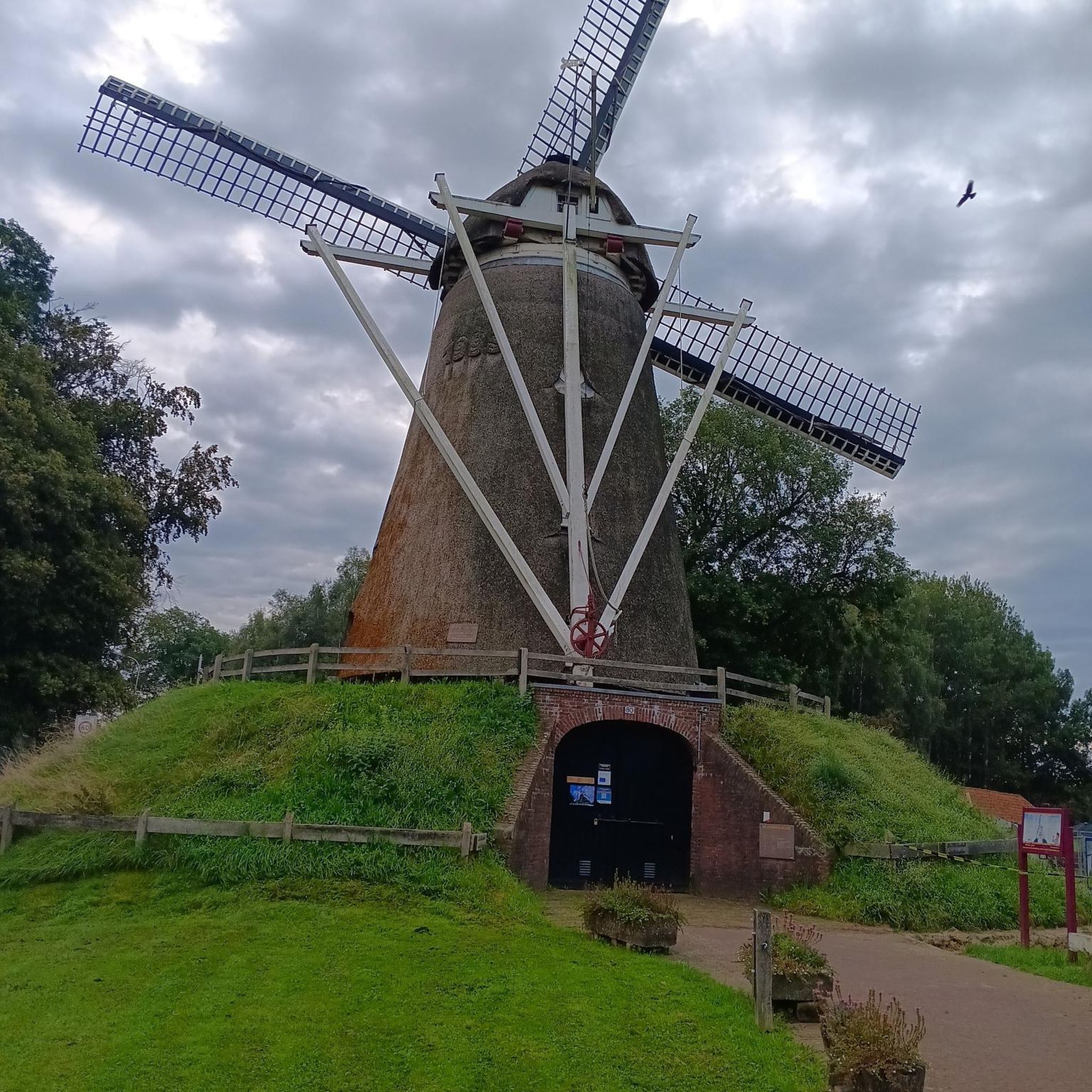
Many centuries ago, our ancestors discovered the possibility of harnessing the power of the elements—which, while helpful and useful on the one hand, could also be a threat as untamed forces of nature—for various purposes, thus eliminating the need for human or animal muscle power. Mills like these are a good example of the human engineering skills of earlier generations: The heavy millstones used to grind grain or press oil, for example, could be powered by wind or—as in this case—water.
0
0

Rambouillet Castle A former medieval fortress, Rambouillet Castle was gradually transformed into a pleasure residence by its illustrious owners and adorned with elegant decorations.
0
0

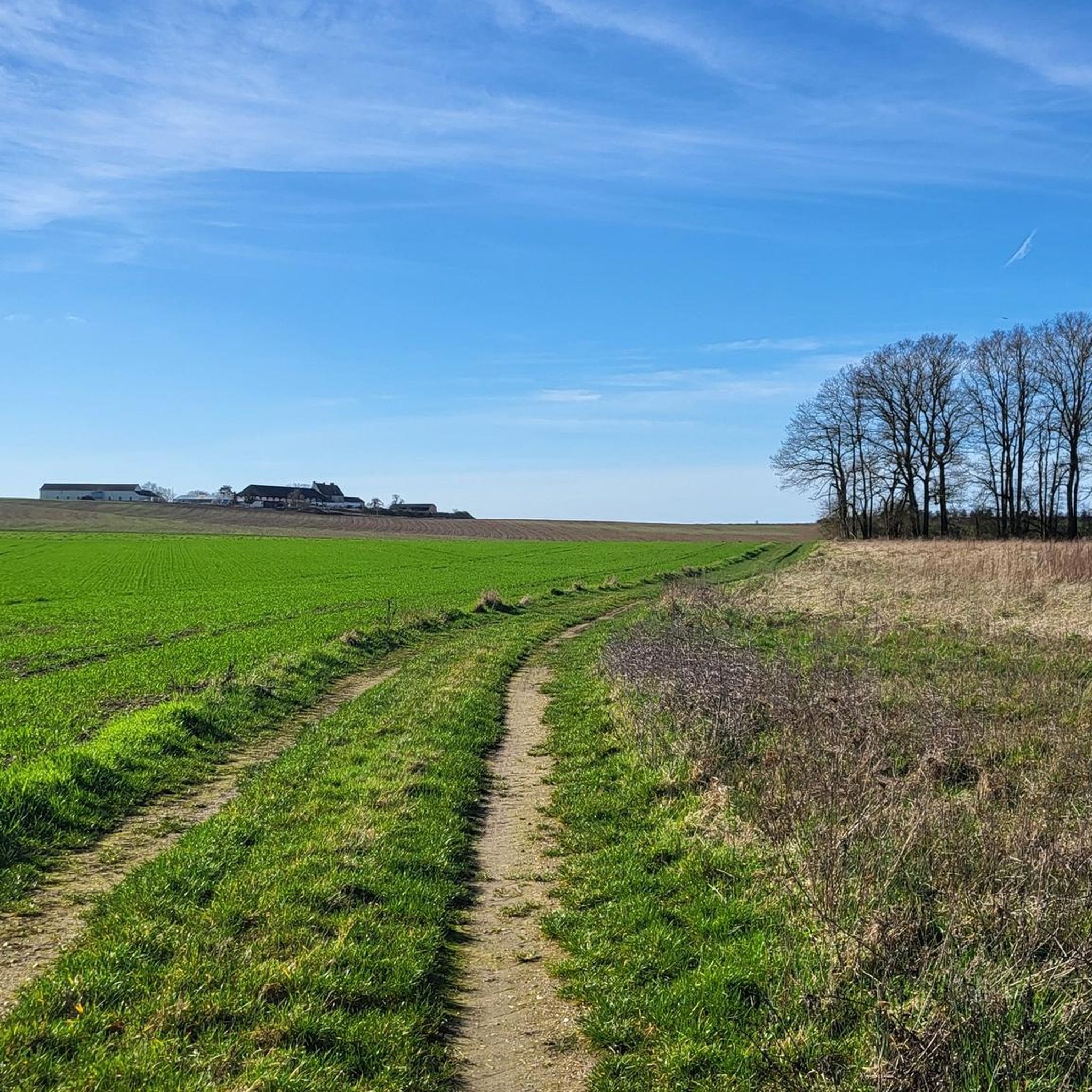
Beautiful greenway. We need lots of them like this!
0
0
[In Advent] "we hear in the Gospel the beginning of the ministry of Saint JEAN BAPTIST. He appears in the desert and calls people to conversion so that they may prepare for the coming of the Lord. His call reminds us that Advent is not only a time of waiting, but also of interior preparation. "Prepare the way of the Lord, make straight his paths" (Luke 3:4). John's message challenges us to examine our lives. What "rough paths" and "crooked roads" are there in our hearts? Where have we perhaps distanced ourselves from God or lost sight of our fellow human beings? John invites us to remove these obstacles and reorient our lives. But his call has not only a personal dimension, but also a social one: the way of the Lord is a way of justice, peace and reconciliation. When we pave the way of the Lord, we bring light into the darkness of the world and hope into the hearts of people." (Text: Michael Inden, Diocesan President of the KAB in the Archdiocese of Cologne)
0
0

An excellent place to take a break and admire the magnificent castle and its park. Whether you are roaming along the Véloscénie or simply strolling through the forest of the estate, you will be seduced by this idyllic view.
1
0

This new development avoids many roads that are always unpleasant to use. More safety is preferable.
1
0
Chartres en Lumières returns for a 21st edition, illuminating 21 sites seven evenings a week from April 13, 2024 to January 5, 2025. For the 2024 season, Chartres en Lumières includes in its program the Saint-Aignan church, which is preparing its grand return, and the façade of the Departmental Council, Place Châtelet, where the Eurelian heritage will be honored. With Chartres en Lumières, immerse yourself in a magical, colorful universe and discover, in an atypical way, the must-sees in the heart of the city of Chartres from dusk to 1 a.m. (11:30 p.m. from October 27).
1
0
Frequently Asked Questions
What are the typical difficulty levels for touring cycling routes around Yermenonville?
The touring cycling routes in Yermenonville cater to various abilities. You'll find a good mix, with 61 easy routes, 51 moderate routes, and 18 more challenging options. The region's gentle undulations make it accessible for many cyclists.
Are there family-friendly touring cycling routes in Yermenonville?
Yes, Yermenonville offers several family-friendly touring cycling routes, particularly those classified as 'easy'. These routes often feature gentle terrain through open fields, making them suitable for cyclists of all ages. An example is the Saint-Piat Mill – Maintenon loop from Houx, which is 9.0 miles (14.4 km) long.
What is the best time of year to go touring cycling in Yermenonville?
The best time for touring cycling in Yermenonville is generally from spring to early autumn (April to October). During these months, the weather is usually pleasant, and the agricultural landscapes of the Beauce Plains are vibrant. Winter cycling is possible but can be cold and windy across the open plains.
Are there circular touring cycling routes available in Yermenonville?
Many of the touring cycling routes around Yermenonville are designed as loops, allowing you to start and finish in the same location. For instance, the popular View of the Beauce Plains – Saint-Piat Mill loop from Saint-Piat is a circular route offering expansive views.
What kind of scenery can I expect on touring cycling routes in Yermenonville?
Touring cycling around Yermenonville is characterized by the vast, open agricultural landscapes of the Beauce Plains. You'll experience gentle undulations, historical landmarks, and charming villages. Routes often pass by significant sites like the Saint-Piat Mill and Maintenon Castle.
What are some notable historical landmarks or attractions I can see along the routes?
The region is rich in history. Along your rides, you can encounter landmarks such as the historic Saint-Piat Mill and the impressive Maintenon Castle. The Maintenon Castle – Maintenon Castle loop from Saint-Piat specifically highlights this area.
What do other touring cyclists enjoy most about cycling in Yermenonville?
The komoot community highly rates touring cycling in Yermenonville, with an average score of 4.6 stars from over 300 reviews. Cyclists often praise the peaceful open plains, the historical points of interest, and the variety of routes suitable for different skill levels.
Are there any shorter touring cycling routes ideal for a quick ride?
Yes, if you're looking for a shorter ride, there are several options. The Bike loop from Yermenonville is a good choice, covering about 10.1 miles (16.2 km) and typically completed in just over an hour.
How long do touring cycling routes in Yermenonville typically take to complete?
The duration of touring cycling routes varies. Shorter, easy routes like the Lavoir de Soulaires – Saint-Piat Mill loop from Saint-Piat (15.6 km) can take around an hour. Longer, moderate routes, such as the View of the Beauce Plains – Saint-Piat Mill loop from Saint-Piat (34.9 km), might take over two hours.
Is parking generally available near the starting points of touring cycling routes?
Yes, parking is typically available in the villages that serve as common starting points for these routes, such as Saint-Piat or Houx. These locations provide convenient access to the touring cycling network.
Are there any particularly scenic viewpoints along the touring cycling routes?
The entire region offers scenic views across the expansive Beauce Plains. Routes like the View of the Beauce Plains – Saint-Piat Mill loop from Saint-Piat are specifically named for their panoramic vistas of the agricultural landscape.
Most popular routes around Yermenonville
Most popular attractions around Yermenonville

Get inspired with the komoot mobile app


Explore more
Browse the best Cycling routes in other regions.
