Top 6 Castles around Faverolles-Sur-Cher
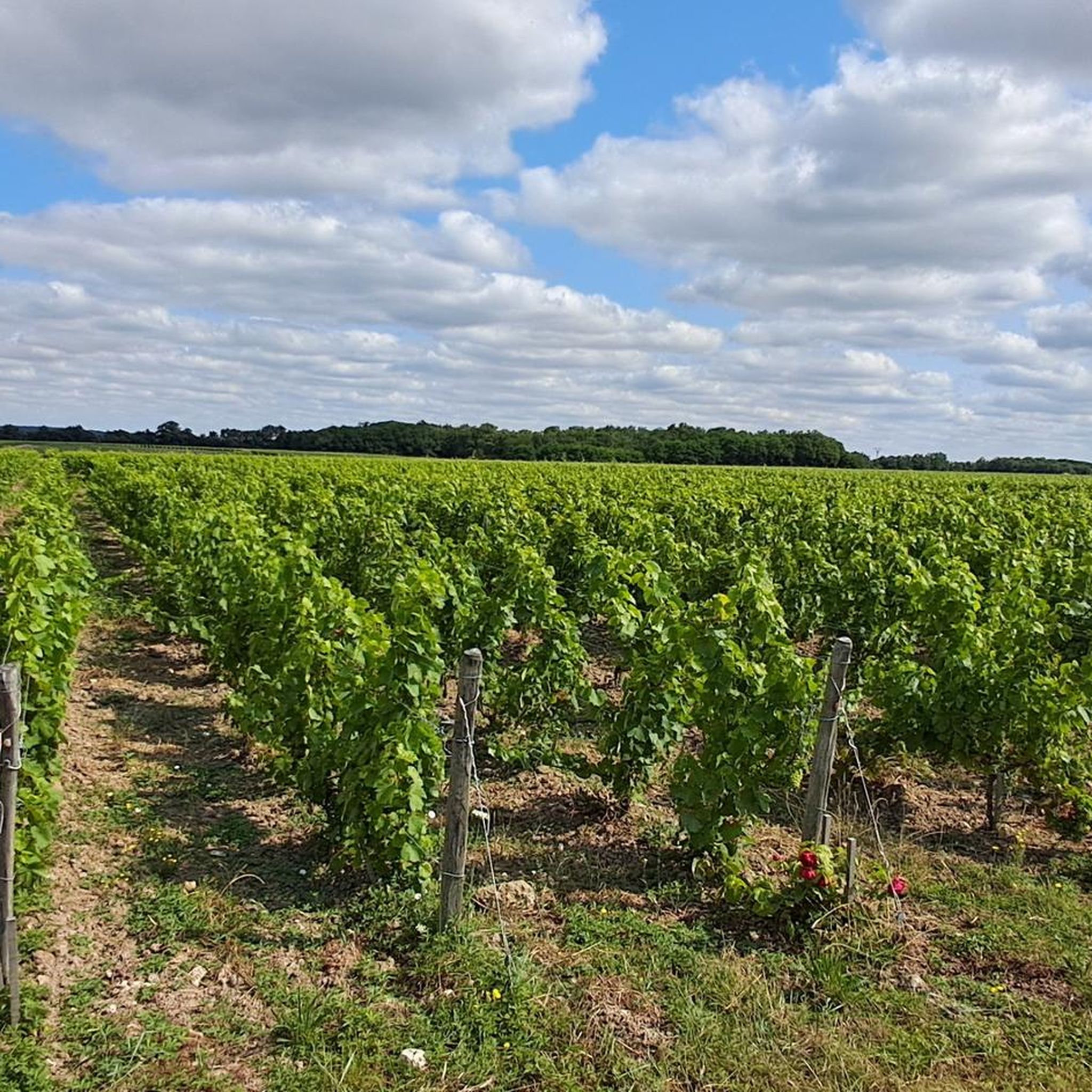
Best castles around Faverolles-sur-Cher are found in the heart of the Loire Valley, a region known for its historical châteaux and scenic landscapes. While castles within Faverolles-sur-Cher are private, the area serves as a central point for exploring numerous significant historical sites. The region features a mix of medieval fortresses and Renaissance residences, often set amidst vineyards and along the Cher River. This provides opportunities for exploring historical architecture and enjoying the natural environment.
Best castles around Faverolles-Sur-Cher
- The most…
Last updated: June 29, 2026
Château de Chenonceau
Highlight • Castle
Translated by Google •
Tip by

View of Chenonceau Castle from the cycle path
Highlight • Castle
Translated by Google •
Tip by

Sign up now to discover places like this
Get recommendations on the best single tracks, peaks, & plenty of other exciting outdoor places.
Sign up for free
Chenonceau Castle
Highlight • Castle
Translated by Google •
Tip by

Château de Chissay
Highlight • Castle
Translated by Google •
Tip by
Montrichard Fortress
Highlight • Castle
During this loop through Montrichard Val de Cher, you'll climb to the ruins of the Château de Montrichard. With views over …
Translated by Google •
Tip by

Sign up for free to discover even more castles around Faverolles-Sur-Cher.
Sign up for free
Already have an account?
Start today with a free account
Your next adventure awaits.
Login or Signup
Popular around Faverolles-Sur-Cher


Other adventures around Faverolles-Sur-Cher

Tips from the Community

A tower that was deliberately sawn off. Yes, really. During this loop through Montrichard Val de Cher, you'll climb to the ruins of the Château de Montrichard. With views over the Cher, it's as if you were ruling the region yourself. Only... that keep didn't collapse. It was deliberately lowered by Henry IV. Impressive. A magnificent view.
3
0
Did you know: During the First World War, the castle was converted into a hospital for wounded soldiers by its owner, Simonne Menier (of the Menier chocolate family). – Long rows of camp beds lined the large gallery above the Cher River. – More than 2,000 wounded were reportedly cared for within the castle walls. A bizarre contrast: the ornate Renaissance halls as a place for bandages, operations, and recovery.
3
0

Today the chateau functions as a hotel/restaurant – nice surroundings, good food, very friendly staff, and still at acceptable prices.
1
0

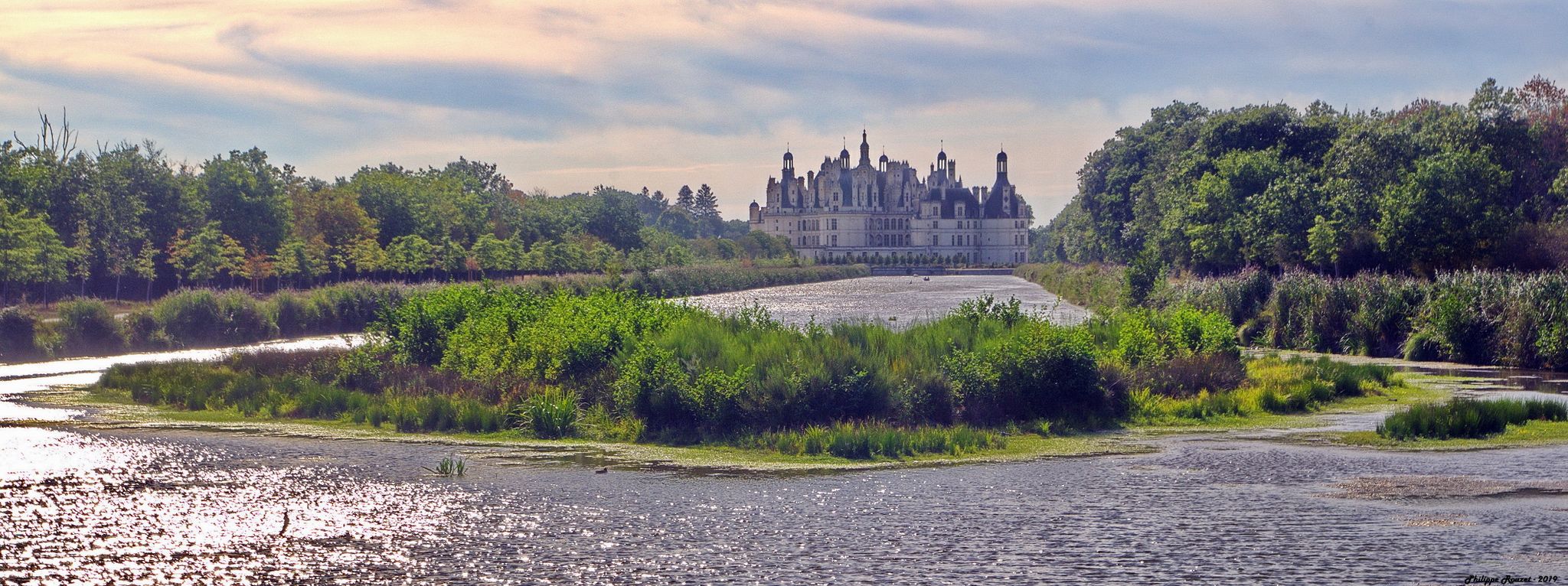
Inspired by a Venetian Palace, it was Catherine de Medici who gave Chenonceau its unique architecture. This Renaissance masterpiece, nicknamed the "Château des Dames" is also exceptional for the richness of its history. In 1513, Katherine Briçonnet directed the construction work. Then it was successively embellished by Diane de Poitiers, the King's mistress, initiator of the bridge and Catherine de Medici who imagined the two refined galleries that span the river. It was François 1er who married the Florentine with his son Henri II. By marrying him, this illustrious queen would make Chenonceau and the court of France shine with all the Italian splendor. Obtained at the time of Diane de Poitiers' disgrace, this dream home has always been her favorite residence. She stayed there very often, offering her sons memorable parties. But Catherine had more ambitious plans, and wanted to make her "castle on the water" a grand residence of the Court. A true art gallery, Chenonceau is also distinguished by the wealth of its collections, tapestries and paintings by the greatest European masters of the 16th, 17th and 18th centuries. The Médicis gallery is a Cabinet of Curiosities that also presents many treasures, as well as documents allowing a better understanding of the stages of construction and the highlights of the history of the château. In 2019, to celebrate "500 years of Renaissance" and pay tribute to Catherine de Médicis, the château opened a new place to the public: "The Queen's Apothecary", the only one presented in a monument in the Loire Valley. Restored "in situ" for 3 years, it houses priceless sets of precious pots, paintings and mortars. Visiting Chenonceau also means discovering sumptuous historic gardens, a new contemporary garden, as well as a Labyrinth and a Flower Vegetable Garden. The 80-hectare park is home to many animals and birds living in freedom. Visitors can walk there freely, with their pets, because the castle is Pet Friendly. In 2020: The “Cabinet of Physics and Chemistry of Chenonceau”, created by Jean Jacques ROUSSEAU in the 18th century, will open its doors to the public, and the summer Night Walk will be enriched with new illuminations.
3
0

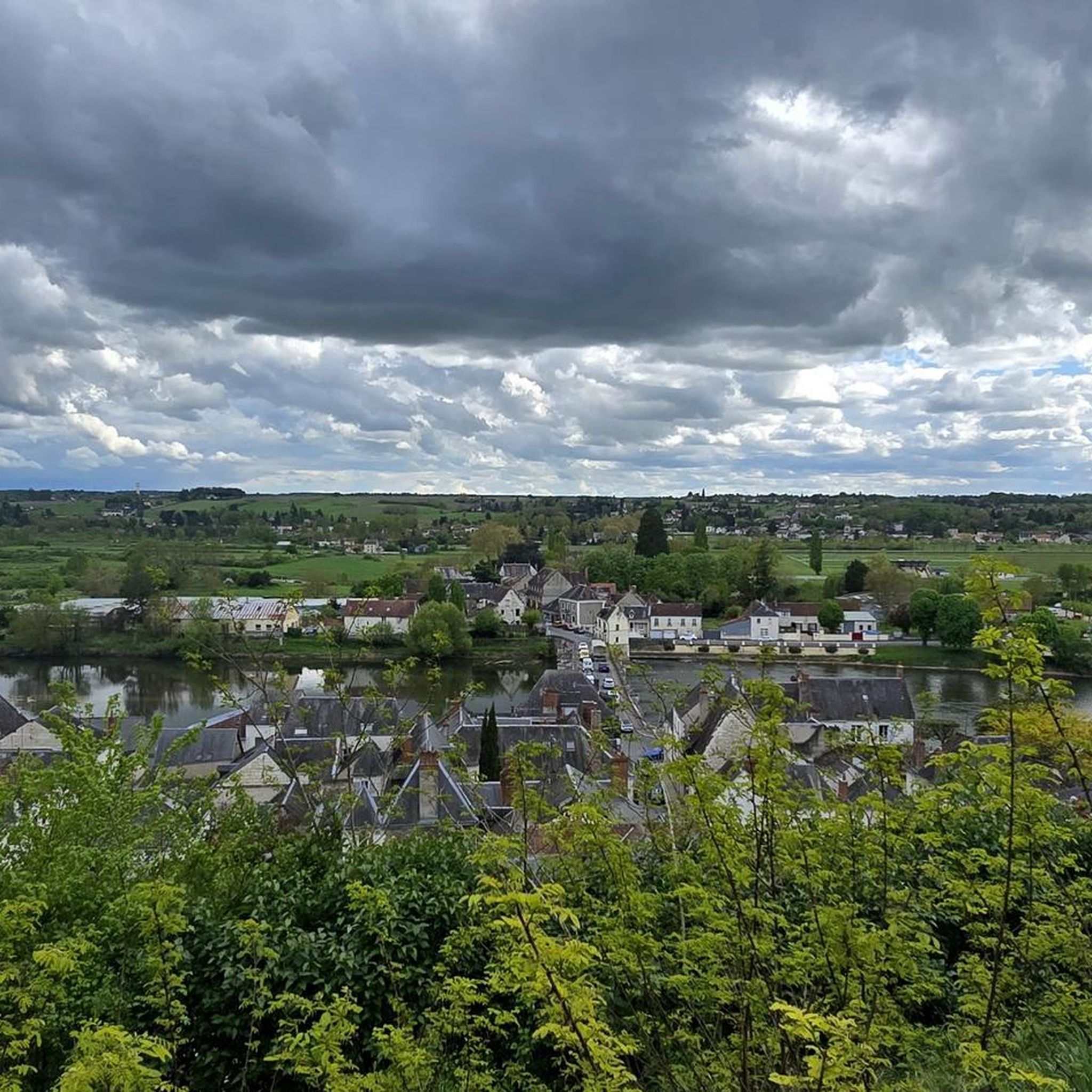
Pretty little village with the added bonus of Château de Chissay, a former fortified castle which was built under Charles VII for the treasurer of France. Today a Hotel / Restaurant.
0
0

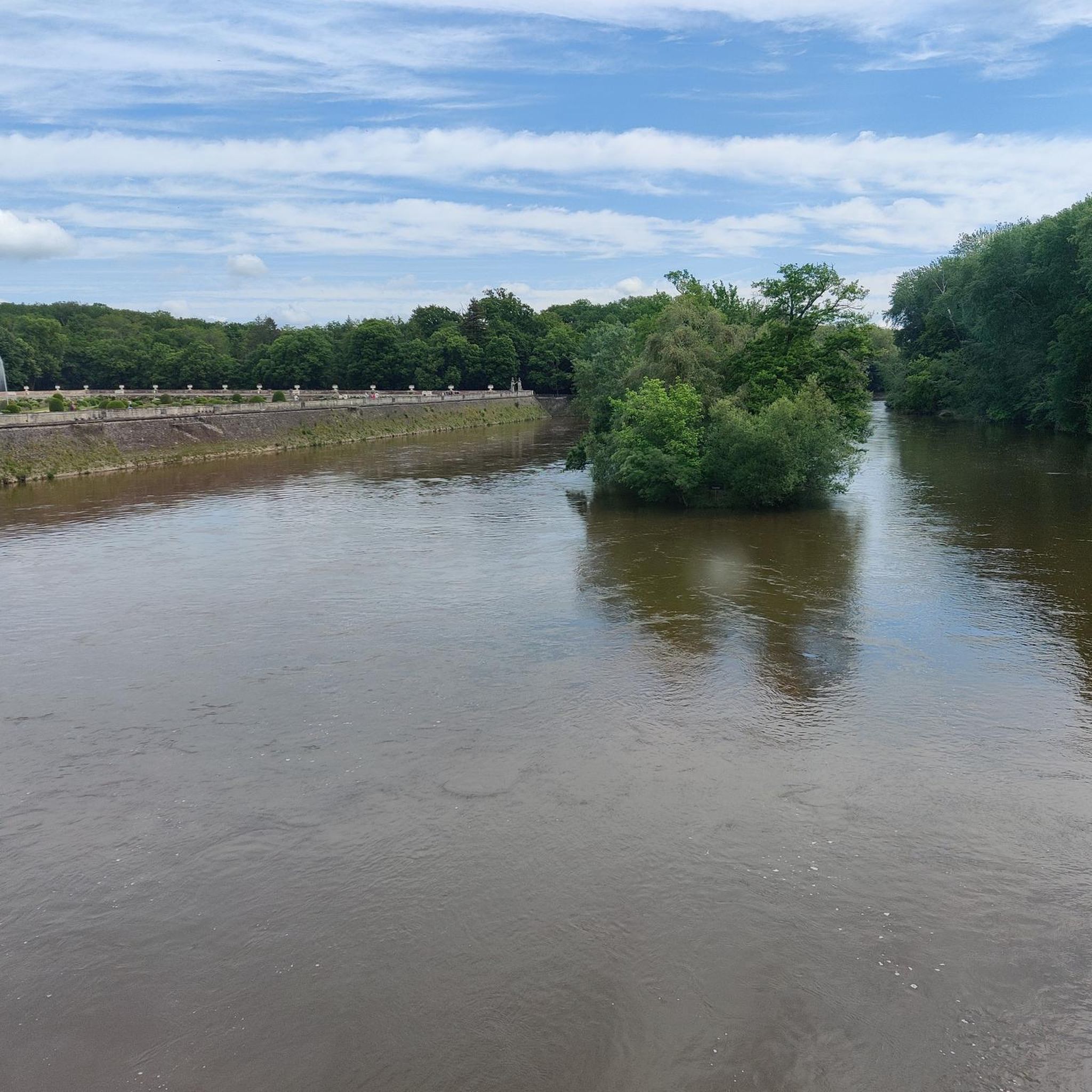
Beautiful path along the Cher with lots of shade in the heat
3
0
Beautiful château located on the Cher 👍 Great view from the south side
3
0

Loire-Disneyland and still nice
3
0
Frequently Asked Questions
What makes the castles around Faverolles-sur-Cher unique?
The castles in this region offer a diverse blend of history and architecture. You'll find everything from medieval fortresses like Montrichard Fortress to Renaissance residences such as Château de Chenonceau, often set amidst scenic vineyards and along the Cher River. Many have rich histories, shaped by influential figures and significant events.
Are there family-friendly castles to visit near Faverolles-sur-Cher?
Yes, several castles in the area are great for families. Château de Chenonceau is highly recommended for its beautiful gardens and engaging history. Château de Chissay also offers a welcoming experience for all ages, allowing visitors to explore its park and courtyard.
What outdoor activities can I do near these castles?
The region around Faverolles-sur-Cher is excellent for outdoor activities. You can enjoy running, gravel biking, and road cycling. For example, there are moderate running loops near Montrichard and longer, more challenging routes around Chenonceau Castle. Gravel biking routes, such as the one from Chissay-en-Touraine to Château de Chenonceau, offer scenic rides. You can find more details on these activities in the Running Trails, Gravel Biking, and Road Cycling Routes guides for the area.
Can I visit castles directly within Faverolles-sur-Cher?
While Faverolles-sur-Cher has charming local châteaux like Château d'Aiguevives and Château de la Miltière, these are private properties and not open to the public. However, the village serves as an ideal base for day trips to many renowned Loire Valley castles nearby.
Which castles offer unique architectural features or gardens?
Château de Chenonceau, known as the 'Château des Dames,' is famous for its two-story gallery spanning the River Cher and its elaborate gardens designed by Diane de Poitiers and Catherine de' Medici. Gué-Péan Castle features a distinctive 'double-decker tower' and a wooded valley.
What is the best time of year to visit the castles in this region?
The Loire Valley castles are beautiful year-round, but spring and autumn offer pleasant weather for exploring both the interiors and the extensive gardens. Summer can be busy but often features special events and longer opening hours. Winter visits can be quieter, though some gardens or specific areas might have reduced access.
Are there any lesser-known or 'hidden gem' castles worth visiting?
For a more personal experience, consider Gué-Péan Castle, a 16th-century Renaissance château offering a journey through 2000 years of history with audiovisual presentations. Château de Montpoupon, though not listed in the highlights, provides a unique glimpse into aristocratic life with its fully furnished rooms and extensive hunting museum.
What historical periods do the castles in this region represent?
The castles around Faverolles-sur-Cher span various historical periods. You can explore medieval strongholds like Montrichard Fortress, dating back to the 11th century, and magnificent Renaissance residences such as Château de Chenonceau and Château Royal d'Amboise, which showcase 15th and 16th-century architecture.
What do visitors particularly enjoy about the castles in this area?
Visitors frequently praise the stunning architecture and rich history. Many are impressed by the elaborate gardens, such as those at Château de Chenonceau, and the unique settings, like Chenonceau's bridge over the Cher River. The detailed interiors and the opportunity to walk in the footsteps of historical figures are also highly valued.
Can I combine a castle visit with a cycling tour?
Absolutely! The region is very popular for cycling. You can find numerous gravel and road cycling routes that pass by or lead to various castles. For instance, there are gravel biking loops around Château de Chenonceau and road cycling routes that include Château de Chissay. Check the Gravel Biking and Road Cycling Routes guides for detailed itineraries.
Are there options for dining or accommodation near the castles?
Yes, many of the villages surrounding the major castles offer a variety of dining and accommodation options. Some castles, like Château de Chissay, even operate as hotels with restaurants, allowing you to stay directly within a historic setting. You'll find cafes and pubs in towns like Montrichard, which is close to several châteaux.
How can I get to the castles from Faverolles-sur-Cher?
While public transport options might be limited for direct routes to every castle, driving is generally the most flexible way to explore the region. Many castles offer ample parking. For specific public transport information to major sites like Château de Chenonceau or Château Royal d'Amboise, it's best to check local transport schedules or consider taxi services from nearby towns.
Most popular routes around Faverolles-Sur-Cher
Most popular attractions around Faverolles-Sur-Cher

Get inspired with the komoot mobile app


Explore more
Looking for the best castles somewhere else? Discover other guides around Faverolles-Sur-Cher:
