The best road cycling routes around Pozières
4.7
(22)
554
riders
149
rides
Road cycling routes around Pozières traverse a landscape characterized by gently rolling terrain and open agricultural fields. The region features numerous historical sites and memorials, providing points of interest along the routes. Road cyclists can expect a mix of quiet country roads and sections alongside canals, with minimal significant elevation changes. The area offers varied routes suitable for different fitness levels.
Best road cycling routes around Pozières
- The most popular road cycling route is Mémorial Crucifix Corner – Somme Trench…
Last updated: July 2, 2026
4.3
(3)
36
riders
98.5km
04:06
540m
540m
Moderate road ride. Good fitness required. Some segments of this route may be unpaved and difficult to ride.
4.0
(1)
22
riders
143km
06:52
1,110m
1,110m
Hard road ride. Very good fitness required. Mostly well-paved surfaces and easy to ride.

Sign up for free
5.0
(3)
13
riders
43.0km
02:00
270m
270m
Easy road ride. Great for any fitness level. Mostly well-paved surfaces and easy to ride.
15
riders
48.6km
02:44
540m
540m
Moderate road ride. Good fitness required. Some segments of this route may be unpaved and difficult to ride.
13
riders
30.3km
01:30
150m
150m
Easy road ride. Great for any fitness level. Mostly well-paved surfaces and easy to ride.
Get access to more routes and recommendations from other explorers.
Sign up for free
Already have an account?
Our route recommendations are based on thousands of hikes, rides, and runs completed by other people on komoot.
Start today with a free account
Your next adventure awaits.
Login or Signup

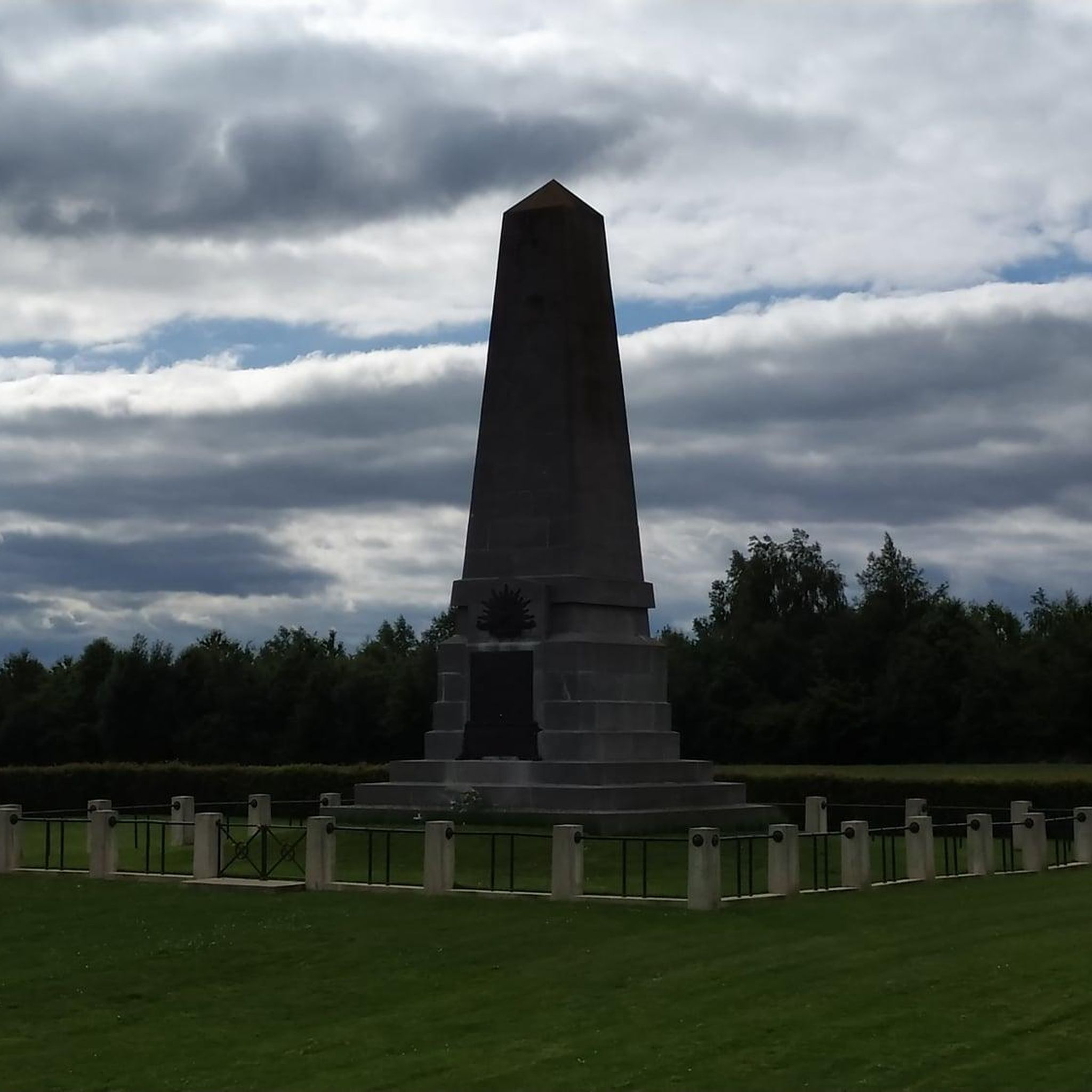

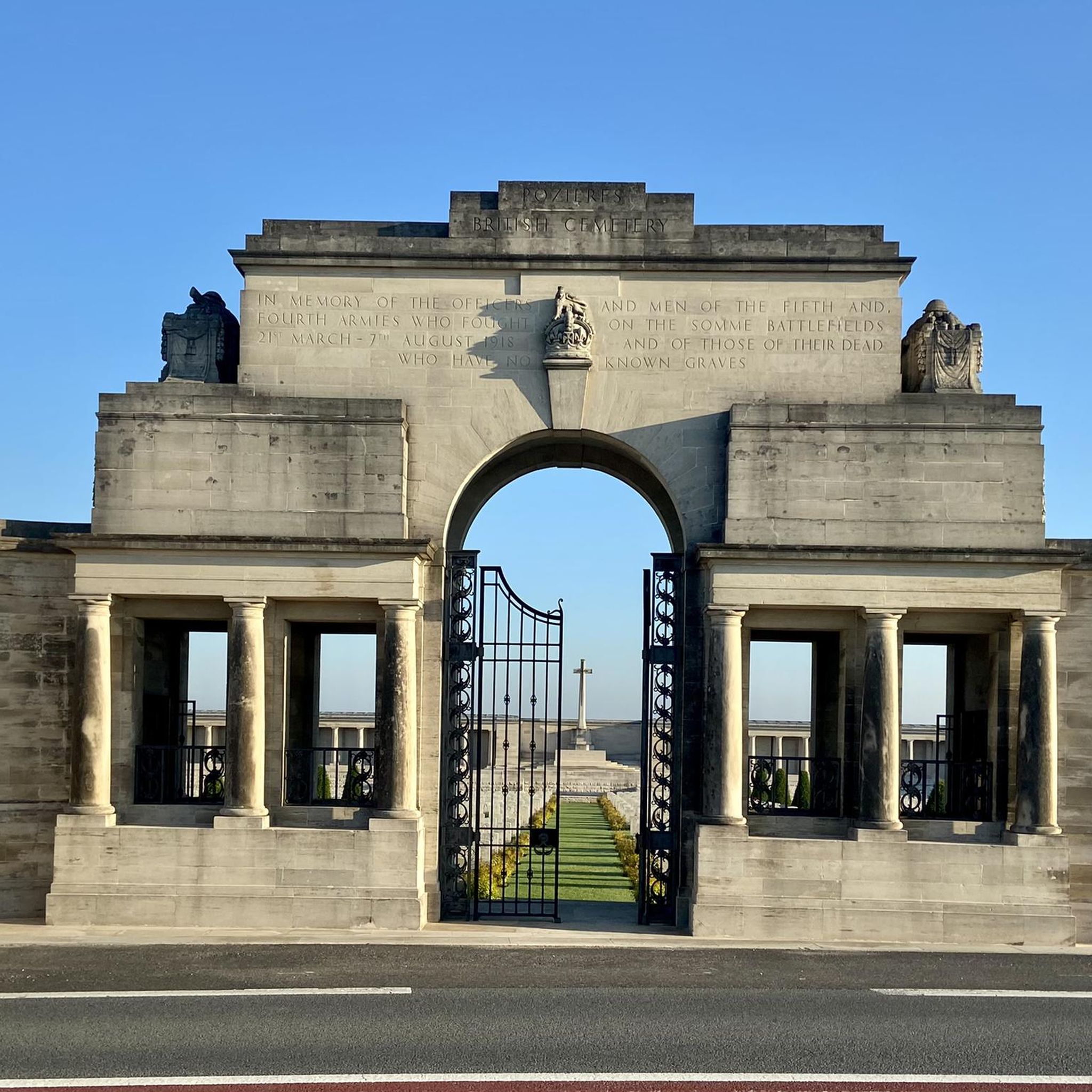

Tips from the Community

The Tour d'Ulster, also known as the Helen Tower or Tour de Belfast, is a British war memorial. It was built in 1921 to commemorate the soldiers of the 36th Ulster Division who died during the Battle of the Somme in World War I. The tower is a replica of a neo-Gothic tower in Clandeboye Park, near Belfast, where the 36th Division trained. An interesting anecdote is that the 36th Ulster Division was the first to attack during the Battle of the Somme on 1 July 1916, but suffered heavy losses from both German and British artillery fire. The division lost over 5,500 men in just a few hours. The Tour d'Ulster has a cafeteria where you can enjoy a cup of tea, scones or Tayto chips, a specialty from Northern Ireland. It is a nice place to relax.
6
0

Small chapel accessible from Saulty, leads to the national
0
0
Tour d'Ulster has a cafeteria where you can enjoy a cup of tea, scones or Tayto chips, a specialty from Northern Ireland. It is a nice place to relax for a while.
1
0
The Tour d'Ulster, also known as the Helen Tower or Tour de Belfast, is a British war memorial. It was built in 1921 to commemorate the soldiers of the 36th Ulster Division who died during the Battle of the Somme in World War I. The tower is a replica of a neo-Gothic tower in Clandeboye Park, near Belfast, where the 36th Division trained. An interesting anecdote is that the 36th Ulster Division was the first to attack during the Battle of the Somme on 1 July 1916, but suffered heavy casualties from both German and British artillery fire. The division lost over 5,500 men in just a few hours.
1
0

The largest Newfoundland memorial in Europe. 30 hectare site with preserved trenches
1
0


Well worth a stop here. Good coffee stop and the chance to visit a WWI dressing station.
0
0

The documentation at this location allows a precise picture of the events: the traces of the trenches, the craters and the course of the battle up to the German position.
1
1
Frequently Asked Questions
How many road cycling routes are available around Pozières?
There are over 150 road cycling routes available around Pozières, catering to various skill levels. You'll find a diverse network of paths, from easy loops to more challenging rides, all traversing the region's unique historical landscape and open fields.
What are the typical difficulty levels for road cycling in Pozières?
The routes around Pozières primarily feature gently rolling terrain, making them accessible for many. You'll find a good mix of options: approximately 37 easy routes, 114 moderate routes, and a few more challenging rides for advanced cyclists.
Are there beginner-friendly road cycling routes in Pozières?
Yes, Pozières offers several beginner-friendly road cycling routes. These typically feature minimal elevation changes and well-maintained surfaces. An excellent option for those starting out is the La Boisselle Mine Crater – Lochnagar Crater loop from Ovillers-la-Boisselle, which is a moderate 31.6 km ride with manageable elevation.
What kind of scenery can I expect on road cycling routes in Pozières?
Road cycling in Pozières offers a unique blend of open agricultural fields, quiet country roads, and historical sites. Many routes pass by significant memorials and museums, providing a poignant backdrop to your ride. You can also expect sections alongside canals, offering flat terrain and waterside views.
Are there any scenic viewpoints or historical landmarks along the routes?
Absolutely. The region is rich in history and offers several significant landmarks. You can cycle past sites like the Lochnagar Crater, the Thiepval Memorial, or the Newfoundland Memorial. These historical points of interest are often integrated into the routes, offering opportunities to pause and reflect.
What do other road cyclists say about the routes in Pozières?
The road cycling routes in Pozières are highly regarded by the komoot community, with an average rating of 4.6 stars from over 30 reviews. Cyclists often praise the well-maintained roads, the historical significance of the area, and the peaceful, open countryside that makes for enjoyable rides.
Are there any longer or more advanced road cycling routes for experienced riders?
While the terrain is generally gently rolling, experienced riders can find longer routes that offer a good workout. For example, the Somme Trench Museum – Lochnagar Crater loop from Carnoy-Mametz is a moderate 41.8 km route with over 330 meters of elevation gain, providing a more extended challenge.
Are there circular road cycling routes available in Pozières?
Yes, many of the road cycling routes around Pozières are designed as circular loops, allowing you to start and finish at the same point. This makes planning your ride and logistics, such as parking, much more convenient. You'll find loops of varying distances and difficulties.
What is the best time of year for road cycling in Pozières?
The spring and autumn months generally offer the most pleasant conditions for road cycling in Pozières, with mild temperatures and less chance of extreme weather. Summer can also be enjoyable, though it's wise to start earlier in the day to avoid the midday heat, especially on exposed routes through open fields.
Is public transport available to access road cycling routes in Pozières?
Access to specific route starting points via public transport can be limited in this rural region. While some larger towns nearby may have train or bus connections, reaching the exact trailheads often requires a car. It's advisable to check local transport schedules and options if you plan to rely on public transport.
Where can I find parking for road cycling routes in Pozières?
Parking is generally available in the villages and near the main historical sites that serve as common starting points for many routes. Look for designated parking areas near memorials or in village centers. As many routes are loops, you can often park your car and return to the same spot.
Are there less crowded road cycling routes in Pozières?
Given the region's agricultural nature and the focus on historical sites, many of the country roads are relatively quiet, especially outside of peak tourist season. To find less crowded routes, consider exploring some of the moderate-difficulty loops that venture further into the open countryside, away from the most popular memorials.
Most popular attractions around Pozières

Get inspired with the komoot mobile app


Explore more
Browse the best Road cycling routes in other regions.
