Attractions and Places To See around Saint-Valbert - Top 18
Best attractions and places to see around Saint-Valbert include a blend of historical, cultural, and natural sites in the Haute-Saône department of Burgundy-Franche-Comté, France. The area is known for its connection to Saint Valbert, a 7th-century abbot, and features significant landmarks. Visitors can explore various points of interest, from historical buildings to natural landscapes. The region offers diverse attractions for those interested in local heritage and outdoor exploration.
Best attractions and places to see around Saint-Valbert
- The most popular attractions…
Last updated: July 2, 2026
Saint Columban Abbey
Highlight • Other
Translated by Google •
Tip by

Luxeuil-les-Bains Thermal Baths
Highlight • Other
More than a dozen warm …
Translated by Google •
Tip by
Sign up now to discover places like this
Get recommendations on the best single tracks, peaks, & plenty of other exciting outdoor places.
Sign up for free
Path near Les Mousses
Highlight (Segment) • Trail
Road in good condition with little traffic.
Wooded and pleasant setting.
Translated by Google •
Tip by

Basilica of Saint Pierre
Highlight • Other
Translated by Google •
Tip by
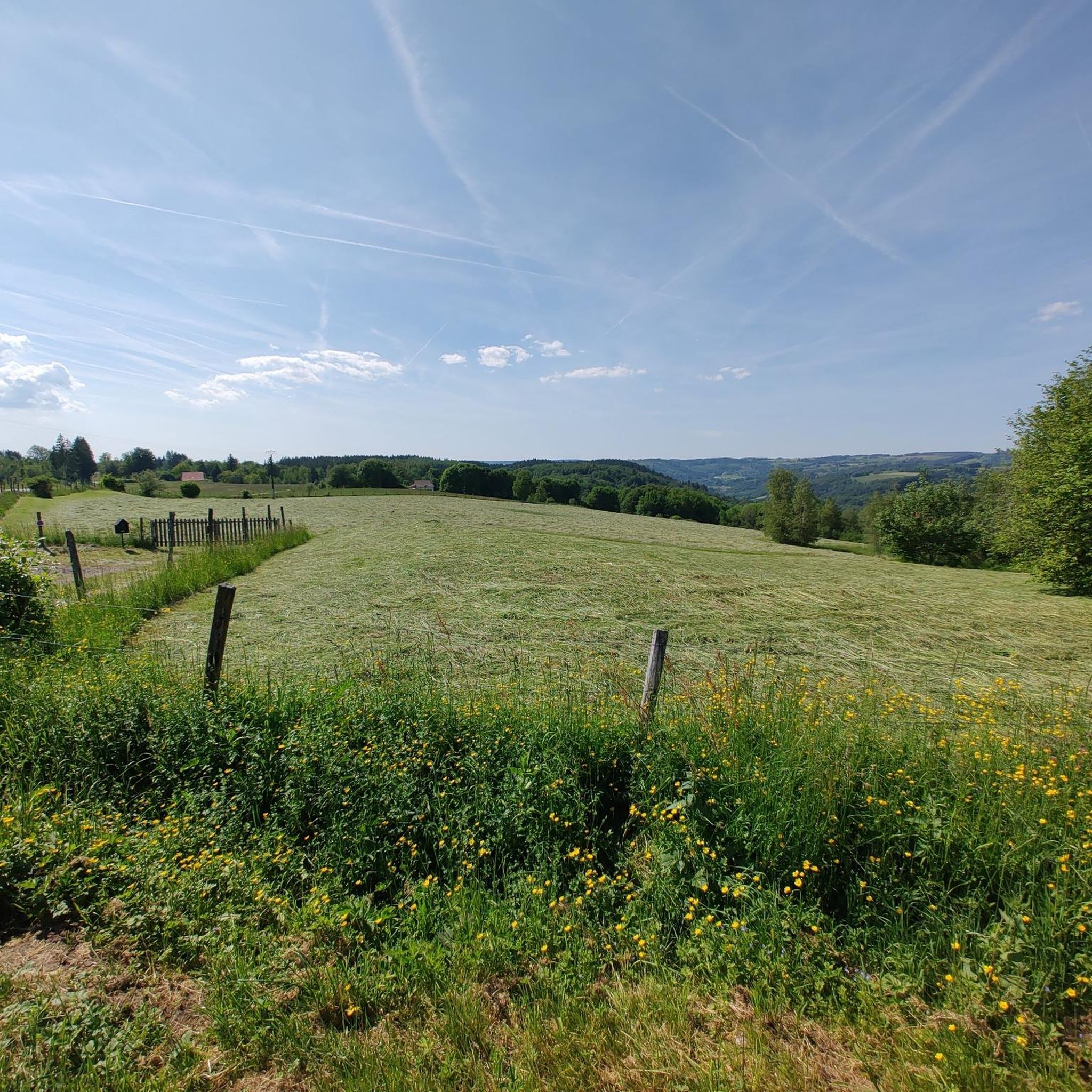
View of Blanzey
Highlight • Viewpoint
Translated by Google •
Tip by

Sign up for free to discover even more attractions around Saint-Valbert.
Sign up for free
Already have an account?
Start today with a free account
Your next adventure awaits.
Login or Signup



Tips from the Community

The Abbey of Saint-Colomban was looted and destroyed in the 8th century, then rebuilt in the 11th century. Secularized during the French Revolution, it was transformed into a minor seminary, then a Catholic college. When the diocese was no longer able to bear the maintenance costs of this immense complex, it was sold in 2024 by the diocese of Besançon to Pascale and Jean-Yves Parisot. Since then, the abbey has been undergoing a complete renovation for over ten million euros.
1
0
It is here that the Romans built the first thermal establishments. The small town therefore prides itself on being the oldest spa town in France. The current thermal establishment only saw the light of day in the 18th century; it was built from red sandstone from the Vosges. Its architect was Nicolas Didelot, a student of Claude-Nicolas Ledoux, the creator of the Saline Royale d'Arc-et-Senans.
1
0

A very impressive monastery complex.
3
6

The organ, originally dating from 1617, is worth seeing. The body is carved from wood.
2
0
The thermal baths are definitely worth a visit. Beautiful grounds all around.
2
0

The Basilica of Saint Pierre (a parish church since 1840) dates back to the 13th and 14th centuries; of its three towers, only one remains, having been rebuilt in 1527. Inside the church, the baroque organ front from the 17th century, the pulpit from Notre-Dame in Paris from 1806, a 16th-century sculpture of Christ lying on a stone table, and the neo-Gothic reliquary of St. Columban are particularly worth seeing. The choir stalls date from the 16th century.
7
0
The modern extension at the back is now a bit old and does not contribute to the beautification of the historic part of the building. More than a dozen warm springs (43-63 °C) already invited the Romans to bathe. The oldest thermal bath in France was built here in the 18th century. The historic thermal building, which has now been modernly furnished, is located in a park in the north of the city. (Wikipedia)
7
0
St. Columban of Luxeuil (died 615) founded the Luxovium monastery (patron saint: St. Peter) at the foot of the Vosges Mountains around 590. Columban soon received the requested protection of the Merovingian royal family and the local nobility for his foundation. In 610, however, Columban was expelled by Theuderic, King of Austria and Burgundy, and fled to Italy. After the monastery was destroyed by the Saracens and many of its monks were murdered around 732, it was restored as a Benedictine monastery by Charlemagne. The Benedictine monastery of Luxeuil joined the Congregation of Saint-Vannes in 1634, and the monastery was closed in 1790 as a result of the French Revolution. (Wikipedia)
7
0
Frequently Asked Questions
What historical and religious sites can I visit in Saint-Valbert?
Saint-Valbert is rich in history. You can explore the Hermitage of Saint-Valbert, centered around the grotto where Saint Valbert lived, which also features a campanile, an oratory, and terraced gardens. The hermitage now houses a small museum of sacred art. Additionally, visit the Saint-Valbert Church, rebuilt in the 19th century, which contains ancient statues and one of the oldest bells in Haute-Saône. Don't miss the 16th-century Calvary and the interesting 19th-century Octagonal Wash House near the church.
Are there any natural attractions or viewpoints in the area?
Yes, the region offers several natural highlights. The Hermitage itself includes a significant grotto and fountain, historically known for its pure water. You can also find the 'Lit de Saint Valbert,' a hollowed-out stone with historical significance. For scenic views, head to View of Blanzey, a family-friendly viewpoint offering panoramas of Blanzey, the orchards of Fougerolles, and the Vosges mountains. Another popular spot is Path near Les Mousses, a well-paved side road with moderate gradients through a wooded environment, offering a pleasant climb towards the Vosges ridge.
What kind of outdoor activities can I do near Saint-Valbert?
The area around Saint-Valbert is excellent for outdoor enthusiasts. You can enjoy various activities like hiking, running, and road cycling. For hiking, explore routes such as the 'Fontaine du Tonneau – Bishop's fountain loop from Saint-Valbert' or the 'Parc Animalier du Banney – Chemin des Moines loop from Luxeuil-les-Bains'. Find more hiking options on the Hiking around Saint-Valbert guide. Cyclists can tackle routes like the 'Loop of the Waters starting from Luxeuil-les-Bains' or more challenging rides towards 'La Planche des Belles Filles'. Discover more road cycling routes on the Road Cycling Routes around Saint-Valbert guide.
Are there family-friendly attractions in Saint-Valbert?
Absolutely! Families will enjoy the Animal Park (Parc Animalier) located next to the Hermitage of Saint-Valbert. It features animals from the Comtoise forests, particularly cervids, in their natural habitat, with a 5 km pedestrian path for a pleasant walk. The View of Blanzey is also considered family-friendly, offering beautiful scenery.
What are some notable attractions in nearby towns?
Just 4 km away, Luxeuil-les-Bains offers additional attractions. You can visit Saint Columban Abbey, a significant historical monastery with a rich past, including an impressive 1617 organ. Luxeuil-les-Bains is also home to the Luxeuil-les-Bains Thermal Baths, the oldest thermal bath in France, set in a beautiful park. Further afield, about 24 km away, is the renowned Ronchamp Chapel, a masterpiece by architect Le Corbusier.
Can I find places for running near Saint-Valbert?
Yes, there are several running trails available. You can find routes like the 'Running loop from Luxeuil-les-Bains' or 'The Cherry Ecomuseum – Saint-Étienne Church loop from Fougerolles'. For more options, check out the Running Trails around Saint-Valbert guide, which lists various routes with different difficulty grades.
What is the Saint-Étienne Church known for?
The Saint-Étienne Church is a beautiful religious building listed as a Historic Monument. It is particularly known for its magnificent organ inside, which visitors might have the chance to hear during their visit. It's a significant historical and cultural site in the region.
What is the 'Lit de Saint Valbert'?
The 'Lit de Saint Valbert' (Saint Valbert's Bed) is a hollowed-out stone found in a small annex under the church porch. While traditionally associated with Saint Valbert, recent hypotheses suggest it might be an unfinished sarcophagus. It's a curious historical artifact worth seeing.
Is there an animal park in Saint-Valbert?
Yes, there is an Animal Park (Parc Animalier) situated right next to the Hermitage of Saint-Valbert. This park is dedicated to showcasing animals native to the Comtoise forests, especially cervids, in their natural environment. A 5 km pedestrian path allows visitors to enjoy a pleasant walk around the park.
What do visitors particularly enjoy about the attractions around Saint-Valbert?
Visitors appreciate the blend of historical, cultural, and natural sites. The well-maintained trails like Path near Les Mousses are enjoyed for their pleasant, wooded settings and moderate climbs. The View of Blanzey is popular for its expansive vistas. Historical sites like Saint-Étienne Church and Saint Columban Abbey are valued for their architectural beauty and rich heritage. The community has shared over 20 photos and given more than 10 upvotes to these attractions, indicating a high level of satisfaction.
What is the significance of the Hermitage of Saint-Valbert?
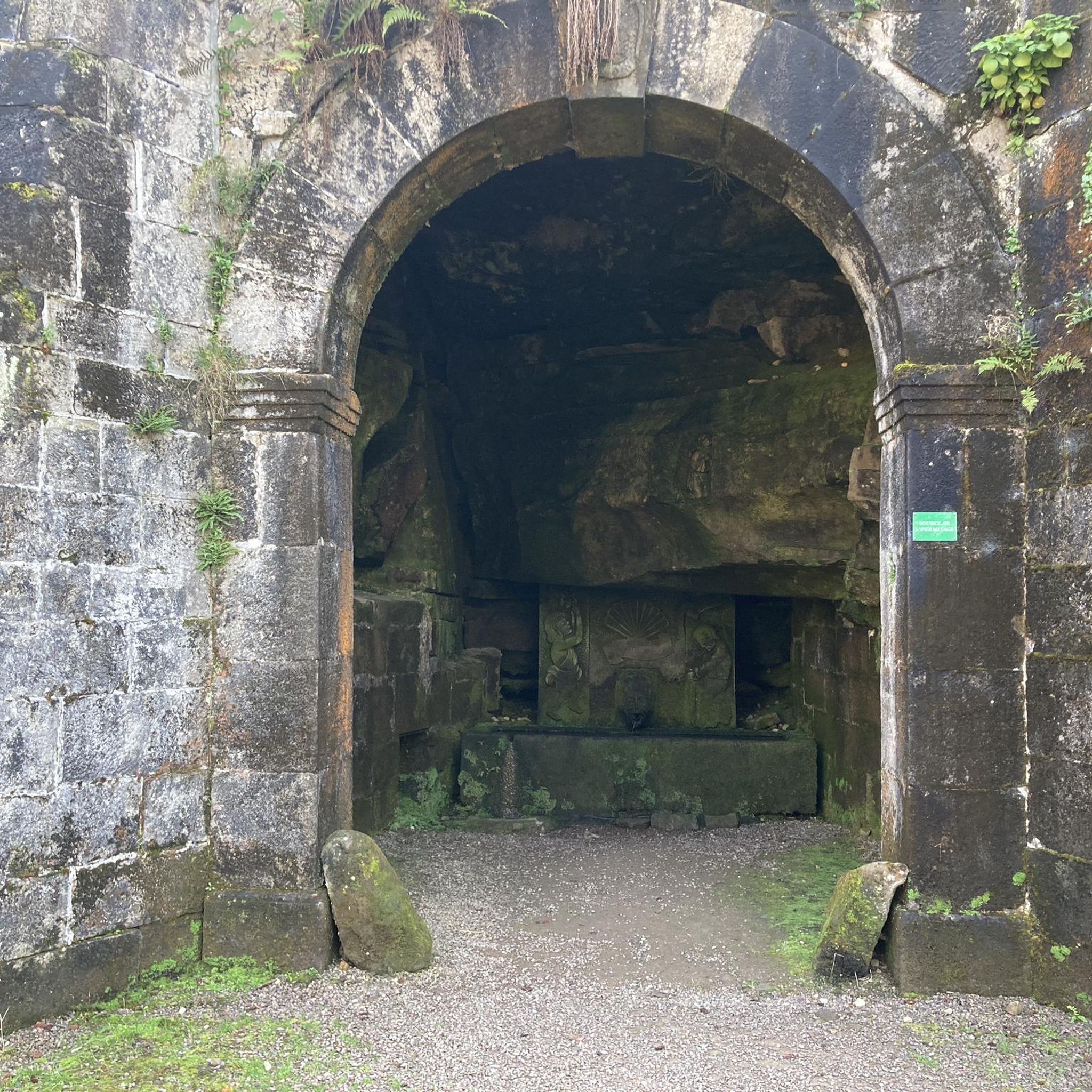
The Hermitage of Saint-Valbert is a highly significant historical site. It marks the grotto where Saint Valbert, a 7th-century abbot of Luxeuil, is believed to have lived as a hermit. Both the grotto and its accompanying fountain are listed as historical monuments and are freely accessible. The complex also includes a 1563 campanile, a 1570 oratory, and terraced gardens, offering a deep dive into local religious history.
Most popular routes around Saint-Valbert

Get inspired with the komoot mobile app


Explore more
Still not found the Highlight you’re looking for? See guides of the top attractions in other regions:
