Attractions and Places To See around Bessé - Top 4
Attractions and places to see around Bessé include ancient megalithic structures and historical gardens. This region offers insights into prehistoric life and medieval monastic traditions. Visitors can explore significant archaeological sites and cultivated green spaces.
Best attractions and places to see around Bessé
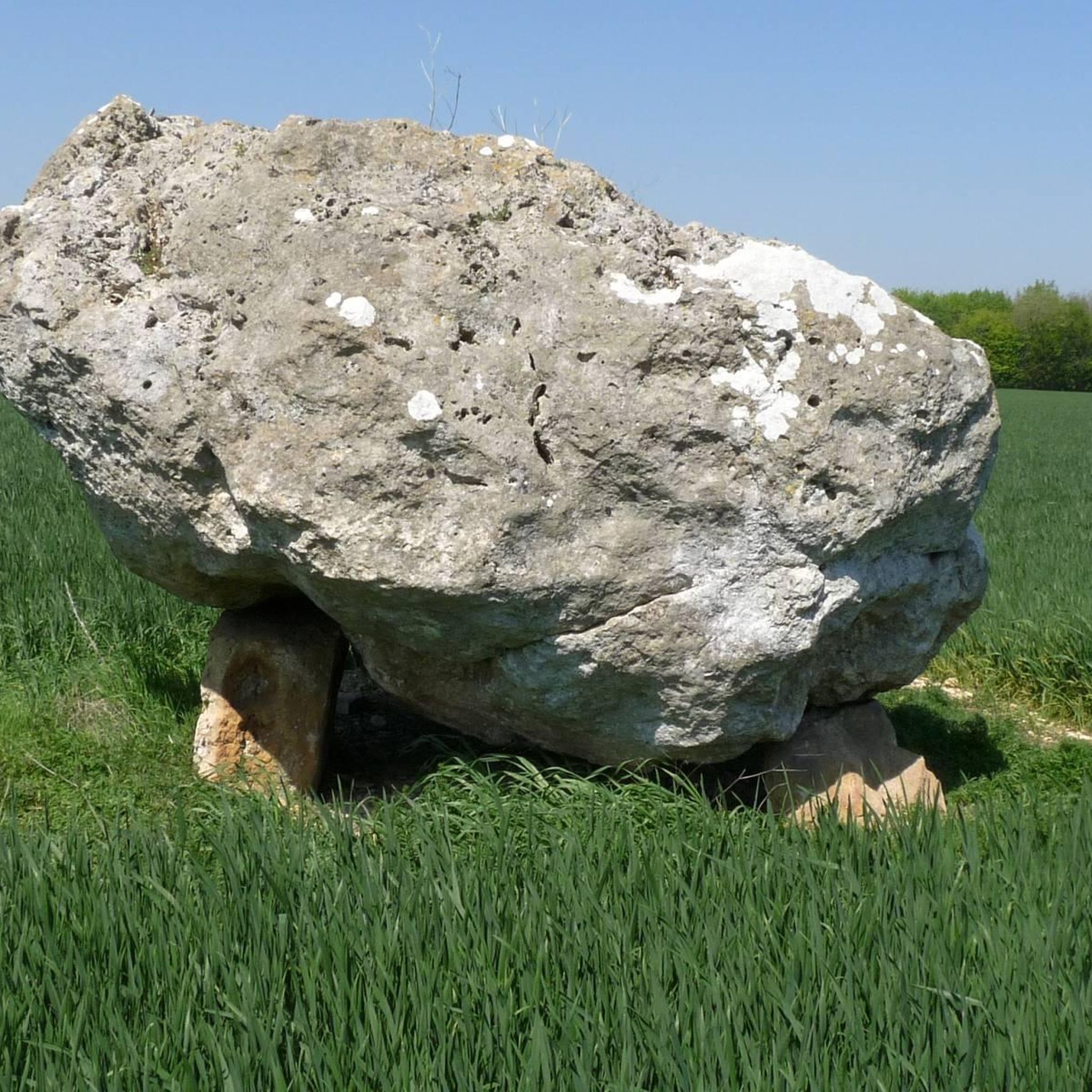
- The most popular attractions is Dolmens of Grosse Pérotte and Petite Pérotte in Fontenille, a man-made monument dating from the Neolithic period. Its large stone table weighs about 40 tonnes and was part of a tumulus. …
Last updated: July 1, 2026
Tusson
Highlight • Other
Translated by Google •
Tip by

Dolmens of Grosse Pérotte and Petite Pérotte in Fontenille
Highlight • Monument
Its …
Translated by Google •
Tip by

Sign up now to discover places like this
Get recommendations on the best single tracks, peaks, & plenty of other exciting outdoor places.
Sign up for free
Medieval Monastic Garden
Highlight • Other
Translated by Google •
Tip by

White Stone Dolmen
Highlight • Other
It is located in the axis of the four tumulus of Tusson. However, the dolmen is no longer topped by its tumulus.
Translated by Google •
Tip by
Start today with a free account
Your next adventure awaits.
Login or Signup




Tips from the Community

The town of Tusson is rich in a unique historical heritage. The four tumulus of Tusson date from the fifth century BC and have the particularity of being aligned. These prehistoric monuments made up of one or more blocks of stone and earth were then raised above certain graves. Those of Tusson are among the largest in Europe. The priory and its monastic garden are also worth a look and take you back in time. In addition, gourmets can sit at one of the restaurants or tea rooms in the town to enhance their break.
1
0
The White Stone dolmen was erected between 4,500 and 4,000 BC, approximately 6,000 years ago. It is located in the axis of the four tumulus of Tusson. However, the dolmen is no longer topped by its tumulus.
0
0

The medieval gardens of the Abbey of St. Gall have been recreated there. Using ancient documents to trace and plant with precision, it consists of four separate gardens within the walled garden: an herb garden, a scent garden, a vegetable patch and an orchard.
2
0

The dolmen of Petite Pérotte and its neighbor of Grosse Pérotte belonged to a vast group of funerary monuments dating from the Neolithic period (4500 to 4000 years BC) Its table, that is to say the enormous stone resting on vertical pillars, weighs about 40 tonnes and comes from a cliff on the banks of the Charente 4 or 5 km away ... In the Neolithic period, the dolmen was not visible: it is covered with a stone and earth construction called a tumulus. A covered corridor allows entry into the burial chamber. The excavations and then the restorations carried out in 2012 and 2013 made it possible to materialize on the ground the influence of this circular tumulus, the corridor and a secondary chamber under a stone table now resting directly on the ground.
1
0
Frequently Asked Questions
What kind of historical attractions can I explore around Bessé?
Bessé is rich in ancient history, particularly prehistoric monuments. You can visit the Dolmens of Grosse Pérotte and Petite Pérotte in Fontenille, impressive Neolithic structures with a 40-tonne capstone. The historic town of Tusson also features four ancient tumulus dating from the fifth century BC, among the largest in Europe, and a priory with a monastic garden. Don't miss the White Stone Dolmen, another significant Neolithic monument.
Are there any unique gardens to visit in the Bessé area?
Yes, the Medieval Monastic Garden is a must-see. It's a historical garden recreated based on ancient documents, featuring four distinct areas within a walled space: an herb garden, a scent garden, a vegetable patch, and an orchard. You can also find a monastic garden at the priory in Tusson.
What outdoor activities are available near Bessé's attractions?
The area around Bessé offers various outdoor activities. You can find numerous running trails, such as the 'Running loop from Saint-Groux' or 'Running loop from Courcôme'. For cycling enthusiasts, there are routes like the 'Mansle – Saint-Amant-de-Boixe Abbey loop' or the 'Medieval Monastic Garden – Tusson loop'. Hiking is also popular, with trails like the 'Priory Trail' and the 'Dolmen "Old Woman's House" – Dolmen des Perottes loop'. You can find more details on these activities in the dedicated guides for running, cycling, and hiking around Bessé.
Are there family-friendly attractions around Bessé?
Yes, the prehistoric sites like the Dolmens of Grosse Pérotte and Petite Pérotte in Fontenille are considered family-friendly. Exploring these ancient monuments can be an educational and engaging experience for all ages, offering a glimpse into Neolithic history.
What makes the town of Tusson a significant place to visit?
Tusson is a historic town renowned for its unique heritage. It features four tumulus dating from the fifth century BC, which are among the largest in Europe. The town also boasts a priory with a beautiful monastic garden, offering a journey back in time. Additionally, you can find restaurants and tea rooms to enjoy a break.
What is the historical significance of the dolmens near Bessé?
The dolmens, such as the Dolmens of Grosse Pérotte and Petite Pérotte in Fontenille and the White Stone Dolmen, are significant Neolithic funerary monuments. They were erected between 4,500 and 4,000 BC and originally covered by tumulus (mounds of stone and earth). These sites provide valuable insights into the burial practices and engineering capabilities of prehistoric communities in the region.
Can I find places to eat or relax near the attractions?
Yes, particularly in the historic town of Tusson, you can find restaurants and tea rooms where you can sit and enhance your visit with a meal or a refreshing drink.
Are there any easy walking trails around Bessé's attractions?
Yes, there are several easy hiking trails. For instance, the 'Dolmen "Old Woman's House" – Dolmen des Perottes loop from Juillé' is an easy 7.5 km hike. The 'Le Bois Moutard loop from Ambérac' is an easy 4.6 km route, and the 'Tusson loop from Tusson' is an easy 5.5 km walk. These trails allow you to explore the natural beauty and historical sites at a relaxed pace. More options are available in the hiking guide.
What do visitors enjoy most about the attractions around Bessé?
Visitors particularly appreciate the rich historical heritage, especially the impressive prehistoric monuments like the dolmens and tumulus. The unique charm of the historic town of Tusson and the tranquil beauty of the Medieval Monastic Garden are also highly valued. The opportunity to step back in time and explore ancient sites is a major draw.
How far are the Dolmens of Grosse Pérotte and Petite Pérotte from other attractions?
The Dolmens of Grosse Pérotte and Petite Pérotte in Fontenille are located in the same general area as other significant sites. The White Stone Dolmen is aligned with the four tumulus of Tusson, suggesting a close proximity between these prehistoric sites. The Medieval Monastic Garden is also part of the historical landscape, making it convenient to visit multiple attractions in one trip.
Can I learn about the history of the region's prehistoric monuments?
Absolutely. The dolmens and tumulus around Bessé offer a direct connection to the Neolithic period, dating back 4,500 to 4,000 years BC. These structures were used as burial chambers and provide archaeological evidence of early human settlements and their cultural practices. Interpretive information is often available on-site to explain their significance and construction.

Get inspired with the komoot mobile app


Explore more
Still not found the Highlight you’re looking for? See guides of the top attractions in other regions:
