Attractions and Places To See around Saint-Sornin - Top 19
Best attractions and places to see around Saint-Sornin are primarily located in the Charente department of France, a region characterized by its historical sites and natural landscapes. This area offers a blend of ancient architecture, including castles and churches, alongside opportunities to explore rural heritage. With 19 hidden gems waiting to be discovered, Saint-Sornin provides diverse points of interest for visitors.
Best attractions and places to see around Saint-Sornin
- The most popular attraction is Old station portico, a man-made…
Last updated: July 7, 2026
La Rochefoucauld Castle Bridge
Highlight • Castle
Translated by Google •
Tip by

La Rochefoucauld Castle
Highlight • Castle
Translated by Google •
Tip by

Sign up now to discover places like this
Get recommendations on the best single tracks, peaks, & plenty of other exciting outdoor places.
Sign up for free
Saint Paul's Church in Chazelles
Highlight • Other
Translated by Google •
Tip by
Montbron Castle
Highlight • Castle
Built under the authority …
Translated by Google •
Tip by
Old station portico
Highlight • Monument
You have the possibility to park right next to it.
Translated by Google •
Tip by

Sign up for free to discover even more attractions around Saint-Sornin.
Sign up for free
Already have an account?
Start today with a free account
Your next adventure awaits.
Login or Signup



Tips from the Community


15th century stone bridge known as that of the Château de la Rochefoucauld. From the building, there is a superb view of the imposing castle and the waters of the Tardoire. It has been listed as a Historic Monument since 1935. The castle, renowned for being one of the most beautiful and oldest in Charente, can be visited all year round. It is the only castle in France that has been inhabited by the same family for more than 1,000 years. Do not miss !
2
0

In the heart of Charente, the Château de la Rochefoucauld stands like a page of history mixed with an enchanted tale. Built around the 16th century on the site of an 11th century fortress, this gem has been cherished by the same family since its earliest days. And that’s something! Strolling through its rooms or admiring the landscape from its towers, you feel the weight of history. It's as if the castle whispers to us both history lessons and stories of adventure.
0
0

This magical 16th century Renaissance castle is built on an 11th century fortress whose towers have been preserved. The castle and its gardens have been classified as a historical monument since 1955. Definitely worth the short detour!
0
0

Memory of the small stations and railways of yesteryear
1
0

Looks funny, this discarded transport truck.
0
0

Appearing in 1019 with Foucauld, lord of La Roche, the La Rochefoucauld family has long been considered a branch of the Lusignan, due to the similarity of their arms. It seems, in reality, that Foucauld was a close relative of the Viscount of Limoges, descendant of a Grand of the court of Charlemagne. Only four other families in France (including that of the Capetians) can claim such seniority. The history of the castle is inseparable from the history of the La Rochefoucauld family which, itself, is part of the political life of its time, century after century. The castle of La Rochefoucauld provides a remarkable illustration of the interweaving of politics and architecture through the life of a family which has continuously owned the castle since Fucaldus laid the first fortification around 980. With the history of the La Rochefoucauld family, the use of architecture for social and political purposes finds one of its most spectacular manifestations. This earned it the justified title of “pearl of Angoumois”. The castle is an anthology of seven centuries of architecture and the home of the La Rochefoucauld family, still present for over a thousand years. To see: the monumental Renaissance staircase (108 steps!), the boudoir of Marguerite de Valois, the kitchens dug into the karst, the state rooms, guards, the 18th century libraries, the main courtyard and its galleries from the 16th.
3
0
The current castle of Montbron (or Old Castle) was built during the 15th century, around 1480, shortly after the Hundred Years War left behind many destructions. Built under the authority of Marguerite de Rohan, Countess of Angoulême, the castle consists of a main building on which leans a polygonal tower through which you can access using a remarkable spiral staircase, two magnificent painted fireplaces dating from the 17th century. adorning the two exhibition halls on the first floor. The whole, built with the stones of the old feudal fortress, was integrated into the city surrounded by ramparts. In summer, all the rooms of the castle welcome various artists (painters, sculptors, visual artists, craftsmen...).
1
0
Frequently Asked Questions
Which Saint-Sornin does this guide focus on?
This guide primarily focuses on attractions around Saint-Sornin in the Charente department of France, a region known for its historical sites and natural landscapes. While there are other communes named Saint-Sornin, this guide highlights the points of interest within the Nouvelle-Aquitaine region, specifically the Charente area.
What historical sites can I visit around Saint-Sornin?
The region is rich in history. You can explore the Eglise Saint-Saturnin, an 11th-century Romanesque church with 17th-century frescoes. Other significant historical sites include the impressive La Rochefoucauld Castle, which has been continuously inhabited by the same family for over 1,000 years, and the 15th-century La Rochefoucauld Castle Bridge. Don't miss Montbron Castle, built around 1480, or the Old station portico, a historical reminder of past railway operations.
Are there any castles to explore near Saint-Sornin?
Yes, the area boasts several notable castles. The most prominent is La Rochefoucauld Castle, considered the most significant castle in the Charente region, offering an illustration of seven centuries of architecture. You can also visit Montbron Castle, a 15th-century structure with remarkable spiral staircases and painted fireplaces. The nearby village of Varaignes also features a castle at its center.
What natural features can I explore in the Saint-Sornin area?
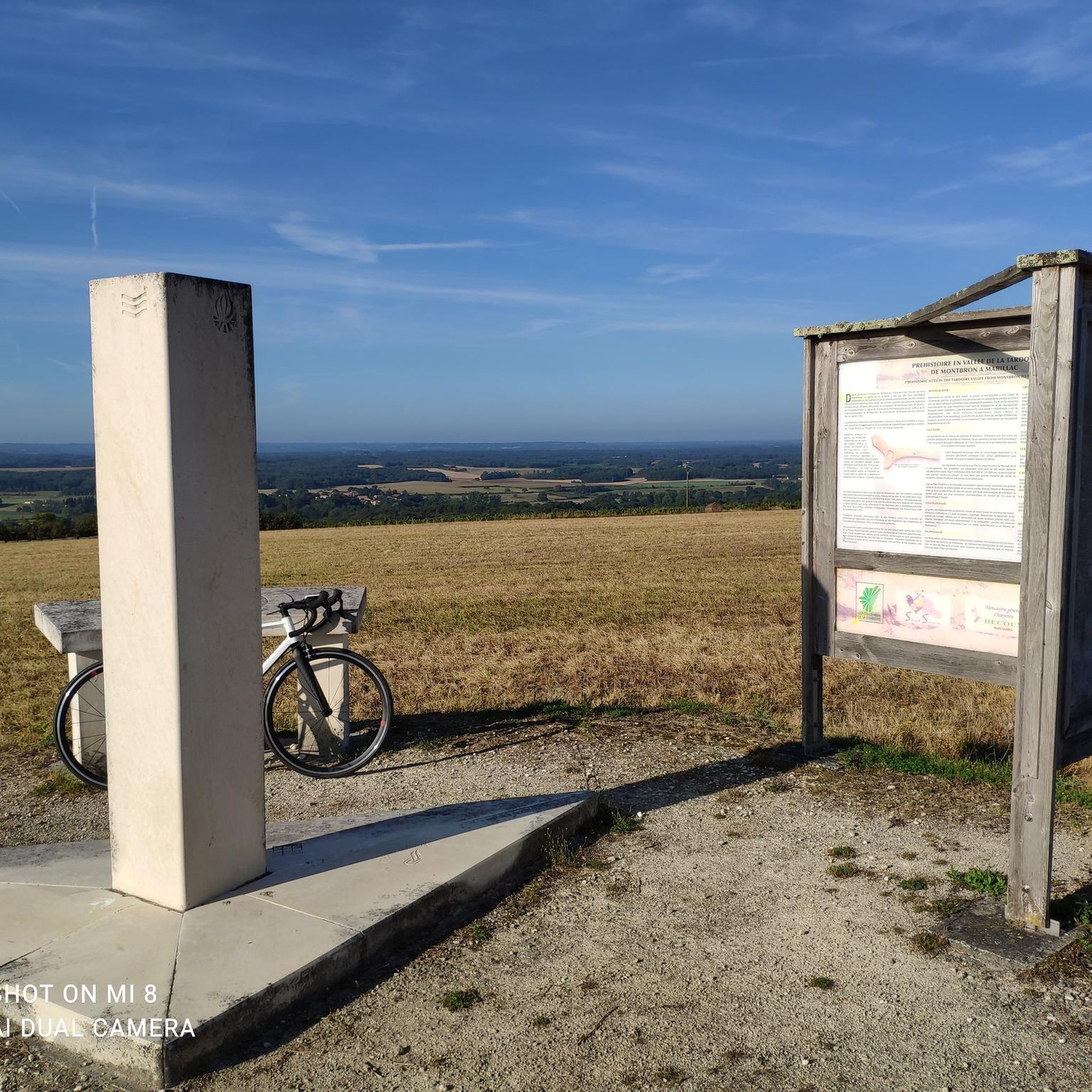
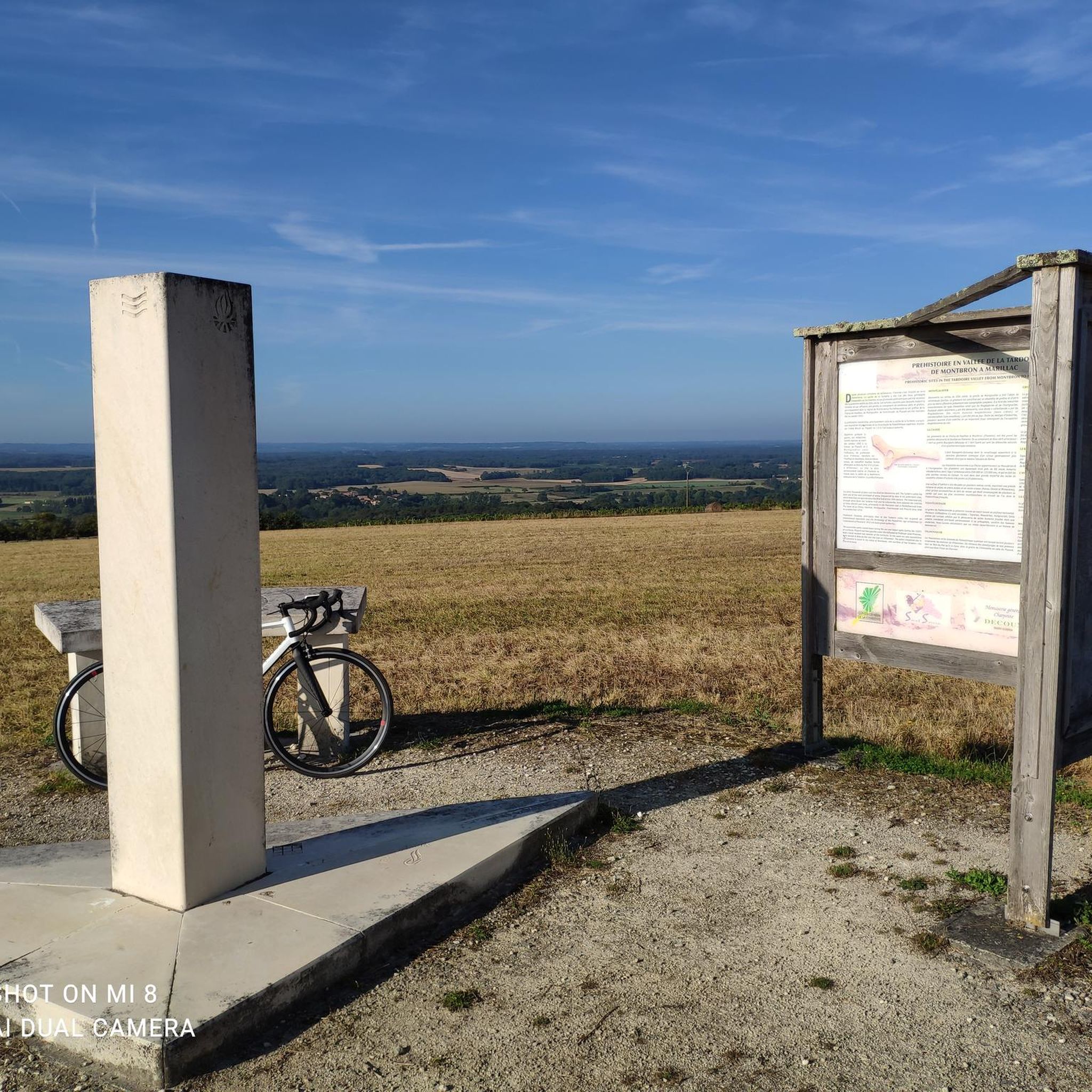
The region offers several natural attractions. You can visit the Grotte de Montgaudier, a site of natural beauty, or explore the Mornac-sur-Seudre Marshes, known for oyster farming and salt production. For panoramic views, head to the Point de Vue de la Fenêtre, which offers extensive vistas towards Montbron.
Are there family-friendly attractions around Saint-Sornin?
Many of the historical sites are suitable for families. La Rochefoucauld Castle and La Rochefoucauld Castle Bridge are both considered family-friendly. The surrounding Charente countryside also provides ample opportunities for outdoor activities like walking and cycling, which can be enjoyed by families.
What outdoor activities are available near Saint-Sornin?
The Charente countryside around Saint-Sornin is ideal for outdoor enthusiasts. You can find numerous opportunities for walking, cycling, and horse riding. For specific routes, check out the guides for Hiking around Saint-Sornin, Cycling around Saint-Sornin, and Running Trails around Saint-Sornin.
Can I go hiking near Saint-Sornin?
Absolutely! There are various hiking trails available. You can find easy routes like the Chabrot Castle loop from Montbron (6 km) or the Grottes des Garennes – Château de Vilhonneur loop from Vilhonneur (3.6 km). For more moderate options, consider the River Crossing loop from Montbron (13.3 km) or the Saint-Didier Church loop from La Rochefoucauld (12.4 km). More details are available in the Hiking around Saint-Sornin guide.
Are there cycling routes around Saint-Sornin?
Yes, the area offers diverse cycling routes. Options range from easy to difficult, such as the La Rochefoucauld Castle – Château Forest loop from La Rochefoucauld (24.2 km, easy) or the more challenging Montbron and Lac de Lavaud Loop (64.5 km). You can explore these and more in the Cycling around Saint-Sornin guide.
What do visitors enjoy most about the attractions in Saint-Sornin?
Visitors frequently praise the historical depth and architectural beauty of the castles, particularly La Rochefoucauld Castle, often described as a 'pearl of Angoumois' and a 'page of history'. The scenic views from the La Rochefoucauld Castle Bridge are also highly appreciated. The region's blend of ancient heritage and natural beauty, along with opportunities for outdoor activities, makes it a popular destination.
Are there any interesting towns or villages to visit nearby?
Beyond Saint-Sornin, several charming towns and villages are worth exploring. La Rochefoucauld is recommended for its castle and pleasant strolls. Marthon offers interesting small buildings, and Varaignes is a pretty village with a central castle. For a larger town with historic monuments, Angoulême is approximately 22 km away.
What is the best time to visit Saint-Sornin for outdoor activities?
The surrounding Charente countryside is generally pleasant for outdoor activities like walking and cycling during spring, summer, and early autumn. These seasons offer milder weather, making it comfortable to explore historical sites and natural features. Always check local weather forecasts before your visit.
Are there any unique or 'hidden gem' attractions in the area?
Yes, the region is home to many lesser-known but fascinating spots. The Old station portico, a massive gantry for lifting heavy loads transported by rail, is a unique man-made monument. The Terres cuites de Cadeuil, historical terracotta findings, also offer a glimpse into local heritage. The guide mentions 19 hidden gems waiting to be discovered, encouraging exploration beyond the main highlights.

Get inspired with the komoot mobile app


Explore more
Still not found the Highlight you’re looking for? See guides of the top attractions in other regions:
