Attractions and Places To See around Cubnezais - Top 18
Best attractions and places to see around Cubnezais include a blend of historical landmarks, cultural sites, and natural features within the Gironde department of France. The area is characterized by its 11th-century churches, 17th-century castles, and natural spaces like the Site des Dougnes. It is also situated near significant regional attractions, including prehistoric caves, UNESCO World Heritage sites, and the city of Bordeaux. This region offers a variety of points of interest for visitors.
Best attractions and places to see…
Last updated: July 2, 2026
Saint-André de Cubzac
Highlight • Monument
Tip by

Porte du Port
Highlight • Historical Site
Translated by Google •
Tip by
Sign up now to discover places like this
Get recommendations on the best single tracks, peaks, & plenty of other exciting outdoor places.
Sign up for free
Prignac-et-Marcamps
Highlight • Settlement
Translated by Google •
Tip by
St-Pierre Church
Highlight • Other
Translated by Google •
Tip by
Romanesque church of Mouillac.
Highlight • Historical Site
Translated by Google •
Tip by

Sign up for free to discover even more attractions around Cubnezais.
Sign up for free
Already have an account?
Start today with a free account
Your next adventure awaits.
Login or Signup



Tips from the Community

The Church of Saint-André-du-Nom-de-Dieu includes sections whose construction dates from the 12th to the 19th centuries. It was built by the Benedictines of the Abbey of La Sauve-Majeure and was once used by a priory founded after 1115, dependent on the abbey. The dominant style of this fortified church is Romanesque. Its massive, square-based bell tower is imposing. The building boasts beautiful stained-glass windows and a remarkable organ case. The church was last restored in 1977. The Virgin of Mercy is an alabaster sculpture dating from the 16th century and is a listed historic monument.
1
0
The commune is the result of the merger of three parishes: Prignac (on the road to Blaye), Marcamps (further north, on the hillsides above the Moron Valley), and Cazelle (further south, descending towards the Dordogne). The three churches still exist. In addition, there is the former chapel of the priory of Lurzine, not far from the village of Prignac. During the French Revolution, the parish of Saint-Pierre de Prignac formed the commune of Prignac, and its annex, Saint-Michel de Marcamps, formed the commune of Marcamps. The parish of Saint-Félix de Cazelles and its annex, Sainte-Quitterie de Magrigne, formed the commune of Cazelles. In the year 12, the commune of Cazelles was annexed to that of Prignac, which became Prignac-et-Cazelles. In 1965, the commune of Marcamps was annexed to that of Prignac-et-Cazelles, which became Prignac-et-Marcamps.
1
0

The village is a true open-air museum, discoverable little by little on a stroll, and will satisfy visitors interested in medieval history. Its historic center, the Château de la Citadelle with its museum, the Church of Saint-Géronce, and its ramparts offer a glimpse into the region's history.
1
0
The well-preserved remains bear witness to the history of Bourg, which has shaped the village over time. The 13th-century Jurade, the medieval city walls, and the gates of bygone eras tell fascinating chapters of a turbulent past. Bourg stone, a symbolic material of the village, bears witness to local history and elegantly shapes the village's architecture.
1
0
The Bourg Tourist Office offers numerous recommendations for exploring the village and its surroundings! Family tours allow young and old to discover the village's hidden gems, while outdoor enthusiasts can opt for an electric bike ride.
1
0
Although modest in size, Bourg is also home to a rich cultural heritage and numerous artistic initiatives that promote local contemporary artists and enliven the village year-round! From the Contemporary Art Gallery to workshops like the Hands in the Earth workshop, exhibitions, festivals, and local art events, it's easy to immerse yourself in the local culture!
1
0
What we love about Bourg? It's how easy it is to explore on foot or by bike (and that's a good thing, our tourist office rents electric bikes!). The village, with its compact layout, allows you to move freely, discover the most remote corners, and fully immerse yourself in its unique atmosphere. Leave your car behind and enjoy this peaceful getaway to the fullest.
1
0
History lovers, art lovers, travelers in search of peace and quiet: the village of Bourg is small but big on discovery activities!
1
0
Frequently Asked Questions
What historical landmarks can I explore in Cubnezais itself?
Within Cubnezais, you can visit the 11th-century Eglise Saint-Martin, known for its distinctive portal and a 17th-century gilded wooden statue. The area also features historical castles like Château de la Bellue (17th century) and Château Robillard (16th century), which is famous for its ancient plane tree and summer shows.
Are there any natural areas or parks for outdoor activities in Cubnezais?
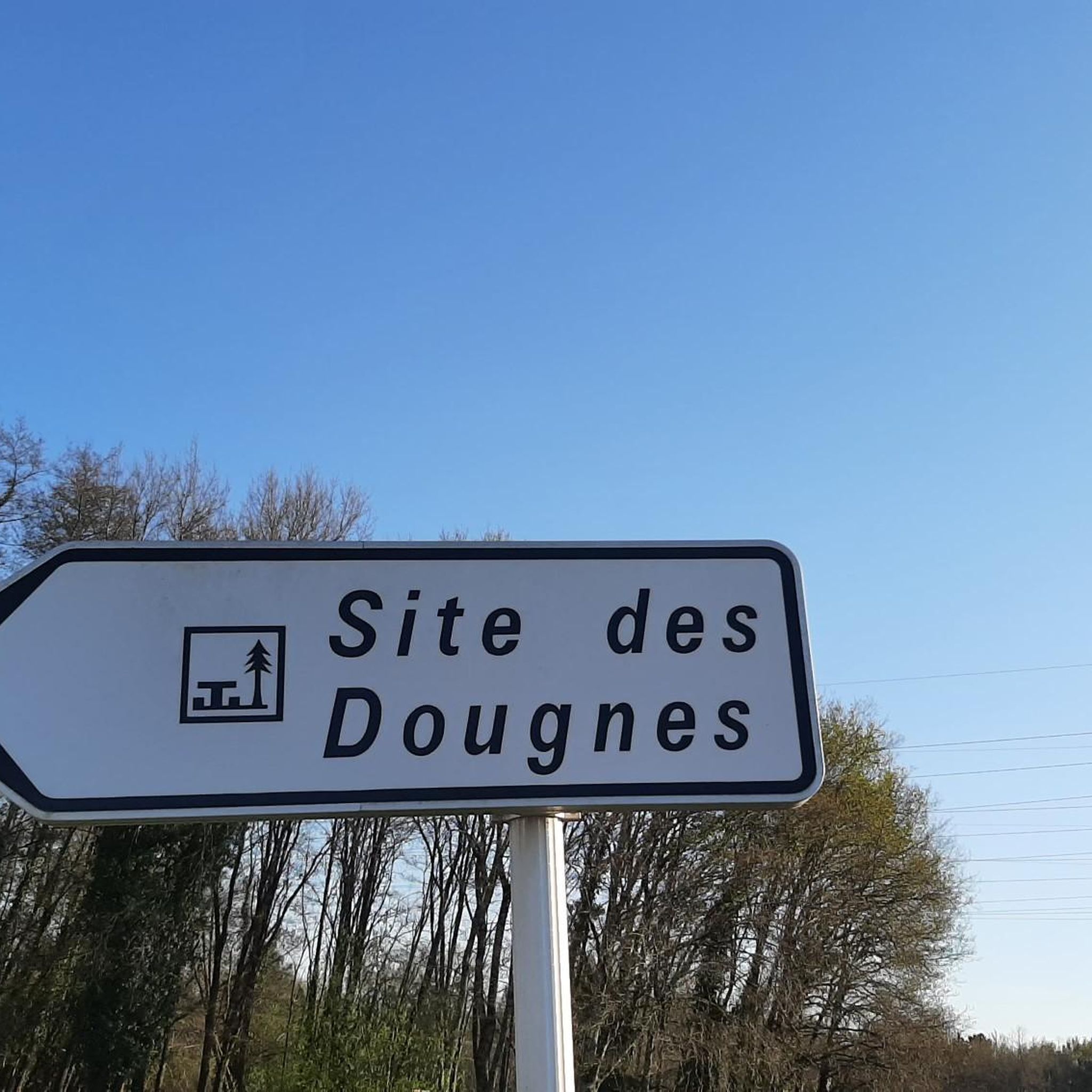
Yes, the Site des Dougnes / Parcours Sportif in Cubnezais is an excellent spot for walks, jogging, and outdoor activities. It offers various circuits, play structures for children, and picnic areas, making it suitable for families.
What are some significant historical sites in the immediate vicinity of Cubnezais?
Just a short distance from Cubnezais, you can explore the prehistoric Grotte de Pair-non-Pair, a must-see regional site. The nearby town of Bourg offers the Porte du Port, a remnant of 13th-century ramparts. You can also visit the historic domain of Château de Chelivette with its vineyard, medieval castle, and ancient cellars, or the 11th-century Romanesque church of Mouillac, which has been recently restored.
What kind of outdoor activities, like hiking or cycling, are available near Cubnezais?
The region around Cubnezais offers various outdoor activities. For hiking, you can explore routes like the 'Moron Natural Site loop from Prignac-et-Marcamps' or the 'Forest Path loop from Poste électrique de Cubnezais'. Cyclists can enjoy routes such as the 'Moulin de Charlot et Mouillac - loop in the hills of Libournais'. You can find more details and routes in the hiking guide, cycling guide, and gravel biking guide for Cubnezais.
Are there any family-friendly attractions around Cubnezais?
Families will enjoy the Site des Dougnes / Parcours Sportif with its play structures and picnic areas. The Charlot Mill, a family brewery located in the heart of the forest, is also accessible year-round and has picnic tables. The Romanesque church of Mouillac is also considered family-friendly.
What are some notable towns or cities easily accessible from Cubnezais for a day trip?
Several significant destinations are within easy reach. The UNESCO World Heritage site of Blaye Citadel is about 21 km away. The exceptionally scenic town of Saint-Emilion, also a UNESCO site known for its vineyards, is approximately 28 km. The vibrant city of Bordeaux, with its historic basilicas, cathedral, and museums, is about 30 km from Cubnezais. You could also visit Saint-André de Cubzac, which features prehistoric remains and a royal fortress.
What is the <a href="https://www.komoot.com/highlight/5191680" target="_blank" rel="noopener">Charlot Mill</a> and what can I do there?
The Charlot Mill is a family brewery nestled in the forest along the Saye river. While the brewery itself is open from May to September, the site is accessible all year round and features picnic tables, making it a pleasant spot for a break in nature.
What is special about <a href="https://www.komoot.com/highlight/1063534" target="_blank" rel="noopener">Saint-André de Cubzac</a>?
Saint-André de Cubzac is a historically rich area featuring prehistoric and Gallo-Roman remains. It was home to the royal fortress of Cubzac, built in 1249, and the historic Port de Plagne, once a significant sturgeon fishing hub. The town also has the churches of Saint-André and Saint-Étienne, and the Château du Bouilh.
Are there any attractions around Cubnezais that are wheelchair accessible?
Yes, the settlement of Prignac-et-Marcamps is noted as being wheelchair accessible. This typical village is located on the edge of Europe's largest estuary and is surrounded by preserved fauna and flora.
What do visitors particularly enjoy about the attractions around Cubnezais?
Visitors appreciate the blend of historical sites, religious buildings, and natural areas. The community has shared 34 upvotes and 2 photos, highlighting the charm of places like the Charlot Mill, the historical significance of Saint-André de Cubzac, and the beauty of the restored Romanesque church of Mouillac.
Are there any unique cultural experiences near Cubnezais?
Yes, you can visit the Office de Tourisme de Bourg in the nearby 'ancient village' of Bourg, which offers guided tours and fig tastings, providing a taste of local culture and produce. Additionally, Les Bassins de Lumières, about 26 km away, offers the world's largest digital art installation for an immersive cultural experience.
Most popular routes around Cubnezais

Get inspired with the komoot mobile app


Explore more
Still not found the Highlight you’re looking for? See guides of the top attractions in other regions:
