Attractions and Places To See around Moyenvic - Top 20
Best attractions and places to see around Moyenvic include historical sites, natural landscapes, and cultural points of interest. This commune in the Moselle department of France is known for its historical salt production and its location within the Saulnois region. The area features the Seille River valley, offering natural beauty and unique flora. Moyenvic is also part of the Lorraine Regional Natural Park, providing a wider range of outdoor exploration opportunities.
Best attractions and places to see around Moyenvic
- The…
Last updated: July 2, 2026
Marne–Rhine Canal
Highlight • River
Translated by Google •
Tip by

Church of St Privat de Salonnes
Highlight • Other
Translated by Google •
Tip by
Sign up now to discover places like this
Get recommendations on the best single tracks, peaks, & plenty of other exciting outdoor places.
Sign up for free
Canal de la Marne au Rhin Cycle Path near Bauzemont
Highlight • Cycleway
The existing cycle paths should also be maintained - e.g. grass and trees should be cut!
It …
Translated by Google •
Tip by

Marsal
Highlight • Other
Translated by Google •
Tip by

Vic-sur-Seille
Highlight • Other
Translated by Google •
Tip by
Sign up for free to discover even more attractions around Moyenvic.
Sign up for free
Already have an account?
Start today with a free account
Your next adventure awaits.
Login or Signup

Tips from the Community

A small relief to ride flat along the canal for a while when you come from the hilly area.
10
0
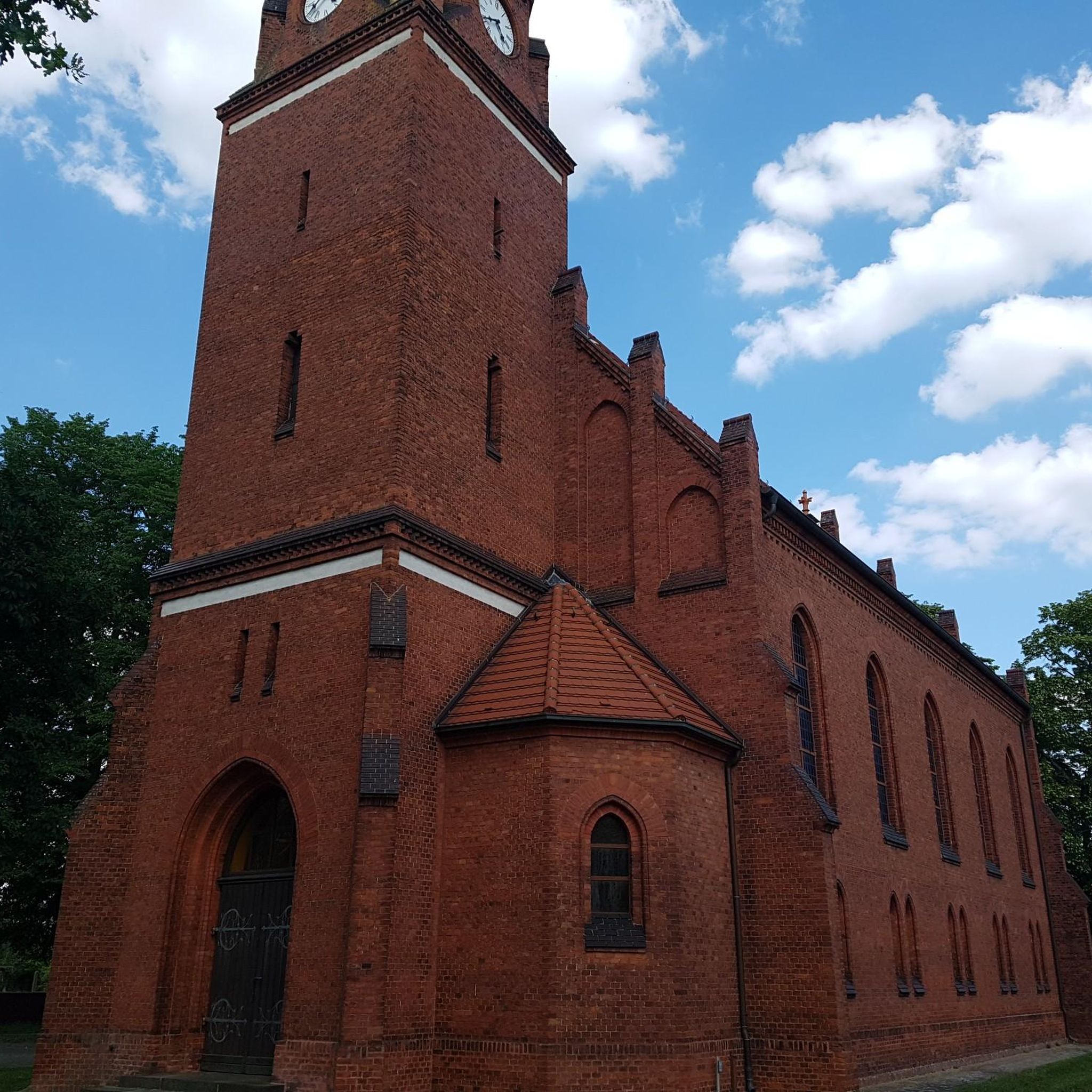
The church of Salonnes has a rich history dating back to the 8th century, when it was built to house the relics of Saint-Privat and Saint-Hilaire. After being destroyed during conflicts over the salt mines and later the Thirty Years' War, it was rebuilt in 1540 and again in 1750. The most striking element is the Gothic portal, which is the only original part from the 16th century to have been preserved. Made of Jaumont stone, it features an accolade arcade flanked by pinnacles. Three Gothic niches above the double doors recall the ornate style of the late Gothic period.
8
0

The canal is worth a bike trip - although the section between Nancy and Xouaxange does not offer such outstanding landscapes.
3
0
The cycle paths in this area are almost new and great to ride. The existing cycle paths should also be maintained - e.g. grass and trees should be cut! It is easy to have cycle paths built with EU money, they look great and are wonderful to ride on! But it is also clearly visible to everyone if they are not maintained in the years to come. On our trip from Nancy to Xouaxange we experienced by far the worst maintained cycle paths on the canal - and we had almost 2300 km (canal kilometers) behind us in France. It is just strange that this area is one of the richest regions in the whole of France.
1
0

Vic-sur-Seille, which benefits from the label "Small cities of character", is an essential place of passage for itinerants who cross the region. If its old stones undeniably recall the history of the village, its leisure center invites you to rest and relax. The village has all the amenities, from accommodation to restaurants. Take the time to visit the museum which takes its name from Georges de La Tour, born in 1593 in Vic-sur-Seille. The exhibitions offer many indications on the region and its evolution.
3
0
Marsal is a small hamlet with a very salty history: from the Bronze Age until the middle of the 17th century, the village knew how to use its salt water sources to prosper in the salt trade. Today, nothing remains of the saltworks and Marsal today looks like a peaceful village. If you wish, you can organize a guided tour with the Pays du Saulnois Tourist Office on 03 87 01 16 26.
1
0

Very nice canal, were just there by boat.
2
1

Very good bike path, little variety
4
0
Frequently Asked Questions
What types of attractions can I expect to find around Moyenvic?
Moyenvic and its surroundings offer a diverse range of attractions, blending historical significance with natural beauty. You can explore ancient salt production sites, picturesque villages, scenic cycle paths, and areas within the Lorraine Regional Natural Park. The region is rich in history, particularly concerning its salt industry, and provides ample opportunities for outdoor activities.
Are there any historical sites related to Moyenvic's salt production past?
Yes, Moyenvic has a deep history tied to salt production. You can visit the Porte des Salines Royales, a gate dating back to 1627, which is a remnant of the extensive Royal Saltworks. The nearby hamlet of Marsal also boasts a 'salty history' from the Bronze Age, and while the saltworks are no longer present, its past is evident. The area's salt industry dates back to the Iron Age.
What natural features can I explore in the Moyenvic area?
The region around Moyenvic is rich in natural beauty. You can enjoy the serene Marne–Rhine Canal, which offers a peaceful setting for relaxation. The Seille River valley, part of the Saulnois region, features unique halophilic flora in its salt ponds and meadows. Additionally, Moyenvic is part of the Parc Naturel Régional de Lorraine, providing a wider area of natural landscapes and outdoor activities, including the Lindre Estate with its diverse environments and bird observatories.
Are there good cycling opportunities around Moyenvic?
Absolutely. The Marne–Rhine Canal provides a flat and pleasant route ideal for cycling, especially after exploring the hiller areas. The Canal de la Marne au Rhin Cycle Path near Bauzemont is particularly noted for its almost new and excellent riding surfaces. For more cycling routes, you can explore the various options available in the Cycling around Moyenvic guide.
Where can I go hiking near Moyenvic?
For hikers, Mont Saint-Jean, at 310 meters, offers panoramic views of the entire upper Seille valley and features an orientation table. The 'Sentier des hauts de Saint-Jean' is a marked 8 km circuit that allows you to explore sites like Salival and the Saint-Livier chapel. You can find more hiking trails and detailed routes in the Hiking around Moyenvic guide.
Are there family-friendly attractions or activities in the area?
Yes, the Canal de la Marne au Rhin Cycle Path near Bauzemont is considered family-friendly, offering smooth and enjoyable rides for all ages. The natural settings along the Marne–Rhine Canal are also great for family outings and picnics. Exploring the peaceful village of Marsal or the charming town of Vic-sur-Seille can also be enjoyable for families.
What cultural experiences are available near Moyenvic?
Just 3 km east of Moyenvic, Vic-sur-Seille is home to the Georges de La Tour Departmental Museum. This museum is dedicated to the renowned 17th-century painter Georges de La Tour, who was born in the town, and features a collection of French paintings. The town itself is recognized as one of the 'Small cities of character' and offers a glimpse into regional history.
What is there to see in the village of Marsal?
Marsal is a small, peaceful hamlet with a significant past rooted in salt production from the Bronze Age until the mid-17th century. While the ancient saltworks are no longer visible, the village's history can be explored, and guided tours are available through the Pays du Saulnois Tourist Office.
Is the area around Moyenvic suitable for mountain biking?
Yes, there are mountain biking opportunities in the vicinity. You can find various routes, including those that pass through historical sites and natural landscapes. For detailed trails and difficulty levels, refer to the MTB Trails around Moyenvic guide.
Are there any historical churches or religious sites to visit?
Yes, the Church of St Privat de Salonnes, located nearby, has a rich history dating back to the 8th century. Although it has been rebuilt multiple times, it features a striking Gothic portal from the 16th century, made of Jaumont stone, which is its only original preserved part. The former Abbey of Salival, founded in the 12th century, also holds historical significance despite its tumultuous past.
What do visitors enjoy most about the attractions around Moyenvic?
Visitors particularly appreciate the peaceful and natural settings, especially along the canals, which offer a welcome relief from hilly terrain and are perfect for unwinding. The well-maintained cycle paths are highly rated for their smooth riding conditions. The historical depth of places like Marsal and the cultural offerings in Vic-sur-Seille also contribute to a rich visitor experience.

Get inspired with the komoot mobile app


Explore more
Still not found the Highlight you’re looking for? See guides of the top attractions in other regions:
