The 8 Most Amazing Peaks around Quérigut
Best mountain peaks around Quérigut are found in the Donezan region of the French Pyrenees. This area features a landscape with notable mountain peaks, each offering distinct characteristics. The region is characterized by glacier-sculpted granite relief and is home to numerous high-altitude lakes. It provides diverse terrain for exploration, from accessible routes to challenging climbs.
Best mountain peaks around Quérigut
- The most popular mountain peaks is Pic de Tarbesou, a summit that culminates at 2,364 meters and overlooks the…
Last updated: June 29, 2026
Pailhères Pass
Highlight • Mountain Pass
Translated by Google •
Tip by

Mount Llaret
Highlight • Summit
Translated by Google •
Tip by

Sign up now to discover places like this
Get recommendations on the best single tracks, peaks, & plenty of other exciting outdoor places.
Sign up for free
Pic de Tarbesou
Highlight • Summit
Translated by Google •
Tip by
Mortiers Peak
Highlight • Summit
Translated by Google •
Tip by
Puig de Terrers
Highlight • Summit
Translated by Google •
Tip by
Sign up for free to discover even more peaks around Quérigut.
Sign up for free
Already have an account?
Start today with a free account
Your next adventure awaits.
Login or Signup


Tips from the Community

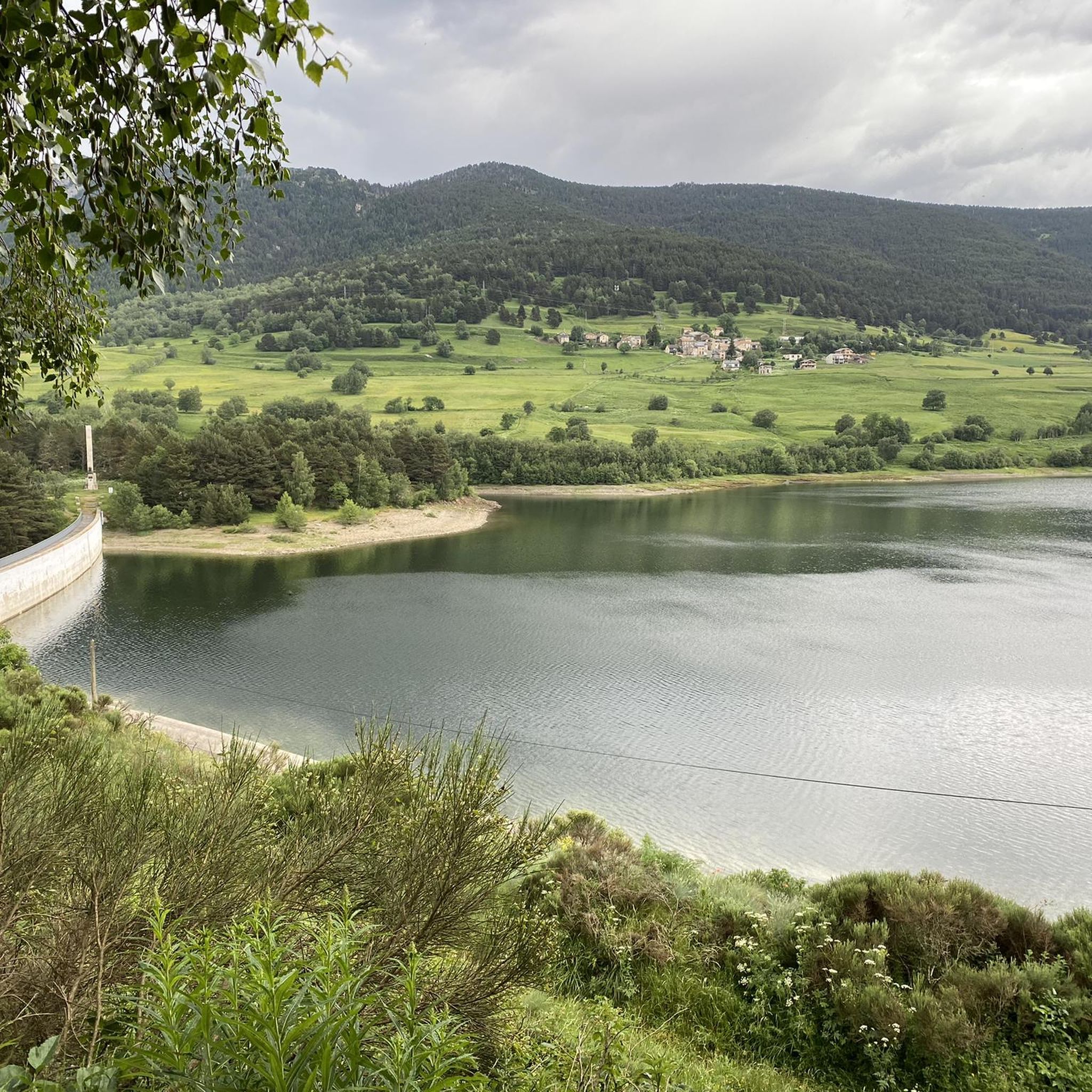
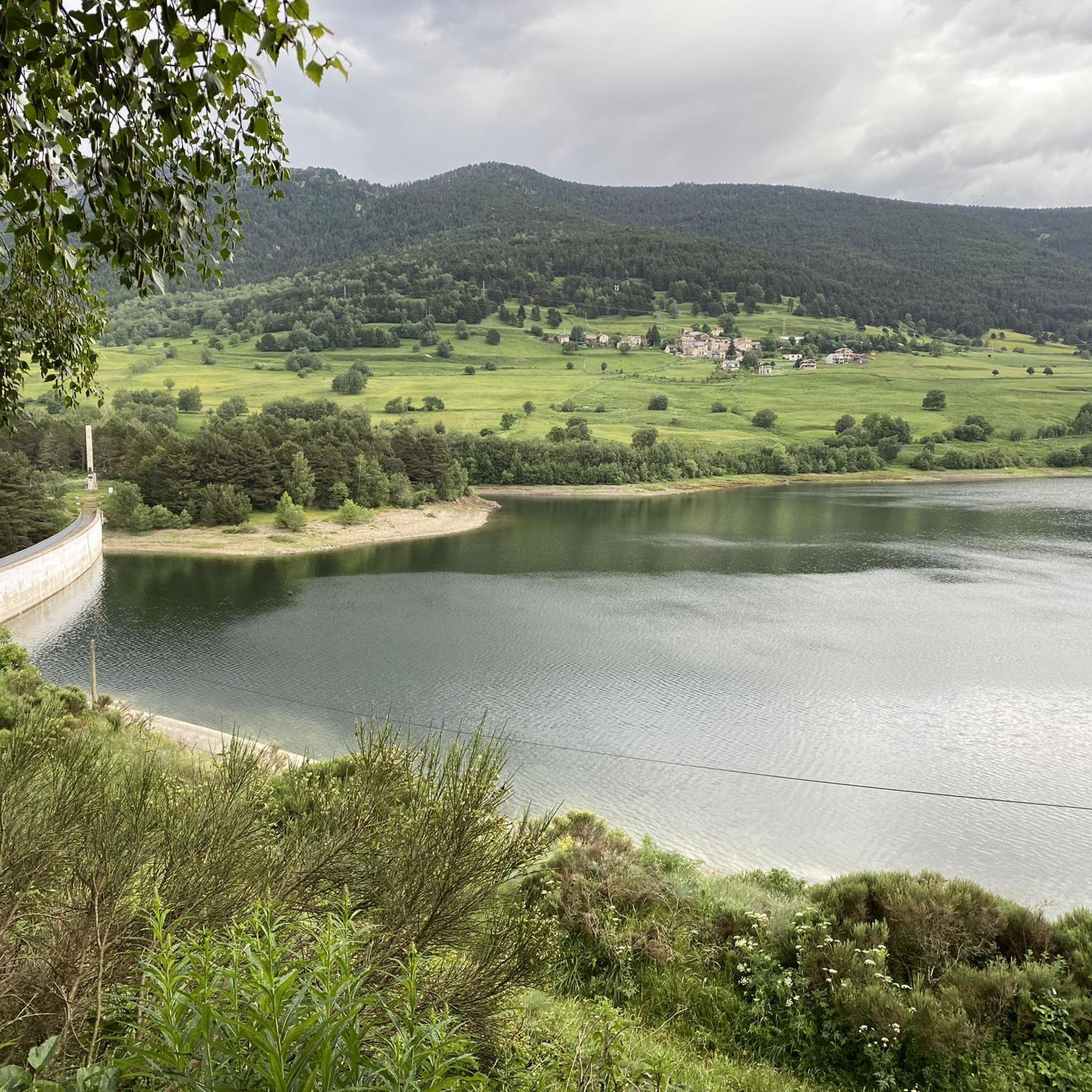
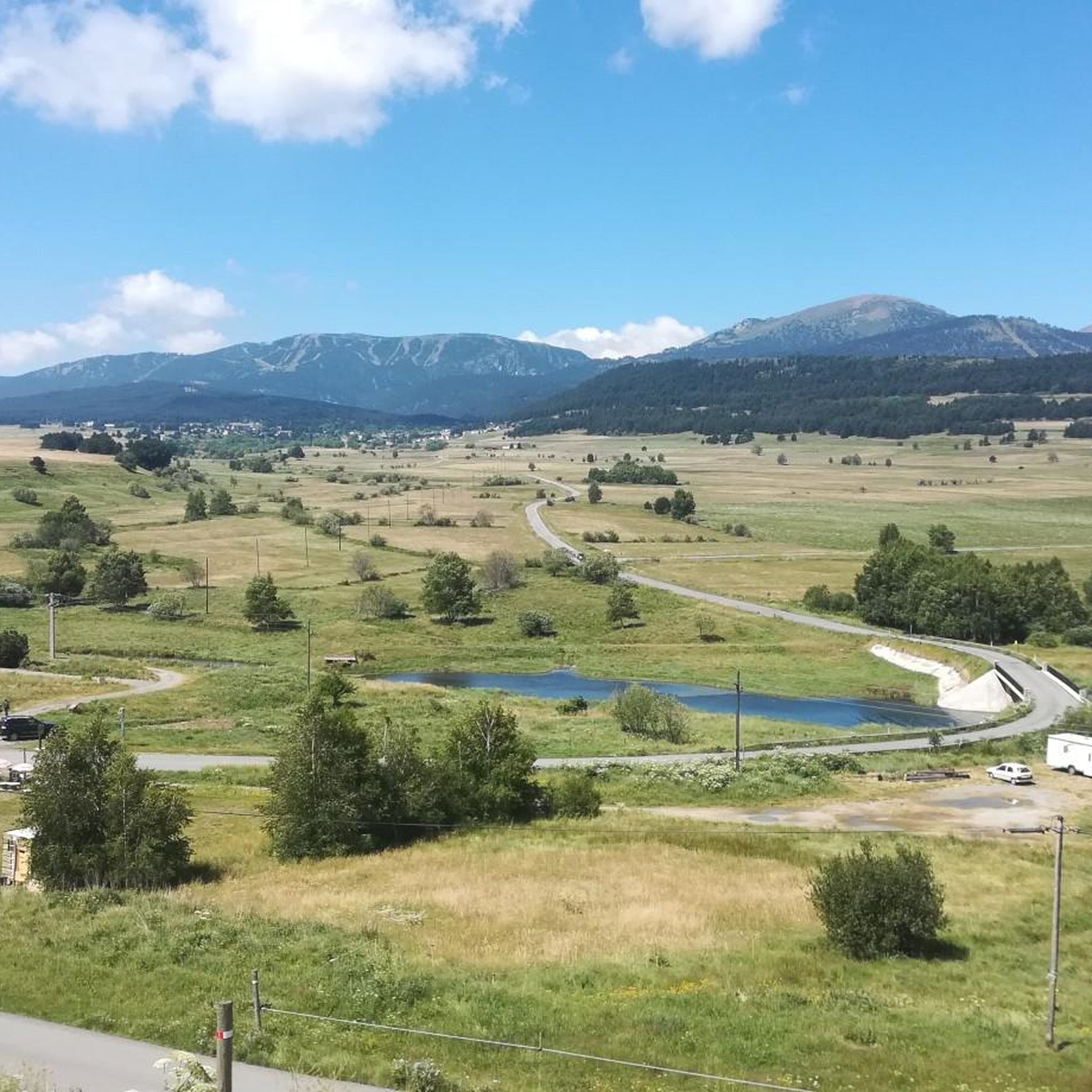
View of the Carlit, the Bouillouses, the Péric, the Sierra de Cadi, the Cerdagne valley .... Wonderful.
0
0

One of the best experiences on my entire tour. I have this picture with the view of the mountains as my screen background. The roads are still closed, the snow is piled up meters high on the sides and at the same time there is not a single car on the road. Simply fantastic
1
0

gorgeous view! and the way from there down to the lakes is definitely worth securing.
1
1

The Puig de Terrers rises above the Orlu valley which it dominates superbly. When one turns towards the south, one cannot miss its neighbour, the Pic des Mortiers which is ahead of the Pérics. Below, nestled in its foothills, you can also see the Devil's Pond.
1
0
Culminating at 2,605 meters above sea level, the Pic des Mortiers is a pretty belvedere from which to observe the peaks of Pérics on one side and the Orlu valley on the other.
1
0
The Col de Pailhères, or Port de Pailhères, is one of the emblematic passes of the Pyrenees and the Tour de France. Culminating at 2,001 meters above sea level, it is one of the few passes in the Pyrenees to exceed the symbolic bar of 2,000 meters. The climb from Mijanès is 10.6 kilometers long with an average of 8.2%, including some passages at more than 10%. It is also possible to climb from Ax-les-Thermes by means of a climb of 18.6 kilometers with an average of 6.9%.
4
0

Mount Llaret, which dominates Lake Aude (source of the river) at an altitude of 2,376 m, is quite accessible from the resort of Les Angles and its hiking trails.
0
0
The peak of Tarbésou, which culminates at 2,364 meters and overlooks the ponds of Rabassoles, offers a magnificent belvedere.
2
0
Frequently Asked Questions
Which mountain peaks around Quérigut offer the best panoramic views?
For breathtaking panoramic views, Pic de Tarbésou (2,364m) is highly recommended, offering a 360-degree vista encompassing the Ariège Pyrenees, the Aude, and the Pyrénées-Orientales. Pic de Baxouillade (2,546m) also provides a vast panorama covering Capcir, Cerdanya, Andorra, and Haute-Ariège. Additionally, Roc Blanc (2,542m) is known for its magnificent 360-degree views from the summit.
Are there any family-friendly mountain peaks or routes near Quérigut?
Yes, Pic de Tarbésou offers accessible routes suitable for families. The area around this peak also features the beautiful Étang Bleu, Étang Noir, and Rabassoles lakes, which can be part of family-friendly excursions. For more options, you can explore the 'Mountain Hikes around Quérigut' guide, which includes routes like the 'Étang Bleu – Étang Noir loop from Port de Pailhères' that are moderate in difficulty. You can find more details on komoot.com/guide/3515417/mountain-hikes-around-querigut.
What are the most challenging mountain peaks to hike around Quérigut?
For experienced hikers seeking a challenge, Pic de Baxouillade (2,546m) involves some off-trail sections and requires good navigation skills. Pic de Canras (2,459m) is often explored in conjunction with Pic de Baxouillade as part of a demanding loop, featuring varied terrain and potentially rocky portions that require scrambling. Roc Blanc (2,542m) is also considered a classic climb in the area.
What natural features, like lakes or unique flora, can I expect to see on these mountain peaks?
The region is rich in natural beauty. Near Pic de Tarbésou, you'll find the picturesque Étang Bleu, Étang Noir, and Rabassoles lakes. The base of Pic de Ginèvre is home to the source of the Quérigut river and the small Étang de Quérigut. Hikes to Pic de Baxouillade offer diverse terrain with blueberries and rhododendrons. The Pérics Massif, a prominent range, is characterized by numerous high-altitude lakes with crystal-clear waters, pine forests, and alpine meadows, supporting rich high-mountain flora.
When is the best time to visit the mountain peaks around Quérigut?
The best time for hiking and exploring the mountain peaks around Quérigut is generally during the warmer months, from late spring to early autumn, when trails are clear of snow and weather conditions are more stable. In winter, peaks like Pic de Tarbésou become popular for ski touring.
Are there any historical or culturally significant mountain peaks in the area?
Pic de Ginèvre (2,382m) holds local historical significance as it marks a traditional boundary between the Capcir and Donezan regions. While the ski lift from the former Puyvalador ski resort near its summit is inactive, its role as a historical marker and the highest point within the commune of Quérigut makes it notable. You can learn more about it on fr.wikipedia.org/wiki/Pic_de_Ginebre.
What kind of outdoor activities can I do near the mountain peaks of Quérigut?
Beyond hiking, the region offers diverse outdoor activities. You can enjoy cycling, particularly on routes like the 'Climb Col de Pailhères' loop, which includes the emblematic Pailhères Pass. Mountain biking is also popular, with trails like the 'Cascade du Galbe loop from Réal'. For more details on routes, check the 'Cycling around Quérigut' guide at komoot.com/guide/1064444/cycling-around-querigut and the 'MTB Trails around Quérigut' guide at komoot.com/guide/1064442/mtb-trails-around-querigut.
What is the Pérics Massif, and what does it offer visitors?
The Pérics Massif is a majestic mountain range close to Quérigut, spanning the Eastern Pyrenees and Ariège. It features sharp, glacier-sculpted granite relief and numerous high-altitude lakes. The massif is home to rich high-mountain flora and emblematic Pyrenean fauna like chamois, marmots, and birds of prey. Multi-day treks, such as the 'Tour des Pérics', allow visitors to immerse themselves in this wild and preserved environment, experiencing unique Pyrenean culture.
Are there any specific viewpoints or passes worth visiting for scenic drives or cycling?
Absolutely. Pailhères Pass (2,001m) is an emblematic mountain pass of the Pyrenees and a famous stage of the Tour de France. Its journey, especially the last narrow kilometers with serpentines, is considered among the most beautiful for cycling. It offers stunning views and is a must-visit for road cyclists and scenic drivers.
What do visitors particularly enjoy about the mountain peaks around Quérigut?
Visitors frequently praise the magnificent views and diverse landscapes. For instance, Pic de Tarbésou is celebrated for its 'gorgeous view' and the rewarding descent to the lakes. The area's combination of accessible routes and challenging climbs, along with its high-altitude lakes and rich flora and fauna, makes it a highly appreciated destination by the komoot community, with over 180 upvotes and more than 90 photos shared.
Can I find any peaks that are particularly accessible from ski resorts?
Yes, Mount Llaret (2,376m), which dominates Lake Aude, is quite accessible from the resort of Les Angles and its hiking trails. It offers views of the Carlit, the Bouillouses, and the Cerdagne valley.
Are there any less crowded mountain trails or peaks to explore near Quérigut?
While popular peaks like Pic de Tarbésou attract many, the broader Pérics Massif offers a vast and wild environment, ideal for those seeking solitude. Multi-day treks like the 'Tour des Pérics' can lead you through less crowded areas, allowing for a deeper immersion in the preserved Pyrenean environment. Exploring peaks like Mortiers Peak (2,605m) or Puig de Terrers, which offer beautiful belvederes over the Pérics and Orlu valley, might also provide a more tranquil experience.
Most popular routes around Quérigut
Most popular attractions around Quérigut

Get inspired with the komoot mobile app


Explore more
See even more amazing summits around Quérigut with these guides:
