The 5 Most Amazing Peaks around Verdun
Mountain peaks around Verdun are primarily characterized by strategic hills and rolling countryside, known as the "Hauts de Meuse." This region, located in northeastern France, is historically significant due to its pivotal role in World War I, particularly during the Battle of Verdun. The landscape features elevated positions that housed critical fortifications, offering both natural beauty and historical reflection. The area provides opportunities for hiking through forests and offers views of the Meuse valley.
Best mountain peaks around Verdun
- The…
Last updated: August 25, 2026
Plateau de Beille
Highlight • Mountain Pass
Translated by Google •
Tip by

Mount Fourcat
Highlight • Summit
Translated by Google •
Tip by

Sign up now to discover places like this
Get recommendations on the best single tracks, peaks, & plenty of other exciting outdoor places.
Sign up for free
Saint-Barthélemy Peak
Highlight • Summit
Translated by Google •
Tip by
View of the summit of Crouzille
Highlight (Segment) • Viewpoint
Translated by Google •
Tip by

View of the Ariège Mountains from Clot de la Carbonnière
Highlight • Viewpoint
Translated by Google •
Tip by

Sign up for free to discover even more peaks around Verdun.
Sign up for free
Already have an account?
Start today with a free account
Your next adventure awaits.
Login or Signup
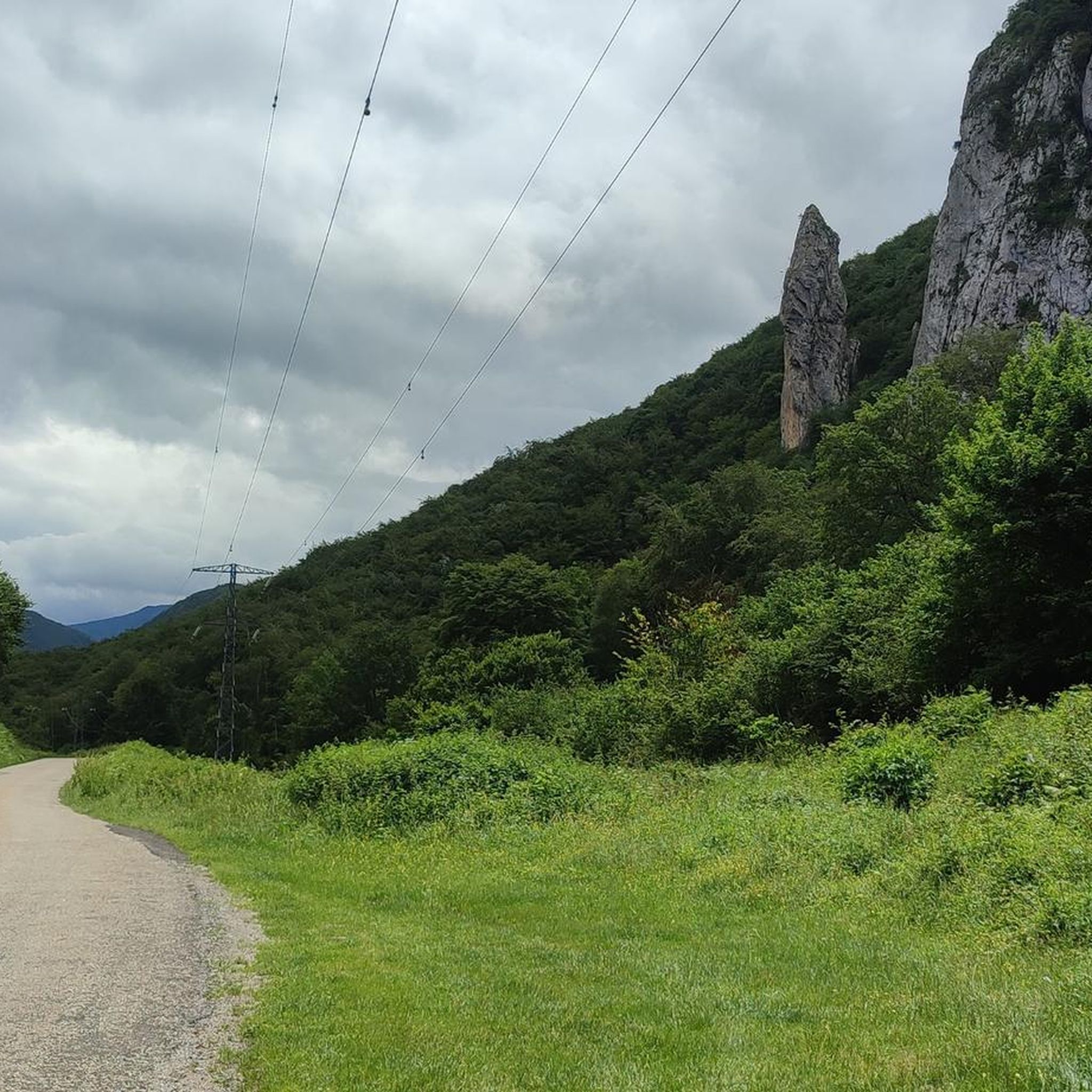
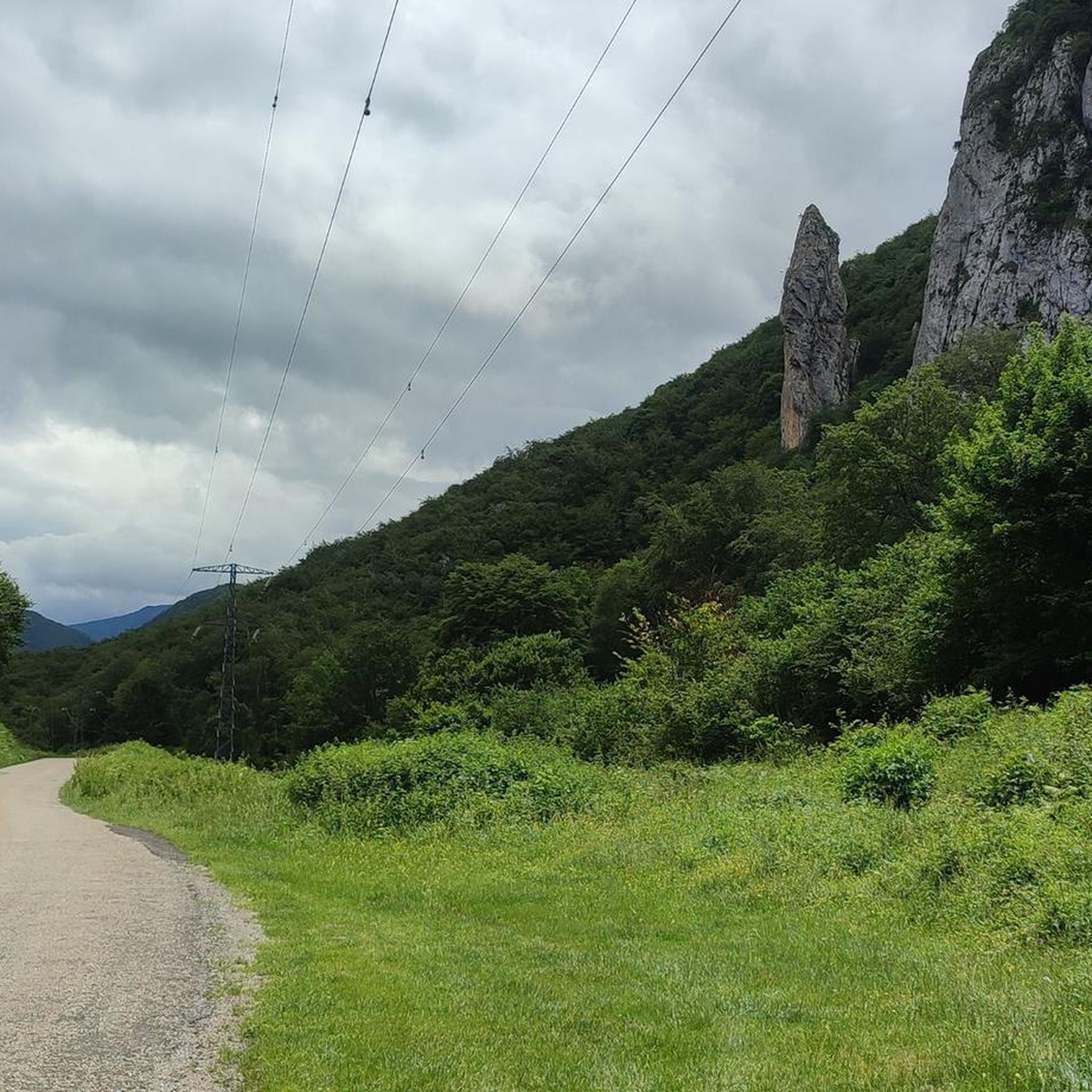
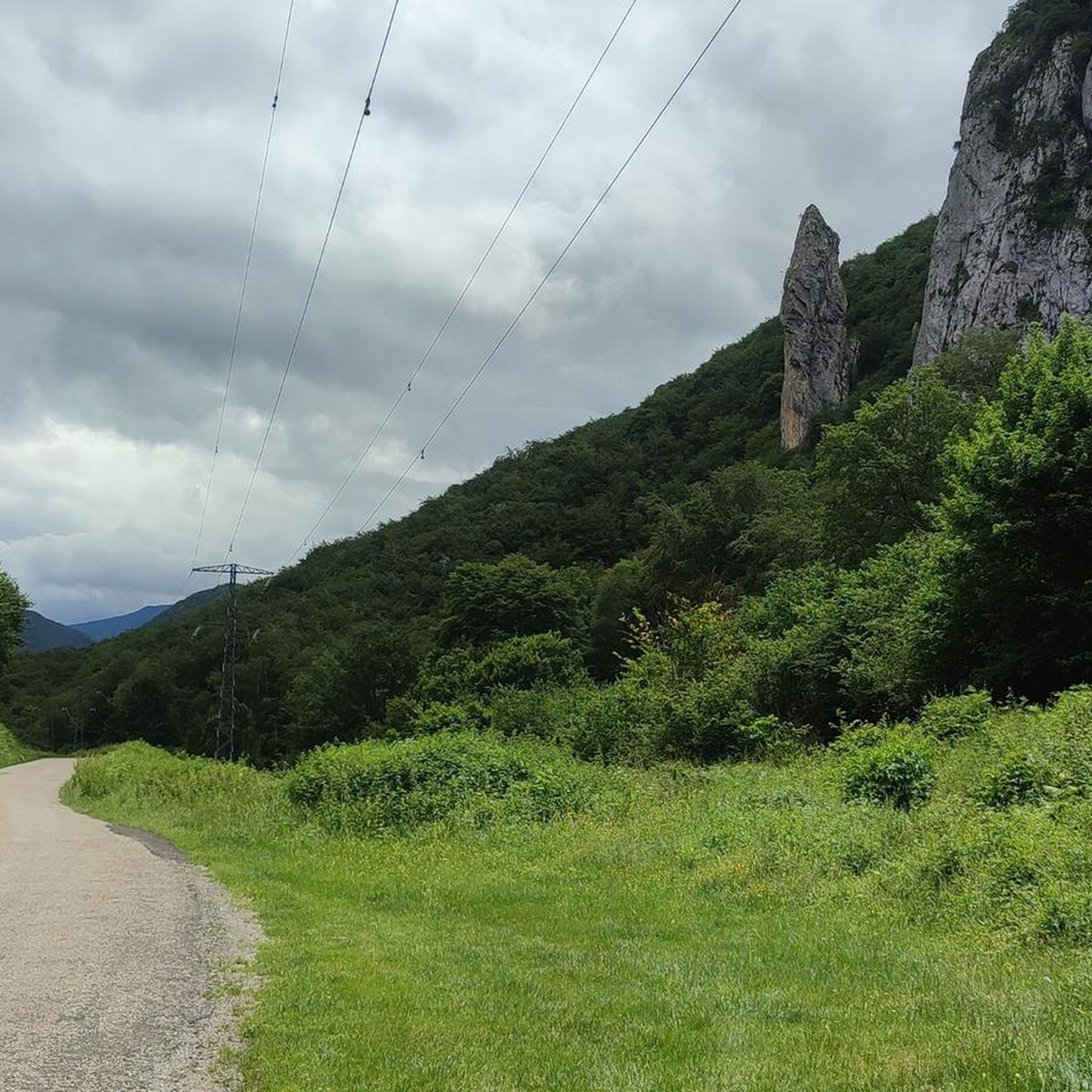
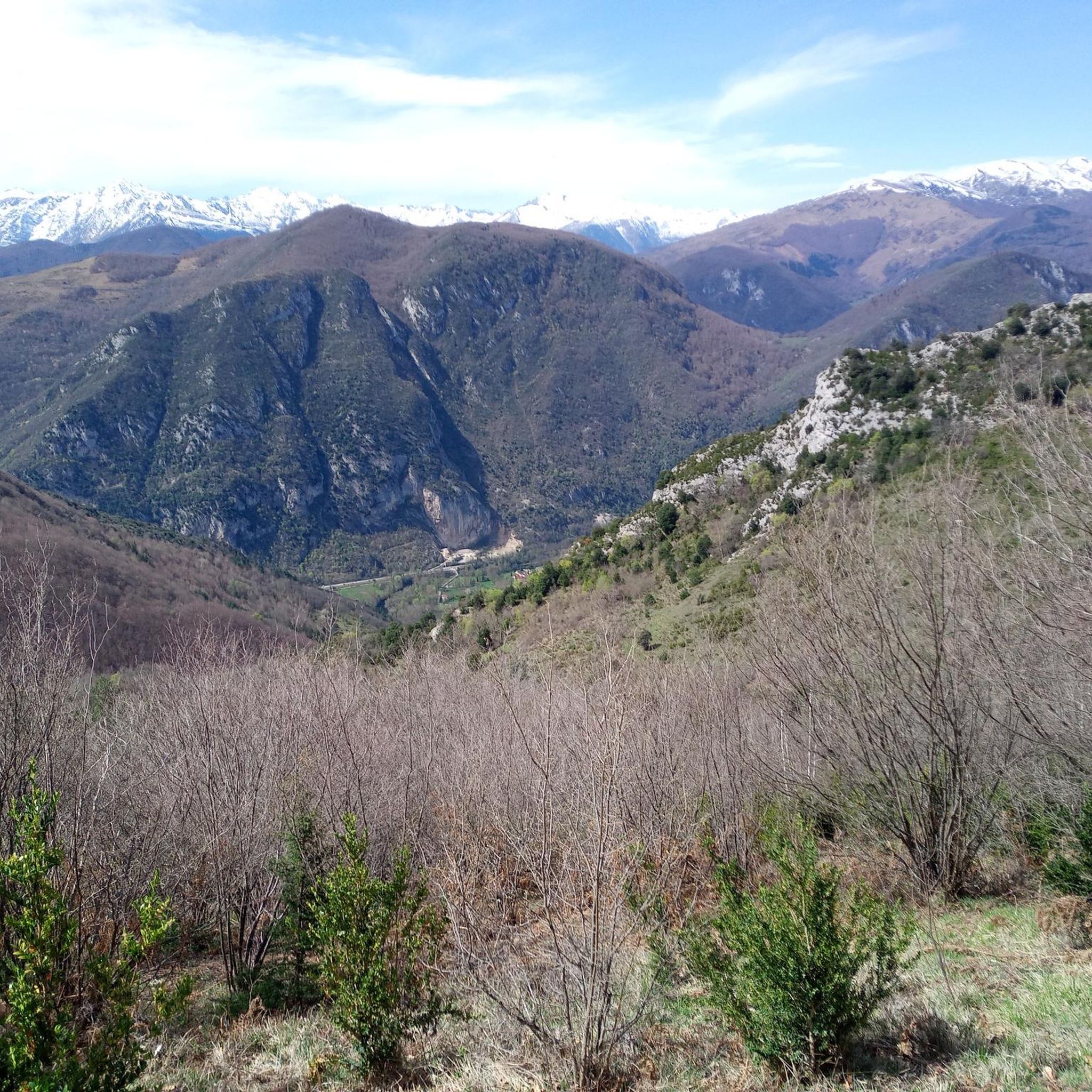

Tips from the Community

Superb high-altitude alpine meadows! It's worth the effort
0
0

Le plateau de Beille is very beautiful in the summer. While in winter it's a ski resort that didn't seem exceptional to me, in summer the cross-country ski trails become gravel paths, and in fact, this plateau is top to explore!
0
0

Very good place to practice skating skiing in winter!
1
0
A must-see in Ariège that you should do at least once in your life. The view of the various mountain ranges is splendid.
0
0
A magnificent location offering stunning views of the Ariège Pyrenees: the Montcalm Massif, the Bassiès Massif, the Beille Plateau, and more. Easily accessible from Croquié in both summer and winter, provided you're well-equipped and at least a little fit (800m+). Its only drawback: it's very crowded, especially in winter.
1
1

Be careful, expert route but what a view
0
0

Possibility of bivouac and magnificent natural spectacle by numerous griffon vultures
2
2

Frequently Asked Questions
What kind of 'mountain peaks' can I expect to find around Verdun?
The Verdun region is not characterized by towering mountain peaks but rather by strategic hills and rolling countryside, known as the "Hauts de Meuse." These elevated positions played a pivotal role in World War I, particularly during the Battle of Verdun, and many housed critical fortifications. They offer a unique blend of natural beauty and profound historical significance.
What are the most historically significant 'peaks' to visit near Verdun?
Among the most historically significant 'peaks' are the sites of World War I fortifications. Fort Douaumont, the largest and most powerful structure in the Verdun stronghold, offers an authentic and grim immersion into the conditions faced by soldiers. Another crucial site is Fort Vaux, renowned for the heroic resistance of its French garrison. Additionally, Le Mort Homme (Dead Man's Hill) and Côte 304 represent the sheer devastation of the battle, with landscapes still bearing the scars of intense shelling.
Are there any actual mountain summits or high points with scenic views in the Verdun area?
While the Verdun area is primarily known for its historical hills, the broader "Hauts de Meuse" region features an imposing limestone ridge that offers scenic views. These elevated areas provide opportunities for hiking through forests and mirabelle plum orchards, with trails that connect historical sites and offer panoramic views of the Meuse valley. The region itself is a high point offering natural beauty and historical reflection.
What kind of outdoor activities can I do near the Verdun 'peaks'?
The region around Verdun offers various outdoor activities, particularly hiking and gravel biking, through its scenic hills and forests. You can explore routes that combine natural beauty with historical sites. For instance, there are numerous hiking trails around Verdun that take you through the landscape, and gravel biking routes for those looking for a different kind of adventure.
Are there family-friendly walks or activities around the Verdun 'peaks'?
The rolling countryside and historical sites around Verdun can offer family-friendly experiences, depending on the specific location and the age of the children. Many trails through the forests and orchards of the Hauts de Meuse are suitable for walks. When visiting historical sites like Fort Douaumont, consider the solemn nature of the site and its potential impact on younger visitors. Always check the accessibility and difficulty of specific trails before heading out.
What is the best time of year to visit the Verdun 'peaks' and historical sites?
Spring and autumn are generally considered the best times to visit the Verdun region. The weather is typically mild, making it pleasant for exploring the outdoor historical sites and hiking trails. In spring, the landscape is lush, and in autumn, the foliage offers beautiful colors. Summer can also be a good time, though it can be warmer, while winter can be cold and some outdoor areas might be less accessible.
Can I visit the interior of the historical forts near Verdun?
Yes, you can visit the interior of some historical forts. Fort Douaumont, for example, has parts of its interior, including barracks and command posts, open to the public, offering a powerful understanding of trench warfare. However, it's important to note that Fort Vaux is currently undergoing major renovation work and is temporarily closed to visitors. Always check the latest opening information before planning your visit.
What kind of views can I expect from the high points in the Verdun area?
From the high points and strategic hills in the Verdun area, you can expect panoramic views of the Meuse valley and the surrounding rolling countryside. These views often encompass the vast, scarred landscapes that bear witness to the Battle of Verdun, offering a poignant perspective on the region's history. Some viewpoints also overlook the limestone ridge of the Hauts de Meuse, providing scenic vistas of forests and agricultural lands.
Are there any specific hiking trails that lead to or connect these historical 'peaks'?
Yes, the region offers trails that connect significant historical sites and elevated positions. These trails allow visitors to explore the landscape that was central to the Great War, often passing through memorial forests and remnants of fortifications. While specific named trails leading directly to every 'peak' might vary, the overall network of paths in the Hauts de Meuse provides ample opportunity to link these important locations.
What is the significance of the 'Hauts de Meuse' region?
The "Hauts de Meuse" (Heights of the Meuse) is a region of strategic hills and rolling countryside that played a pivotal role in World War I, particularly during the Battle of Verdun. It's characterized by an imposing limestone ridge overlooking the Woëvre plain, offering scenic views and a rich natural and historical landscape. The area is deeply marked by the Great War, featuring memorial forests and remnants of fortifications, making it a compelling destination for both natural beauty and historical reflection.
What should I know about visiting sites like Le Mort Homme and Côte 304?
Le Mort Homme (Dead Man's Hill) and Côte 304 were strategic hills that saw some of the most brutal fighting of World War I. Visiting these sites provides a raw and poignant understanding of the battlefield's landscape, which still bears the scars of conflict, often described as a 'moonscape' of craters. A memorial was inaugurated on Le Mort Homme in 1922, serving as a powerful reminder of the immense human cost and sacrifice made in these areas.
Most popular attractions around Verdun

Get inspired with the komoot mobile app


Explore more
See even more amazing summits around Verdun with these guides:
