Attractions and Places To See around Vaux-Sur-Somme - Top 20
Best attractions and places to see around Vaux-Sur-Somme, a commune in the Somme department of France, offer a blend of local heritage, natural beauty, and historical significance. Located within the Somme Valley, the area features diverse landscapes including wetlands, ponds, and calcareous hillsides known as "larris." Visitors can explore historical landmarks and natural features that reflect the region's past and ecological richness.
Best attractions and places to see around Vaux-Sur-Somme
- The most popular attractions is Villers-Bretonneux Australian National Memorial,…
Last updated: July 7, 2026
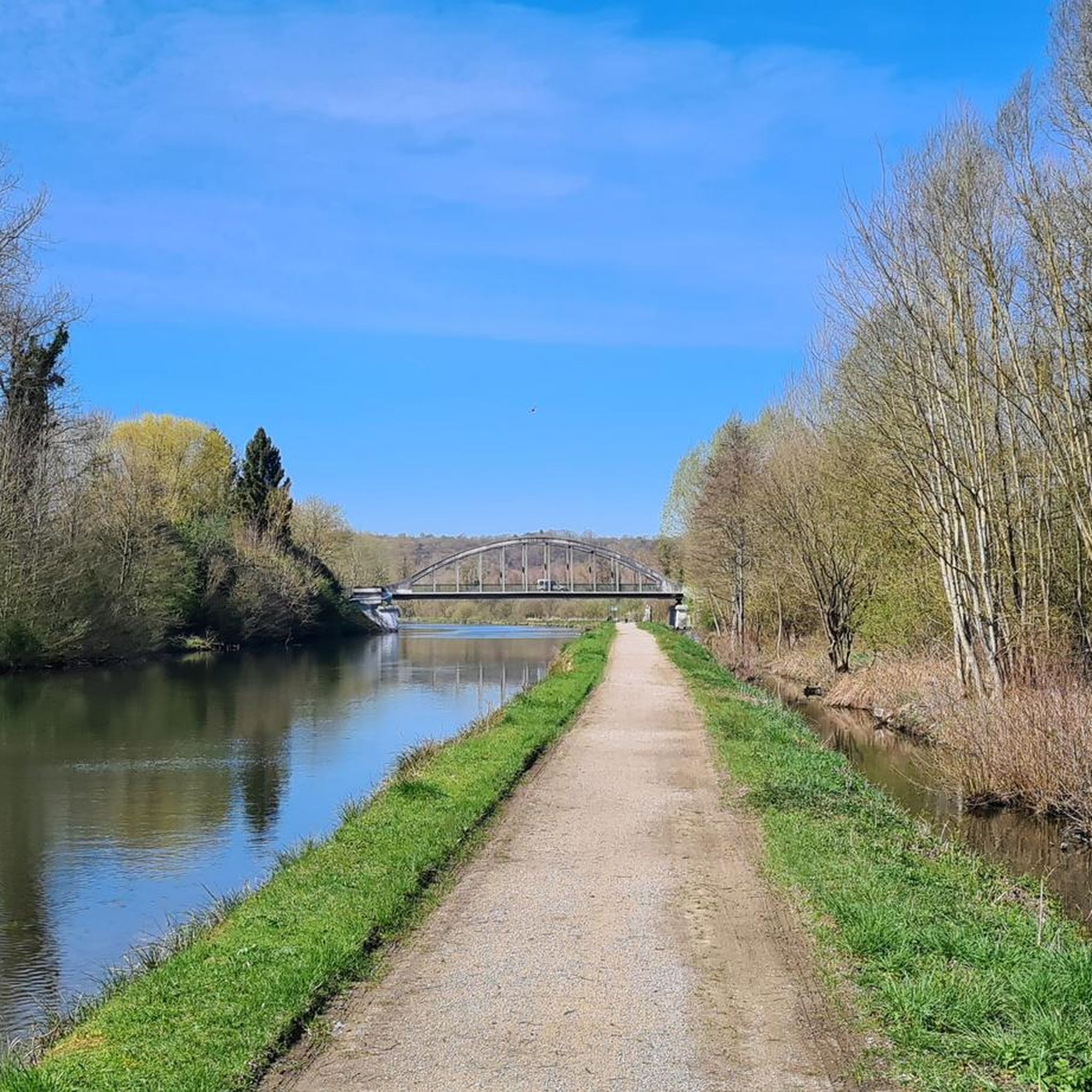
Path from Corbie to Sailly-le-Sec
Highlight (Segment) • Trail
Translated by Google •
Tip by

Villers-Bretonneux Australian National Memorial
Highlight • Monument
Translated by Google •
Tip by

Sign up now to discover places like this
Get recommendations on the best single tracks, peaks, & plenty of other exciting outdoor places.
Sign up for free
Faidherbe Column
Highlight • Viewpoint
Translated by Google •
Tip by

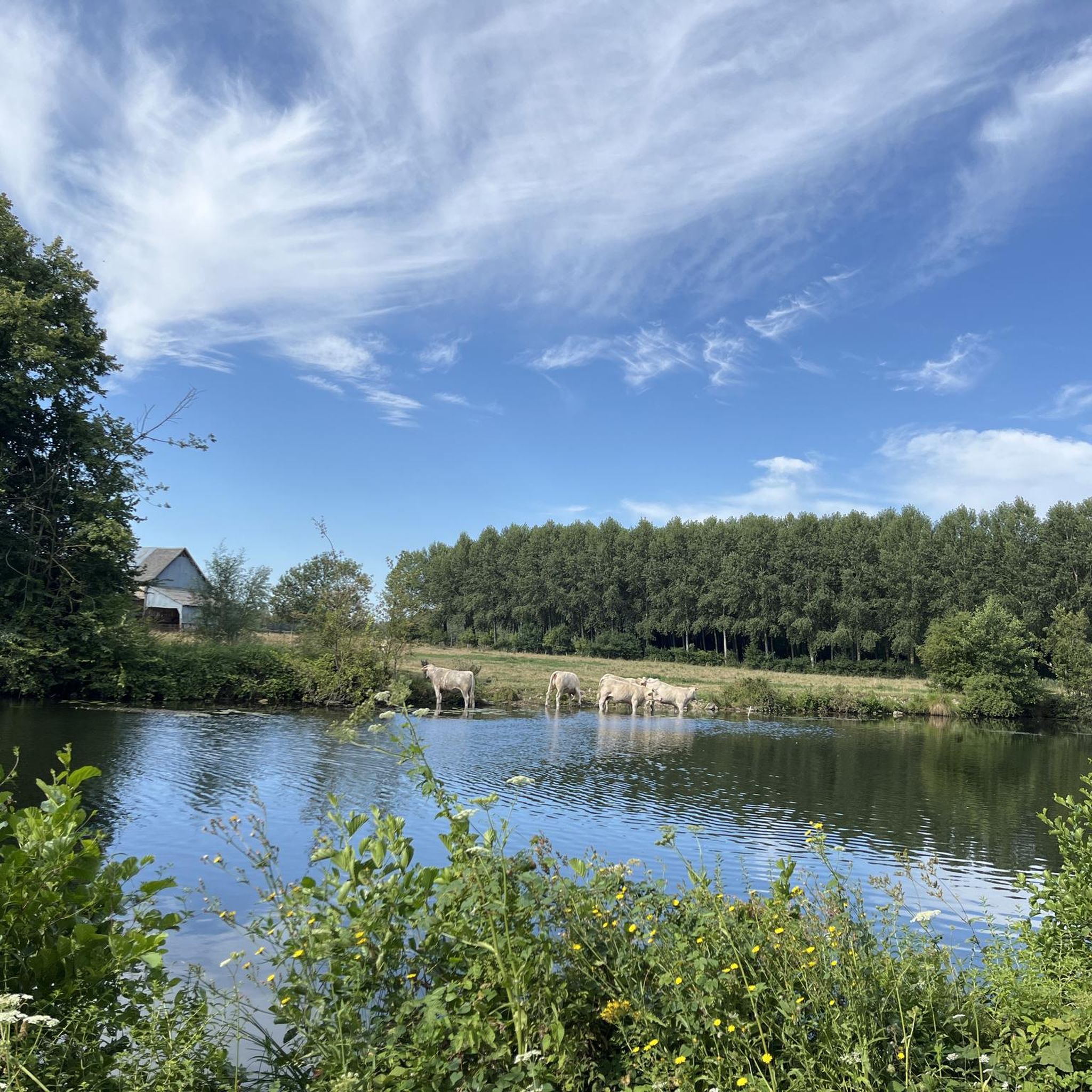
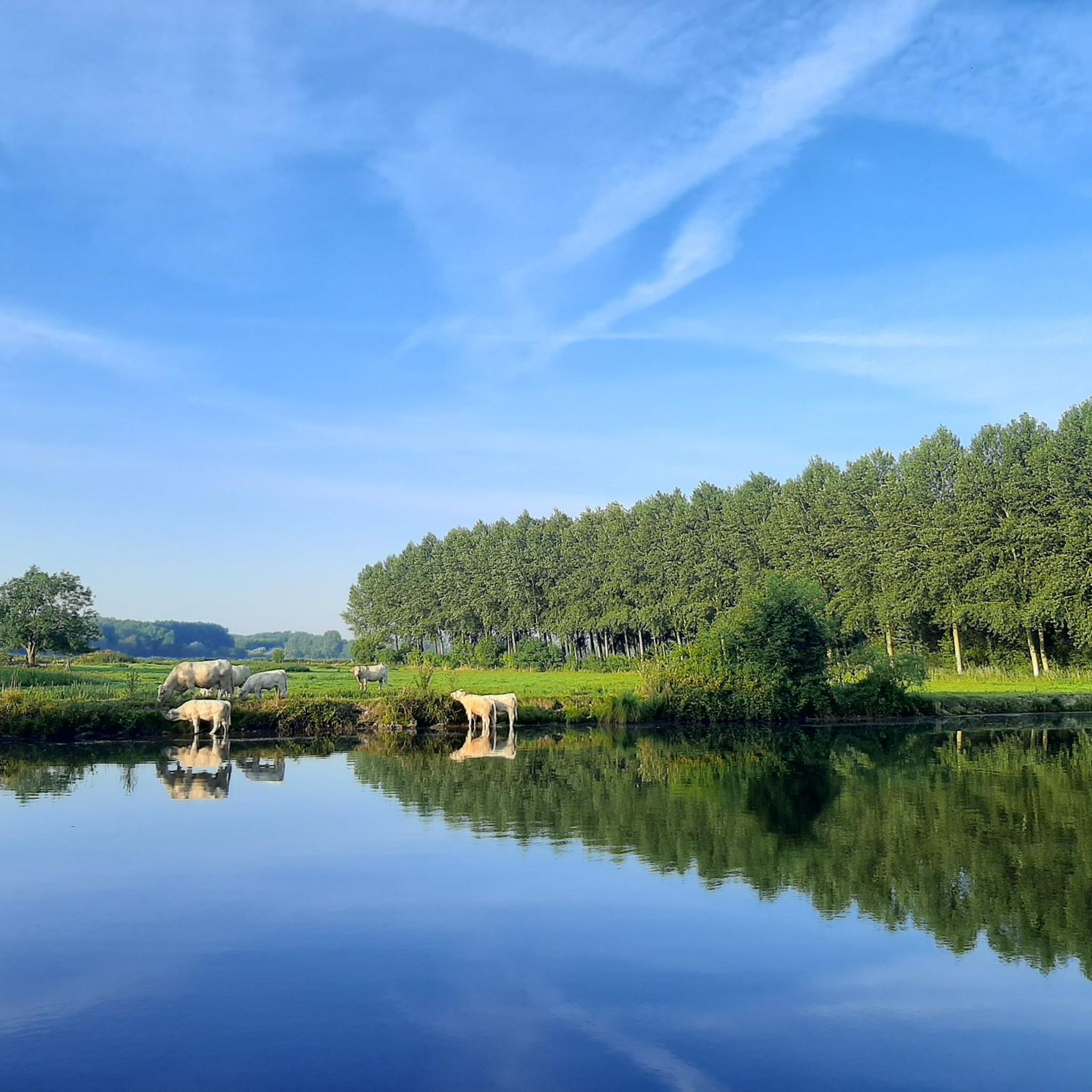
Les Étangs de la Barette
Highlight • Lake
Translated by Google •
Tip by
Saint Peter's Abbey Church, Corbie
Highlight • Other
Translated by Google •
Tip by
Sign up for free to discover even more attractions around Vaux-Sur-Somme.
Sign up for free
Already have an account?
Start today with a free account
Your next adventure awaits.
Login or Signup


Tips from the Community

Nice view of the ponds and the villa "Les étangs".
0
0

Towpath on both sides. Feel free to explore.
0
0
Gravel path, mostly tarmacked.
0
0


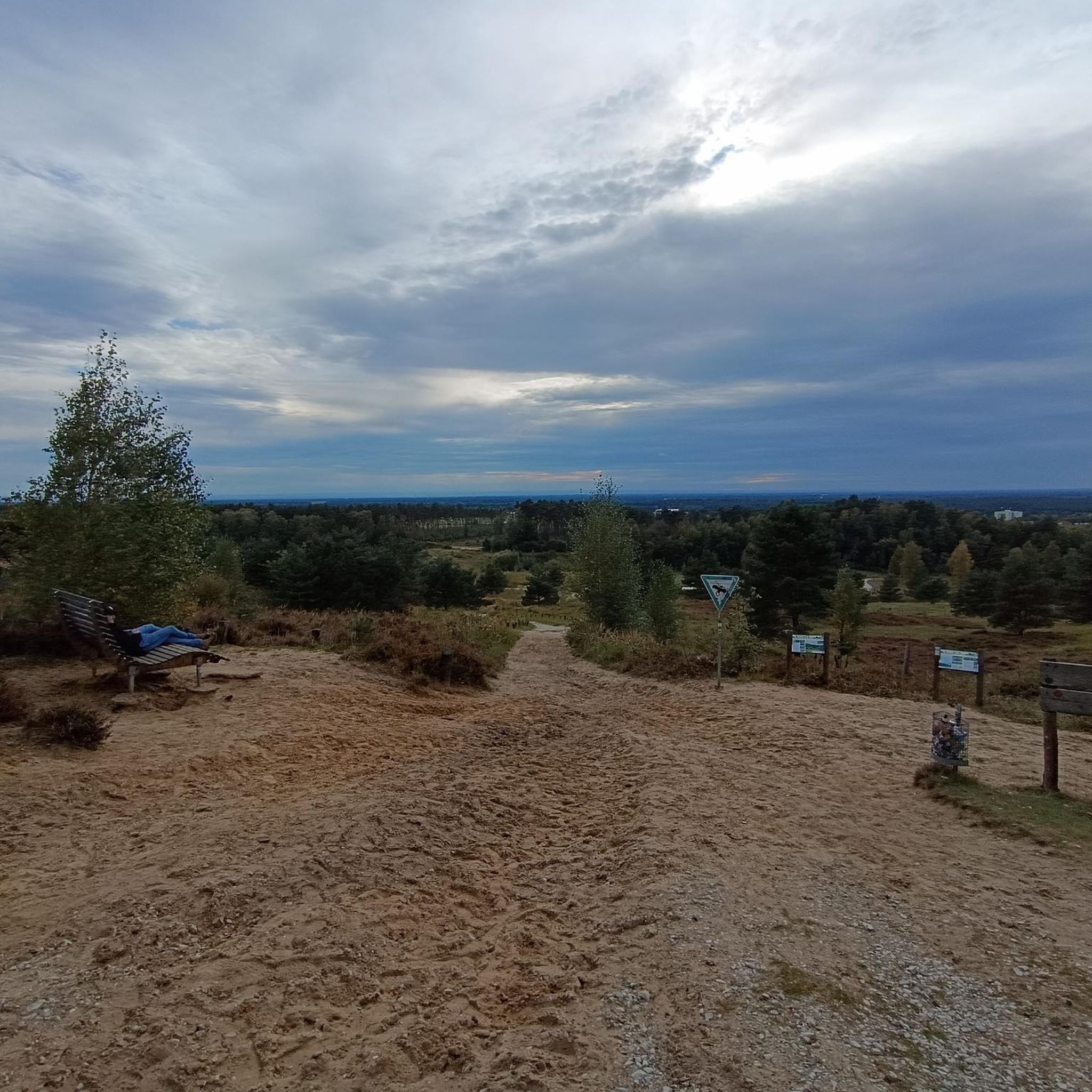
The climb is indeed steep, but it is worth it to admire the panorama and the Column.
0
0

The Saint-Pierre de Corbie Abbey Church is a Gothic church which was once the main building of a powerful Benedictine abbey. Founded in the 7th century by Queen Bathilde, the abbey played an important role in the Carolingian Renaissance and produced numerous manuscripts and missionaries. The church itself has been rebuilt several times following fires and wars, and today only a third of its original length remains. You can admire its impressive façade, its high vaults and its rich furnishings, as well as discover the history of the abbey and the town of Corbie at the nearby museum. The Abbey Church of Saint-Pierre de Corbie is a monument that will take you back in time and will inspire you with its beauty and its heritage.
2
0

As a memorial to the endless number of war dead, such a “Cimetiere militaire” – in German they are usually referred to as a “war cemetery” or “soldiers' cemetery” – is still very important today. “Now you, Lord, let your servant depart in peace, as you said...” it says in the so-called “Song of Simeon” (Gospel of Luke chapter 2, verse 29). However, the many people buried here by no means died in peace, but rather became victims of war and an inhumane tyranny. The most important and at the same time enduring function of military or honorary cemeteries or war cemeteries is to keep the memory of this suffering alive and - every generation anew (!) - to remind us of the lasting preservation of peace.
3
0
The Etangs de la Barette are a natural site of approximately 40 hectares located in the communes of Corbie and Vaux-sur-Somme. The site is made up of large artificial ponds which were dug by the monks of Corbie Abbey to serve as a fishpond, then used for peat extraction in the 19th century. You can enjoy the view of the water and wetlands, and observe the diverse flora and fauna that populate the site. You will also be able to see the Blue Fountains, water springs that appear blue due to the reflection of sunlight on the chalky bottom. The Etangs de la Barette are an ideal destination for nature lovers who wish to discover a rich and preserved environment.
5
0
Frequently Asked Questions
What historical landmarks can I visit in and around Vaux-sur-Somme?
The region is rich in history. You can visit the Villers-Bretonneux Australian National Memorial, which commemorates Australian soldiers from WWI and offers panoramic views from its tower. Another significant site is the Faidherbe Column, a monument to the Battle of Hallue during the Franco-Prussian War, also providing extensive views. Within Vaux-sur-Somme itself, explore the Église Saint Gildard, built in 1836, and the "Le Baron Rouge" Memorial, dedicated to Manfred von Richthofen. Nearby, the Saint Peter's Abbey Church in Corbie is a notable neo-Gothic religious building with a rich history.
Are there any natural areas or reserves to explore near Vaux-sur-Somme?
Yes, the area boasts significant natural beauty. The Marais de Vaux and Vallée de Sailly (also known as Vallée d'Ornival) are part of the Natura 2000 network, featuring peat wetlands and calcareous hillsides known as 'larris' with colorful spring flowers. You can also visit the Réserve naturelle de l'Étang Saint-Ladre for wildlife observation. The Les Étangs de la Barette, artificial ponds originally dug by monks, offer beautiful views of wetlands and diverse flora and fauna.
What kind of outdoor activities can I do in the Somme Valley near Vaux-sur-Somme?
The Somme Valley is ideal for various outdoor activities. You can enjoy walking, cycling, and canoeing along the towpath of the Somme River. For specific routes, explore the hiking trails around Vaux-sur-Somme, the road cycling routes, or the mountain biking trails. A popular option is the Path from Corbie to Sailly-le-Sec, an approximately 15-kilometer route along the Somme River, perfect for hikers of all abilities.
Are there family-friendly attractions around Vaux-sur-Somme?
Absolutely. The Villers-Bretonneux Australian National Memorial is considered family-friendly, offering historical insight and a tower climb for views. The Les Étangs de la Barette are also a great spot for families to enjoy nature, observe wildlife, and take leisurely walks around the ponds.
What is the best time to visit Vaux-sur-Somme for outdoor activities?
Spring is particularly beautiful for outdoor activities in the region. The 'larris' (dry grasslands) on the calcareous hillsides, such as those in the Vallée de Sailly, display a multitude of colorful flowers during this season, making walks and hikes especially scenic.
Where can I find panoramic views of the surrounding countryside?
For stunning panoramic views, climb to the top of the tower at the Villers-Bretonneux Australian National Memorial. Another excellent spot is the Faidherbe Column, which overlooks the Hallue valley. Additionally, the south tower of the Saint Peter's Abbey Church in Corbie offers exceptional views of the Somme Valley.
Are there any WWI related sites or museums nearby?
Yes, the area is significant for WWI history. The Villers-Bretonneux Australian National Memorial is a key site honoring Australian soldiers. In Vaux-sur-Somme, you'll find the "Le Baron Rouge" Memorial, commemorating Manfred von Richthofen. Further afield, the Somme 1916 Museum in Péronne (approximately 28 km away) provides a comprehensive look at the Battle of the Somme.
What are the Wheels of the Old Mill in Vaux-sur-Somme?
The Wheels of the Old Mill are stone remnants of an 18th-century mill that operated in Vaux-sur-Somme between 1709 and 1732. Located opposite the village square, they serve as a historical testament to the village's past activities and heritage.
Can I cycle along the Somme River?
Yes, the towpath along the Somme River is suitable for cycling. There are several routes available, including the road cycling routes around Vaux-sur-Somme and MTB trails that utilize sections of the towpath, offering picturesque views of the river landscapes.
What is the Église Saint Gildard de Vaux-sur-Somme known for?
The Église Saint Gildard de Vaux-sur-Somme, built in 1836, is notable for its Neo-Grecian architectural style, featuring two central columns. It houses the painting of the Annunciation, which is listed as a historical monument. Uniquely, this church survived World War I unscathed.
Are there any notable gardens to visit in the vicinity?
While not directly in Vaux-sur-Somme, several remarkable gardens are within a reasonable driving distance. These include Le Clos Alexandre (18km), Jardin du château de Maizicourt (43km), and Parc du château de Sericourt (45km), offering diverse horticultural experiences.
What do visitors enjoy most about the attractions around Vaux-sur-Somme?
Visitors particularly appreciate the blend of historical significance and natural beauty. The panoramic views from monuments like the Villers-Bretonneux Australian National Memorial and the peaceful, scenic walks along the Somme River, such as the Path from Corbie to Sailly-le-Sec, are frequently highlighted. The opportunity to connect with WWI history and explore diverse natural landscapes like the wetlands and 'larris' also receives high praise.
Most popular routes around Vaux-Sur-Somme

Get inspired with the komoot mobile app


Explore more
Still not found the Highlight you’re looking for? See guides of the top attractions in other regions:
