The best road cycling routes around Beauregard-De-Terrasson
4.1
(27)
1,077
riders
121
rides
Road cycling routes around Beauregard-De-Terrasson traverse a varied terrain within the picturesque Dordogne department, characterized by rolling hills, dense forests, and agricultural valleys. The region is situated near the Vézère Valley, offering scenic views of the meandering river and surrounding countryside. Many routes feature well-paved surfaces, with options ranging from dedicated greenways along river valleys to more challenging paths with significant elevation gains. This landscape provides a dynamic and engaging cycling experience for various fitness levels.
Best road cycling routes…
Last updated: July 13, 2026
2
riders
55.7km
03:04
930m
930m
Hard road ride. Very good fitness required. Mostly well-paved surfaces and easy to ride.
106
riders
114km
05:25
1,480m
1,480m
Hard road ride. Very good fitness required. Mostly well-paved surfaces and easy to ride.

Sign up for free
75
riders
145km
06:54
1,930m
1,930m
Hard road ride. Very good fitness required. Mostly well-paved surfaces and easy to ride.
50
riders
Moderate road ride. Good fitness required. Mostly well-paved surfaces and easy to ride.
50
riders
147km
06:46
1,760m
1,760m
Hard road ride. Very good fitness required. Mostly well-paved surfaces and easy to ride.
Get access to more routes and recommendations from other explorers.
Sign up for free
Already have an account?
Our route recommendations are based on thousands of hikes, rides, and runs completed by other people on komoot.
Start today with a free account
Your next adventure awaits.
Login or Signup
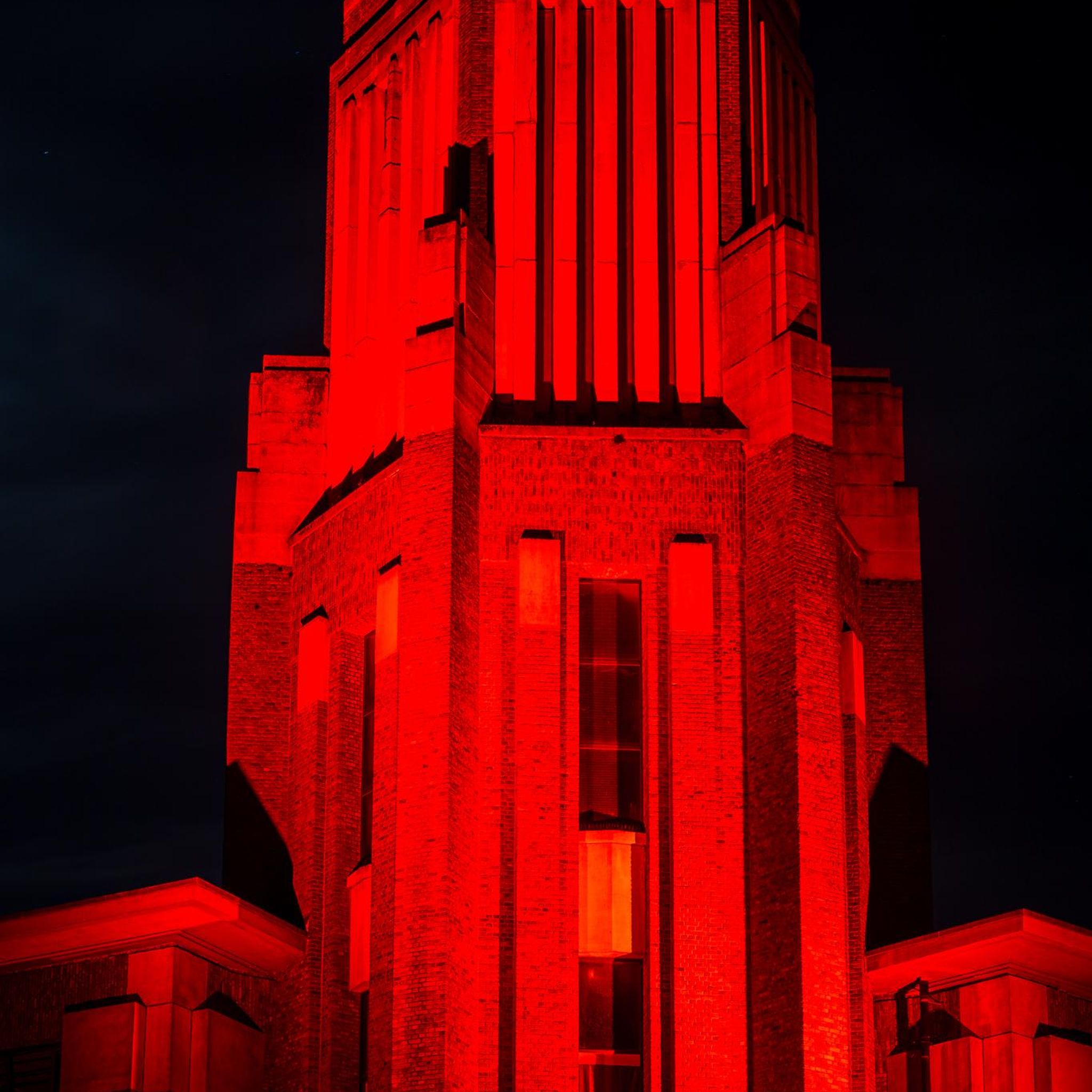
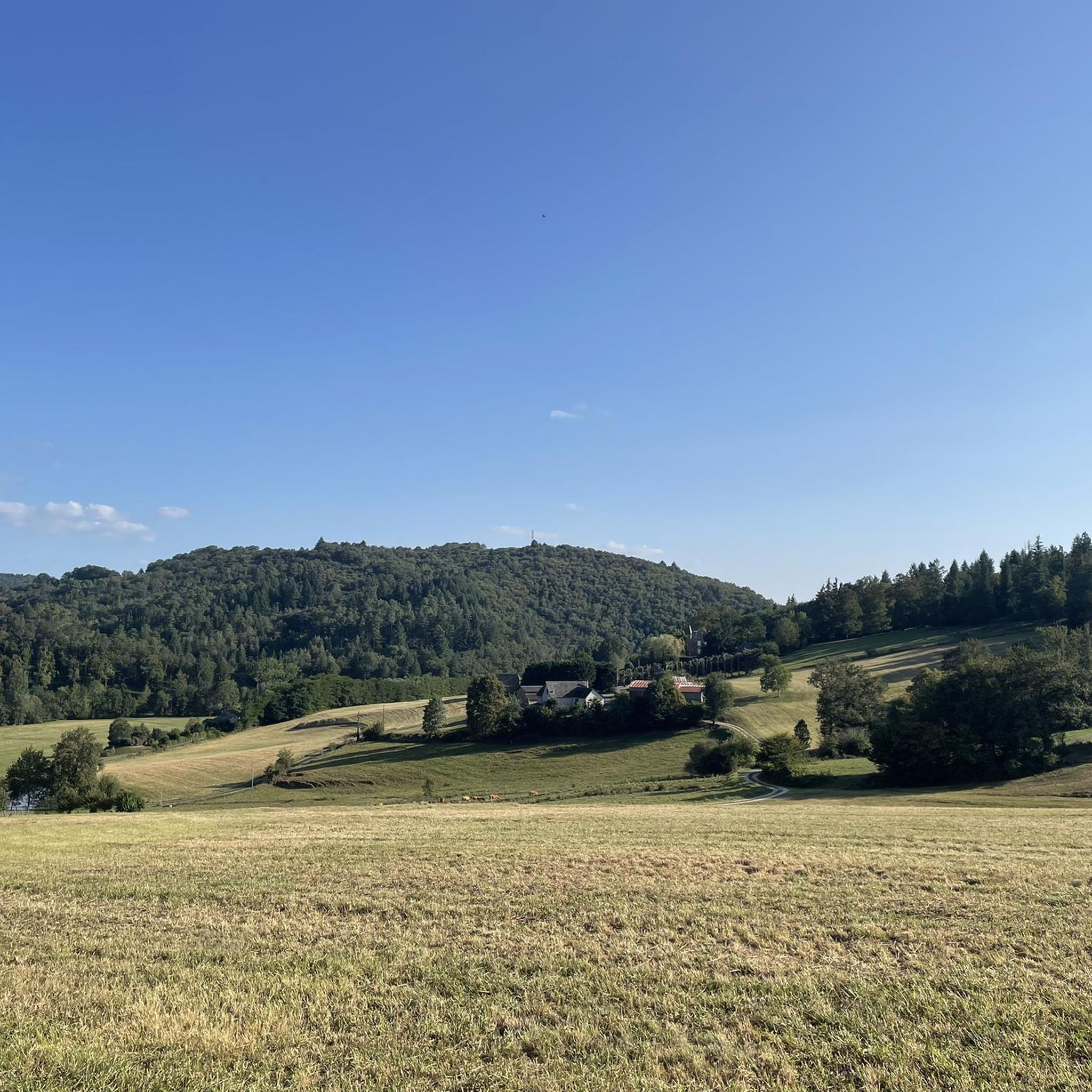

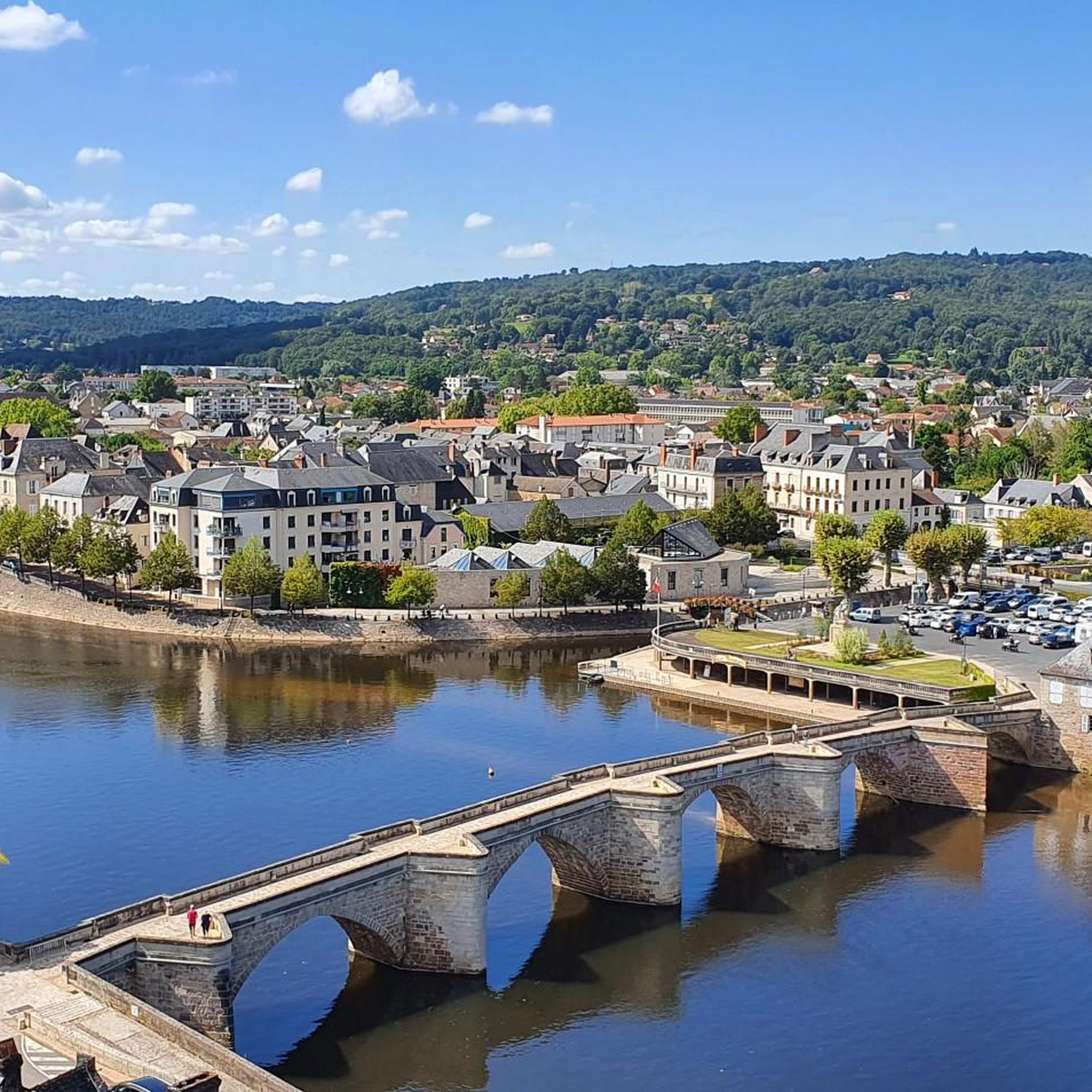
Tips from the Community

Beautiful small village with a good variety of places to eat. Strongly recommend SmooVie Grigotheque and Le Dejeuner sur l’Herbe
0
0

Hautefort Castle, located on a rocky outcrop overlooking the town and village of Hautefort, is a rare example of classical architecture in the Dordogne. Built from the 16th to the 17th century on the foundations of an old castle, its architecture is reminiscent of the castles of the Loire. The construction, led by architects Nicolas Rambourg and Jacques Maigret, was intended for the family of the Marquis de Hautefort, close to the king and influential at Court, renowned for their generosity towards the poor. During the Revolution, the castle was protected by the inhabitants of Hautefort, who repelled a revolutionary troop from Excideuil wanting to destroy it. At the beginning of the 20th century, the castle was in ruins, having lost its furniture, its woodwork and parquet floors. In 1929, it was bought by the Baron and Baroness de Bastard, who undertook a complete restoration. After the Baron's death in 1957, the Baroness continued the work alone. A fire in 1968 destroyed the central building, leaving only the charred exterior walls. Thanks to national and local generosity, as well as the support of personalities, Baroness de Bastard undertook a second restoration, even selling her works of art to finance the work. The facades, frames, ceilings, decorations and rooms were reconstructed identically from photos. The woodwork of the Château de Kerlaudy was recovered and the castle was completely refurnished. In 1977, Baroness de Bastard moved back into the castle and opened it to visitors. In 1984, she created the Château de Hautefort Foundation, to which she donated the building, its estate and its furniture. Today, the interiors not open to the public are still being restored. The French gardens, recreated by the baron and baroness, extend into terraces around the castle, with flowered boxwood embroidery beds and are classified as historic monuments. An English-style park of 30 hectares extends on the hill to the west of the castle.
0
0
Here, nature is exuberant, the shaggy moss and century-old boxwood refresh the walker, accompanied by the sound of flowing water. The dull roar of the Saut Ruban waterfall announces one of the most magical places in our forests, of which mouflons are the guardians. The discreet marked hiking trails guide you to the land of fairies and trolls. The Auvézère has its source in the Massif Central and winds westwards to enter the Dordogne where it flows into the Isle. With its unique fauna and flora, these crystalline and winding gorges, sometimes steep, are a hiker's paradise... It is between Savignac-Lédrier and Génis that it enters winding crystalline gorges that are sometimes very steep. They are equipped with particular flora and fauna, adapted to this very pronounced relief, with the mouflons as stars. The river offers majestic waterfalls, which reveal its torrential charm, notably that of Saut-Ruban in Saint-Mesmin. Experienced kayakers come here to train and organize national competitions.
1
0
The Hôtel-Dieu d'Hautefort dates from the 17th century and today houses the Hautefort Museum of the History of Medicine and also the tourist office. In Old French, Hôtel-Dieu meant “the hotel of God”, that is to say the hospitable house where one is received in the name and under the auspices of God. Hotels Dieu are hospitals of ancient foundation, which received orphans, destitute and pilgrims and which were administered by the Church. During your visit, you will be able to discover 7 rooms dedicated to different themes: The room of the eternal father: Originally the hotel god was designed to accommodate 11 women, 11 men and 11 children, the number 33 symbolizing the age of Christ. The room of the eternal father is a reconstruction of a room as it must have been at that time to accommodate eleven men. Also in this room, a reproduction of an abandonment tower: also called a “baby box”, this is a place where mothers could anonymously leave their babies, generally newborns, so that they are found and cared for there. The room of the divine word: Here is an exhibition of liturgical vestments. The Hippocrates room: This room is dedicated to pharmacy and biology equipment for the manufacture of medicines The Plato room: You will find four dental offices from different eras on display there from 1910 to 1970. from the first use of electricity to the office with x-ray and laser. The Aristotle room: This room is dedicated to the history of radiography and to gynecology and obstetrics. The Galien room: Pneumology, surgery and cardiology are exhibited in this Galien room. The chapel A Simples garden allows you to discover all these plants that are so useful to your health. A visit is possible with Madame LOUIS Geneviève, herbalist, whose store is close
1
0
The Abbey of Tourtoirac is a Romanesque building from the 11th century which experienced an important monastic life linked to the Abbey of Saint-Martial in Limoges, known in the 13th century for its cultural influence.
0
0

One of the most beautiful villages I know...
0
0

beautiful place and particularly worthwhile Romanesque church
0
1
Imposing path through the rocks below the rock settlement
1
0
Frequently Asked Questions
How many road cycling routes are available around Beauregard-De-Terrasson?
There are over 120 road cycling routes around Beauregard-De-Terrasson, offering a wide range of options for different skill levels and preferences. These routes are highly rated by the komoot community, with an average score of 4.3 stars.
What kind of terrain can I expect on road cycling routes in Beauregard-De-Terrasson?
The region is characterized by rolling hills, dense forests, and agricultural valleys. You'll find well-paved surfaces on many routes, with options ranging from dedicated greenways along river valleys to more challenging paths featuring significant elevation gains. The terrain provides a dynamic and engaging cycling experience.
Are there any easy or family-friendly road cycling routes in the area?
Yes, while some routes can be steep and challenging, the region also offers 'voie vertes' (greenways) and 'véloroutes' (cycle routes) that provide flatter, safer options. These often follow river valleys, utilizing former tow paths or railway lines, making them ideal for leisurely rides and families. There are 11 easy routes available.
What are some scenic highlights or natural features I can see while cycling?
Road cycling routes often provide scenic views of the meandering Vézère and Isle rivers, along with the surrounding countryside. You'll encounter diverse landscapes including rolling hills, dense forests, and areas with remarkable geological formations, such as those carved by the Coly stream. The region's natural beauty, often referred to as Périgord, provides a stunning backdrop for your rides.
What historical sites or landmarks can I visit along the road cycling routes?
The area is rich in historical attractions. You can incorporate visits to charming towns like Saint-Amand-de-Coly, known for its Romanesque abbey, or the picturesque old town of Montignac-Lascaux. Several routes pass by impressive castles, such as Sauveboeuf Castle. The Vézère Valley is also a UNESCO World Heritage site, home to numerous prehistoric sites.
Are there any challenging road cycling routes for experienced riders?
Absolutely. For more active cyclists, routes with moderate to significant elevation gains are available. For example, the Vézère Valley Cycling Loop is a difficult 55.7 km trail with over 900 meters of elevation gain. Another challenging option is the Sauveboeuf Castle – Brouchaud Loop, a difficult 114.7 km path with nearly 1500 meters of climbing.
When is the best time of year for road cycling in Beauregard-De-Terrasson?
The Dordogne region generally offers pleasant cycling conditions from spring through autumn. Spring brings blooming landscapes, while autumn provides comfortable temperatures and beautiful fall foliage. Summers can be warm, but routes through dense forests offer welcome shade. Always check local weather forecasts before heading out.
Are there circular road cycling routes available?
Yes, many of the road cycling routes around Beauregard-De-Terrasson are designed as loops, allowing you to start and finish at the same point. This makes planning your ride and logistics, such as parking, much simpler. For instance, the View on Roque Saint-Christophe – Cycling through the rocks loop is a popular circular option.
What are the options for parking when road cycling in Beauregard-De-Terrasson?
While specific parking areas for each route are not detailed, the region's towns and villages, including Beauregard-De-Terrasson itself, typically offer public parking facilities. For routes starting from specific points, it's advisable to check the route details on komoot for any recommended starting points or parking information provided by other cyclists.
Can I access road cycling routes using public transport in the Dordogne region?
Public transport options in rural Dordogne, while present, may be limited for direct access to all cycling route starting points. However, major towns like Terrasson-Lavilledieu often have bus or train connections. For detailed information on public transport routes and schedules, it's best to consult local transport authorities or plan your journey in advance.
What do other road cyclists enjoy most about the routes in Beauregard-De-Terrasson?
The area is highly rated by the komoot community, with an average score of 4.3 stars from over 30 reviews. Cyclists often praise the varied terrain, from challenging climbs to scenic river valleys, and the well-paved surfaces. The blend of natural beauty and rich historical attractions also makes for a rewarding cycling experience.
Are there any long-distance road cycling trails near Beauregard-De-Terrasson?
Yes, for those seeking longer rides, the region offers extensive routes. The Maison Forte de Reignac – Cycling through the rocks loop is a challenging 142 km route, and the View of Salignac – Cycling through the rocks loop extends to nearly 147 km, providing ample distance for endurance cyclists.
Most popular routes around Beauregard-De-Terrasson
Most popular attractions around Beauregard-De-Terrasson

Get inspired with the komoot mobile app


Explore more
Browse the best Road cycling routes in other regions.
