Attractions and Places To See around Juignac - Top 17
Attractions and places to see around Juignac offer a diverse range of historical landmarks, cultural sites, and natural features within the Charente and Dordogne departments of France. The area is characterized by its rural setting, dotted with picturesque villages and ancient structures. Visitors can explore a variety of sites, from subterranean churches to historic castles and natural peat bogs. This region provides opportunities for discovering local heritage and engaging with the natural landscape.
Best attractions and places to see around…
Last updated: June 24, 2026
Aubeterre-sur-Dronne
Highlight • Settlement
The village is known for its underground church of …
Translated by Google •
Tip by

Viewpoint over the Dronne Valley
Highlight • Other
Translated by Google •
Tip by
Sign up now to discover places like this
Get recommendations on the best single tracks, peaks, & plenty of other exciting outdoor places.
Sign up for free
Château de la Léotardie
Highlight • Castle
Translated by Google •
Tip by

Small cave
Highlight • Other
Translated by Google •
Tip by

Saint-Eutrope Church of Montmoreau
Highlight • Religious Site
Translated by Google •
Tip by

Sign up for free to discover even more attractions around Juignac.
Sign up for free
Already have an account?
Start today with a free account
Your next adventure awaits.
Login or Signup



Tips from the Community

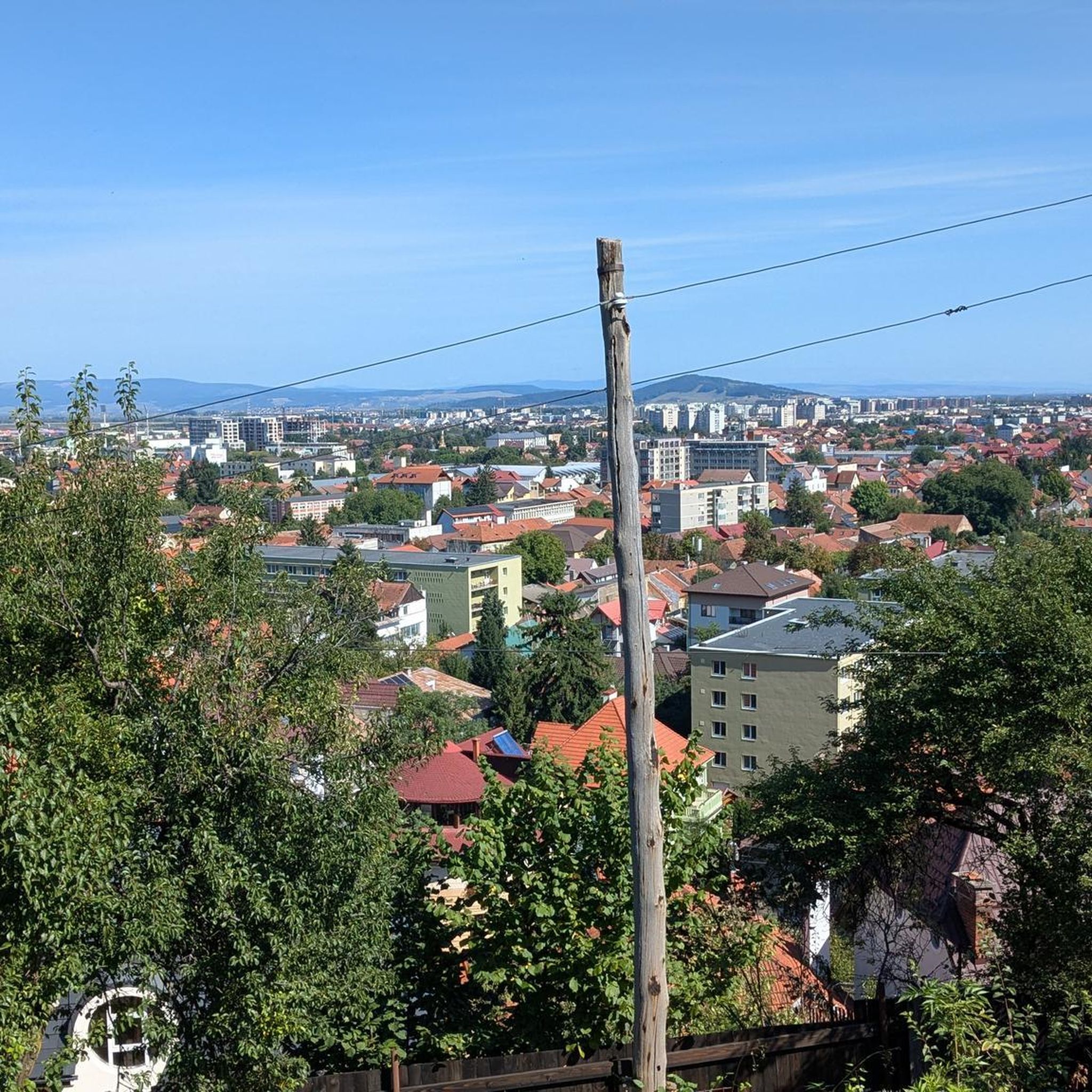
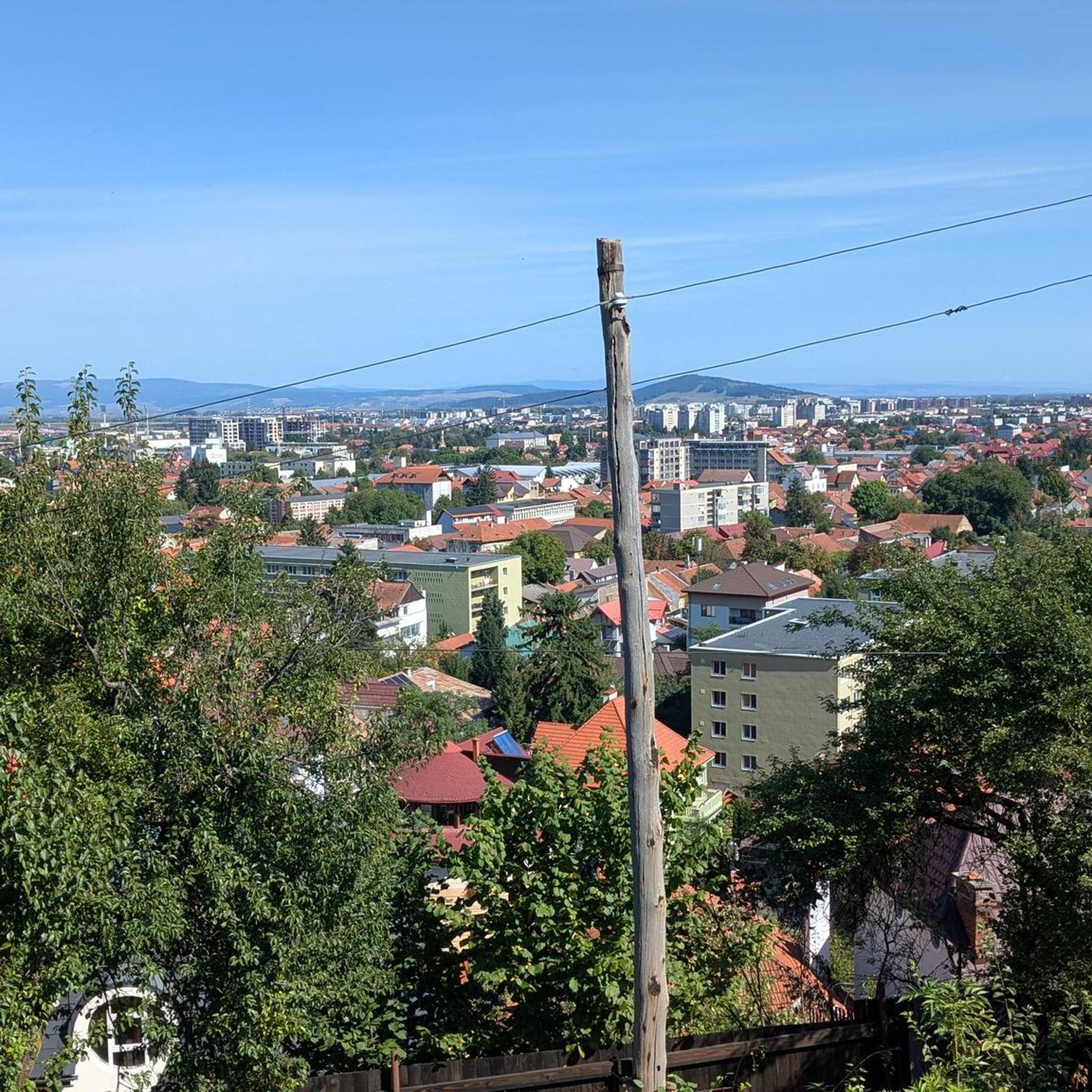
very pretty village, quiet out of season, superb view from the top of the village
0
0

A charming village and home to the largest underground church in Europe. It is officially listed as "one of the most beautiful villages in France." Located in the southern Charente region, it borders the Dordogne, renowned for its historic villages, castles, prehistoric caves, and breathtaking landscapes. In the heart of the village, a lovely square awaits you, lined with terraces and restaurants. Enjoy strolling through its narrow, cobbled, medieval, and romantic streets, lined with typical stone houses that give the village its special and picturesque character.
0
0

Château de La Léotardie in Nonac, in Charente, not in Dordogne. Listed as a Historic Monument, Château de la Léotardie in Nonac was originally the property of Hélie Léotard, then Archdeacon of Bourges. Part country house, part monastery, this former fortified castle was largely rebuilt in the 14th century and then renovated in the 15th. Visitors can discover a vaulted room and an ogival doorway on the ground floor. It is also possible to admire a medieval triple-nave barn a few hundred meters away. https://www.france-voyage.com/villes-villages/nonac-2918/chateau-leotardie-12663.htm
0
0
Primitive in style, built in the 11th or 12th century, the Saint-Eutrope church was built on the site of a previous place of worship. It was first a perpetual vicariate dependent on the abbey of Cluny. The building was restored and modified at the end of the 19th century by the architect Paul Abadie who mainly had the bell tower remodeled by adding a second floor, consisting on each side of three bays with two arches on a straight foot and topped with a fairly high pyramidal spire. It has a wooden frame covered in slate. Shortly before the storm of 1999, some work was carried out in order to restore its former character, in particular the unvaulted nave, thus revealing the original wooden frame. This work made it possible to uncover a small door leading to the outside located to the left of the nave and near the choir. Door that can be found in many Romanesque churches (such as the church of Montmoreau). The location of these doors is said to evoke the lance thrust to the heart that Christ received on the cross. This opening was transformed into a niche to house the statue of the Virgin and Child Jesus. The bell tower houses two bells: the first weighs 110 kg and dates from 1725, the second weighs 375 kg and dates from 1890. The exterior staircase leading to the bell tower is very special. It is of the self-supporting type: that is to say that each step sealed in the wall rests partially on the previous one. There are two other staircases of this type in the town. https://www.montmoreau.fr/index-module-orki-page-view-id-115.html
0
0

Why Visit Château de la Léotardie? For its enchanting setting: Nestled in the heart of the Périgord countryside, the château is a haven of peace where you can recharge your batteries while admiring a magnificent example of Renaissance architecture. For its history: This place full of history allows you to discover a part of the rich past of the Périgord, with architecture that reflects the art of living and elegance of yesteryear. For its role in social and event life: The château offers a perfect setting for private events or receptions, with beautifully designed indoor and outdoor spaces. Château de la Léotardie is a hidden gem in the Dordogne, combining history, elegance and nature. It is a place to discover for those looking to explore an authentic corner of Périgord heritage.
1
0
Park and Gardens: Exceptional Natural Setting: Surrounded by vast meadows, woods and gardens, the château offers an idyllic natural setting. Visitors can enjoy quiet strolls in the shaded paths, among century-old trees, or relax while observing the local wildlife. French Gardens: Some of the château's gardens are laid out in a classic "à la française" style, with geometric flowerbeds and boxwood-lined paths, adding to the charm of the place. Intimate and Historical Atmosphere: Venue for Receptions and Events: The Château de la Léotardie is often used for private receptions, weddings and other events, making it a choice venue for those wishing to celebrate in a historic and romantic setting. Authentic Atmosphere: Despite its prestigious past, the château retains an intimate and tranquil atmosphere, offering visitors a true immersion in the history of the Périgord. Proximity to Tourist Sites: Périgord Noir Region: Located close to the famous tourist sites of the Dordogne, such as Sarlat, the caves of Lascaux and the castles of Beynac and Castelnaud, the Château de la Léotardie is an ideal base for exploring the region. Cultural and Natural Heritage: The castle is surrounded by magnificent landscapes, dense forests and rivers, typical of the Dordogne, offering many opportunities for nature lovers, whether it be hiking, canoeing or visiting picturesque villages.
1
0
Frequently Asked Questions
What historical and cultural sites can I explore near Juignac?
The area around Juignac is rich in history. A must-see is the unique Monolithic Church of Saint-Jean in Aubeterre-sur-Dronne, carved directly into the rock. You can also visit the romantic Château de la Léotardie, a 13th-century castle that once served as a monastery. Other notable sites include the impressive 12th-century Saint-Denys Church of Montmoreau, located on a path to Santiago de Compostela, and the historic Château de la Mercerie.
Are there any unique natural attractions or features to discover?
Yes, for nature enthusiasts, the Little Lion Tourbières (peat bogs) in Vendoire offer interesting natural landscapes to explore. You can also find the Moulin de Perdrigeau, an old windmill on a hilltop amidst a forest, providing both cultural and scenic appeal. Additionally, several remarkable gardens like Logis de Forge and Les Jardins du Coq are accessible.
What outdoor activities are available around Juignac?
The region offers various outdoor activities. You can find numerous routes for running, mountain biking, and cycling. For example, there are several running loops around Juignac itself, and mountain biking trails like the Aubeterre-sur-Dronne loop from Saint-Séverin. Cyclists can enjoy longer routes such as the 'Old station portico – Along the Charente River loop'. For those seeking aerial views, a microlight (ULM) platform nearby offers introductory flights. You can find more details on specific routes in the Running Trails around Juignac, MTB Trails around Juignac, and Cycling around Juignac guides.
Are there family-friendly attractions in the Juignac area?
Absolutely! The picturesque village of Aubeterre-sur-Dronne, recognized as one of 'The Most Beautiful Villages in France,' is family-friendly with its charming squares and the fascinating Monolithic Church of Saint-Jean. The Base de loisirs de Poltrot also offers various outdoor activities suitable for families. Additionally, the Plage d'Aubeterre provides a relaxing spot by the water.
Can I find any castles or châteaux near Juignac?
Yes, the region is dotted with historical castles. Besides the romantic Château de la Léotardie, you can explore the Château de la Mercerie, a notable historic manor, and the Château de Villebois-Lavalette. The village of Chalais also features an ancient castle.
What are some picturesque villages worth visiting close to Juignac?
The most prominent picturesque village is Aubeterre-sur-Dronne, officially recognized as one of 'The Most Beautiful Villages in France.' It's known for its white-faced houses, scenic belvedere, and cobbled streets. Other charming villages include Charmant, with its small castle, and Chalais. Further afield, Riberac offers a quiet, traditional atmosphere and a large market, while the Bastide de Saint-Aulaye provides a rich heritage to discover.
What is the best time of year to visit Juignac and its surroundings?
The region is generally pleasant from spring to early autumn (April to October). During these months, the weather is ideal for exploring historical sites, enjoying outdoor activities like cycling and hiking, and visiting the picturesque villages. Summer offers warmer temperatures suitable for water-based activities at places like Plage d'Aubeterre, while spring and autumn provide milder weather and beautiful natural scenery.
Are there any Romanesque churches to visit in the region?
The area is rich in Romanesque architecture. The Saint-Denys Church of Montmoreau is an impressive 12th-century example with a distinctive polylobed portal. Other beautiful Romanesque churches include Eglise de Notre Dame in Voulgezac, Eglise de Saint Cybard in Plassac-Rouffiac, and Eglise de Saint Hilaire in Nonac, which is particularly known for its well-preserved crypt with mural paintings.
What do visitors particularly enjoy about the attractions near Juignac?
Visitors frequently praise the unique experience of the Monolithic Church of Saint-Jean, describing it as superb and well-preserved. The village of Aubeterre-sur-Dronne is loved for its charm, white facades, and the breathtaking views from its belvedere. The overall appeal lies in the blend of historical significance, picturesque settings, and the tranquil atmosphere of the French countryside.
Are there any hidden gems or less-known spots worth exploring?
Beyond the main attractions, you might enjoy discovering the 'Small cave' highlight, which is hidden in the rocks and larger than it appears from below. The Abbaye de Maumont, located just under a kilometer from downtown Juignac, also offers a quiet historical site. Exploring the various Romanesque churches scattered throughout the region can also lead to charming, less-frequented discoveries.
Are there any water-based activities or places for wild swimming?
Yes, the Plage d'Aubeterre, located near Aubeterre-sur-Dronne, offers a place for relaxation by the water and is suitable for swimming. The Base de loisirs de Poltrot also provides opportunities for various outdoor activities, which may include water-based options depending on the season.
What kind of hiking trails can I find near Juignac?
While specific hiking trails are not detailed in the provided data, the region's natural features and nearby routes for running and cycling suggest ample opportunities for walking and hiking. You can find easy to moderate routes, often circular, that take you through the scenic countryside, past villages, and historical sites. For more structured routes, consider exploring the Running Trails around Juignac guide, as many running paths are also suitable for hiking.

Get inspired with the komoot mobile app


Explore more
Still not found the Highlight you’re looking for? See guides of the top attractions in other regions:
