The best cycling routes around Combiers
4.5
(26)
244
riders
36
rides
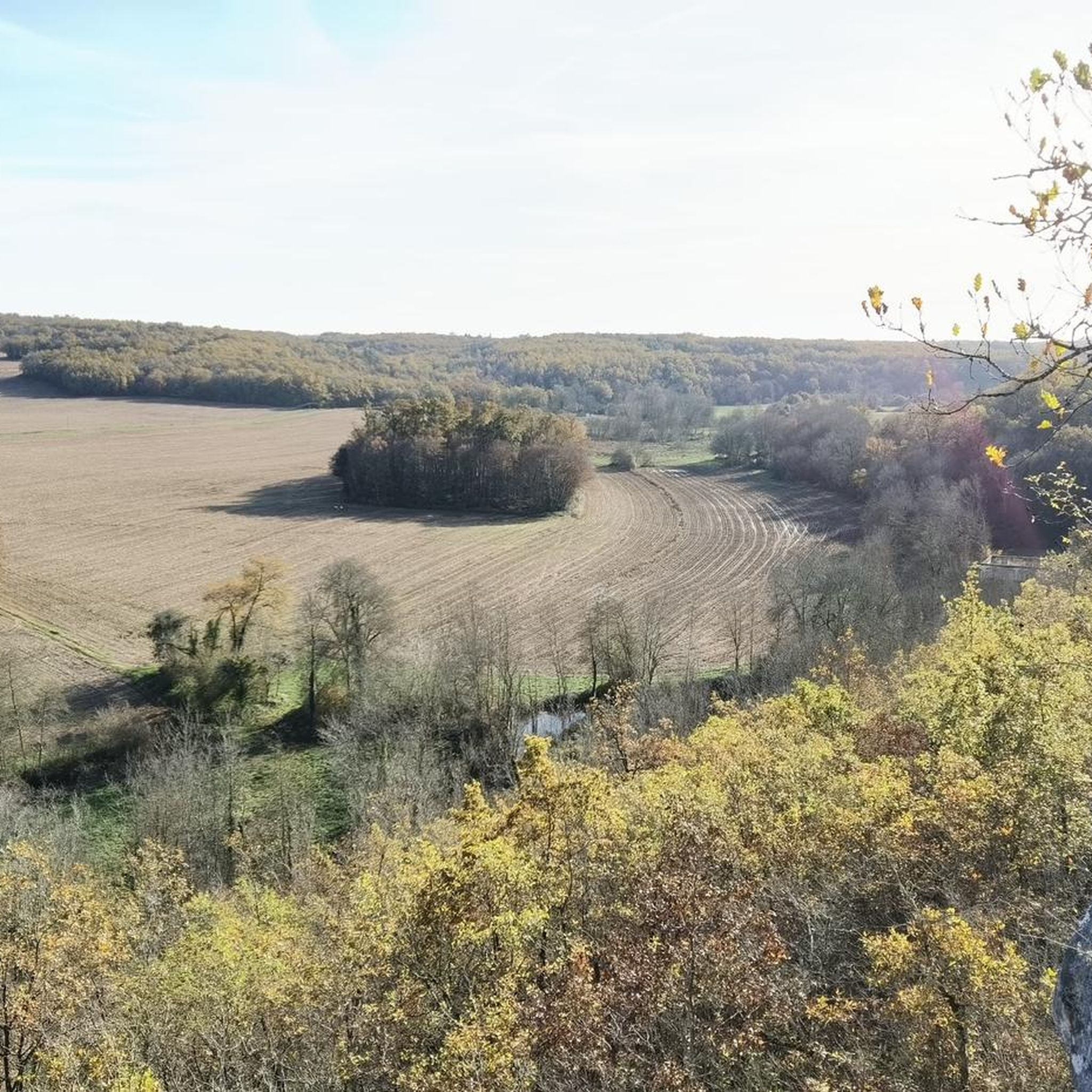
Touring cycling around Combiers offers a diverse landscape characterized by the scenic Nizonne Valley, the expansive Braconne Forest, and the elevated Plateau d'Argentine. The region features varied topography, including sections with minimal elevation changes like the Coulée d'OC, which provides shaded routes ideal for cycling. These natural features combine with historical sites to create a compelling environment for exploring by bike.
Best touring cycling routes around Combiers
- The most popular touring cycling route is Villebois-Lavalette Exploration Loop 54C, a…
Last updated: June 30, 2026
4.7
(14)
111
riders
95.2km
05:49
730m
730m
Hard bike ride. Very good fitness required. You may need to push your bike for some segments of this route.
46
riders
134km
08:18
1,210m
1,210m
Hard bike ride. Very good fitness required. You may need to push your bike for some segments of this route.

Sign up for free
5.0
(1)
11
riders
Hard bike ride. Very good fitness required. You may need to push your bike for some segments of this route.
4
riders
21.9km
01:21
230m
230m
Moderate bike ride. Good fitness required. Mostly paved surfaces. Suitable for all skill levels.
4.5
(2)
6
riders
37.9km
02:24
400m
400m
Hard bike ride. Good fitness required. You may need to push your bike for some segments of this route.
Get access to more routes and recommendations from other explorers.
Sign up for free
Already have an account?
Our route recommendations are based on thousands of hikes, rides, and runs completed by other people on komoot.
Start today with a free account
Your next adventure awaits.
Login or Signup


Tips from the Community

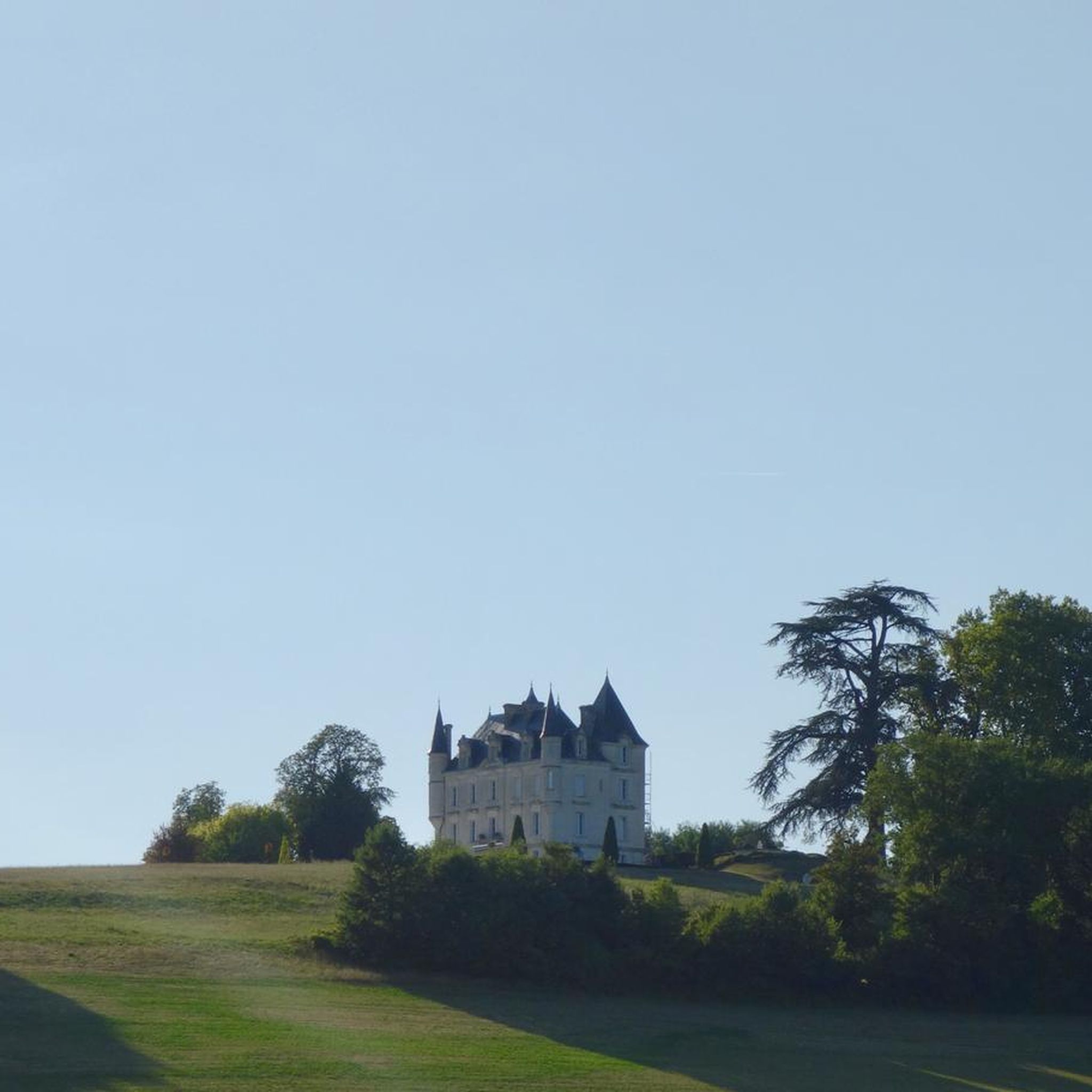
Javerlhac Castle was rebuilt around 1498 by Dauphin Pastoureau, a master blacksmith in Nontron. It is typical of Périgord manor houses, with a rectangular dwelling, a large round tower with machicolations decorated with trefoils, and a polygonal tower housing a spiral staircase. The castle retains defensive features such as gun ports, despite modernization in the early 19th century. It burned down in 1369 during the Hundred Years' War and has undergone several reconstructions. Privately owned, its facades and roofs have been listed as historic monuments since 1974.
2
0

The building, constructed in the 12th century, was enlarged in the 15th century by the north and south aisles dedicated to the Virgin and Saint John the Baptist. It was restored in 1875-1876. It has a basilica plan with a single nave, on which is grafted to the east a false square surmounted by a dome on pendentives and which ends in a vaulted apse. Side chapels with flat chevet were added, to the north and south, in the 15th century. The facade is pierced by a door with a triple projection and an open window. The building was fortified at the time of the Hundred Years' War. The whole is surmounted, to the east, at the level of the dome, by a square bell tower on two levels. The base is decorated with three blind arcades; The upper floor is decorated, on each side, with three semicircular arches mounted on small columns, highlighted by a circular stringcourse and enclosing twin bay windows. https://www.dignac.fr/histoire-et-patrimoine/ https://monumentum.fr/monument-historique/pa00104355/dignac-eglise-saint-cybard
0
0
The Tower is difficult to visualize; you must stay in the castle, which offers guest rooms, to access it.
0
0

Very narrow passage to drive through. You always have to be a little careful.
1
0

Very beautiful castle. Unfortunately you can only visit it from the outside
1
0
Very beautiful mill from the 18th century. Beautifully embedded in the landscape.
2
0

Using the power of moving water to drive a mill wheel is an ancient invention that dates back to pre-Christian times. Thanks to such a construction, human or animal muscle power could be easily replaced by a watercourse - natural or artificial - in order to grind grain into corn or press oil from fruit, for example. There are essentially two different ways of driving watermills: either the water simply hits the blades of the water wheel from below to set it in motion; or the water is guided above the wheel and falls onto the blades; this type of construction is more efficient due to natural gravity.
5
0
Frequently Asked Questions
How many touring cycling routes are available around Combiers?
There are over 30 touring cycling routes available in the Combiers region. These include 1 easy route, 24 moderate routes, and 9 difficult routes, offering options for various skill levels.
Are there any easy touring cycling routes suitable for beginners or families in Combiers?
Yes, Combiers offers routes suitable for beginners and families. The region features sections like the Coulée d'OC, which is known for its paved surface and minimal elevation changes, making it accessible and pleasant for leisurely rides. While there is 1 officially easy route, many of the moderate routes also offer gentle terrain.
Are there challenging long-distance touring cycling routes in Combiers?
Absolutely. For experienced touring cyclists seeking a challenge, Combiers offers 9 difficult routes. An example is the Old station portico – Coulée d'OC loop from Grassac, which covers 59.1 miles (95.1 km) with significant elevation gain, incorporating sections of the well-known Coulée d'OC.
What natural features can I expect to see while touring cycling in Combiers?
Combiers boasts a diverse natural landscape. You can expect to cycle through the scenic Nizonne Valley, alongside the Nizonne River, and explore dense woodlands like the Braconne Forest. The region also features the elevated Plateau d'Argentine, offering varied topography and different perspectives of the area.
Are there any historical or cultural attractions to visit along the touring cycling routes?
Yes, the region is rich in historical and cultural sites. You can visit Le Moulin Martin, an 18th-century working water mill, or explore the unique Cluzeaux d'Argentine, man-made shelters carved into rock. The nearby village of Larochebeaucourt also features a château park with an 'allée de la Vertu' and an 'Arc de Triomphe de la Vertu'.
Are there shaded routes for cycling on hot days in Combiers?
Yes, the region offers excellent options for shaded cycling. The Coulée d'OC is particularly noted for its shaded sections, providing a comfortable experience even on warmer days. Additionally, routes passing through the Braconne Forest offer natural tree cover, making for pleasant rides.
What do other touring cyclists say about the routes in Combiers?
The touring cycling routes around Combiers are highly rated by the komoot community, with an average score of 4.5 stars from over 20 reviews. Cyclists often praise the varied terrain, from river valleys to dense woodlands, and the well-maintained paths like the Coulée d'OC.
Are there any circular touring cycling routes in Combiers?
Many of the touring cycling routes in Combiers are designed as loops, allowing you to start and end in the same location. An example is the Villebois-Lavalette Exploration Loop 54C, a moderate 25.8-mile (41.5 km) route that explores the varied terrain around Villebois-Lavalette.
Are there routes that follow river valleys or forest paths?
Yes, touring cycling in Combiers is characterized by routes that traverse both river valleys and forest paths. You can find trails that follow the scenic Nizonne Valley and its river, as well as paths that lead through the expansive Braconne Forest, offering a diverse and immersive natural experience.
Are there specific routes that incorporate the Coulée d'OC?
Yes, the Coulée d'OC is a significant feature in the region's cycling network. Routes like the Old station portico – La Coulée d'Oc loop from Monastère Notre-Dame-de-Chersonèse, a 63.5-mile (102.3 km) trail, directly incorporate sections of this paved and shaded path, connecting to the broader Flow Vélo network.
What is the best time of year for touring cycling in Combiers?
The region's blend of shaded routes and varied landscapes makes it enjoyable for touring cycling across multiple seasons. Spring and autumn offer pleasant temperatures and vibrant scenery. Summer is also suitable, especially when utilizing the shaded sections of routes like the Coulée d'OC or those passing through the Braconne Forest.
Where can I find parking when accessing touring cycling routes in Combiers?
While specific parking areas are not detailed for every route, many villages and towns in the Combiers region, such as Villebois-Lavalette or Grassac, offer public parking facilities that can serve as convenient starting points for your touring cycling adventures.
Most popular attractions around Combiers

Get inspired with the komoot mobile app


Explore more
Browse the best Cycling routes in other regions.
