Top 5 Castles around Magnac-Lavalette-Villars
Best castles around Magnac-Lavalette-Villars offer a journey through history in a region known for its rich heritage. The area features a variety of historical sites, including ancient fortresses and grand residences. These structures provide insight into centuries of architectural evolution and local history. Exploring these castles allows visitors to discover the cultural landscape of Magnac-Lavalette-Villars.
Best castles around Magnac-Lavalette-Villars
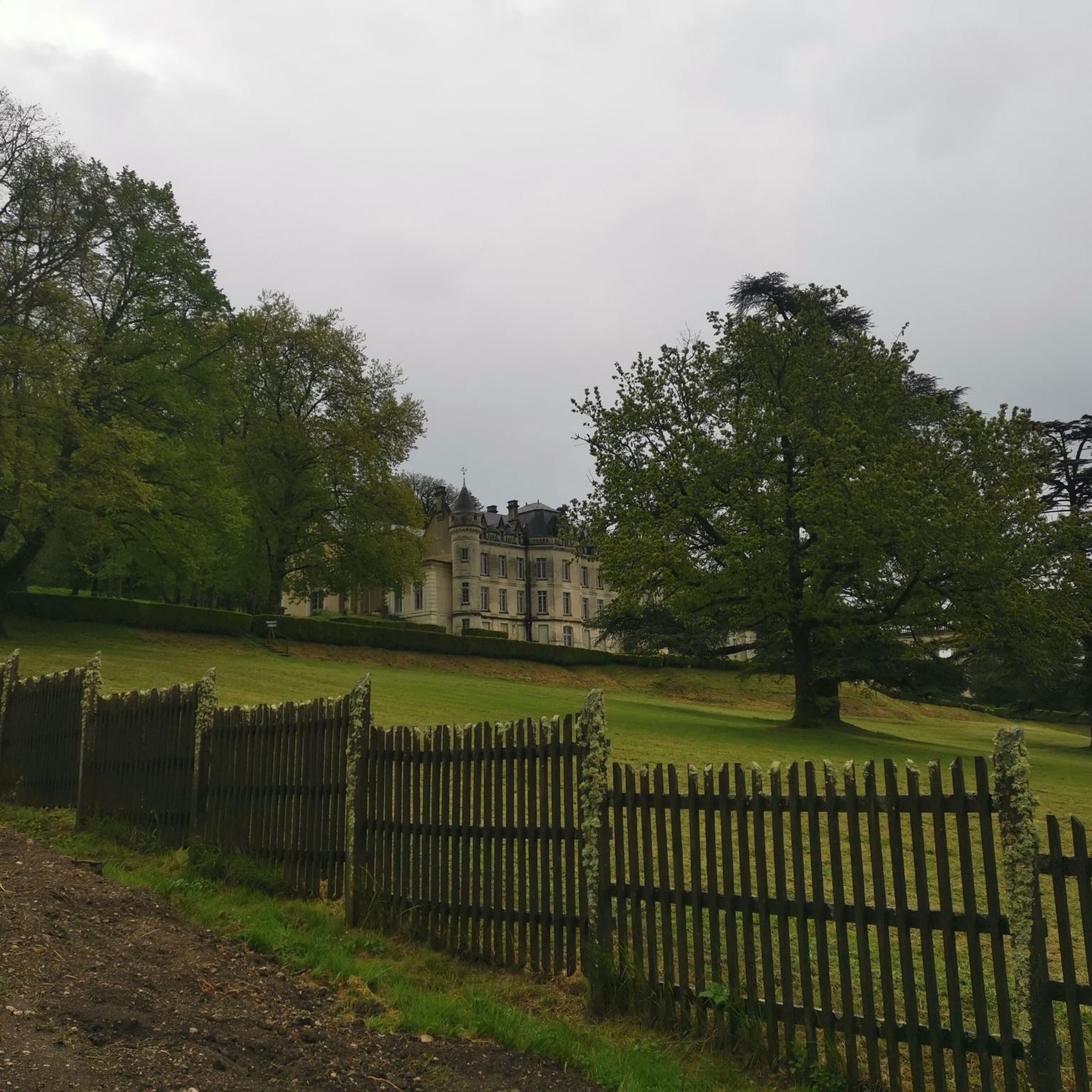
- The most popular castles is Château de la Rochandry, a castle that was rebuilt in Gothic style in the 15th…
Last updated: October 16, 2026
Château de la Rochandry
Highlight • Castle
Translated by Google •
Tip by

Château de la Mercerie
Highlight • Castle
Translated by Google •
Tip by

Sign up now to discover places like this
Get recommendations on the best single tracks, peaks, & plenty of other exciting outdoor places.
Vouzan Castle
Highlight • Castle
Translated by Google •
Tip by
Château de Torsac
Highlight • Castle
Translated by Google •
Tip by
Château de Villebois-Lavalette
Highlight • Castle
Translated by Google •
Tip by
Sign up for free to discover even more castles around Magnac-Lavalette-Villars.
Already have an account?
Start today with a free account
Your next adventure awaits.
Popular around Magnac-Lavalette-Villars
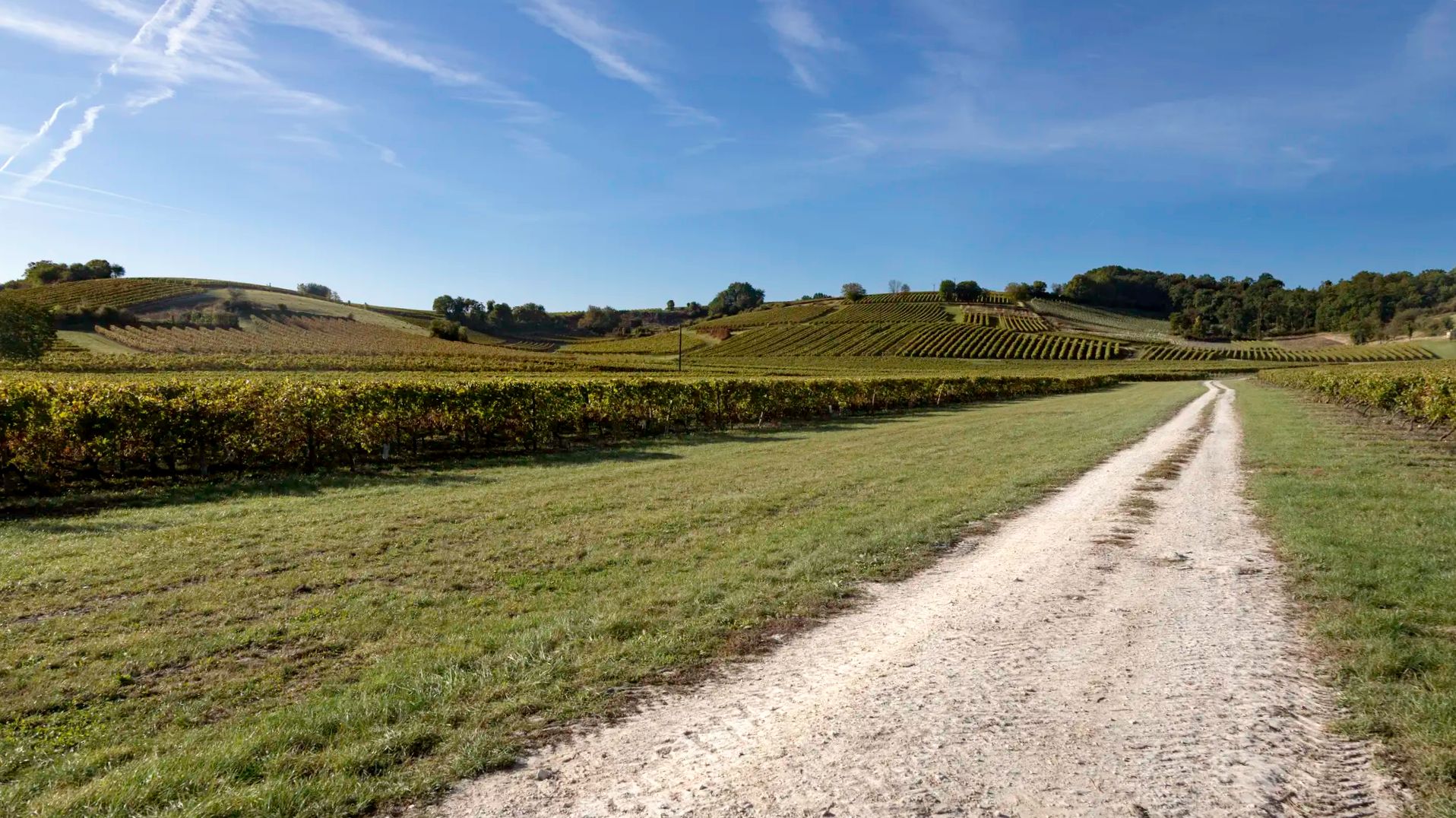
History and local produce – Tour de la Charente MTB

MTB Trails around Magnac-Lavalette-Villars
Hiking around Magnac-Lavalette-Villars
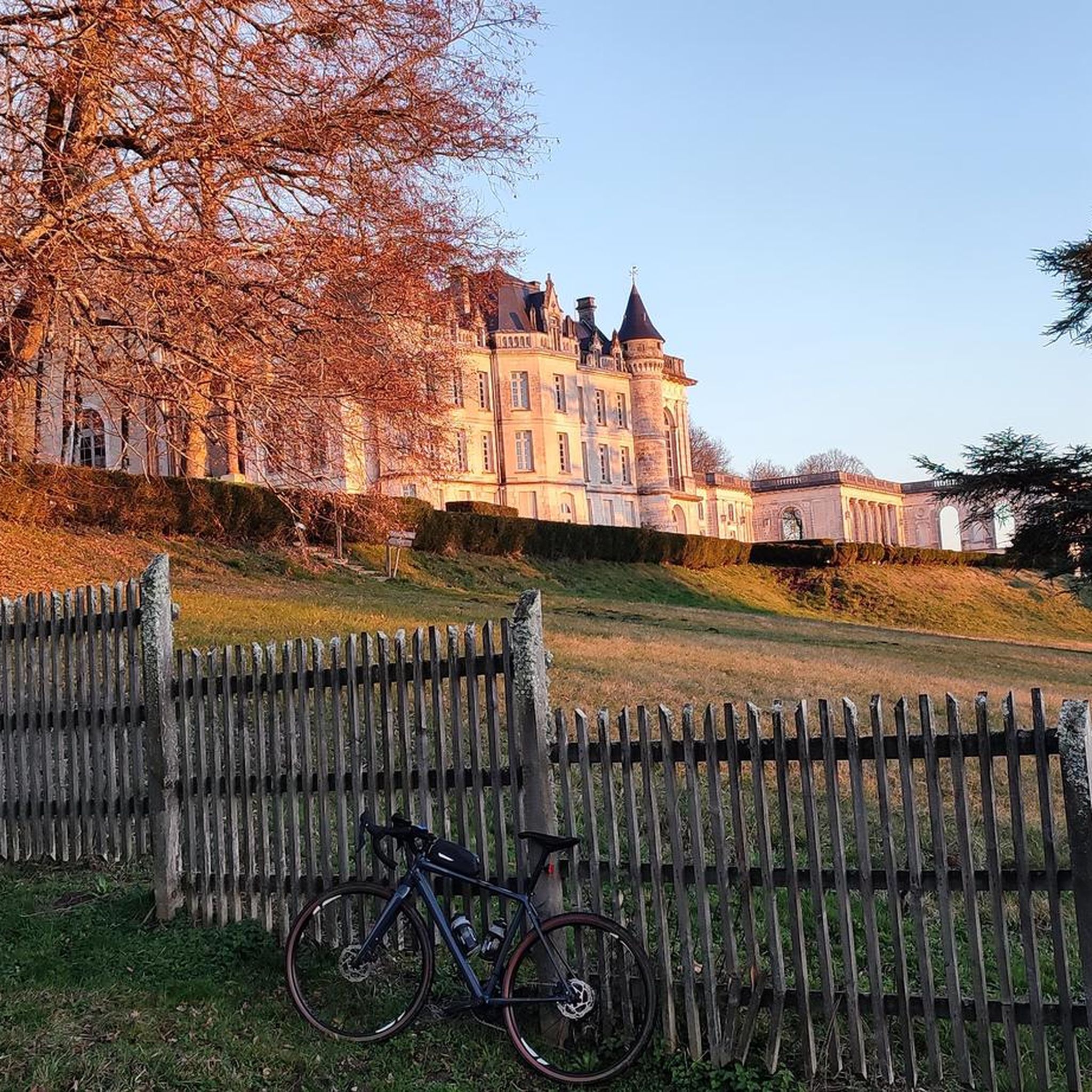
Cycling around Magnac-Lavalette-Villars
Road Cycling Routes around Magnac-Lavalette-Villars
Running Trails around Magnac-Lavalette-Villars

Gravel biking around Magnac-Lavalette-Villars
Other adventures around Magnac-Lavalette-Villars

Tips from the Community

Magnificent little Charentais village, with a small church and its garden
0
0

The extraordinary history of this grandiose residence began in 1924, in the heart of a small 19th century manor (to the left of the current façade): the troubadour castel of La Mercerie was then acquired by Alphonse and Raymond Réthoré. From then on, the two brothers, dreaming of the great Versailles, devoted all their resources to enlarging and embellishing the building. The work undertaken is commensurate with the ambition that drives it. Outside, colonnades and balusters in white stone soon extend the first building. the cut stone increases the gigantism and the rigor of a facade with a perfect rhythm. Inside, nothing is too beautiful for La Mercerie, Raymond brings back from his travels furniture and paintings, chandeliers and precious woods, marbles from Italy, azulejos from Portugal etc. He returns from Italy with a painter sculptor who will carry out on the spot the most monumental decorations with the assistance of the inhabitants of the country. The treasures are piling up, but 30 years of work will not be enough to complete the colossal project. The collections are dispersed during auctions in June 1987. When the two brothers died, the castle fell into oblivion, until the mobilization of the inhabitants of the town, who decided to found an association to safeguard this unique and prestigious heritage. The Béruges room, the central living room, the Vernet living room, the vestibule, the mahogany gallery and the large Azulejos gallery, each more impressive than the last, now fully conquers the visitor eager for cultural discoveries. A short tour of the belvedere of the castle allows you to admire it from the height. In the park of the castle, the rose garden and the arboretum can be visited by little train. The little train is random due to the health context and will be reserved for people with reduced mobility and children, and mainly on Sundays.
0
0

Pretty castle in height after a climb from Angoulême
1
0
Villebois-Lavalette castle is a real citadel overlooking the village of Villebois-Lavalette. Surrounded by a fortress with seven towers, it stands between Charente and Périgord. A medieval atmosphere floats at its approach. This medieval castle more than a thousand years old, with exceptional architecture, overlooks a charming village labeled "Small City of Character" and "capital of Cornuelle". In 1980, this old citadel was crumbling under ivy, brambles and time, a dynamic was set in motion for its restoration for 18 years. In 2000, Mr. Norbert FRADIN, promoter and patron from Bordeaux passionate about heritage and its preservation, became the owner. He is working to restore it to give it back its superb appearance, its impressive enclosure bristling with seven towers finally reveals its secrets. Something to delight all curious young and old, as well as history lovers.
1
0
Its dazzling white stone facade extends over 220 meters in length, in the middle of a 50 Ha green setting. Some rare and remarkable trees adorn the walk through the park.
2
0
Three truncated rectangular towers and beautiful vaulted rooms remain from the 13th century castle, which was extensively altered in the 17th century. The battlements on fancy battlements are from the 19th century.
0
0
It would be Chanderic, Lord of Saintes at war against the Count of Angoulême, who would have built a fortress, around the 9th century, on the rock where the current castle is located. During the Hundred Years War this castle was disputed between the French and the English. In 1387 Louis de Sancerre, Marshal of France, drove them out. The English took over the castle and were driven out again in 1416 by the Sire de Barbazan, captain of Charles VII who had it demolished. Rebuilt in Gothic style in the 15th century by Jean de La Rochandry, the castle passed by marriage to the Saint-Gelais in 1445, then to the Tison d'Argence and, around 1580, to the Forgues de Lavedan who had it modified and enlarged around 1613 and he gave a Renaissance look. The castle was sold in 1681 to Etienne Chérade, Count of Montbron. In the 18th century, as it threatened to ruin, the Lady of Rouffiac had part of the walls knocked down. In 1850 the banker Servant, from Angoulême, bought what remained of the castle of La Rochandry, had it rebuilt in 1852 as it is today and was ruined in this operation.
1
0
The origin of the house dates back to the 15th century. It is preceded by a 17th century portal. The chapel is the old parish church, bought in 1902 by the owner of the castle, with the old cemetery on the bedside. A square window to the south and outbuildings to the east are preserved. Facades and roofs of the castle and the chapel; portal on the street as an extension of the facade of the chapel; dovecote (square tower south of the castle); floor of the plot containing the archaeological remains, at the apse of the chapel.
2
0
Frequently Asked Questions
What are some notable castles to visit around Magnac-Lavalette-Villars?
The region offers a variety of historical castles. You can explore Château de la Rochandry, rebuilt in Gothic style in the 15th century and visible from the GR4. Another impressive site is Château de la Mercerie, known for its 220-meter long white stone facade and 50-hectare park. Vouzan Castle, dating back to the 15th century with a 17th-century portal, is also a popular choice. Don't miss Château de Villebois-Lavalette, a thousand-year-old citadel overlooking its village.
What historical periods do the castles in this region represent?
The castles around Magnac-Lavalette-Villars span several historical periods. For example, Château de la Rochandry was rebuilt in Gothic style in the 15th century, while Château de Torsac retains elements from the 13th century, with significant alterations in the 17th century. Château de la Mercerie, though built on a 19th-century manor, was extensively enlarged in the 20th century with a grand, Versailles-inspired design.
Are there family-friendly castles in the area?
Yes, Château de Villebois-Lavalette is highlighted as family-friendly. This medieval castle, over a thousand years old, offers an exceptional architectural experience and a medieval atmosphere that delights both curious young and old, as well as history lovers.
Are the castles around Magnac-Lavalette-Villars accessible for visitors with wheelchairs?
Specific accessibility information for wheelchair users is not detailed in the guide for all castles. For Château de la Mercerie, the little train in the park is reserved for people with reduced mobility and children, mainly on Sundays. It is recommended to check the official websites of individual castles or contact them directly for the most current accessibility details.
Can I bring my dog to the castles?
The guide does not provide specific information regarding dog-friendly policies for the castles. It is advisable to check the individual castle websites or contact them directly before your visit to confirm if dogs are permitted, especially inside buildings or in specific areas of the grounds.
What is the best time of year to visit the castles?
While the guide doesn't specify a 'best' time, visiting during spring or autumn often provides pleasant weather for exploring the castle grounds and surrounding areas. Summer can also be enjoyable, though it may be busier. Always check individual castle opening hours, as these can vary seasonally.
Are there viewpoints near the castles?
Yes, Château de Villebois-Lavalette is noted as a viewpoint, offering commanding views as it overlooks the village. Additionally, a short tour of the belvedere at Château de la Mercerie allows you to admire the castle from a height.
What outdoor activities can I do near the castles?
The region offers various outdoor activities. You can find numerous hiking routes, such as the 'Villebois-Lavalette Castle – The Haberdashery loop' or the 'Notre-Dame Church of Charmant loop'. For runners, there are several running loops, including one from Peugis. Cyclists can enjoy road cycling routes like the 'Villebois-Lavalette Castle – The Cluzeaux of Argentine loop'. You can find more details on these activities in the hiking, running, and road cycling guides for Magnac-Lavalette-Villars.
Are there hiking trails that pass by or near these castles?
Yes, there are hiking trails in the vicinity. Château de la Rochandry is visible from the GR4. You can explore routes like the 'Villebois-Lavalette Castle – The Haberdashery loop from Villebois-Lavalette' (13.16 km, moderate) or an easy 'Villebois-Lavalette Castle loop from Villebois-Lavalette' (2.21 km). More hiking options are available in the hiking guide for Magnac-Lavalette-Villars.
What do visitors appreciate most about the castles in Magnac-Lavalette-Villars?
Visitors appreciate the rich history and architectural beauty of the castles. For instance, Château de la Rochandry is described as a superb chateau. Château de la Mercerie is admired for its dazzling facade and extraordinary history within a green park. The medieval atmosphere and exceptional architecture of Château de Villebois-Lavalette are also highly valued by the komoot community.
How long should I plan for a visit to a castle?
The duration of a visit can vary depending on the castle and your interest. For larger sites like Château de la Mercerie with its extensive park, you might spend several hours. Smaller castles or those primarily viewed from the exterior might require less time. It's best to check the specific castle's website for typical visit durations or guided tour schedules.
Are there cafes or dining options near the castles?
The guide does not specifically list cafes or dining options directly at or immediately adjacent to the castles. However, the castles are located near villages and towns, such as Villebois-Lavalette, where you would typically find local eateries. For specific recommendations, it's best to check local guides or online resources for the area you plan to visit.
What are the parking options for castles in the region?
Parking information is not explicitly provided for each castle in the guide. Generally, castles located in or near villages will have designated parking areas, either free or paid. For specific details, it is recommended to consult the official website of the castle you intend to visit or local tourism information for the most accurate parking advice.
Most popular routes around Magnac-Lavalette-Villars
Most popular attractions around Magnac-Lavalette-Villars

Get inspired with the komoot mobile app


Explore more
Looking for the best castles somewhere else? Discover other guides around Magnac-Lavalette-Villars:
