The best running trails around Santo-Pietro-Di-Venaco
4.2
(21)
1,403
runners
57
runs
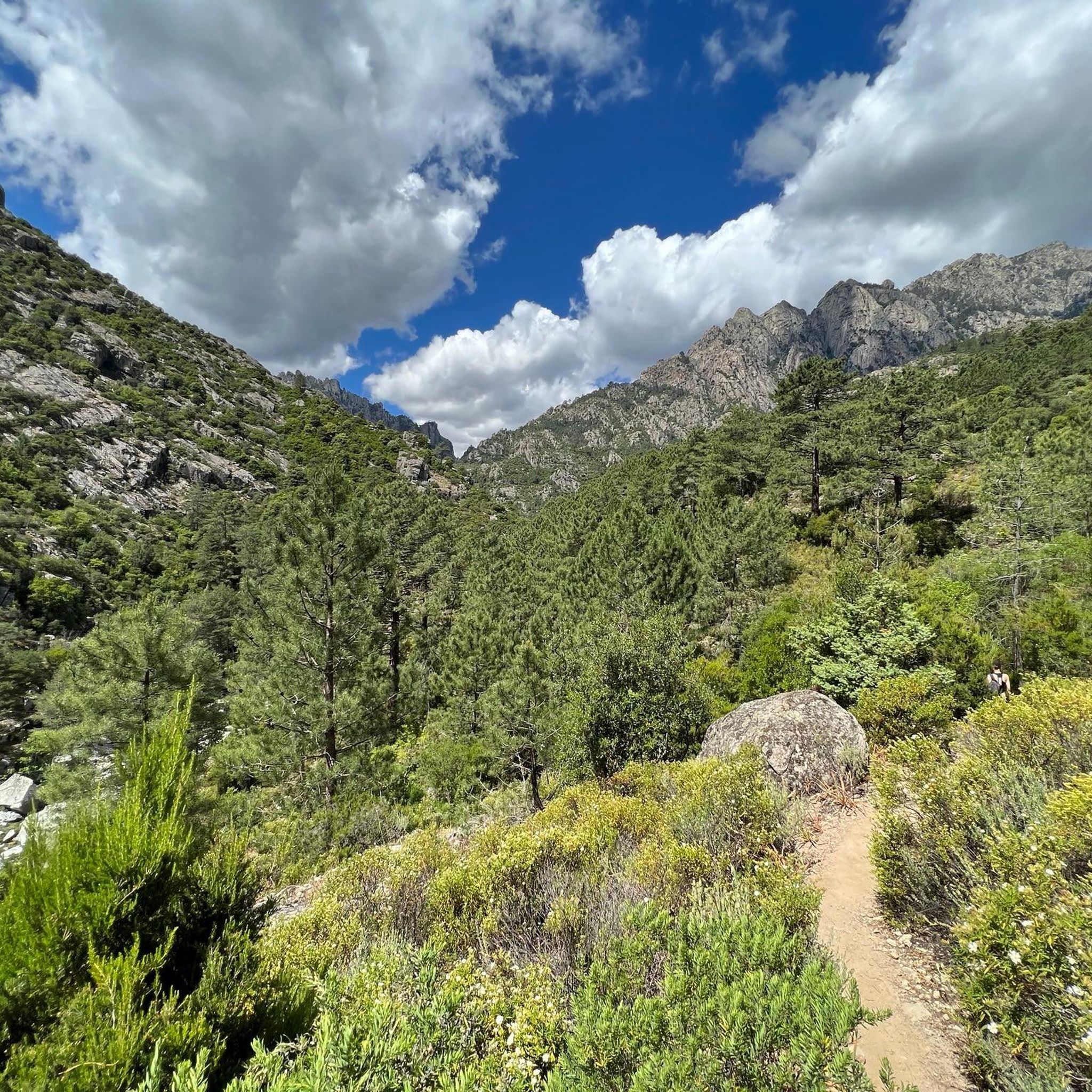
Jogging around Santo-Pietro-Di-Venaco offers diverse terrain within a mountainous setting in Corsica. The region is characterized by significant elevation changes, with routes providing views of surrounding villages and the expansive Corsican mountains. Natural features include the Restonica Valley, known for its gorges, and the U Misognu mountain torrent, which offers pleasant paths along its banks. The area's extensive trail network caters to various fitness levels, from gentle paths to challenging ascents.
Best jogging routes around Santo-Pietro-Di-Venaco
- The most popular jogging…
Last updated: October 15, 2026
48
runners
15.0km
03:02
1,180m
1,180m
Hard run. Very good fitness required. Sure-footedness, sturdy shoes and alpine experience required.
13
runners
14.7km
02:42
1,060m
1,060m
Hard run. Very good fitness required. Sure-footedness, sturdy shoes and alpine experience required.

5.0
(2)
9
runners
5.43km
00:36
110m
110m
Moderate run. Good fitness required. Mostly paved surfaces. Suitable for all skill levels.
8
runners
12.3km
01:30
370m
370m
Hard run. Very good fitness required. Mostly paved surfaces. Suitable for all skill levels.
13
runners
9.63km
01:16
350m
350m
Hard run. Very good fitness required. Mostly paved surfaces. Suitable for all skill levels.
Get access to more routes and recommendations from other explorers.
Already have an account?
Our route recommendations are based on thousands of hikes, rides, and runs completed by other people on komoot.
Start today with a free account
Your next adventure awaits.

Tips from the Community


The Vecchio rises on the Monte d'Oro and is initially called Agnone. This river is best known for its Cascades des Anglais, which attract hundreds of tourists every day in high season. From the hamlet of Vizzavona onwards, the river is called Vecchio and you only meet very few people. Shortly after entering Canaglia, it joins the Manganello. Here the Vecchio valley becomes very lonely. On the right-hand side, far above the riverbed, the railway line winds its way along the hills, barely visible. You don't notice the busy T20, which lies behind the hills. You only see it when you get off at the Ponte Vecchio. High above us, it crosses the Vecchio valley on the new bridge. Later, the Vecchio flows into the Tavignano, which reaches the sea near Aléria.
1
0


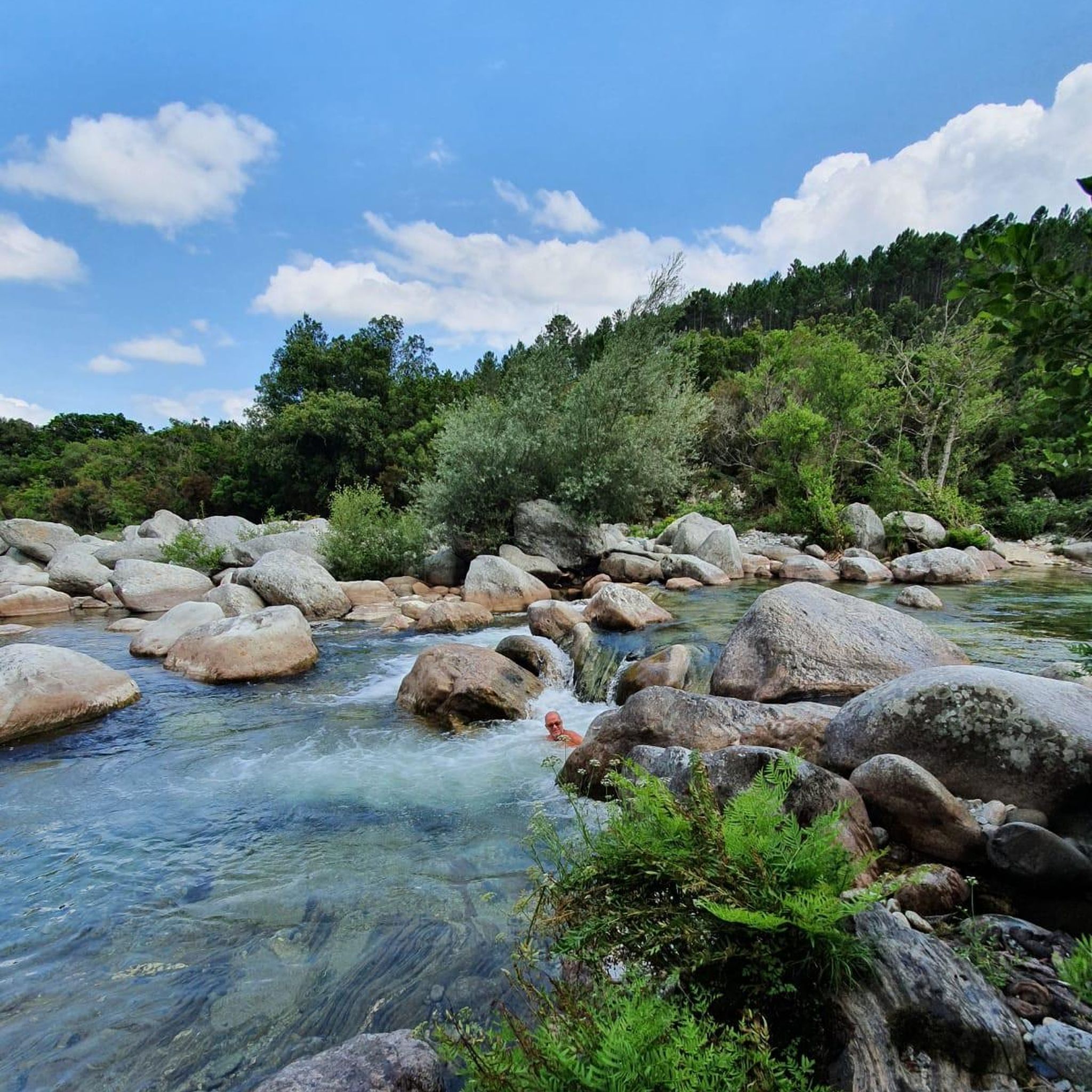
The Nuceta bridge spans Le Vecchio. This river reveals an idyllic setting, ideal for a swim. It is not uncommon to come across families and children with their feet in the water in this little corner of paradise!
0
1

At this bridge, the Le Vecchio river invites you to swim. So don’t hesitate!
1
0

Frequently Asked Questions
What kind of terrain can I expect on the running routes around Santo-Pietro-Di-Venaco?
The region offers a diverse range of terrain, primarily mountainous, with significant elevation changes. You'll find paths winding through river valleys, such as those along the U Misognu mountain torrent, and trails that ascend to provide panoramic views of the surrounding Venacais villages and the expansive Corsican mountains. Some routes are mostly paved, while others are more challenging with considerable elevation gains, requiring good fitness.
Are there any easy running routes suitable for beginners or a more relaxed jog?
Yes, while many routes feature significant elevation, there are options for easier jogs. The area's extensive trail network includes paths suitable for various fitness levels. For example, the Belvedere of Corte – Corte loop from Corte is a moderate 7.2 km path that offers beautiful views without extreme difficulty.
What natural features or landmarks can I see while jogging in this area?
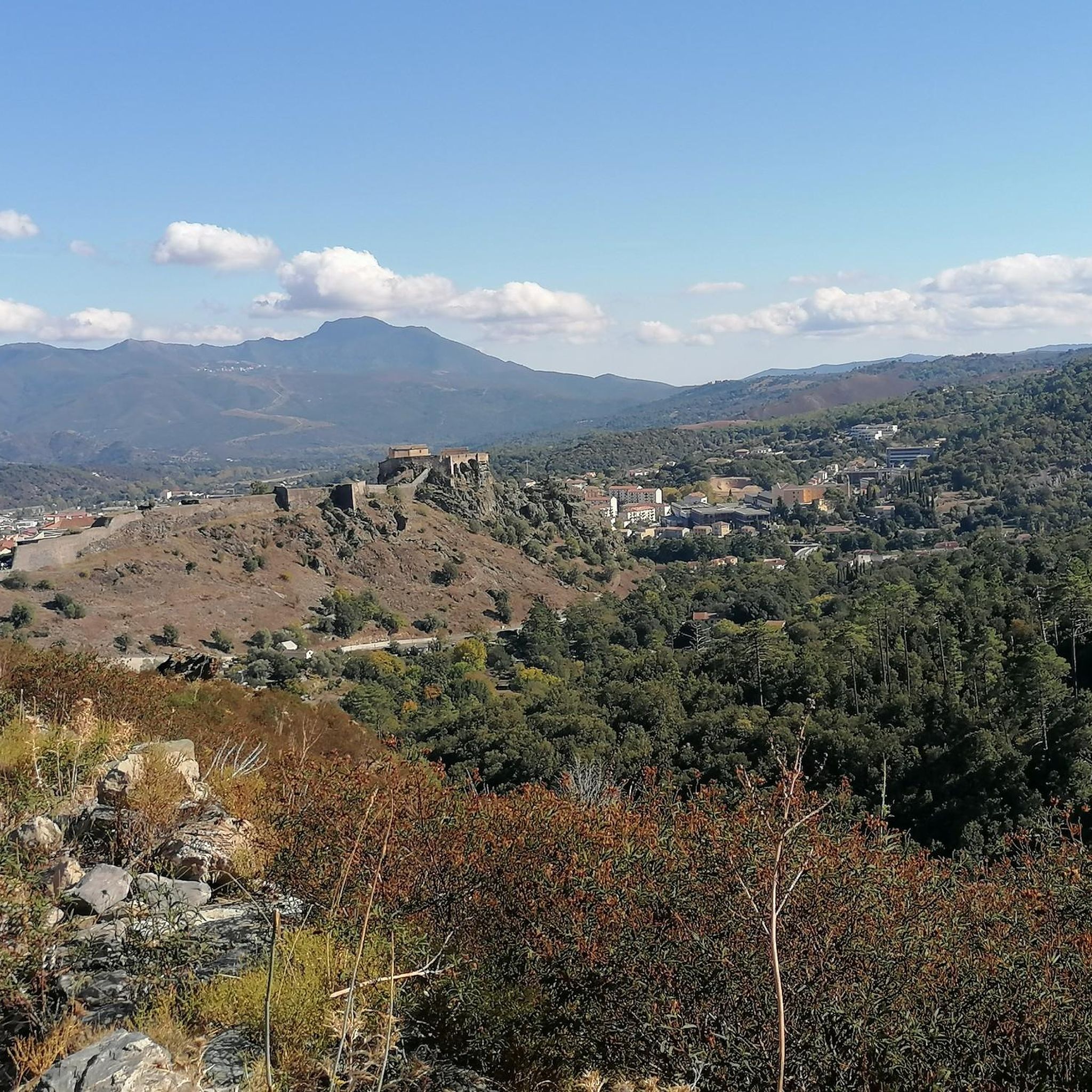
The routes often provide breathtaking views of the surrounding mountains and valleys. You can expect to see the historic Citadel of Corte and the verdant Restonica Valley. Some trails, like the 'Sentier des bergers' (Shepherd's Path), offer insights into the region's agro-pastoral past with old sheepfolds. You might also encounter natural pools in the Tavignano area, and botanical paths showcasing endemic flora and remarkable trees like the millennium-old chestnut 'Arcefalu'.
Are there any circular running routes available?
Yes, many of the running routes around Santo-Pietro-Di-Venaco are designed as loops, allowing you to start and finish in the same location. Examples include the popular Above Corte – Views on Santa Lucia di Mercurio loop from Corte and the Venaco loop from Venaco.
What do other runners say about the trails in Santo-Pietro-Di-Venaco?
The running routes in Santo-Pietro-Di-Venaco are highly rated by the komoot community, with an average score of 4.5 stars from over 12 reviews. Runners often praise the stunning natural landscapes, the variety of terrain, and the panoramic views of the Corsican mountains and historic sites like the Citadel of Corte.
Are there any trails that pass by mountain passes or huts?
Yes, the mountainous terrain means you'll find routes near significant passes and traditional huts. For instance, you might encounter highlights such as Soglia Pass or Towards Col d'Erbajo. There are also several huts in the wider area, including Petra Piana Refuge and Tolla Shepherd’s Hut, which can be points of interest on longer runs.
Is it possible to combine a run with a visit to a historical site?
Absolutely. The village's proximity to Corte allows for runs that incorporate historical elements. For example, the Belvedere of Corte – Corte Citadel loop from Corte offers views of the historic Citadel. Additionally, the 'Sentier des bergers' provides a glimpse into the region's agro-pastoral history.
Are there any running routes that offer views of the Citadel of Corte?
Yes, several routes provide excellent views of the historic Citadel of Corte. The Belvedere of Corte – Corte loop from Corte and the Belvedere of Corte – Corte Citadel loop from Corte are both great options that feature panoramic views of the Citadel and the surrounding valley.
What is the best time of year for running in Santo-Pietro-Di-Venaco?
Santo-Pietro-Di-Venaco, located at 850 meters above sea level, is an excellent destination for outdoor activities. While specific seasonal advice for running isn't provided, the region's natural beauty and varied trails are enjoyable for much of the year. Spring and autumn generally offer milder temperatures, ideal for running, while summer can be warm, making early morning or late afternoon runs preferable. Winters can bring colder conditions at higher elevations.
Are there any running routes that pass by significant historical monuments or memorials?
Yes, you can find routes that connect with historical points of interest. The Memorial to Pasquale de Paoli loop from Corte is one such route, allowing you to combine your run with a visit to a significant historical monument in the area.
How many running routes are available in the Santo-Pietro-Di-Venaco area?
There are over 45 running routes available around Santo-Pietro-Di-Venaco, catering to various fitness levels. These include a mix of easy, moderate, and difficult trails, ensuring there's something for every runner.
Most popular routes around Santo-Pietro-Di-Venaco
Most popular attractions around Santo-Pietro-Di-Venaco

Get inspired with the komoot mobile app


Explore more
Browse the best Running Trails & Routes in other regions.
