Attractions and Places To See around Biguglia - Top 20
Best attractions and places to see around Biguglia, a commune in Haute-Corse on the island of Corsica, offers a blend of natural beauty, historical landmarks, and cultural sites. The region is characterized by the Biguglia Lagoon, the largest wetland in Corsica, which is a protected nature reserve. Visitors can explore ancient churches, archaeological sites, and coastal areas. This area provides a variety of experiences, from natural exploration to historical discovery.
Best attractions and places to see around Biguglia
- The most…
Last updated: October 23, 2026
Saint John the Baptist Church, Bastia
Highlight • Religious Site
Translated by Google •
Tip by

Saint-Florent Frog Fountain
Highlight • Viewpoint
Translated by Google •
Tip by

Sign up now to discover places like this
Get recommendations on the best single tracks, peaks, & plenty of other exciting outdoor places.
San Michele de Murato Church
Highlight • Religious Site
Of Romanesque architecture, its construction dates back to the 13th century. Its checkerboard structure makes it one of the finest …
Translated by Google •
Tip by

Citadel of Saint-Florent
Highlight • Castle
Translated by Google •
Tip by

Coastal Path
Highlight (Segment) • Trail
Translated by Google •
Tip by

Sign up for free to discover even more attractions around Biguglia.
Already have an account?
Start today with a free account
Your next adventure awaits.
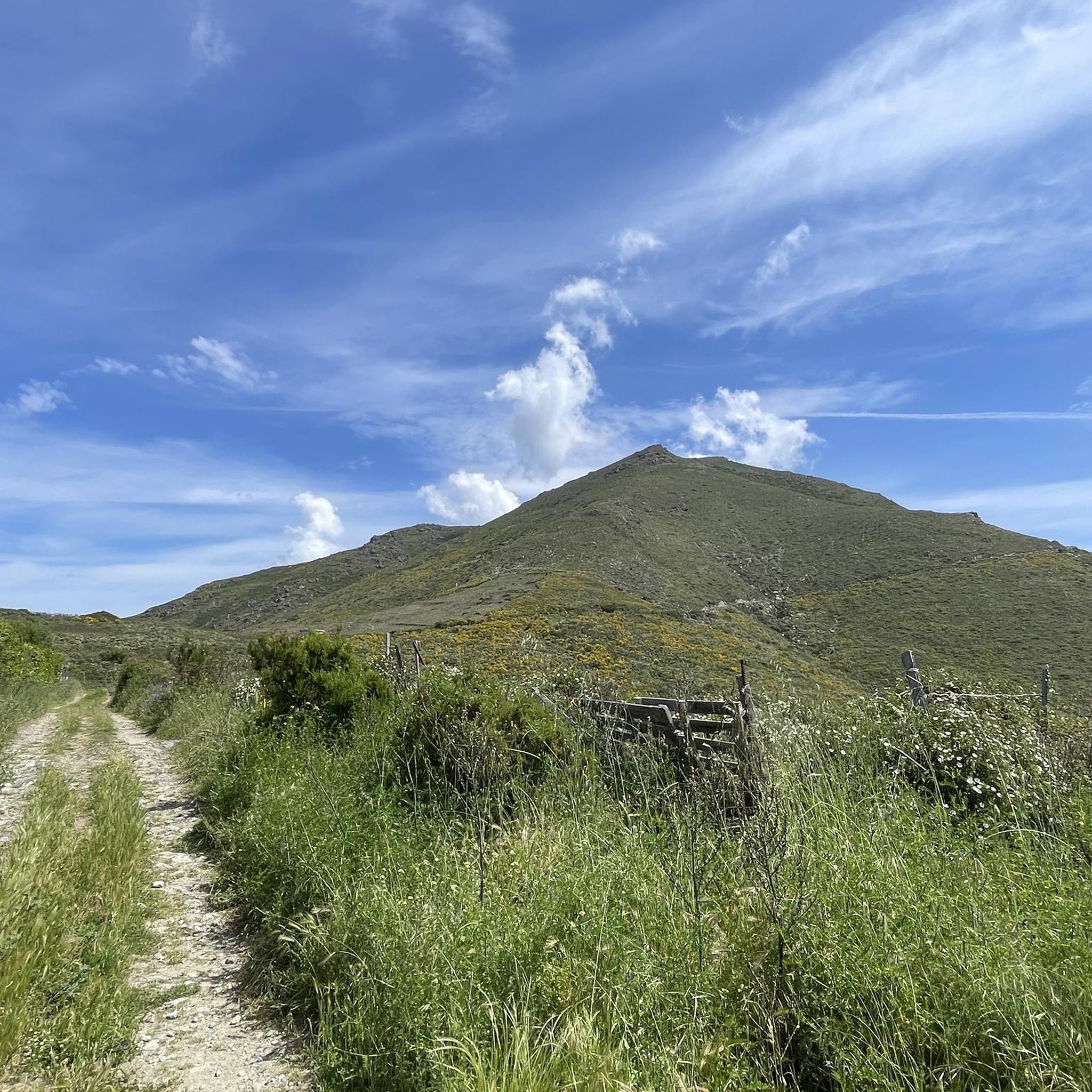

Tips from the Community

Approx. 5 km from the Col de San Stefano, the small late-Pisan church of San Michele lies alone on a meadow 475 m above sea level.
0
0

The Citadel of Saint-Florent is an impressive, historic fortress overlooking the city's picturesque harbor. Built in the 15th century (from 1440/39) by the Genoese under Giano Campofregoso, it was expanded in the 16th and 17th centuries with two round towers and a striking square tower structure. Architecture: The cylindrical main structure with two crescent-shaped towers and a square keep is striking – a masterpiece of military architecture. Strategic Location: It maintained a view and control over the Gulf of Saint-Florent and protected important trade routes, as well as Bastia in the background. Historical Significance: It played a central role in several sieges (1553–54), and was the site of Pascal Paoli's exile in 1795. It was later converted into a garrison and gendarmerie base. Damaged during World War II Today: Municipal property since 1986, protected as a historic monument since 1991/94; serves as a cultural space with summer exhibitions and music festivals, with magnificent panoramic views. In brief: The Citadel of Saint-Florent is a massive, circular Genoese fortress with three towers, strategically located above the town. It reflects centuries of turbulent Corsican history and today offers cultural uses as well as spectacular views of the harbor and gulf.
1
0


Beautiful view over the bay of St. Florent
0
0

Very beautiful small church made of green serpentine and white limestone blocks.
0
0

The church is the largest church in Corsica. It was built between 1636 and 1666.
0
0

Saint-Florent is also known as "the Corsican Saint-Tropez" because of its Mediterranean flair. In the 1970s, Saint-Florent was a place for the jet set. The town is located high in the northwest of the island of Corsica on the Gulf of the same name between the almost uninhabited Désert des Agriates and Cap Corse.
2
0
Saint-Florent dates back to a small settlement that once arose in the protection area of the Genoese round fortress. The citadel was built by the Genoese in 1440 and served as the seat of the Bishop of Nebbio and the governor's palace until the 18th century. The small Pianese church from the 12th century, Santa Maria Assunta, was built as a cathedral for the then diocese of Nebbio.
2
0
Frequently Asked Questions
What natural attractions can I explore in Biguglia?
The primary natural attraction is the Biguglia Lagoon (Étang de Biguglia), Corsica's largest wetland. This protected nature reserve is a vital breeding and wintering ground for over 200 species of waterbirds, including flamingos, and is home to diverse flora and fauna like European pond turtles. You can explore a 1.5 km discovery trail and visit its eco-museum. Nearby, you'll also find beautiful beaches like Plage de la Marana and Plage de l'Arinella for relaxation.
Are there any historical or cultural sites to visit in Biguglia?
Yes, Biguglia offers several historical and cultural sites. You can visit the Church of St. Andrew (Église paroissiale Sant'Andria de Biguglia) and the Chapel Santa Catalina (Ortale), which showcases typical Romanesque art. The Espace Culturel Charles Rocchi is a modern cultural center dedicated to Corsican singer Charles Rocchi, offering various arts and cultural events. The area also has archaeological sites like Pineta and Sant'Antonio, with remnants of a Roman road and medieval chapels.
What are some family-friendly activities available around Biguglia?
Families can enjoy exploring the Biguglia Lagoon's discovery trail and eco-museum, which offers educational activities about its diverse wildlife. The nearby beaches, Plage de la Marana and Plage de l'Arinella, are great for a day out. For a different experience, the Corsica Zoo in Olmeta-di-Tuda is also a short drive away.
What outdoor activities and routes are available near Biguglia?
Biguglia offers a variety of outdoor activities. You can find numerous routes for cycling, running, and gravel biking. For example, there are routes like the 'Route de la Lagune loop' for easy cycling, or more challenging options like the 'View of Le Nebbio – Saint-Florent loop'. Running enthusiasts can explore trails such as the 'Plage de la Marana loop'. You can find more details on these activities at the Cycling around Biguglia, Running Trails around Biguglia, and Gravel biking around Biguglia guide pages.
Are there any easy hiking or walking trails suitable for families near Biguglia?
Yes, the Biguglia Lagoon features a 1.5 km discovery trail that is suitable for easy walks and families, allowing you to observe the natural environment. For running, there are moderate trails like the 'Running loop from Carrefour Express' or the 'Beach With Wooden Posts loop' which can also be enjoyed as walks. For cycling, the 'Route de la Lagune loop' is an easy option.
What are the best times to visit the Biguglia Lagoon nature reserve?
The Biguglia Lagoon is a vital breeding and wintering ground for birds. Visiting during spring and autumn offers excellent opportunities for birdwatching as migratory species pass through. The eco-museum and discovery trail are accessible year-round, but checking local conditions for specific bird activity or guided tours is recommended.
Are there any wheelchair-accessible places in the Biguglia area?
In nearby Bastia, the Place Saint-Nicolas is noted as wheelchair accessible. This expansive square is ideal for strolls and offers views of the sea and ferries. For specific accessibility information regarding the Biguglia Lagoon's eco-museum or discovery trail, it's advisable to contact them directly.
What are some notable attractions in nearby towns like Bastia or Saint-Florent?
Just 9 km from Biguglia, Bastia offers the picturesque Vieux Port, the expansive Place Saint-Nicolas, and Saint John the Baptist Church, Bastia, the largest church in Corsica. You can also enjoy the Bastia Seafront Promenade. About 11 km away, Saint-Florent is known for its 15th-century Citadel of Saint-Florent and the lively atmosphere around the Saint-Florent Frog Fountain.
What do visitors enjoy most about the attractions around Biguglia?
Visitors appreciate the blend of natural beauty and historical significance. The Biguglia Lagoon is highly valued for its wildlife and peaceful environment. In nearby Saint-Florent, the lively atmosphere of the old town and port, along with great dining options, is often highlighted. The historical significance of sites like the Citadel of Saint-Florent and the architectural grandeur of Saint John the Baptist Church, Bastia also receive positive feedback.
Are there any hidden gems or lesser-known attractions in Biguglia?
Beyond the well-known lagoon, Biguglia's charm lies in its smaller historical sites. The Chapel Santa Catalina in Ortale, with its Romanesque art, and the various archaeological sites like Pineta and Sant'Antonio, offer a glimpse into the region's ancient past. Exploring the ruins of the old Biguglia castle also provides a unique historical experience away from the main tourist paths.
Where can I find information about the Biguglia Lagoon nature reserve?
For more detailed information about the Biguglia Lagoon nature reserve, including its classification and ecological significance, you can refer to resources like Wikipedia or the Visit Corsica website. These sources provide context on its status as a protected area and its importance for biodiversity.
Most popular attractions around Biguglia

Get inspired with the komoot mobile app


Explore more
Still not found the Highlight you’re looking for? See guides of the top attractions in other regions:
