Attractions and Places To See around Caumont - Top 20
Best attractions and places to see around Caumont are primarily found in the Ariège department, offering a mix of historical sites and scenic greenways. This region, nestled in the Pyrenean foothills, provides opportunities for outdoor activities and cultural exploration. Visitors can explore medieval villages and enjoy routes along former railway lines. The area is characterized by its natural beauty and preserved heritage.
Best attractions and places to see around Caumont
- The most popular attractions is Piémont Pyrénéen Greenway (V81),…
Last updated: May 9, 2026
V81 Greenway Tunnels (Saint-Girons – Foix)
Highlight (Segment) • Cycleway
Translated by Google •
Tip by

Saint-Lizier Historic Village
Highlight • Historical Site
Translated by Google •
Tip by

Sign up now to discover places like this
Get recommendations on the best single tracks, peaks, & plenty of other exciting outdoor places.
Sign up for free
Piémont Pyrénéen Greenway (V81)
Highlight (Segment) • Cycleway
Translated by Google •
Tip by

Old railroad embankment
Highlight (Segment) • Other
Translated by Google •
Tip by

Fabas market square and church
Highlight • Other
Translated by Google •
Tip by
Sign up for free to discover even more attractions around Caumont.
Sign up for free
Already have an account?
Start today with a free account
Your next adventure awaits.
Login or Signup



Tips from the Community

The greenway from St-Giron to Foix (which I always did in the direction Foix to St-Giron) is the most beautiful part of the greenway which in total goes to (almost) Boussens. It is a slightly hilly section with the most beautiful landscapes!
1
0
Beautiful greenway to go from St-Girons to Boussens (or vice versa!). Less nice than from Foix to St-Girons but still good! On the other hand, compared to some photos, there is no tunnel on this part, you have to go towards Foix for that!
0
0


why komoot does not practice v81 in its entirety
2
0

Nestled in Ariège, Saint-Lizier offers a dive into the past with its preserved medieval heritage. Ranked among the most beautiful villages in France, it seduces with its cathedral and its frescoes. Formerly an episcopal seat and a stopover on the way to Santiago de Compostela, this quiet village has perfectly preserved its older buildings and is worth a detour.
2
0

Nice landscape but not so nice for cycling tour from the surface. Lots of bad sections, lots of mixed use. Unfortunately wasted potential. More information: https://www.af3v.org/les-voies-vertes/voies/279-search_tag/ and https://fr.wikipedia.org/wiki/Ligne_de_Foix_%C3%A0_Saint-Girons?wprov=sfla1
4
0
Nice landscape, but not good from the surface. Some bad paths, many sections also mixed use. More information: https://www.af3v.org/les-voies-vertes/voies/279-search_tag/ and https://fr.wikipedia.org/wiki/Ligne_de_Foix_%C3%A0_Saint-Girons?wprov=sfla1
3
0

Saint-Lizier (in Gascon: Sent Líser) is a French commune located in the northwest of the Ariège department, in the Occitanie region. Historically and culturally, the town is part of Couserans, a country with Gascon roots structured by the course of the Salat. Exposed to an altered oceanic climate, it is drained by the Salat, the Baup, an arm of the Salat, the Marcazeau, the merdançon stream and various other small rivers. Included in the Ariège Pyrenees regional natural park, the town has a remarkable natural heritage: a Natura 2000 site (“Garonne, Ariège, Hers, Salat, Pique and Neste”) and six natural areas of ecological, fauna and flora interest. Saint-Lizier is an urban commune which has 1,367 inhabitants in 2020. It belongs to the urban unit of Saint-Girons and is part of the Saint-Girons catchment area. Its inhabitants are called the Licerois or Licéroises. The architectural heritage of the commune includes ten buildings protected as historic monuments: the Notre-Dame-de-la-Sède cathedral, listed in 1994, the Saint-Lizier cathedral and the cloister, listed in 1886, the Notre-Dame chapel du Marsan, listed in 1973, the Hôtel-Dieu, listed in 2005, the canonical house, listed in 1989 then listed in 1991, the Loubières house, listed in 1929, the birthplace of Aristide Bergès and the Prat du stationery. Ritou, listed in 2007, the Gallo-Roman walls, listed in 1912, the episcopal palace, listed in 1993, and the Pont de Saint-Lizier, listed in 1927.
1
0
Frequently Asked Questions
What historical sites can I explore around Caumont?
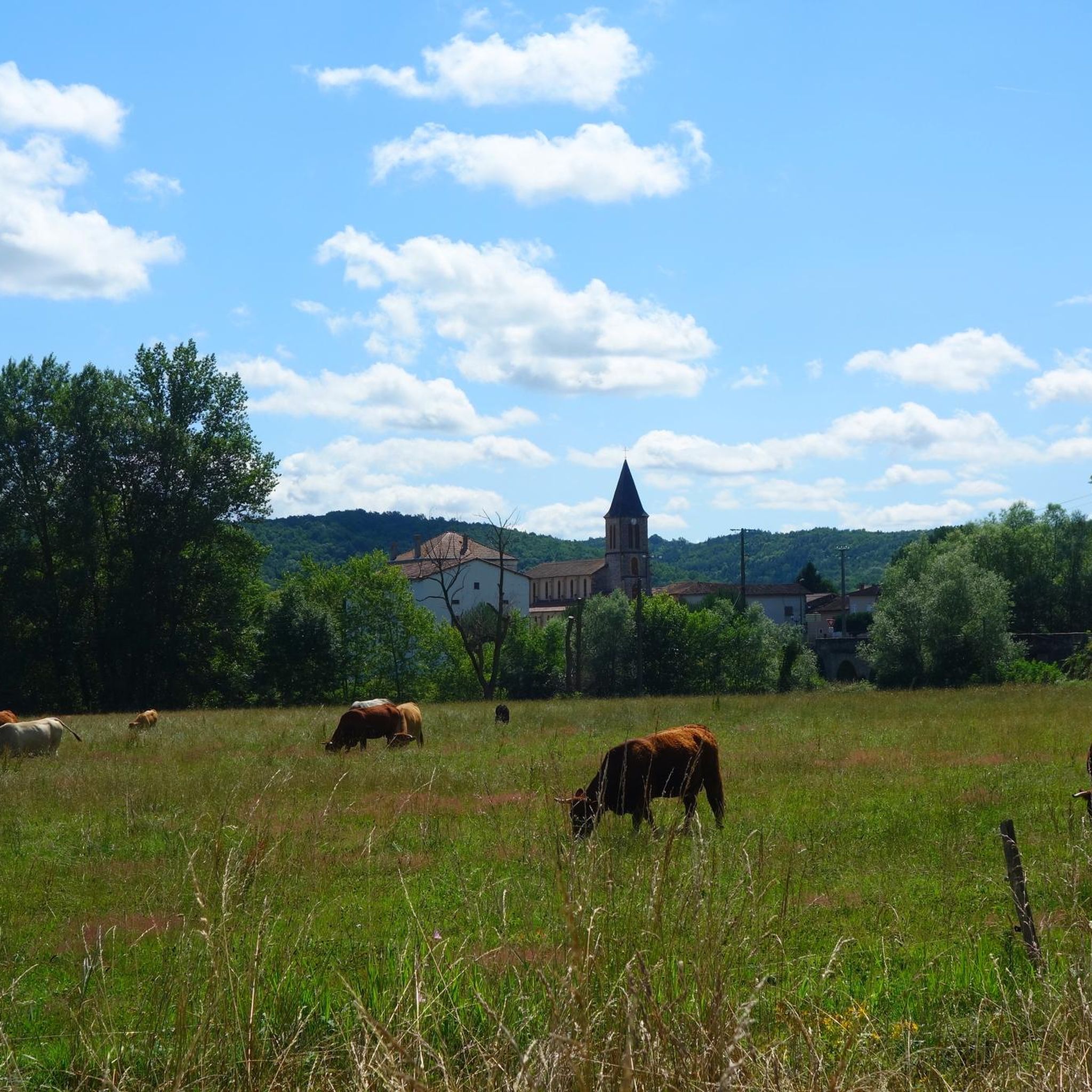
The region around Caumont is rich in history. You can visit Saint-Lizier Historic Village, which is ranked among the most beautiful villages in France, known for its preserved medieval heritage, cathedral, and frescoes. Another notable historical spot is the Fabas market square and church, featuring a 17th-century church built on Romanesque foundations.
Are there any greenways or cycling paths near Caumont?
Yes, the area is well-known for its greenways. The Piémont Pyrénéen Greenway (V81) offers a pleasant route, particularly between Saint-Girons and Foix. This greenway is often shaded, features tunnels that light up as you pass, and has a low inclination, making it suitable for various activities. You can also explore the V81 Greenway Tunnels (Saint-Girons – Foix) section, noted for its scenic landscapes.
What kind of outdoor activities can I do near these attractions?
Beyond walking and cycling on the greenways, the region offers various outdoor activities. You can find numerous road cycling, general cycling, and gravel biking routes. For example, there are challenging road cycling routes like the "Core Pass – Seix loop from Lorp" or more moderate options such as the "Saint-Lizier Historic Village – Pont Vieux de Saint-Girons loop." Explore more options on the Road Cycling Routes around Caumont, Cycling around Caumont, and Gravel biking around Caumont guide pages.
Are the attractions around Caumont suitable for families?
Many attractions are family-friendly. The greenways, such as the Piémont Pyrénéen Greenway (V81), are ideal for family walks and bike rides due to their low inclination and shaded paths. Saint-Lizier Historic Village also offers an engaging experience for families interested in history and exploring medieval architecture.
What makes the V81 Greenway special for cyclists and walkers?
The V81 Greenway, particularly the section between Saint-Girons and Foix, is highly regarded for its pleasant route. It's often shaded, providing relief on sunny days, and features unique tunnels that are lit as you pass through. Its low inclination makes it accessible for various fitness levels, and it offers scenic landscapes along its path, often following an old railroad embankment.
What is there to see in Saint-Lizier Historic Village?
Saint-Lizier Historic Village is a captivating medieval settlement. Visitors can explore its well-preserved heritage, including its cathedral and impressive frescoes. As a former episcopal seat and a stopover on the way to Santiago de Compostela, the village offers a deep dive into the past with its quiet charm and ancient buildings.
Can I find easy walking routes for beginners around Caumont?
Yes, the greenways are excellent for beginners and those looking for easy walks. The Piémont Pyrénéen Greenway (V81) and its tunnel sections are known for their low slope, making them comfortable for leisurely strolls without significant elevation changes. These paths are generally well-maintained and offer a relaxed way to enjoy the scenery.
Are there any dog-friendly trails or attractions in the area?
The greenways around Caumont, such as the Piémont Pyrénéen Greenway (V81), are generally dog-friendly for walks and cycles, provided dogs are kept on a leash. These converted railway paths offer ample space and natural surroundings for you and your pet to enjoy together.
What natural landscapes characterize the area around Caumont?
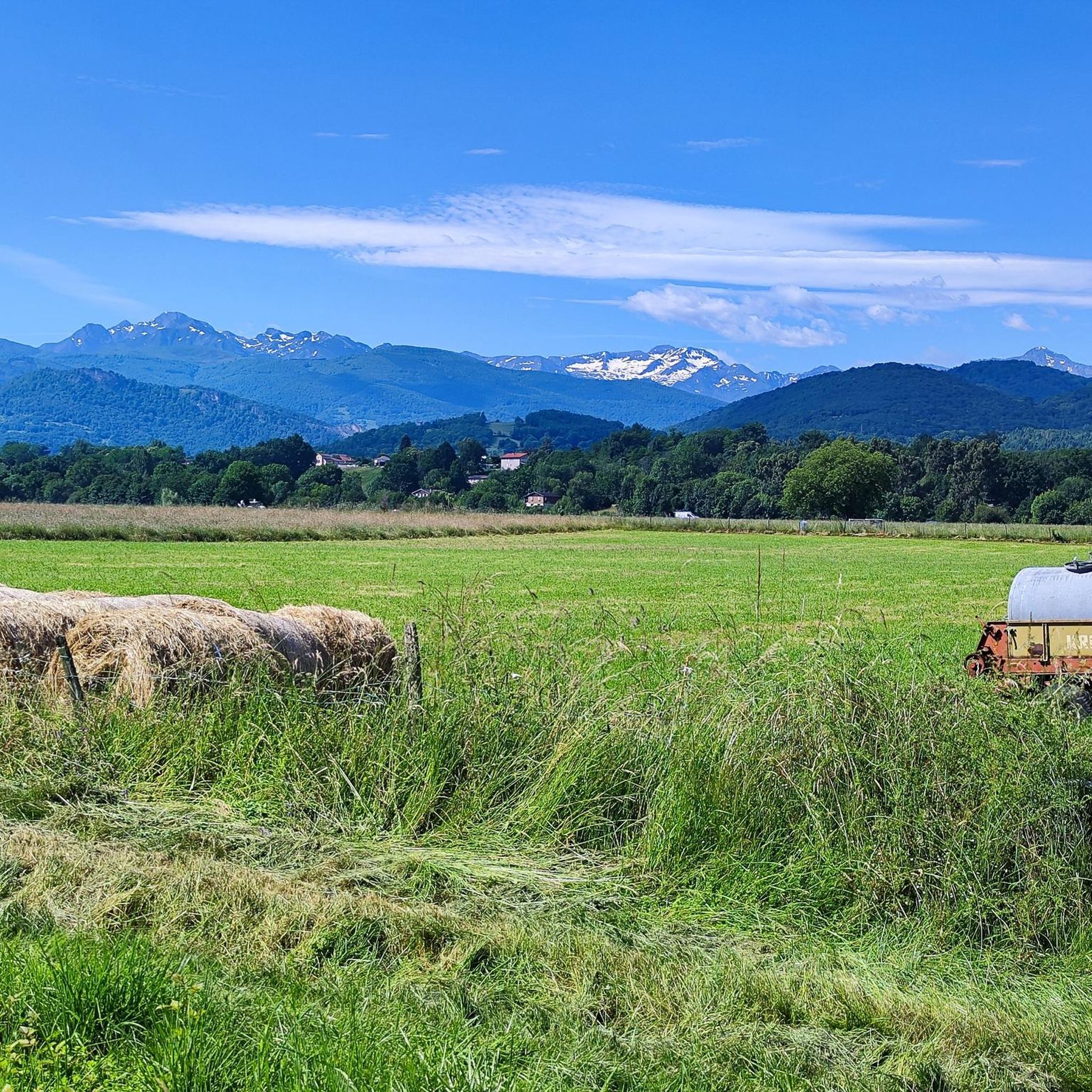
The region around Caumont is nestled in the Pyrenean foothills, offering a blend of natural beauty and preserved heritage. You'll find scenic greenways, often shaded by trees, and landscapes that transition from river valleys to more elevated terrain. The area is characterized by its lush greenery and the distant views of the Pyrenees.
What do visitors enjoy most about the attractions around Caumont?
Visitors particularly appreciate the tranquility and accessibility of the greenways, noting their shaded paths and unique features like the lit tunnels. The historical depth of sites like Saint-Lizier Historic Village, with its medieval charm and frescoes, also receives high praise. The combination of outdoor activity and cultural exploration is a major draw.
Are there any specific points of interest along the V81 Greenway?
Along the V81 Greenway, particularly between Saint-Girons and Foix, you'll find several points of interest. Towns like Saint-Girons, Castelnau-Durban, and La Bastide-de Sérou are worth a detour. The greenway also leads towards Vernajoul, and arrangements have been made to extend the path towards Foix, offering continuous scenic views and shaded sections.
Most popular routes around Caumont

Get inspired with the komoot mobile app


Explore more
Still not found the Highlight you’re looking for? See guides of the top attractions in other regions:
