The best cycling routes around Béhasque-Lapiste
4.4
(59)
428
riders
102
rides
Touring cycling routes around Béhasque-Lapiste traverse a diverse landscape characterized by rolling green hills, fertile valleys, and the gradual ascent towards the Pyrenean foothills. The region's position between the Atlantic coast and the Pyrenees mountains provides varied terrains, from gentle slopes to more challenging ascents. This area of the Pyrénées-Atlantiques features natural sites such as the "Bois de la ville" and the "Lac de Camou," offering scenic backdrops for cycling. The geography supports a wide array of routes suitable for…
Last updated: June 20, 2026
12
riders
31.3km
02:03
450m
450m
Hard bike ride. Very good fitness required. Mostly paved surfaces. Suitable for all skill levels.
3.7
(3)
21
riders
139km
08:32
1,270m
1,270m
Hard bike ride. Very good fitness required. Mostly paved surfaces. Suitable for all skill levels.

Sign up for free
28
riders
68.1km
04:32
1,070m
1,070m
Hard bike ride. Very good fitness required. Mostly paved surfaces. Suitable for all skill levels.
12
riders
38.3km
03:25
840m
840m
Hard bike ride. Very good fitness required. Mostly paved surfaces. Suitable for all skill levels.
12
riders
73.5km
04:33
750m
750m
Hard bike ride. Very good fitness required. Mostly paved surfaces. Suitable for all skill levels.
Get access to more routes and recommendations from other explorers.
Sign up for free
Already have an account?
Our route recommendations are based on thousands of hikes, rides, and runs completed by other people on komoot.
Start today with a free account
Your next adventure awaits.
Login or Signup
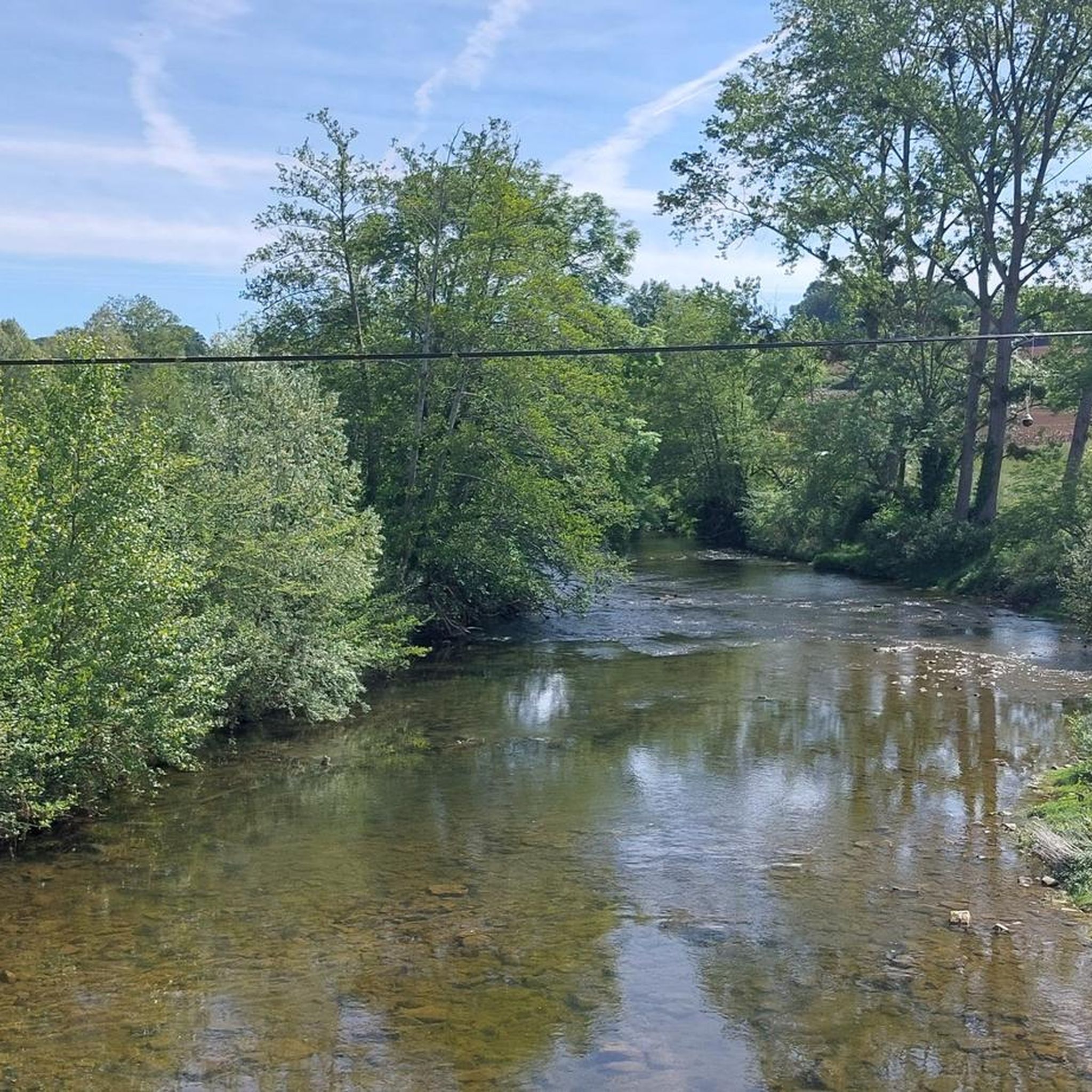
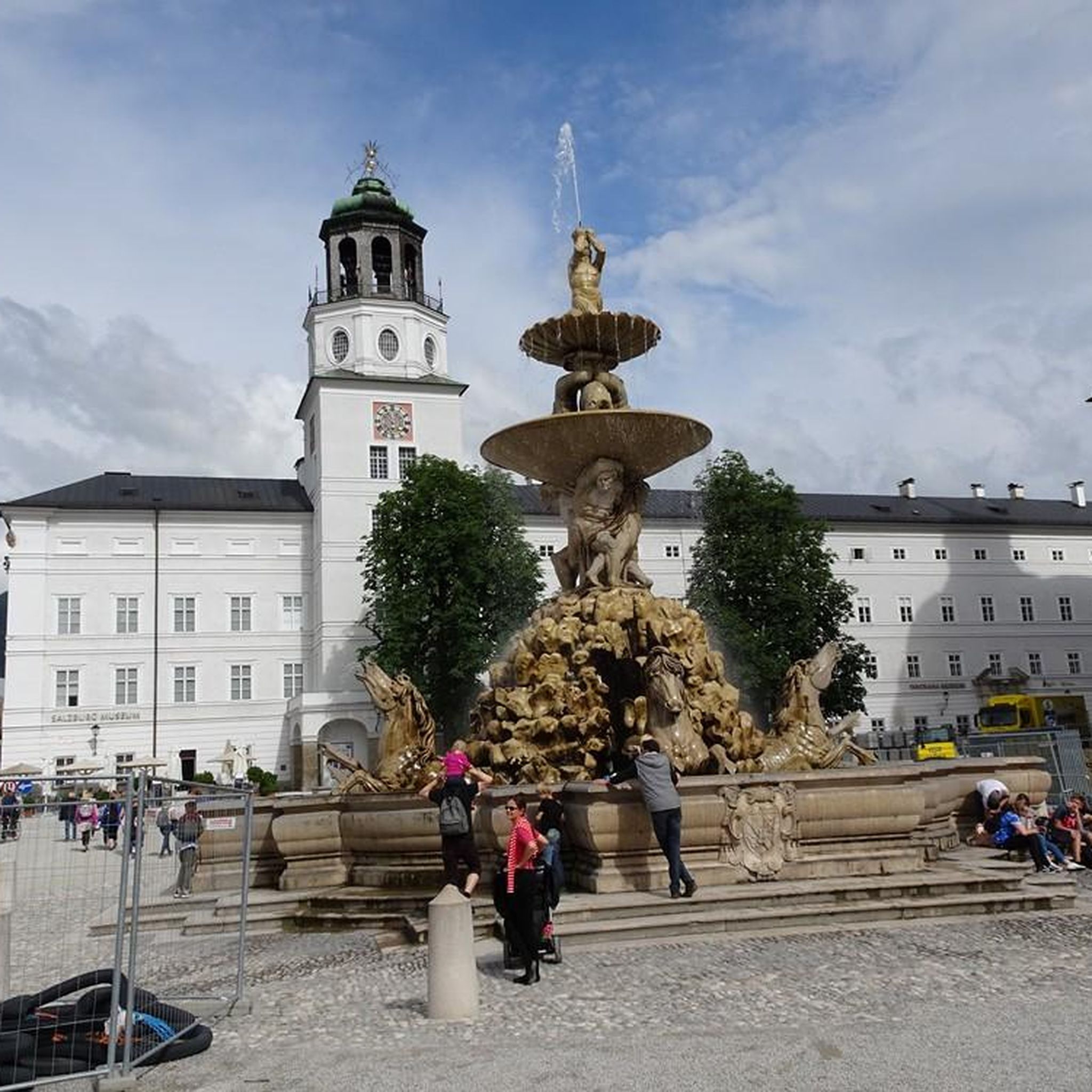
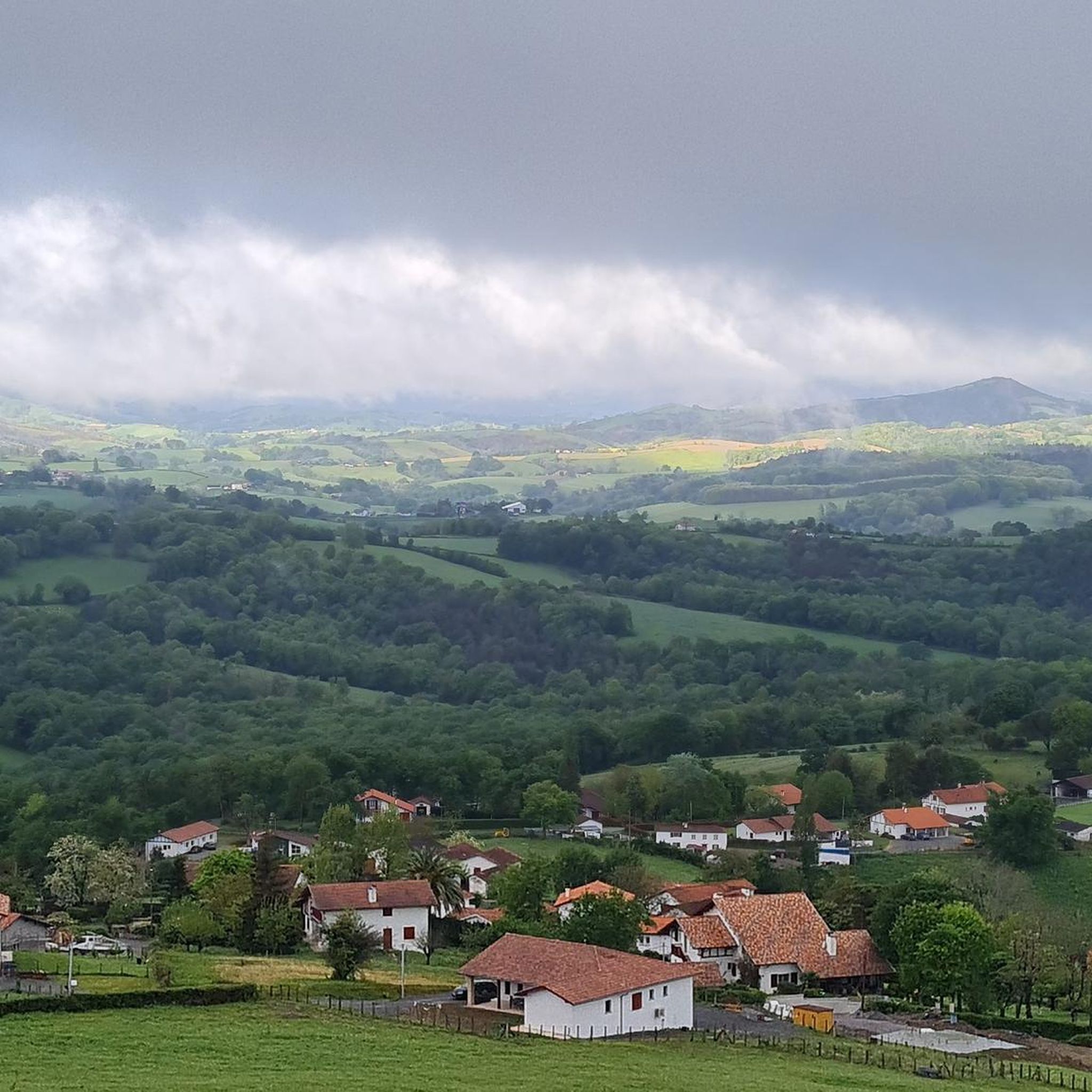
Tips from the Community

## The tunnel The tunnel, located between the Puyoô and Salies-de-Béarn stations, is one of the significant structures on line n° 662.000 connecting Puyoô to Mauléon. It is a single-track tunnel 848.5 m long and 5.00 m wide between the abutments. The height under the crown is 6.00 m. It is a multi-radius arch. The structure is generally oriented North-South, with a curve of R400 m for the first 250 meters on the North side, then a straight section to the South end. The longitudinal profile has a constant gradient of 0.01 m/m from the North. A central aqueduct equips the structure along its entire route. The maximum cover is 49 m. The tunnel is built in the Campanian flysch (Upper Cretaceous). The construction of the tunnel (1879-1883) was carried out from two headings via shafts approximately 35 m deep, located at PM219 and PM632. The shafts were retained as ventilation shafts. The masonry thicknesses (limestone rubble set in lime mortar) vary from 0.50 m to 1.20 m. The length of the tunnel, initially projected at 400 m, was increased to 787 m following the decision to lower the profile (from 20‰ to 16‰). During construction, ground instabilities encountered during the excavation of access trenches led to a further extension of the structure, which finally reached a length of 848.5 m. Numerous ground instabilities (landslides) caused significant delays in the progress of the work. The tunnel was electrified in 1930 and the overhead line equipment was removed in 1971.
0
0

Also easy to cycle here
0
0


Magical place, one of my favorite French villages
2
0

Ultreia! The pilgrim must go through here. Very atmospheric old town and this gate by the river behind which the church portal welcomes the pilgrim is old and venerable.
2
0

A great old fortress to explore with fabulous views towards the mountains
2
0

A really beautiful cycle path on an old railway line. It is completely asphalted and is therefore a wonderful ride and there are one or two bridge highlights to admire along the way.
2
0

The starting point of the Camino Frances. Many pilgrims start from here and are so excited that they can't really enjoy the beautiful town.
6
0
Frequently Asked Questions
How many touring cycling routes are available around Béhasque-Lapiste?
There are over 90 touring cycling routes around Béhasque-Lapiste, offering a wide variety of options for different preferences and skill levels. These routes traverse diverse landscapes, from rolling green hills to the foothills of the Pyrenees.
What is the best time of year for touring cycling in Béhasque-Lapiste?
The region experiences a mountain or mountain fringe climate with high rainfall year-round and mild winters, contributing to its lush greenery. This means touring cycling is generally pleasant during spring, summer, and early autumn when temperatures are milder, and the landscape is vibrant. Be prepared for potential rain showers at any time of year.
Are there easy touring cycling routes suitable for beginners or families?
Yes, while many routes are more challenging, there are 8 easy touring cycling routes available around Béhasque-Lapiste. These routes typically feature gentler slopes and are ideal for a relaxed ride with family or if you're new to touring cycling. For a moderate option, consider the Way of St. James Loop from Saint-Palais, which offers cultural insights along a historic pilgrimage path.
What kind of terrain can I expect on touring cycling routes in Béhasque-Lapiste?
The terrain around Béhasque-Lapiste is quite varied, characterized by rolling green hills, fertile valleys, and the gradual ascent towards the Pyrenean foothills. You'll find a mix of gentle slopes for relaxed rides and more challenging ascents as you head closer to the mountains. Many routes utilize greenways and quiet minor roads.
Are there challenging touring cycling routes for experienced cyclists?
Absolutely. For experienced touring cyclists seeking a challenge, there are 48 difficult routes in the area. These routes often feature significant elevation gains and longer distances. An example is the Tunnel – wonderful, quiet bike path loop from Domezain-Berraute, an extensive 139.6 km path with considerable climbing, ideal for longer, demanding rides.
What do other touring cyclists say about the routes in Béhasque-Lapiste?
The touring cycling routes in Béhasque-Lapiste are highly rated by the komoot community, with an average score of 4.5 stars from over 50 reviews. Cyclists often praise the diverse landscapes, the quiet roads, and the opportunity to explore the rich Basque culture and historic towns along the way.
Are there any circular touring cycling routes around Béhasque-Lapiste?
Yes, many routes in the region are designed as loops, allowing you to start and finish in the same location. For instance, the Bridge over the Saison River – Ostabat-Asme loop from Saint-Palais offers a 68.1 km circular journey through river scenery and historical areas.
Can I find long-distance touring cycling routes in the area?
Yes, Béhasque-Lapiste is well-situated for long-distance touring. The region is part of major long-distance itineraries such as La Vélosud, La Vélodyssée, and La Scandibérique. These routes often incorporate greenways and quiet roads, perfect for multi-day journeys. You can find more information on La Vélosud at francevelotourisme.com.
What are some scenic viewpoints or natural features to look out for on the routes?
The region offers numerous scenic spots. You can expect views of rolling green hills, fertile valleys, and the majestic Pyrenean foothills. Natural sites like the 'Bois de la ville' near Saint-Palais and the 'Lac de Camou' provide picturesque backdrops. For panoramic views of the Basque Country, consider the Saint-Palais – View of the Basque Country loop from Amendeuix-Oneix.
Are there any interesting landmarks or historical sites to explore along the routes?
The area is rich in history and culture. Béhasque-Lapiste is just 2 km from Saint-Palais, a former capital of the Kingdom of Navarre. You can also encounter pilgrimage routes, such as the historic Gibraltar crossroads near Saint-Palais, a convergence point for Jacobean routes. Other notable landmarks include Ostabat, Gibraltar Stele, and the Chapelle de Soyarza.
Can I access touring cycling routes using public transport?
While specific public transport options directly to trailheads may vary, major towns in the Pyrénées-Atlantiques region often have bus or train services. It's advisable to check local transport schedules for connections to towns like Saint-Palais, which serve as common starting points for many routes. Some regional buses may accommodate bicycles, but this should be confirmed in advance.
Are there specific parking facilities available for cyclists at trailheads?
Many towns and villages that serve as starting points for touring cycling routes, such as Saint-Palais or Domezain-Berraute, offer public parking facilities. While dedicated 'cyclist-only' parking at every trailhead might not be common, you can typically find suitable parking in or near these communities to begin your ride.
What cultural experiences can I expect while touring cycling in Béhasque-Lapiste?
Touring through this area provides an excellent opportunity to immerse yourself in authentic Basque culture. You'll pass through traditional villages, experience local gastronomy with specialties like Espelette pepper and regional cheeses, and encounter historical sites related to the Camino de Santiago pilgrimage. The Hilly landscape – Porte Saint-Jacques loop from Béhasque-Lapiste is a great way to experience the region's cultural richness.
Most popular routes around Béhasque-Lapiste
Most popular attractions around Béhasque-Lapiste

Get inspired with the komoot mobile app


Explore more
Browse the best Cycling routes in other regions.
