The best road cycling routes around Abondant
4.6
(88)
1,386
riders
266
rides
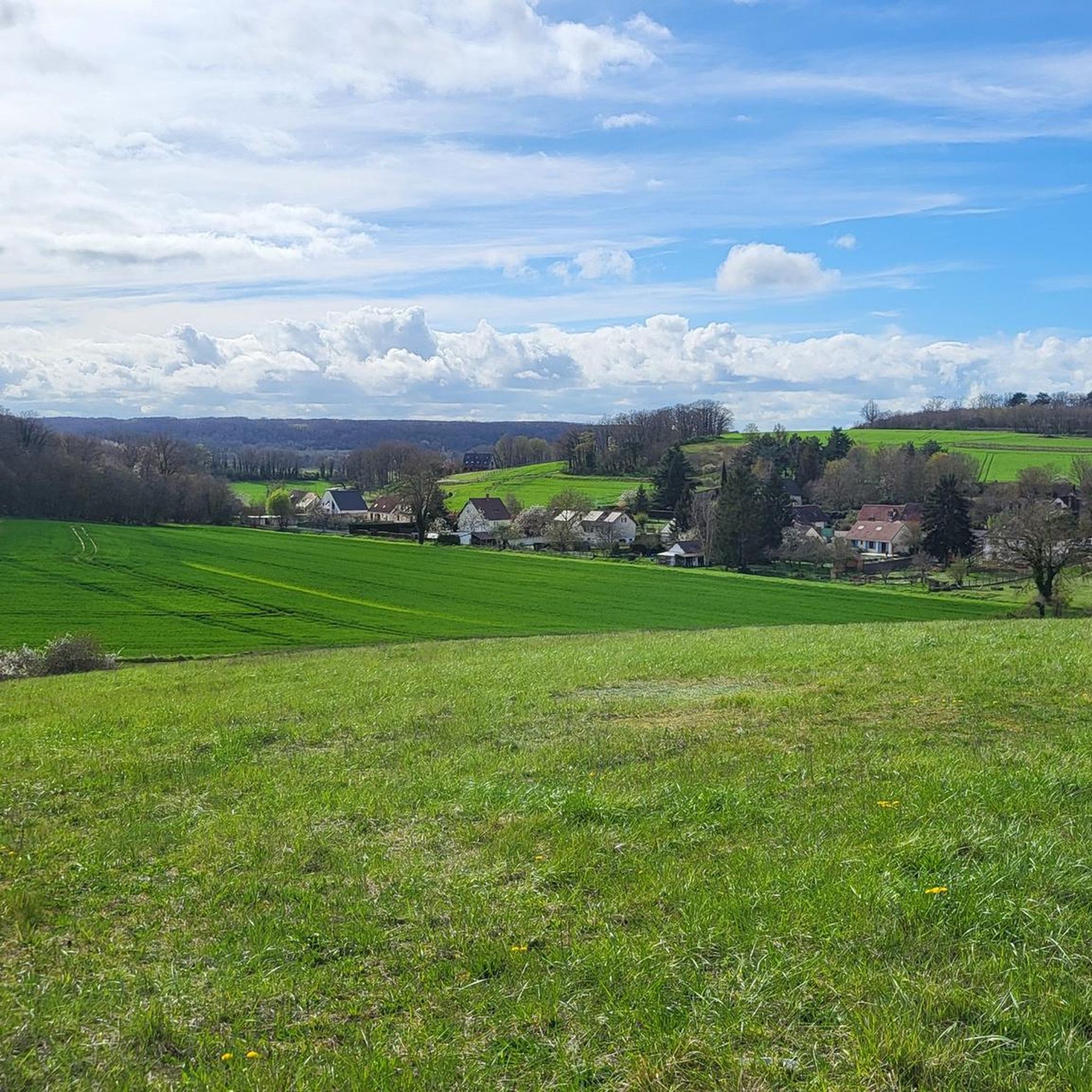
Road cycling routes around Abondant traverse a landscape characterized by rolling hills and rural countryside. The region features a mix of open fields, woodlands, and historic villages, offering varied scenery for cyclists. Elevation changes are moderate, providing a balance of gentle climbs and descents suitable for different fitness levels.
Best road cycling routes around Abondant
- The most popular road cycling route is Hilly loop in the Norman countryside, a 51.0 miles (82.1 km) trail that takes 3 hours 27…
Last updated: July 10, 2026
4
riders
82.1km
03:28
440m
440m
Moderate road ride. Good fitness required. Mostly well-paved surfaces and easy to ride.
40
riders
87.1km
03:25
350m
350m
Moderate road ride. Good fitness required. Mostly well-paved surfaces and easy to ride.

Sign up for free
9
riders
45.4km
01:48
200m
200m
Easy road ride. Great for any fitness level. Mostly well-paved surfaces and easy to ride.
9
riders
38.9km
01:34
180m
180m
Easy road ride. Great for any fitness level. Mostly well-paved surfaces and easy to ride.
5
riders
38.8km
01:34
200m
200m
Easy road ride. Great for any fitness level. Mostly well-paved surfaces and easy to ride.
Get access to more routes and recommendations from other explorers.
Sign up for free
Already have an account?
Our route recommendations are based on thousands of hikes, rides, and runs completed by other people on komoot.
Start today with a free account
Your next adventure awaits.
Login or Signup

Tips from the Community


The Moulin de Mormoulins is a watermill located on the Eure River in the hamlet of Mormoulins. This mill dates back to the 18th and 19th centuries and is a listed historical monument. You can admire the old stone building, the wooden wheel, and the canal that diverts water from the river as you pass in front of the mill. The mill is surrounded by green fields and trees, creating a peaceful and relaxing atmosphere.
0
0

Built in the 16th century and constructed from white stone from the Boncourt quarry, the church has a brown tile roof, accompanied by a bell tower and a belfry covered in slate. A small canopy, a vestibule, protects the sanctuary door, rebuilt in 1789. The bell was cast in the 17th century.
0
0
The nave and aisles were built in the mid-16th century, probably at the same time as the funerary chapel of Diane de Poitiers. The apse belongs to a 12th or 13th century building, the interior of which was restored in the 16th century.
0
0
The construction of the original church of Sorel dates back to the 10th century. In 1113, this church was destroyed during the siege of the fortress of Sorel by the troops of Henry VIII of England coming from Normandy. Its identical reconstruction was unfortunately halted by a fire in 1134. The current church was rebuilt starting in the 13th century, with the chevet completed in the 15th century, and the first two bays of the nave and the northern seigneurial chapel in the 16th century. The bell tower was built in the 17th century by blinding a window. The building is constructed of flint, lime, and white stone on a sandstone base. The upper part is made of Vernon stone. The tiled roof is supported by a beautiful rafter frame whose tie beams are decorated with chimera heads, also called "howling devils." In the choir, the 19th-century altar recalls medieval sculptures. An interesting collection of stained-glass windows dating from 1850. After extensive renovations, masses have been celebrated again since 2007.
0
0
The first mention of the existence of the Church of Saint-Martin de Nonancourt is a 12th-century charter, but the original building probably dates back to the 7th or 8th century. The bell tower that now occupies the middle of the façade dates from the reconstructions of 1204. During the Hundred Years' War, the church was largely destroyed, like many buildings in the region. The side aisles, nave, and choir were rebuilt in the 16th century. The Chapel of the Virgin, also known as the Chapel of the Rosary, was also added. The Church of Saint-Martin contains numerous works of art, some of which are listed: neo-Gothic and Renaissance furnishings, including the centerpiece, the pulpit, a veritable wooden lacework; a variety of statuary, a 16th-century organ case and finally an enigmatic fresco discovered during recent works in 2001. The stained-glass windows of the church constitute a truly remarkable collection, both in terms of their number (26 in total) and their quality. The lower windows of the nave are the oldest pieces, dating from the 1500s, while the upper windows date from the 1520s and 1530s.
0
0
According to tradition, the church choir covers the remains of an older building, possibly dating back to the 6th century, which was built to house the saint's body. According to current knowledge, the commune of Saint-Piat (Sanctus Piatus in Latin) officially appeared in 1087, mentioned in a charter of the Nottonville Priory (Eure-et-Loir), on which it depended. The current building was rebuilt during the time of Francis I, as suggested by the date 1535 engraved on two buttresses of the apse and the date 1542 engraved on a piece of wood from the vault. This is according to a study by the SAEL (Eure-et-Loir Archaeological Society). The three-sided apses, the dripstone towers (horizontal members projecting from a wall), and the sculpted roof structures are a testament to the importance of the reconstructions carried out in the department during the 16th century. The church of Saint-Piat is one of them. While the church has not been officially recognized, it nevertheless contains objects that have attracted attention both for their antiquity and quality, but not always for good reason. Their artistic value, far from attracting only religious or aesthetic interest, has also aroused a covetousness that, unfortunately, remains for some of them. Fortunately, those still in place are carefully cared for and offer the curious a story to discover, a beauty to slowly ponder as they progress toward the choir.
0
0
Frequently Asked Questions
How many road cycling routes are available around Abondant?
There are over 260 road cycling routes available around Abondant, offering a wide range of options for different skill levels.
What kind of terrain can I expect on road cycling routes in Abondant?
Road cycling routes around Abondant feature a landscape of rolling hills and rural countryside. You'll encounter a mix of open fields, woodlands, and historic villages, with moderate elevation changes that provide a balance of gentle climbs and descents.
Are there easy road cycling routes suitable for beginners in Abondant?
Yes, Abondant offers a good selection of easy road cycling routes. For example, the Historic Center of Houdan – The Donjon of Houdan loop from Montreuil is an easy 45.9 km trail leading through historic town centers and gentle terrain. Another easy option is the Anet Castle – Avre Aqueduct loop from Abondant, covering about 40.7 km.
What are some moderate road cycling routes in Abondant?
For those seeking a moderate challenge, routes like the Hilly loop in the Norman countryside offer varied terrain over 82.1 km. Another popular moderate route is the Marcilly-sur-Eure – Sorel Castle loop from Carrefour de la Tasse ou du Carré, which spans 73.4 km and features rural roads and historic landmarks.
Are there any challenging road cycling routes for experienced riders?
While the region is primarily known for its easy to moderate routes, there are a few more challenging options. The guide data indicates 6 difficult routes out of 261 total, suggesting that while less common, more demanding rides can be found for experienced cyclists looking for greater elevation and distance.
What kind of landmarks can I see along the road cycling routes in Abondant?
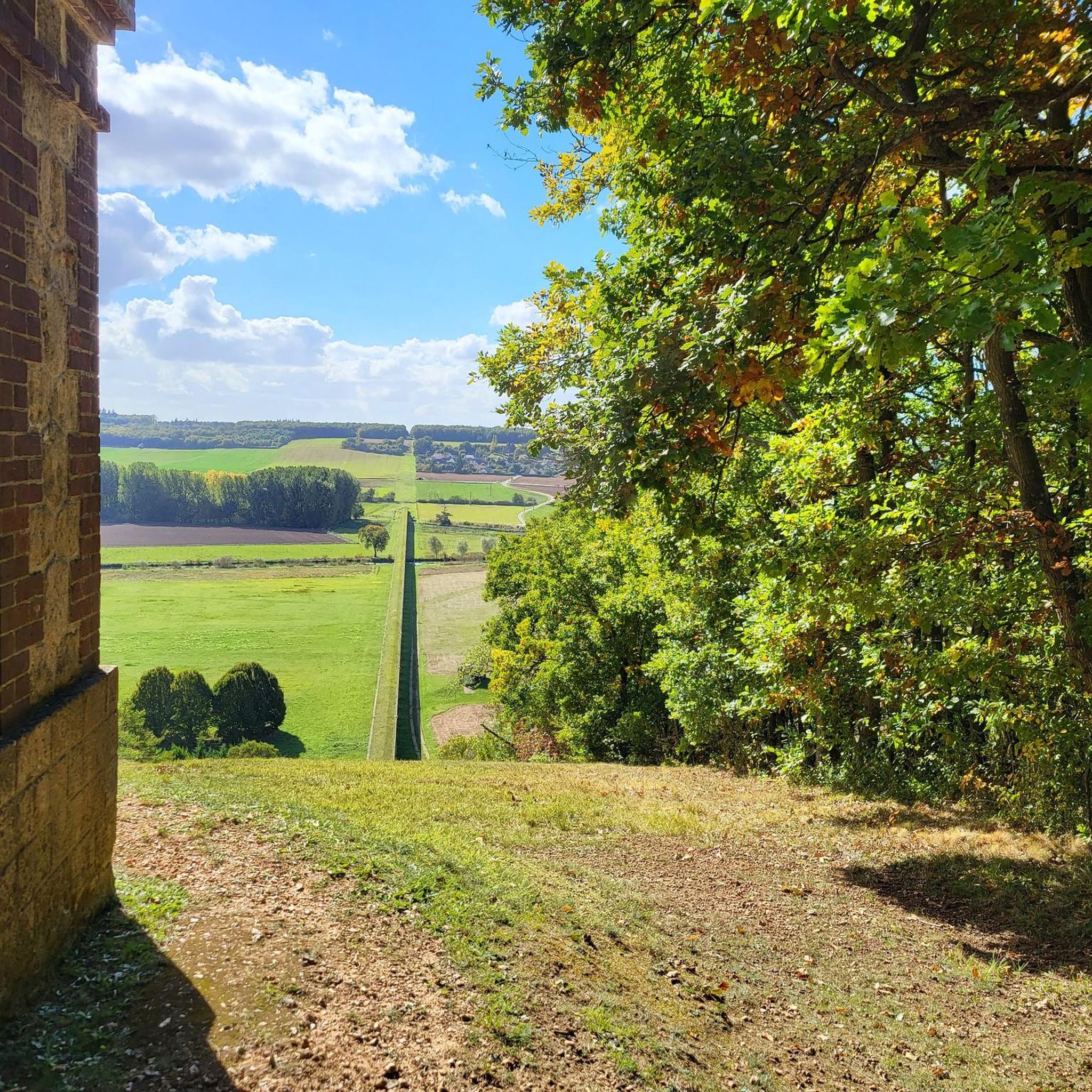
Many routes in Abondant pass by historic landmarks. You can explore sites like Anet Castle, Sorel Castle, and The Donjon of Houdan. The Marcilly-sur-Eure – Sorel Castle loop specifically highlights rural roads and historic landmarks like Sorel Castle.
Are there any family-friendly road cycling routes in Abondant?
The region's many easy routes, characterized by gentle terrain and moderate elevation changes, are well-suited for families. Routes that pass through historic town centers or along quiet rural roads can provide a pleasant and safe experience for cyclists of all ages.
What do other road cyclists enjoy most about cycling in Abondant?
The road cycling experience in Abondant is highly rated by the komoot community, with an average score of 4.5 stars from over 70 reviews. Cyclists often praise the varied terrain, the charm of the rural roads, and the opportunity to pass through historic villages.
Are there circular road cycling routes available in Abondant?
Yes, many of the road cycling routes around Abondant are designed as loops, allowing you to start and finish at the same point. Examples include the Hilly loop in the Norman countryside and the Saint Martin Church – Anet Castle loop from Abondant.
Can I find routes that combine cycling with visits to historic sites?
Absolutely. Several routes are designed to take you past significant historical attractions. For instance, the Anet Castle – Avre Aqueduct loop from Abondant allows you to cycle past the notable Anet Castle. Similarly, the Marcilly-sur-Eure – Sorel Castle loop includes Sorel Castle as a key feature.
What is the best time of year for road cycling in Abondant?
Given the region's rolling hills and rural landscape, spring and autumn generally offer pleasant temperatures and beautiful scenery for road cycling. Summer can also be enjoyable, though it's always advisable to check local weather conditions before heading out.
Most popular attractions around Abondant

Get inspired with the komoot mobile app


Explore more
Browse the best Road cycling routes in other regions.
