Attractions and Places To See around Raissac-D'Aude - Top 20
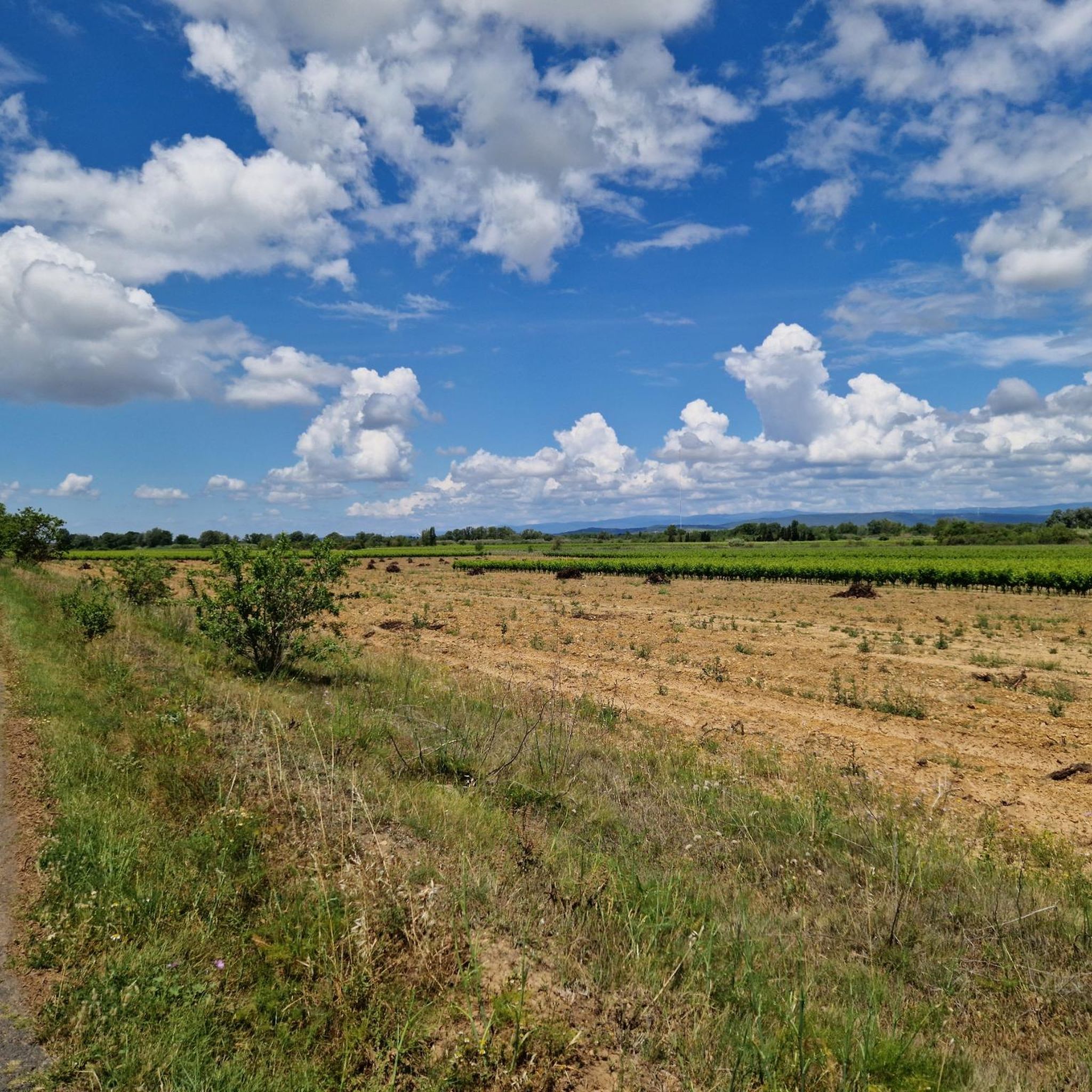
Best attractions and places to see around Raissac-D'Aude include a blend of historical sites, cultural experiences, and natural landscapes. This village, situated in the Aude department of France, is characterized by its surrounding vineyards, rolling hills, and the presence of the Orbieu and Aude rivers. The region offers a tranquil environment with a rich history and diverse natural features.
Best attractions and places to see around Raissac-D'Aude
- The most popular attractions is Via Domitia, an ancient Roman road that represents the first Roman road in Gaul. This historical route connected Italy with Spain, with parts of it still visible today.
- Another must-see spot is The Port of Somail, a picturesque settlement on the Canal du Midi. This hamlet, known for its bridge and chapel, was historically a significant stopping point for post boats.
- Visitors also love Junction of the Canal du Midi and the Canal de la Robine, a notable canal intersection. This junction provides a direct connection from the Canal du Midi to the Mediterranean Sea.
- Raissac-D'Aude is known for its historical sites, scenic canals, and natural landscapes. The area offers a variety of attractions to see and explore, from ancient Roman roads to charming canal-side hamlets.
- The attractions around Raissac-D'Aude are appreciated by the komoot community, with more than 300 upvotes and over 100 photos shared.
Last updated: October 11, 2026
The Port of Somail
Highlight • Settlement
Translated by Google •
Tip by

Junction of the Canal du Midi and the Canal de la Robine
Highlight • Other
From here there is already a direct connection from the Canal du Midi to the Mediterranean Sea.
There is a small bar directly at the junction, which unfortunately was closed at the time I came by.
Translated by Google •
Tip by

Sign up now to discover places like this
Get recommendations on the best single tracks, peaks, & plenty of other exciting outdoor places.
Narbonne Cathedral
Highlight • Historical Site
Translated by Google •
Tip by

View over Paraza
Highlight • Settlement
Translated by Google •
Tip by
Archbishops' Palace of Narbonne
Highlight • Historical Site
The palace is now a museum of art and history which houses collections of art and archaeological objects from the region. Visitors can also admire the restored historical halls of the palace, such as the Hall of Synods and the Gothic Chapel.
Translated by Google •
Tip by
Sign up for free to discover even more attractions around Raissac-D'Aude.
Already have an account?
Start today with a free account
Your next adventure awaits.

Tips from the Community

Paraza is a wine-growing village in the Minervois region of the Aude, rich in its history dating back beyond the Roman period. It is marked by the construction of the Canal du Midi, during which Pierre Paul Riquet resided at the Château de Paraza during the works on the Canal and the Pont canal du Répudre.
0
0
Le Somail features remarkable buildings, including the inn, which has retained the same appearance as in 1773, the chapel, built between 1684 and 1693, and even an ice house. This supplied the inn and the shops of Le Somail with ice during the hot summer days of Languedoc. Everything is still in place! In the heart of the village is the Pont Saint-Marcel with its remarkable semi-circular shape, typical of the early bridges of the Canal du Midi. Nearby, one can still admire the guard's house, which also housed the postmen. On the banks of the canal, you can still see the old watering trough for the draft horses.
0
0
The Junction Canal was commissioned in 1787 to connect the Canal du Midi to the Canal de la Robine in Narbonne. 5 km long, it is partly lined with magnificent umbrella pines that shelter you from the sun. This canal is part of the UNESCO World Heritage site "Canal du Midi", just like the Canal de la Robine.
0
0

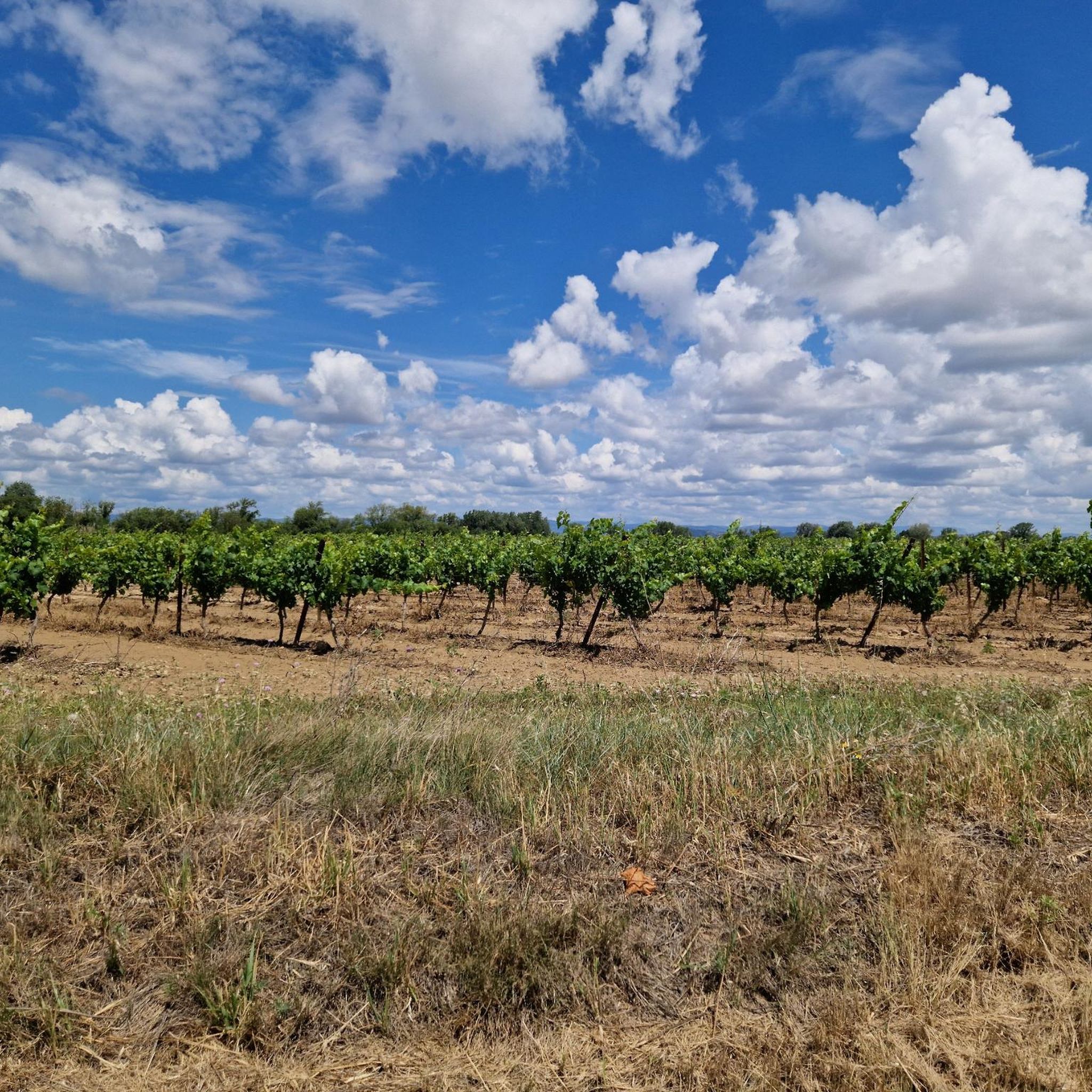
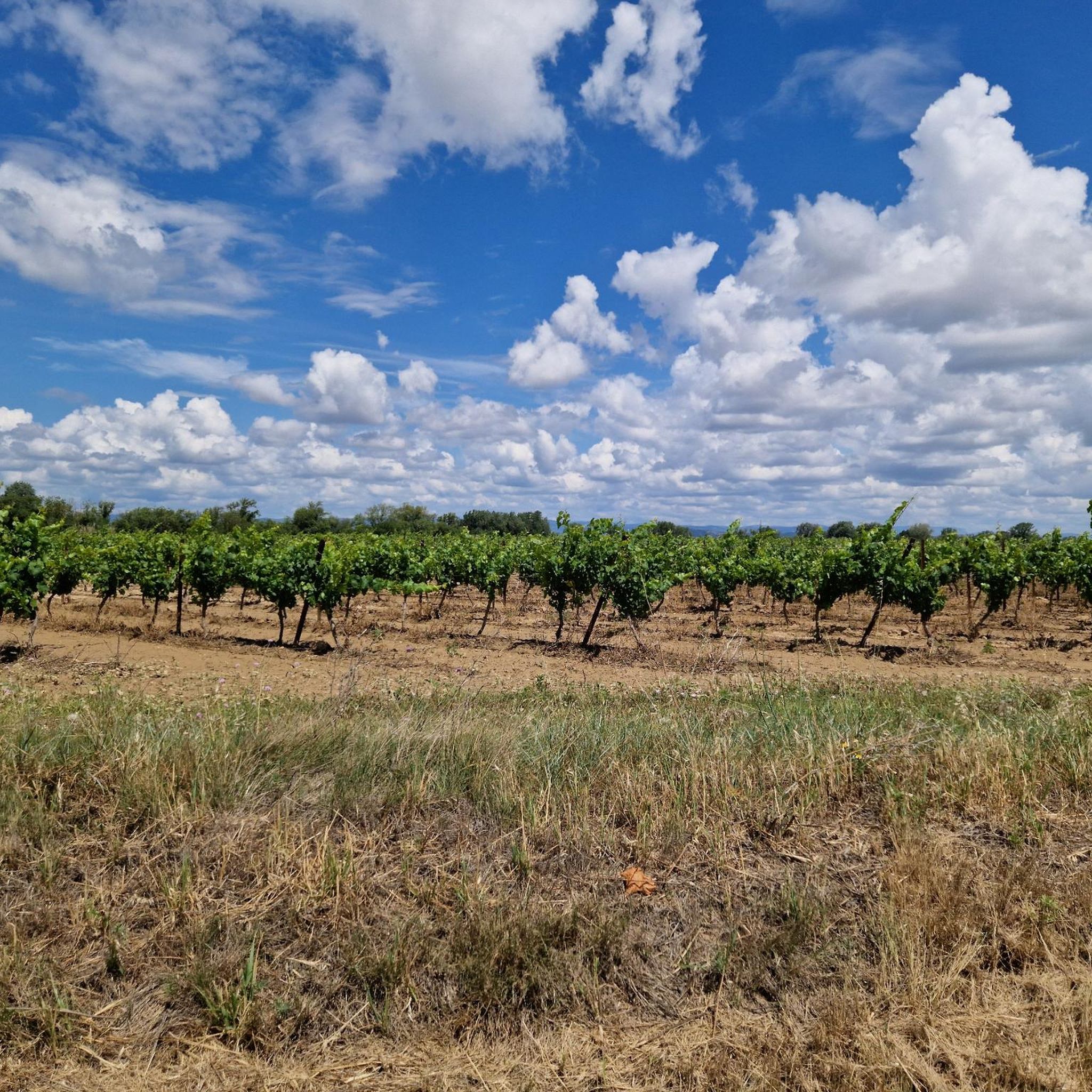
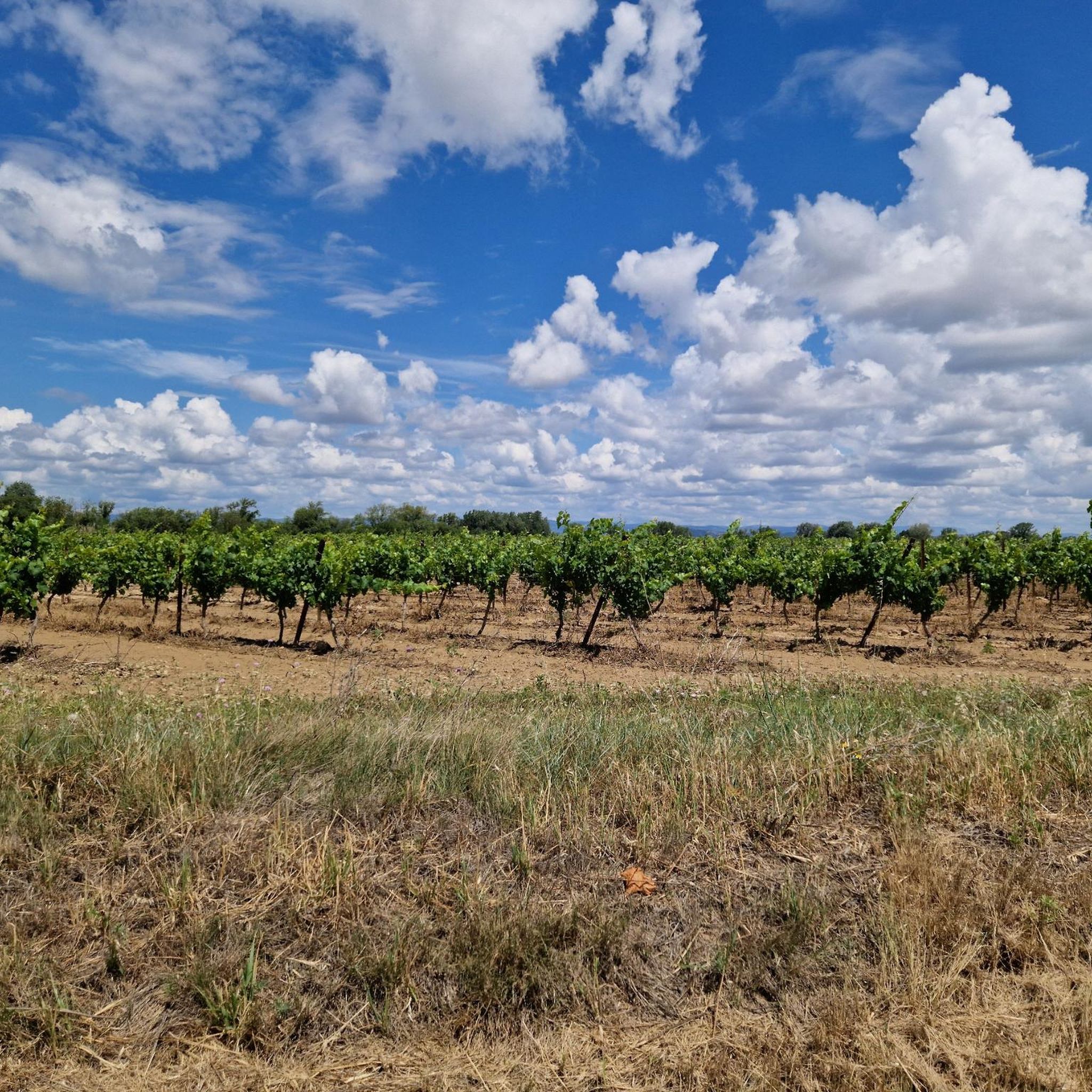
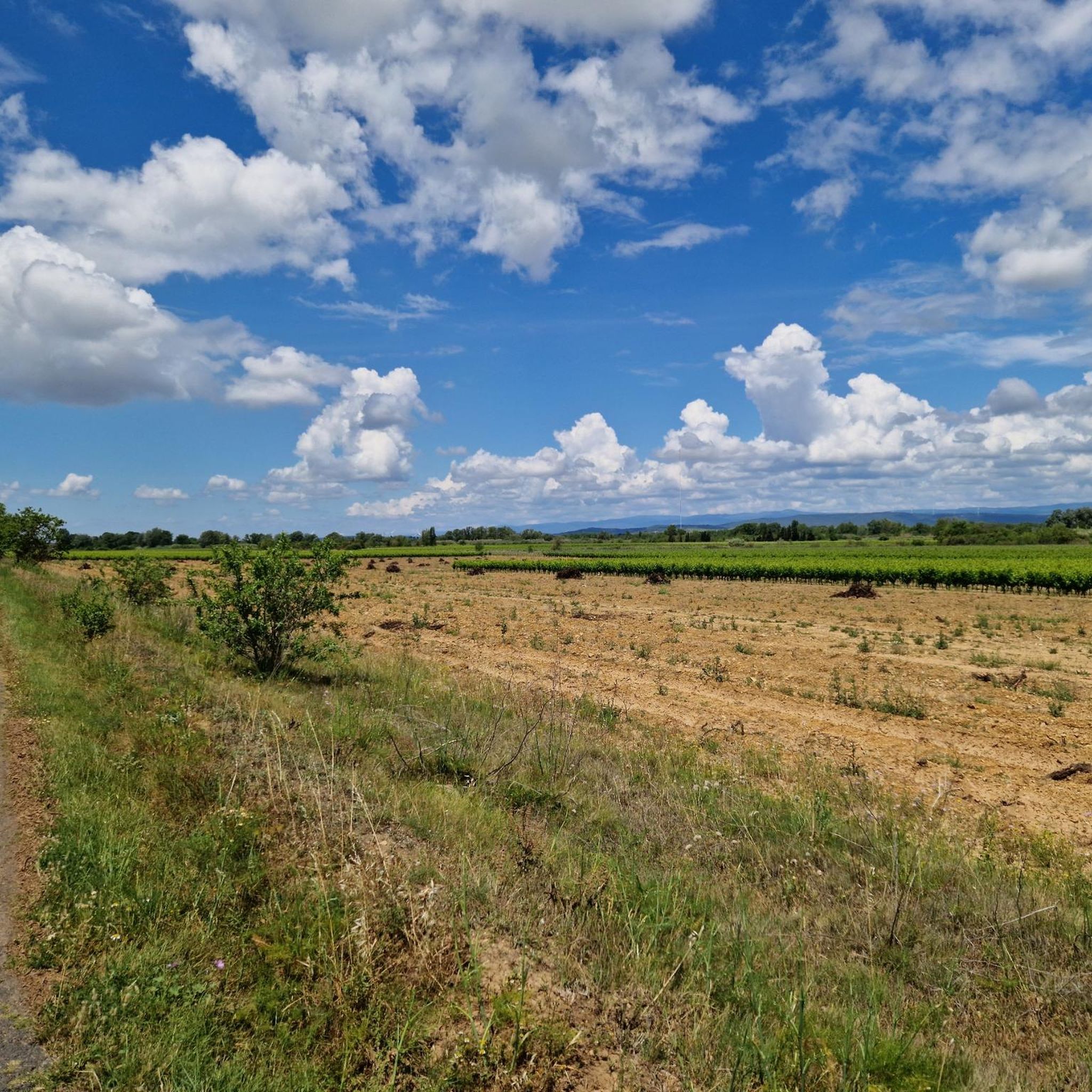
wonderfully beautiful landscape here
0
1

Narbonne Cathedral is an unfinished Roman Catholic former episcopal church. The church has held the status of a Monument historique since 1840.
2
0
The Palace of the Archbishops of Narbonne is an imposing, castle-like complex dating from the 12th to the 18th centuries, symbolizing the power and history of the region. Today it houses the town hall as well as art and archaeology museums.
3
0

A tour is worthwhile
2
0

Frequently Asked Questions
What historical sites can I explore near Raissac-D'Aude?
The region around Raissac-D'Aude is rich in history. You can visit the ancient Roman road, Via Domitia, which was the first Roman road in Gaul. Other significant historical sites include the 12th-century Fontfroide Abbey, the stunning medieval fortress of Cité de Carcassonne (a UNESCO World Heritage site), and the Gothic Saint-Just and Saint-Pasteur Cathedral of Narbonne. The Palais-Musée des Archevêques in Narbonne also offers further insight into the region's past.
Are there family-friendly attractions around Raissac-D'Aude?
Yes, Raissac-D'Aude offers several family-friendly options. The tranquil environment is ideal for families, with local parks providing playgrounds and picnic areas. The Port of Somail, a picturesque hamlet on the Canal du Midi, is a pleasant spot for a family outing. Additionally, the Sigean African Reserve, located about 24 km away, is a popular wildlife park home to thousands of animals, including lions, offering an exciting experience for all ages.
What natural features can I see near Raissac-D'Aude?
Raissac-D'Aude is surrounded by diverse natural beauty. You'll find lush vineyards, rolling hills, and forests, particularly in the Narbonnaise en Méditerranée Natural Regional Park. The village itself is bordered by the Orbieu and Aude rivers. Other notable natural sites in the wider region include the Forêt de Fontfroide, the Gouffre de l'Œil Doux, and the Gorges de l'Orbieu.
What outdoor activities can I do near these attractions?
The area around Raissac-D'Aude is perfect for outdoor enthusiasts. You can enjoy hiking, running, and road cycling. For hiking, consider routes like the 'The Port of Somail loop from Saint-Nazaire-d'Aude' or 'View over Paraza loop from Ventenac-en-Minervois'. Running trails include 'The Port of Somail loop from Saint-Nazaire-d'Aude'. Road cyclists can explore routes such as 'View over Paraza – The Port of Somail loop from Saint-Nazaire-d'Aude'. You can find more details on these activities and routes on the respective guides for hiking, running, and road cycling around Raissac-D'Aude.
Are there any picturesque villages worth visiting nearby?
Absolutely. The region boasts several charming villages. Minerve, recognized as one of France's 'Most Beautiful Villages,' is about 18 km away and features ancient streets. Lagrasse, another 'Most Beautiful Village' located about 26 km from Raissac-D'Aude, is known for its romantic atmosphere and artisan community. The Port of Somail, a picturesque hamlet on the Canal du Midi, is also a must-see with its bridge and chapel.
What is the significance of the Canal du Midi in this area?
The Canal du Midi plays a significant role in the region's history and landscape. The Port of Somail was historically a vital stopping point for post boats on the canal. Furthermore, the Junction of the Canal du Midi and the Canal de la Robine is a notable intersection that provides a direct connection from the Canal du Midi to the Mediterranean Sea. You can also see the Gailhousty Lock and Spillway, an impressive engineering feat connecting these waterways.
Can I find wine tours and tastings near Raissac-D'Aude?
Yes, the region around Raissac-D'Aude is renowned for its high-quality wines. The area is surrounded by lush vineyards, and many local vineyards offer tours and tastings. This provides an excellent opportunity to learn about the winemaking process and sample local delicacies.
What do visitors enjoy most about the attractions around Raissac-D'Aude?
Visitors particularly appreciate the blend of historical significance and natural beauty. The ancient Roman road, Via Domitia, is valued for its historical traces. The Port of Somail is loved for its picturesque setting and historical charm, inspiring many artists. The engineering marvel of the Junction of the Canal du Midi and the Canal de la Robine is also a popular highlight, especially for those interested in waterways and cycling along them.
Are there local markets to visit in the area?
Yes, several nearby towns host vibrant markets on various days of the week. You can find local markets in Lézignan-Corbières, Narbonne, Olonzac, and Saint-Chinian, offering a chance to experience local culture and find regional products.
Are there any specific bridges or locks worth seeing?
The Port of Somail features a charming humpback bridge that is part of its picturesque setting. Additionally, the Gailhousty Lock and Spillway is a notable site. This complex system, located at the downstream outlet of the Jonction canal on the Aude river, includes a lock, a spillway, and a bridge, all designed to manage water flow and connect the Canal du Midi with the Canal de la Robine.
What is the general topography around Raissac-D'Aude?
The general topography around Raissac-D'Aude is characterized by a mix of landscapes. The village is nestled in the Aude department, featuring surrounding vineyards, rolling hills, and forests. The Orbieu and Aude rivers also form part of the commune's borders, contributing to a diverse and scenic environment.
Most popular routes around Raissac-D'Aude

Get inspired with the komoot mobile app


Explore more
Still not found the Highlight you’re looking for? See guides of the top attractions in other regions:
