Attractions and Places To See around Douy - Top 16
Best attractions and places to see around Douy are found in the Eure-et-Loir department of France, a region characterized by its natural landscapes and historical sites. The area, formerly a commune now part of Cloyes-les-Trois-Rivières, offers a mix of cultural heritage, including ancient churches and priories, alongside natural features like forests and fishing ponds. Explorers can discover a variety of attractions, from medieval castles to scenic river views, making it suitable for those interested in history and outdoor activities. Several…
Last updated: October 19, 2026
Château de Châteaudun
Highlight • Historical Site
Translated by Google •
Tip by

Château de Montigny-le-Gannelon
Highlight • Castle
Montigny-le-Gannelon Castle dates from the Renaissance period; it was redesigned …
Translated by Google •
Tip by
Sign up now to discover places like this
Get recommendations on the best single tracks, peaks, & plenty of other exciting outdoor places.
Châteaudun Castle
Highlight • Castle
Translated by Google •
Tip by

Dheury bridge at Donnemain-Saint-Mamès
Highlight • Bridge
Translated by Google •
Tip by

Monumental Fountain of Châteaudun
Highlight • Other
Translated by Google •
Tip by

Sign up for free to discover even more attractions around Douy.
Already have an account?
Start today with a free account
Your next adventure awaits.

Tips from the Community

The imposing structure known as the "Château de Chateaudun" that reveals itself to visitors here is, of course, also available in other sports in the komoot system. For the corresponding hiking highlight, you'll find further relevant information and additional photos under the tips. If you're interested, see =>> https://www.komoot.com/de-de/highlight/936307
0
0


At the gates of the Loir valley coming from Paris, between Chartres and Blois, the Château de Châteaudun raises its proud and massive silhouette to the eyes of the visitor who approaches it from the north. Property of Jean, bastard of Orléans, Count of Dunois and companion of Joan of Arc, it was a solid fortress before becoming a pleasant princely residence. Overlooking the Loir by more than 60 meters, Châteaudun Castle offers a succession of elements of medieval, Gothic and Renaissance architecture of exceptional authenticity. Clinging to its rocky promontory, the 12th century “big tower” is one of the tallest and best preserved dungeons in France. In the 15th century, Jean Dunois undertook work and transformed the castle, demolishing part of the fortifications. He made the old medieval castle a comfortable and bright residence and endowed it with a Sainte-Chapelle. In the following century, his descendants, the lords of Longueville, completed the construction of the chapel and enlarged the castle with the Longueville wing. The Dunois wing and the Longueville wing have two sumptuous staircases with loggias, one with flamboyant decor and the other from the Renaissance period. Château de Châteaudun also houses a remarkable collection of Flemish and French tapestries from the 16th and 17th centuries. The visit is completed by a medieval-inspired garden exploring the relationships between cuisine and medicine in the Middle Ages, while a hanging garden reveals a garden of idleness and relaxation, unique in the Central Region.
1
0

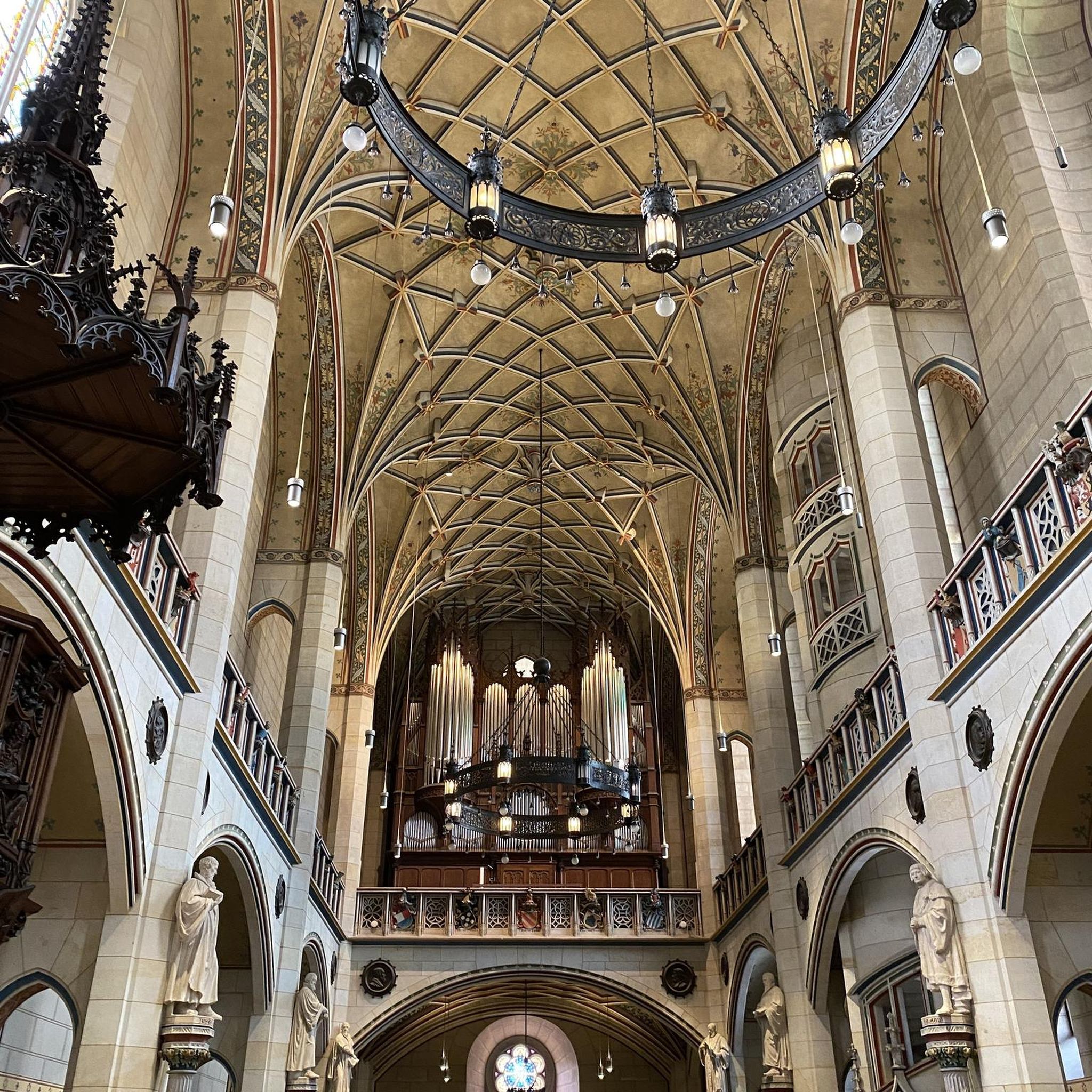
Before the 13th century there were two parishes, Saint-Sauveur and Saint-Gilles, in 1300 the bishop of Chartres united them into one by a charter of Berchères, because of the smallness of the two parishes. The church dates from the beginning of the 17th century. Rebuilt on the foundations of an old Romanesque church, its originality comes from its bell tower with saddle roof, its caquetoire and its paneled vault redone in 2003. At the initiative of the Prince Duke of Montmorency-Laval, it has contained the reliquary of Sainte-Félicité since 1838. Saint Félicité, whose relics are in Montigny-le-Gannelon, is a martyr whose life is unknown, whose body was taken from the sacred cemeteries of Rome. We have his body, the skull, the bones of his arms, fingers and feet. They were removed from the Saint-Cyriaque cemetery in 1828 and placed in their respective places on a body artistically modeled in wax and measuring more than 1.40 meters in length. A magnificent chase, of the shape and size of an altar tomb, all furnished with glazing and embellished with gilding received this precious deposit. Pope Leo XII donated it to the Duke of Laval, then Charles X's ambassador to Rome. On his death, he bequeathed it by will to the church of Montigny-le-Gannelon where the old historic castle of Laval-Montmorency is located. The venerated hunt is now placed under the main altar of which it forms the tomb.
0
0
This large neo-Renaissance style fountain was inaugurated in 1860 to symbolize the arrival a few years earlier of a modern drinking water supply system in the upper town. It is topped by a dome with lantern and a phoenix, this mythical bird which is reborn from its ashes and which perfectly symbolizes the rebirth of the city after fires, the most important of which was the dramatic fire of 1723.
0
0
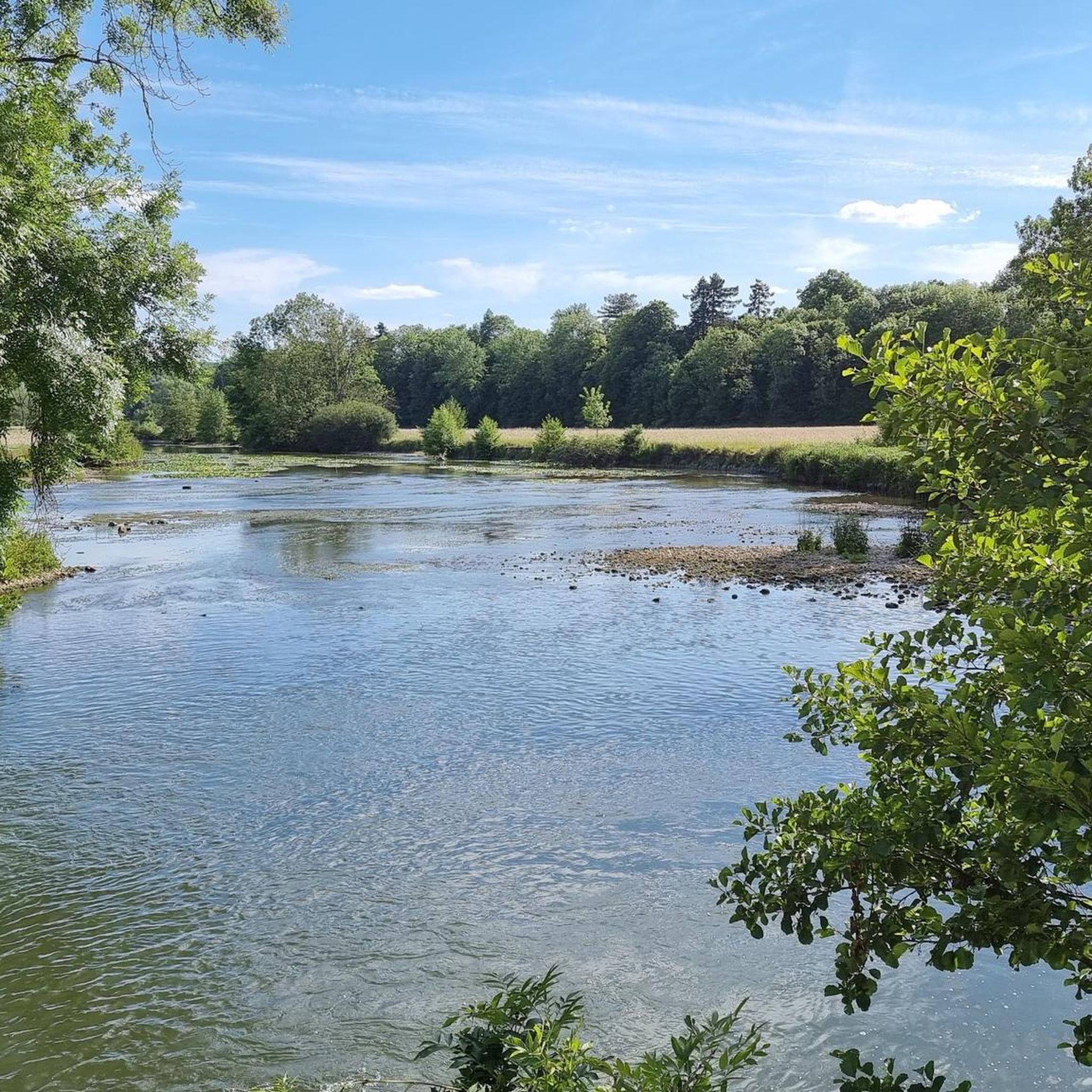
magnificent view of the castle on the banks of the Loir with a small corner perfect for a picnic.
1
0

The castle overlooks the Loir River from a height of 60 meters. It comprises elements from different periods, blending medieval, Gothic, and Renaissance architectural styles. Imposing, especially when viewed from below, this castle served as a princely residence in the 12th, 15th, and 16th centuries. A visit will reveal a well-preserved and beautifully presented interior.
2
0

Frequently Asked Questions
What historical sites can I visit around Douy?
The region around Douy, part of Cloyes-les-Trois-Rivières, is rich in history. You can explore the 12th-century Église Saint Sauveur La Trinité, known for its Romanesque windows and stained glass. Another significant site is the Priory of Saint Julien, remarkably situated between two branches of the Loir River, featuring a chapel with preserved 12th-century frescoes. Additionally, the 16th-century Moulin à eau de Courgain, an old water mill, offers a glimpse into the area's industrial past.
Are there any castles to explore near Douy?
Yes, there are notable castles nearby. The most prominent is Château de Châteaudun, a historical site combining medieval, Gothic, and Renaissance architecture, complete with a 12th-century tower and a tapestry collection. You can also enjoy a beautiful perspective of the Renaissance-style View of Montigny-le-Gannelon Castle from the bridge crossing the Loir.
What natural attractions are there to see around Douy?
Douy is surrounded by natural beauty. You can explore several forests, such as Bois de la Roche, Bois de Teillay, and Forêt de Fréteval. The area also features fishing ponds, developed from old ballast pits in the Basse Plaine, offering opportunities for angling. Additionally, four established nature trails—"la Bécasse," "le Héron," "le Martin-pêcheur," and "le Pic-vert"—allow you to discover the local flora and fauna.
What kind of outdoor activities can I do near Douy?
The Douy area is excellent for outdoor enthusiasts. You can find a variety of activities, including hiking, cycling, and mountain biking. For detailed routes and trails, you can check out the guides for Hiking around Douy, Cycling around Douy, and MTB Trails around Douy.
Are there hiking trails suitable for different skill levels around Douy?
Yes, the area offers hiking trails for various abilities. For easy walks, consider 'The Douy Ponds loop from Saint-Denis-les-Ponts' (approx. 7.6 km). Moderate options include 'Château de Châteaudun — loop around Châteaudun' (approx. 9 km) or the 'Montigny-le-Gannelon Castle Loop' (approx. 8 km). You can find more options in the Hiking around Douy guide.
Can I find cycling routes near Douy's attractions?
Absolutely! There are several cycling routes available. You can enjoy easy rides like the 'Gravel path loop from Autheuil' (approx. 19 km) or the 'Church of Saint John of the Chain – The Loir loop from Douy' (approx. 17.9 km). For more challenging moderate routes, consider 'Château de Châteaudun – The Loir loop from Saint-Denis-les-Ponts' (approx. 33 km). Explore more options in the Cycling around Douy guide.
What are some family-friendly activities or attractions in the Douy area?
Families can enjoy exploring the natural trails around Douy, such as "la Bécasse" or "le Pic-vert," which are great for gentle walks and spotting local wildlife. The fishing ponds in Basse Plaine also offer a relaxing activity. For a historical outing, the grounds of Château de Châteaudun can be engaging for older children, with its impressive architecture and history.
Are there any unique or "hidden gem" attractions worth discovering near Douy?
Beyond the main highlights, you might enjoy the Dheury bridge at Donnemain-Saint-Mamès, an early 20th-century metal bridge offering views of an old mill and a washhouse. The Moulin à eau de Courgain, a 16th-century water mill, is another charming historical spot nestled by the Loir River. These offer a quieter, more local experience.
What do visitors particularly enjoy about the attractions around Douy?
Visitors frequently praise the blend of historical architecture and serene natural landscapes. The Château de Châteaudun is often highlighted for its impressive size and historical significance. The scenic views, particularly from the bridge near Montigny-le-Gannelon Castle, are also very popular. The area's charm is reflected in the more than 50 upvotes and 37 photos shared by the komoot community.
What is the best time of year to visit Douy for outdoor activities?
The spring (April to June) and early autumn (September to October) are generally the best times to visit Douy for outdoor activities. During these periods, the weather is typically mild and pleasant, ideal for hiking, cycling, and exploring the natural landscapes without the intense heat of summer or the chill of winter. The foliage in autumn also adds to the scenic beauty.
Are there any specific churches or religious sites of interest near Douy?
Yes, the Église Saint Sauveur La Trinité in Douy itself is a notable 12th-century church with Romanesque features. Further afield, the Saint Peter's Church in Romilly-sur-Aigre, with its distinctive facade framed by two 18th-century corner towers, is also worth a visit for its historical architecture.
Where can I find fishing opportunities around Douy?
The Basse Plaine area near Douy offers excellent fishing opportunities. Old ballast pits have been developed into eight bodies of water, covering a total area of 19 hectares. These ponds are well-suited for various types of fishing, providing a peaceful setting for anglers.
Are there any attractions around Douy that offer good views?
For picturesque views, the bridge crossing the Loir at Montigny-le-Gannelon provides a stunning perspective of the View of Montigny-le-Gannelon Castle. Additionally, the Château de Châteaudun, perched over 60 meters above the Loir, offers magnificent views of the river and surrounding landscape from its grounds.
Are there any water mills or historical industrial sites to see?
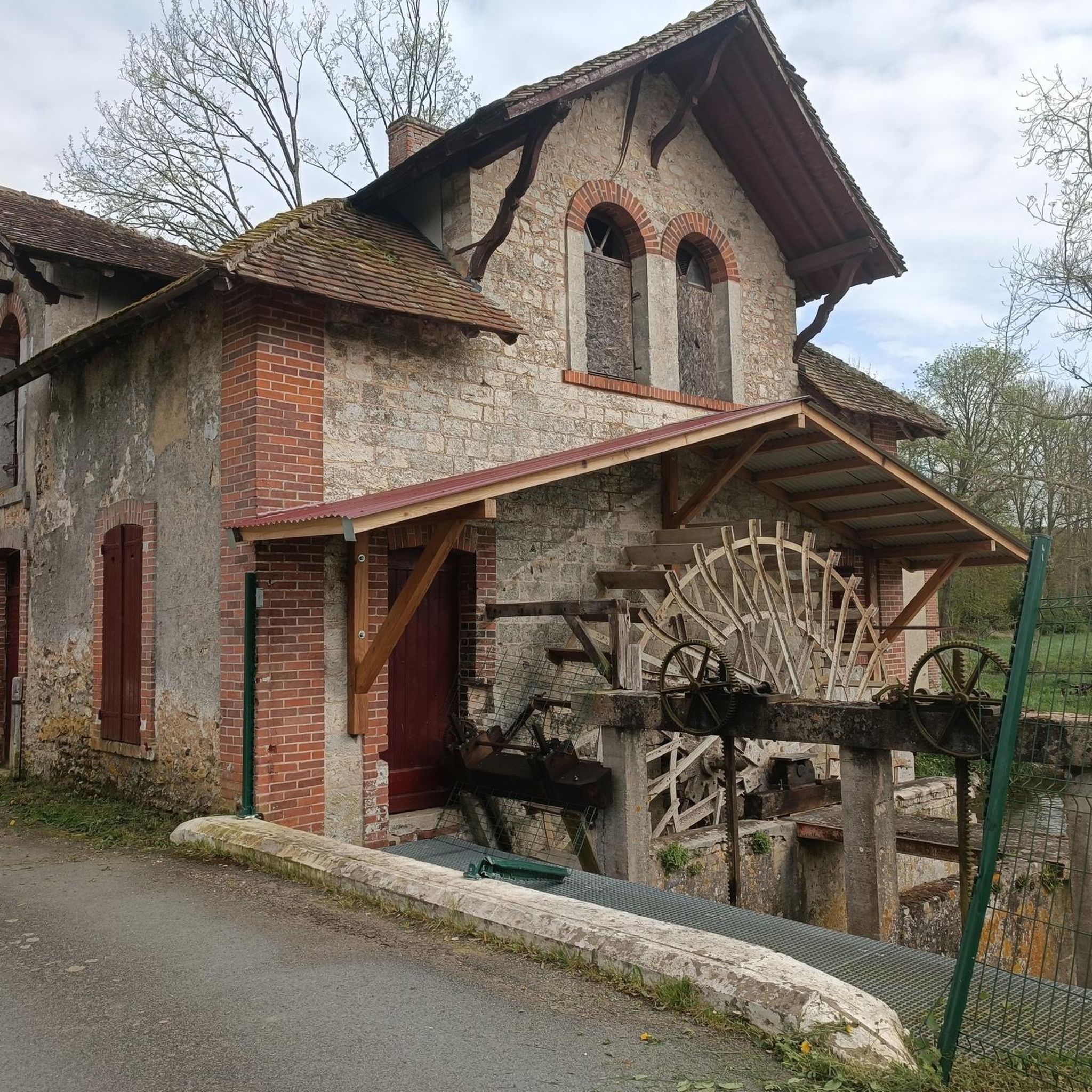
Yes, the Moulin à eau de Courgain is a significant historical water mill dating back to the 16th century. Located in a clearing on the banks of the Loir, it operated for four centuries grinding grain. While no longer active, it stands as a testament to the region's past industrial heritage. You can also spot an old mill near the Dheury bridge at Donnemain-Saint-Mamès.

Get inspired with the komoot mobile app


Explore more
Still not found the Highlight you’re looking for? See guides of the top attractions in other regions:
