Top 5 Castles around Cloyes-Sur-Le-Loir
Castles around Cloyes-sur-le-Loir offer a journey through French history and architecture within the Loir Valley. This region, also known as Cloyes-les-Trois-Rivières, features a mix of well-preserved châteaux and historical ruins. Visitors can explore structures ranging from medieval fortresses to Renaissance residences. The area provides insights into centuries of heritage, showcasing diverse architectural styles.
Best castles around Cloyes-Sur-Le-Loir
- The most popular castles is View of Montigny-le-Gannelon Castle, a castle viewpoint that offers a clear view of the splendid facades of this Renaissance-style building. The bridge crossing the Loir provides a vantage point to appreciate its architecture.
- Another must-see spot is Château de Châteaudun, a historical site and castle. Visitors can expect to see a blend of medieval fortress and Renaissance architecture, including a 12th-century keep and a Sainte-Chapelle added by Jean Dunois.
- Visitors also love Feudal Castle of Fréteval, a castle ruin dating from the 11th century. It is special for its 4.5-hectare fortress ruins with three lines of defense and one of France's oldest circular stone keeps.
- Cloyes-Sur-Le-Loir is known for medieval fortresses, Renaissance châteaux, and historical ruins. The variety of castles to see and explore includes well-preserved sites and those that offer a glimpse into past grandeur through their remains.
- The castles around Cloyes-Sur-Le-Loir are appreciated by the komoot community, with 37 photos and 50 upvotes highlighting their appeal.
Last updated: July 8, 2026
Château de Châteaudun
Highlight • Historical Site
chateau-chateaudun.fr
Translated by Google •
Tip by

Château de Montigny-le-Gannelon
Highlight • Castle
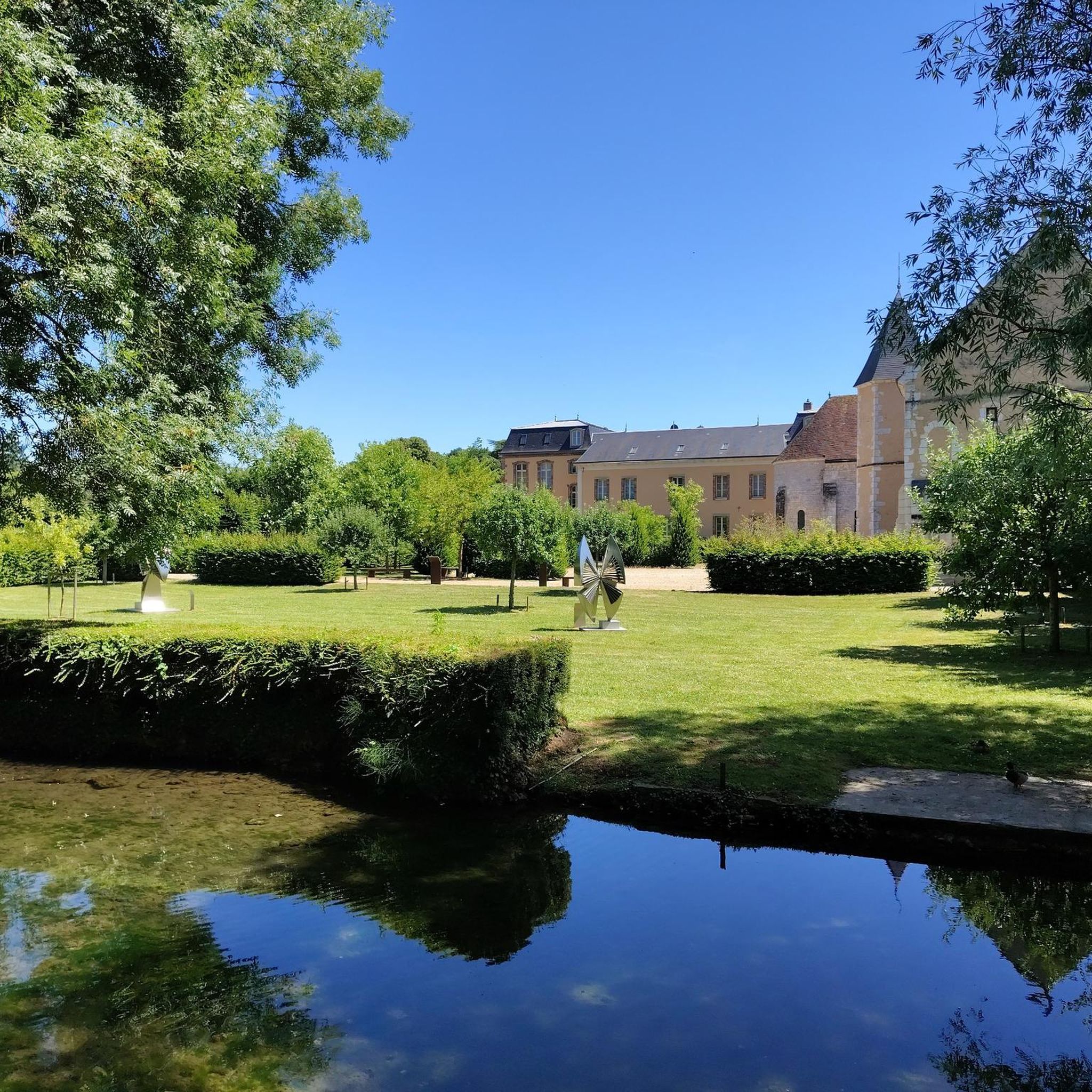
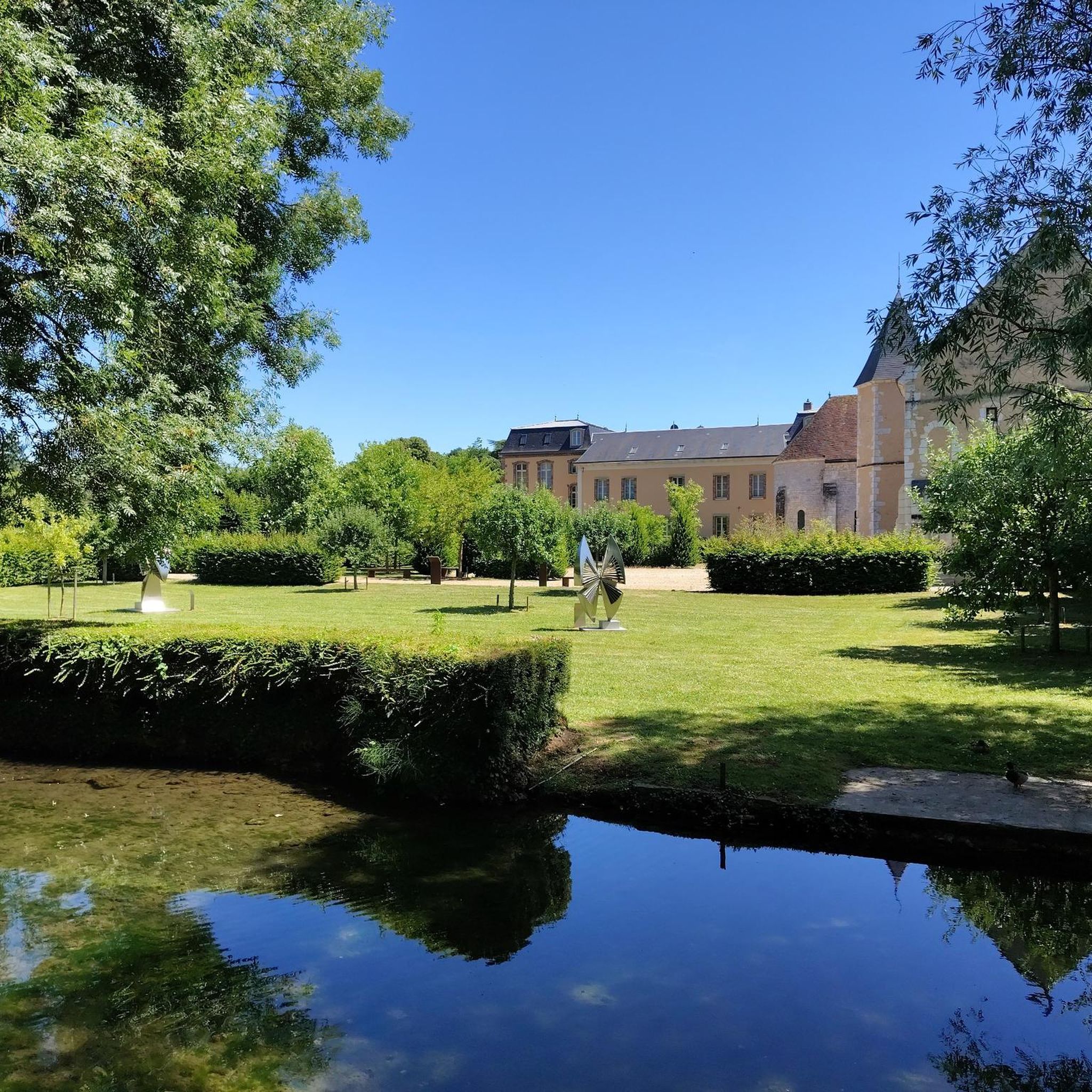
Montigny-le-Gannelon Castle dates from the Renaissance period; it was redesigned during the course of a restoration in the 19th century Neo-Gothic.
Translated by Google •
Tip by
Sign up now to discover places like this
Get recommendations on the best single tracks, peaks, & plenty of other exciting outdoor places.
Sign up for free
Feudal Castle of Fréteval
Highlight • Castle
Translated by Google •
Tip by

La Gaudinière Castle (ruins)
Highlight • Castle
On Saturday November 17, 1934, around 9:30 am, an employee of the estate saw smoke emanating from the roof on the northeast side. Firefighters from neighboring towns rushed to the scene. They could not contain the fire, but a lot of furniture, and objects were saved from the disaster. The investigation concluded that there was a short circuit in the attic. The residents were housed in the redeveloped outbuildings, but their situation could not last like this. The New York patron, after two years of study and reflection, preferred to shift his efforts to the Armenian communities in Greece, and more recently in 1991 in Syria and Lebanon.
The domain was then sold for a few thousand Francs between the years 1937 and 1938. It is a company, a subsidiary of the "Mines de Lens" in the north of France which bought the entire domain to reforest it, in order to s '' supply mine poles. The ruins were then demolished, dispersed, even looted.
Translated by Google •
Tip by

Tour de Grisset
Highlight • Historical Site
Translated by Google •
Tip by
Start today with a free account
Your next adventure awaits.
Login or Signup


Tips from the Community

The imposing structure known as the "Château de Chateaudun" that reveals itself to visitors here is, of course, also available in other sports in the komoot system. For the corresponding hiking highlight, you'll find further relevant information and additional photos under the tips. If you're interested, see =>> https://www.komoot.com/de-de/highlight/936307
0
0


At the gates of the Loir valley coming from Paris, between Chartres and Blois, the Château de Châteaudun raises its proud and massive silhouette to the eyes of the visitor who approaches it from the north. Property of Jean, bastard of Orléans, Count of Dunois and companion of Joan of Arc, it was a solid fortress before becoming a pleasant princely residence. Overlooking the Loir by more than 60 meters, Châteaudun Castle offers a succession of elements of medieval, Gothic and Renaissance architecture of exceptional authenticity. Clinging to its rocky promontory, the 12th century “big tower” is one of the tallest and best preserved dungeons in France. In the 15th century, Jean Dunois undertook work and transformed the castle, demolishing part of the fortifications. He made the old medieval castle a comfortable and bright residence and endowed it with a Sainte-Chapelle. In the following century, his descendants, the lords of Longueville, completed the construction of the chapel and enlarged the castle with the Longueville wing. The Dunois wing and the Longueville wing have two sumptuous staircases with loggias, one with flamboyant decor and the other from the Renaissance period. Château de Châteaudun also houses a remarkable collection of Flemish and French tapestries from the 16th and 17th centuries. The visit is completed by a medieval-inspired garden exploring the relationships between cuisine and medicine in the Middle Ages, while a hanging garden reveals a garden of idleness and relaxation, unique in the Central Region.
1
0

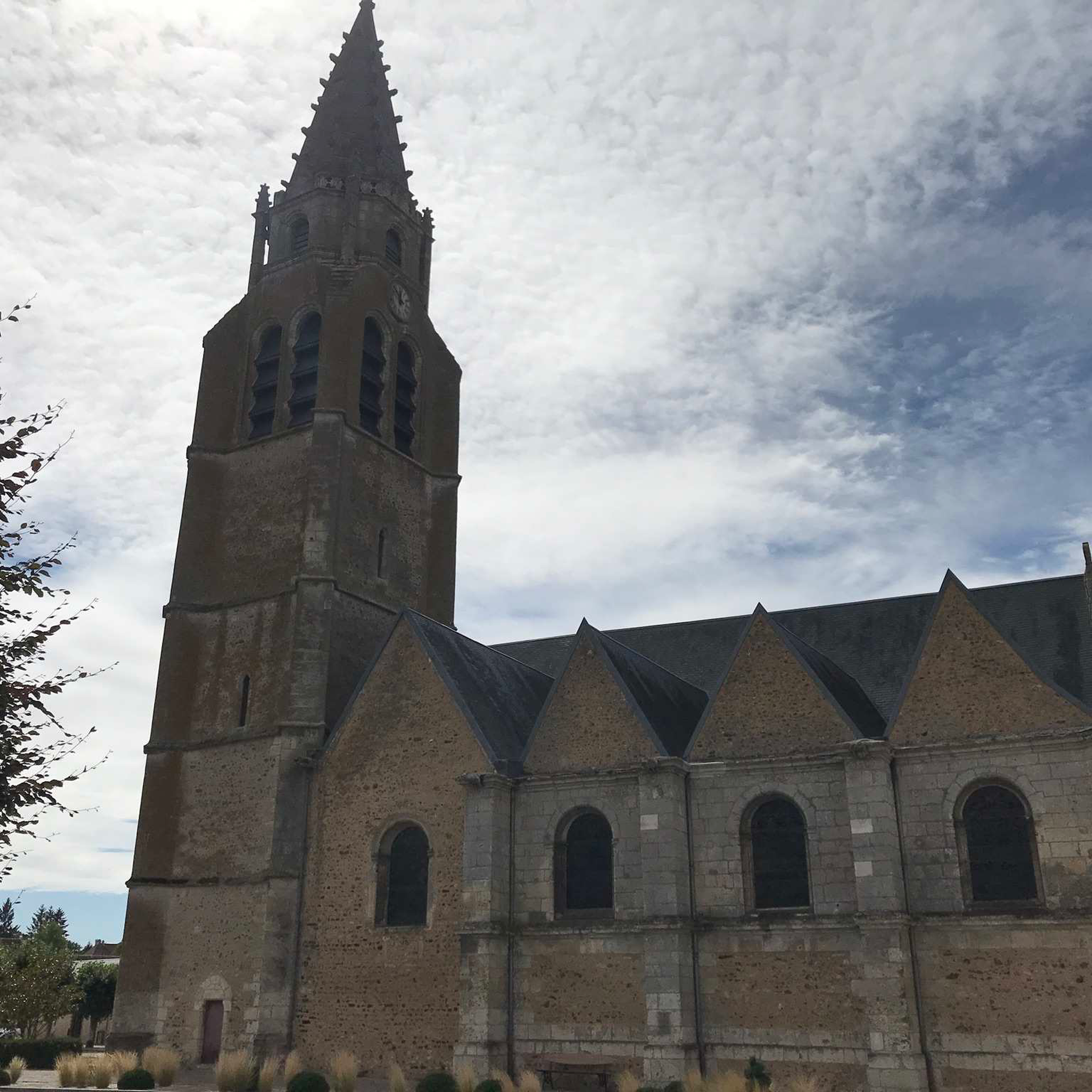
Before the 13th century there were two parishes, Saint-Sauveur and Saint-Gilles, in 1300 the bishop of Chartres united them into one by a charter of Berchères, because of the smallness of the two parishes. The church dates from the beginning of the 17th century. Rebuilt on the foundations of an old Romanesque church, its originality comes from its bell tower with saddle roof, its caquetoire and its paneled vault redone in 2003. At the initiative of the Prince Duke of Montmorency-Laval, it has contained the reliquary of Sainte-Félicité since 1838. Saint Félicité, whose relics are in Montigny-le-Gannelon, is a martyr whose life is unknown, whose body was taken from the sacred cemeteries of Rome. We have his body, the skull, the bones of his arms, fingers and feet. They were removed from the Saint-Cyriaque cemetery in 1828 and placed in their respective places on a body artistically modeled in wax and measuring more than 1.40 meters in length. A magnificent chase, of the shape and size of an altar tomb, all furnished with glazing and embellished with gilding received this precious deposit. Pope Leo XII donated it to the Duke of Laval, then Charles X's ambassador to Rome. On his death, he bequeathed it by will to the church of Montigny-le-Gannelon where the old historic castle of Laval-Montmorency is located. The venerated hunt is now placed under the main altar of which it forms the tomb.
0
0
magnificent view of the castle on the banks of the Loir with a small corner perfect for a picnic.
1
0

The feudal castle of Fréteval is a castle which dates from the 11th century. You can explore the ruins of the fortress, which covers 4.5 hectares and has three lines of defense. You will also be able to see the keep, one of the oldest circular stone towers in France, built of flint. The castle was a strategic location in the conflicts between the Plantagenet kings and the kings of France. The information panels will allow you to learn more about its history. The feudal castle of Fréteval is a remarkable place that will transport you to the Middle Ages.
2
0
The Grisset Tower is an astonishing vestige of the Gallo-Roman era. This ancient tower was part of a temple dedicated to Mercury, the god of travelers and commerce. You can marvel at the impressive masonry and vaulted ceiling that have survived almost two thousand years. The tower is located on a hill overlooking the Loir, and you can enjoy panoramic views of the green valley and charming villages.
2
0
The Feudal Castle of Fréteval is a castle which dates from the 11th century. You can explore the ruins of the fortress, which covers 4.5 hectares and has three lines of defense. You will also be able to see the keep, one of the oldest circular stone towers in France, built in flint. The castle was a strategic location in the conflicts between the Plantagenet kings and the kings of France, and you can learn more about its history from the information panels. The feudal castle of Fréteval is a remarkable place that will transport you to the Middle Ages.
3
0
Frequently Asked Questions
What types of castles can I explore around Cloyes-sur-le-Loir?
The region offers a diverse range of castles, from well-preserved medieval fortresses to elegant Renaissance châteaux and historical ruins. You can find structures like the impressive Château de Châteaudun, which blends medieval and Renaissance architecture, or the ancient Feudal Castle of Fréteval, known for its 11th-century ruins and one of France's oldest circular stone keeps.
Are there any castles directly within Cloyes-sur-le-Loir itself?
Yes, Cloyes-sur-le-Loir is home to historical châteaux such as the Château de Bouville and the Château de Romainville. The Château de Bouville, for instance, has a rich history dating back centuries, with significant transformations made in the 18th and 19th centuries. For more historical context on Château de Bouville, you can visit its Wikipedia page.
Which castles are particularly good for history enthusiasts?
History enthusiasts will appreciate the Château de Châteaudun, which was once the home of Jean de Dunois, a companion of Joan of Arc, and features a 12th-century keep and a Sainte-Chapelle. The Feudal Castle of Fréteval also offers a deep dive into medieval history with its extensive 11th-century ruins and strategic past.
Can I visit castle ruins in the area?
Yes, the region features notable castle ruins. The Feudal Castle of Fréteval is an 11th-century ruin with three lines of defense and an ancient circular keep. Additionally, the La Gaudinière Castle (ruins), though mostly in ruins, holds historical interest as the site of a magnificent castle built in 1863.
What outdoor activities can I do near these castles?
The area around Cloyes-sur-le-Loir offers various outdoor activities. You can find numerous running, mountain biking, and cycling routes. For example, there are running loops from Montigny-le-Gannelon and Cloyes-sur-le-Loir, and MTB trails like the Courgain Mill loop near Châteaudun. Cycling routes, such as 'The Loir – Feudal Castle of Fréteval loop,' allow you to explore the landscape and visit historical sites. You can find more details on these activities in the Running Trails around Cloyes-Sur-Le-Loir, MTB Trails around Cloyes-Sur-Le-Loir, and Cycling around Cloyes-Sur-Le-Loir guides.
Are there any unique historical sites beyond traditional castles?
Yes, the Tour de Grisset is an astonishing vestige from the Gallo-Roman era. This ancient tower was part of a temple dedicated to Mercury and offers impressive stonework and vaulted ceilings that have survived for nearly two millennia. It provides panoramic views of the Loir valley.
What do visitors particularly enjoy about the castles in this region?
Visitors appreciate the blend of historical significance and architectural beauty. For instance, the Château de Châteaudun is praised for its impressive size, location, and the blend of medieval fortress and Renaissance architecture. The View of Montigny-le-Gannelon Castle is loved for the beautiful vantage point it offers to admire its splendid Renaissance facades.
Are there any castles that offer a good viewpoint?
Yes, the View of Montigny-le-Gannelon Castle is specifically highlighted as a castle viewpoint. The bridge crossing the Loir provides an excellent spot to appreciate the splendid facades of this Renaissance-style building. The Tour de Grisset also offers panoramic views of the Loir valley.
What is the best time to visit castles in the Cloyes-sur-le-Loir area?
The castles in the Loir Valley, including those near Cloyes-sur-le-Loir, are generally pleasant to visit during spring and autumn when the weather is mild and the gardens are often in bloom or displaying vibrant fall colors. Summer can also be a good time, though it might be busier. Always check specific castle opening hours, as they can vary seasonally.
Are there family-friendly castles or activities in the region?
Many castles in the broader Loire Valley region are family-friendly, often featuring extensive grounds for children to explore, and sometimes offering specific activities or events. While specific family-friendly programs for all local castles aren't detailed, exploring the ruins of the Feudal Castle of Fréteval can be an engaging historical adventure for families.
Can I find accommodation or dining options near the castles?
Cloyes-sur-le-Loir and nearby towns like Châteaudun offer various accommodation options, including hotels, gites, and bed and breakfasts. You'll also find cafes, pubs, and restaurants in these towns where you can enjoy local cuisine after your castle visits.
Most popular routes around Cloyes-Sur-Le-Loir
Most popular attractions around Cloyes-Sur-Le-Loir

Get inspired with the komoot mobile app


Explore more
Looking for the best castles somewhere else? Discover other guides around Cloyes-Sur-Le-Loir:
