Attractions and Places To See around Puch-D'Agenais - Top 20
Best attractions and places to see around Puch-D'Agenais include historical landmarks, natural features, and cultural sites within the Lot-et-Garonne department of Nouvelle-Aquitaine, France. The region is characterized by its position on the Garonne terraces, offering scenic agricultural landscapes. Visitors can explore a blend of historical charm and opportunities for outdoor activities. The area provides various points of interest for those seeking local culture and natural beauty.
Best attractions and places to see around Puch-D'Agenais
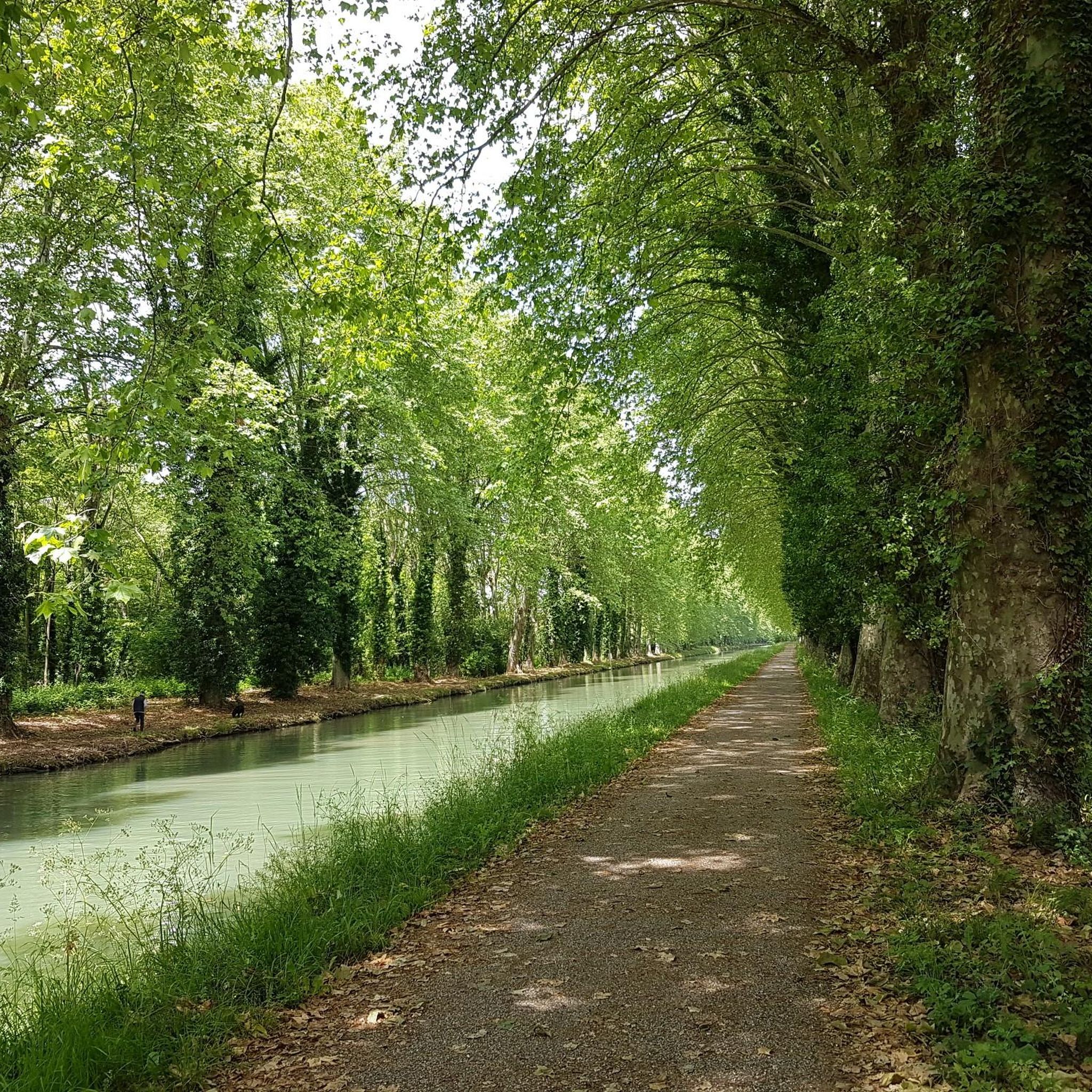
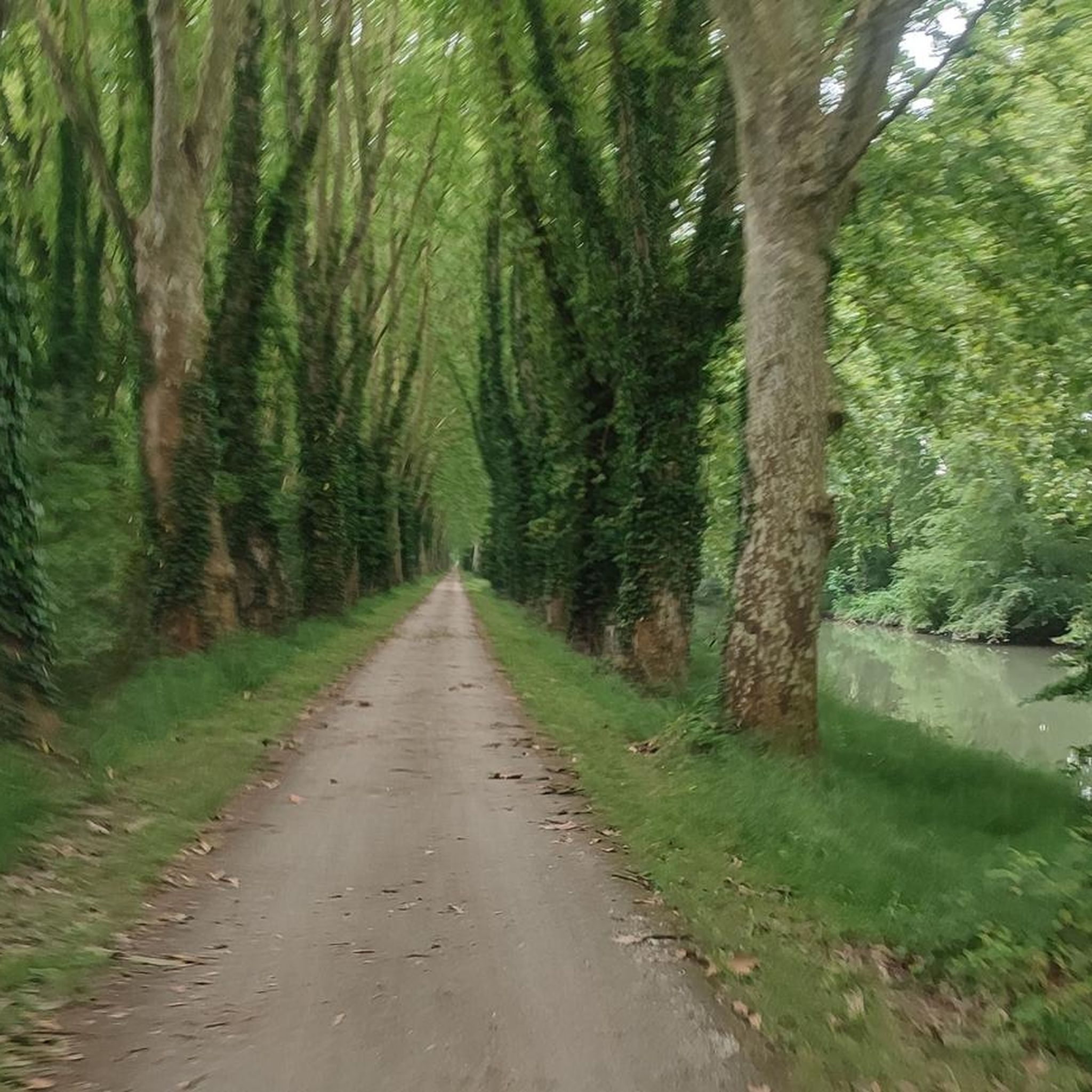
- The most popular attractions is Canal Latéral à la Garonne, a river that offers pleasant, shaded passages ideal for cycling and hiking. This canal is a prominent natural and recreational feature, known for its bucolic scenery and as part of the larger Canal des Deux Mers.
- Another must-see spot is Rembrandt’s Christ on the Cross in Saint-Vincent Church, Le Mas-d’Agenais, a religious building and historical site. This 12th-century Collegiate Church houses Rembrandt's painting "Christ on the Cross," making it a significant cultural and artistic landmark.
- Visitors also love Buzet-sur-Baïse Lock, an other man-made structure on the Canal Latéral à la Garonne. This double lock is a point of interest for those observing the canal's operations and the surrounding wine-growing hamlet.
- Puch-D'Agenais is known for its historical sites, natural features, and local markets. The area offers a variety of attractions, including opportunities for cycling routes and exploring landmarks near Puch-D'Agenais.
- The attractions around Puch-D'Agenais are appreciated by the komoot community, with 3 highlights having received 267 upvotes and 69 photos.
Last updated: May 21, 2026
Canal Latéral à la Garonne
Highlight (Segment) • River
Translated by Google •
Tip by

Rembrandt’s Christ on the Cross in Saint-Vincent Church, Le Mas-d’Agenais
Highlight • Religious Site
considered one of the greatest painters in the history of art
European Baroque and one of the most important painters of the Dutch School of the 17th century. He produced more than 400 paintings, 300 etchings and 300 drawings. In 1631, he painted Christ on the Cross which is visible in the St-Vincent collegiate church of Mas-d’Agenais. From the paved square with a medieval-looking market hall, you must enter the 12th century Collegiate Church, get lost between sarcophagi and sculpted stalls, before discovering “The Crucifixion”. The painting is part of a series by the master on the Passion of Christ.
Translated by Google •
Tip by

Sign up now to discover places like this
Get recommendations on the best single tracks, peaks, & plenty of other exciting outdoor places.
Sign up for free
Buzet-sur-Baïse Lock
Highlight • Structure
Translated by Google •
Tip by

Historic Center of Clairac
Highlight • Historical Site
Translated by Google •
Tip by

Central Square of Damazan
Highlight • Settlement
Translated by Google •
Tip by

Sign up for free to discover even more attractions around Puch-D'Agenais.
Sign up for free
Already have an account?
Start today with a free account
Your next adventure awaits.
Login or Signup

Tips from the Community

Very pleasant and shady and not too crowded.
0
0

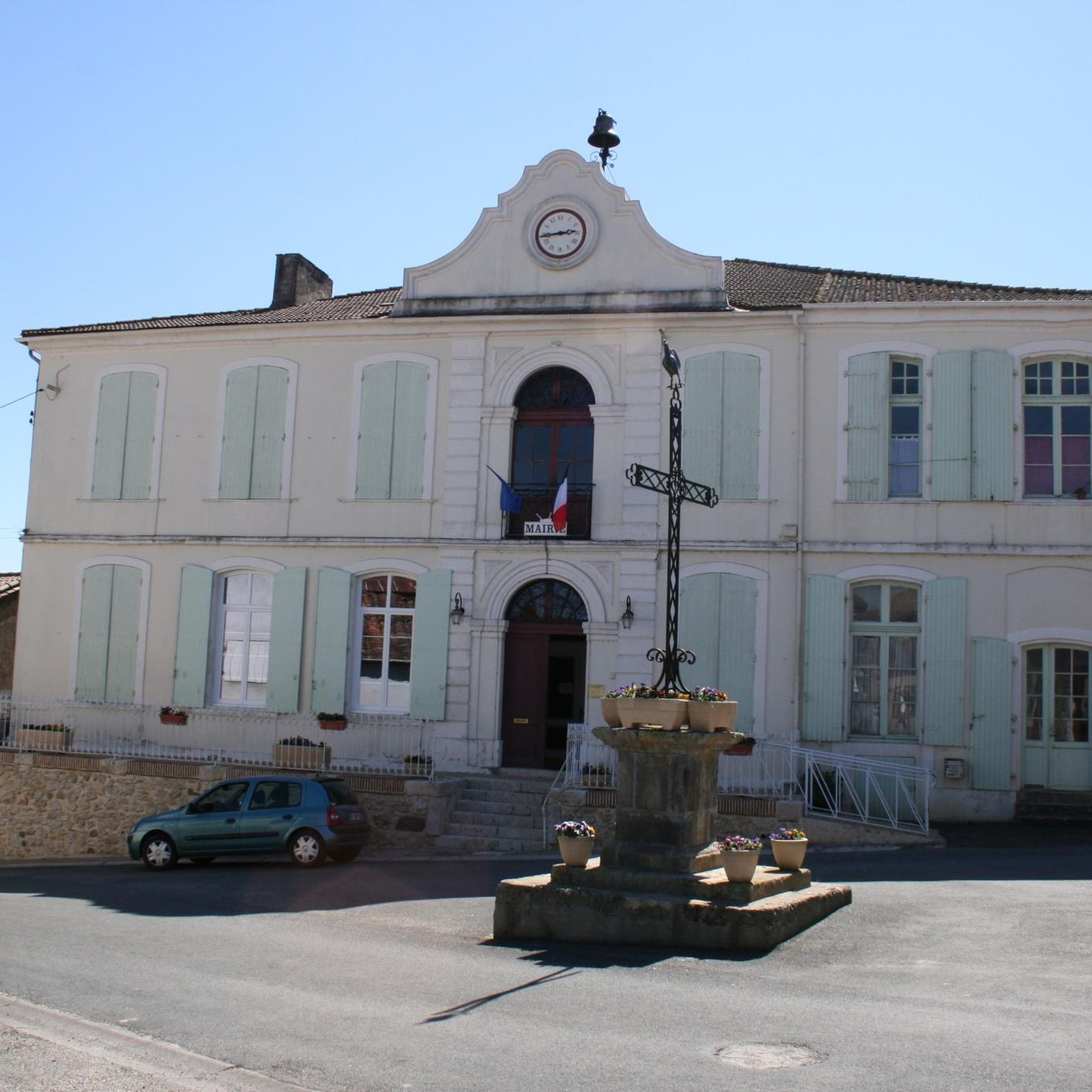
The village of Damazan has retained all its charm with its central square and half-timbered houses. It's the perfect place to park your bike, enjoy a coffee in the shade, and soak up the atmosphere of the southwest.
0
0

Very pleasant route, mostly asphalted in the shade and at the water's edge of course. However, the Lot-et-Garonne part of this route is more bumpy, the roots lift the tar and make bumps that are sometimes quite significant, so don't be surprised. Another negative point, it is sometimes difficult to find free access water taps, even in the nautical stops you will most of the time have to go and ask for water in the bars or restaurants along the track, or leave the track to go directly to the village cemeteries.
1
0

Peaceful route by the water, in the shade under the trees 🌳
0
0

Rembrandt, born July 15, 1606, died October 4, 1669 is considered one of the greatest painters in the history of art European Baroque and one of the most important painters of the Dutch School of the 17th century. He produced more than 400 paintings, 300 etchings and 300 drawings. In 1631, he painted Christ on the Cross which is visible in the St-Vincent collegiate church of Mas-d’Agenais. From the paved square with a medieval-looking market hall, you must enter the 12th century Collegiate Church, get lost between sarcophagi and sculpted stalls, before discovering “The Crucifixion”. The painting is part of a series by the master on the Passion of Christ.
1
0
To see: the central square, with a quadrilateral plan, with corner and half-timbered houses, made of local oak and chestnut and cob mixing earth and hay. Facades repainted and paving recently restored. The Notre Dame church, at the northeast corner of the city, has a Gothic foundation, since the original building was burned by Protestants in the 16th century. It is made up of a main nave and two side aisles, onto which arcades form chapels. The 9 stained glass windows of the side aisles are the work of the renowned Bordeaux master glassmaker Joseph Villiet, executed in 1853, and those of the apse made by Jacques Leuzy, master glassmaker of Moissac, in 1950.
0
0
The history of Clairac is inseparable from that of its Benedictine abbey, which was internationally renowned in the Middle Ages. The abbey, as well as the town which was formed around its walls, reached their peak in the 12th and 13th centuries. There were then 120 monks who worked both in the fields and as copyists of manuscripts. The abbot of Clairac was also the lord of the village and commanded two bastides, five priories and around fifty parishes. The monks also owned two mills on the Lot. The income generated by the abbey was then considerable. But the most important heritage is unexpected: the plum tree of Damascus, brought back from the crusades, was in fact "enté", that is to say grafted, by them for the 1st time. They also discovered the sun-drying process, inventing the Ente plum and the Agen prune in one fell swoop!
0
0

Beautiful landscape, beautiful canal, the surface of the bike path could be better. Shady sections, several bridges and locks. More information: https://de.wikipedia.org/wiki/Canal_lat%C3%A9ral_%C3%A0_la_Garonne?wprov=sfla1
5
1
Frequently Asked Questions
What natural features can I explore around Puch-D'Agenais?
The most prominent natural feature is the Canal Latéral à la Garonne, offering pleasant, shaded passages ideal for cycling and hiking. You can also find the Réserve Naturelle Étang De La Mazière, about 6.7 km away, for wildlife spotting, and Le Bois de Montpouillan for outdoor enjoyment. The region is also characterized by the scenic Terrasses de Garonne.
Are there any historical sites or landmarks to visit near Puch-D'Agenais?
Yes, the region is rich in history. You can visit Rembrandt’s Christ on the Cross in Saint-Vincent Church, Le Mas-d’Agenais, a 12th-century collegiate church housing a famous painting. The Historic Center of Clairac features beautiful half-timbered houses and the Saint-Pierre-ès-Liens church. In Damazan, the Central Square of Damazan retains its charm with half-timbered houses and a Gothic-founded church. Puch-D'Agenais itself has the Église Saint-Pierre and a 19th-century Market Hall.
What cycling opportunities are available near Puch-D'Agenais?
The Canal Latéral à la Garonne provides excellent, shaded pathways for cycling. There are numerous marked routes for both touring and road cycling in the area. For specific routes, you can explore options like the 'Garonne and Canal Loop' or 'Canal Latéral à la Garonne – Garonne Lateral Canal loop from Damazan' found in the Cycling around Puch-D'Agenais guide.
Are there family-friendly attractions in the area?
Many attractions are suitable for families. The Canal Latéral à la Garonne is great for leisurely walks or bike rides. Historical sites like Saint-Vincent Church in Le Mas-d’Agenais and the Historic Center of Clairac offer educational experiences. The Buzet-sur-Baïse Lock can be interesting for children to observe canal operations. For more active fun, Aqualand Agen and Walygator Sud-Ouest are amusement parks in the broader region.
Where can I find local markets near Puch-D'Agenais?
Puch-D'Agenais has a traditional 19th-century Market Hall in the village center where local producers sell goods. Additionally, several nearby towns host markets on various days, including Aiguillon, Tonneins, Casteljaloux, and Nérac (best visited on a Saturday for its market), offering a glimpse into local life and produce.
What cultural experiences are available in Puch-D'Agenais?
Beyond the traditional market, Puch-D'Agenais is home to the Musée de la Falotte. The former Église de Vignes, a 15th-century church, has been transformed into a cultural space hosting art exhibitions and other events, providing a unique cultural experience.
Are there any notable gardens to visit?
Yes, garden enthusiasts can visit the Jardins de Beauchamp near Marmande, approximately 20 km away. Another stunning option is the Latour-Marliac Waterlily Garden, located about 23 km from Puch-D'Agenais, known for its extensive collection of waterlilies.
What kind of hiking trails are available around Puch-D'Agenais?
The region offers numerous marked routes for hiking, particularly along the Canal Latéral à la Garonne, which provides pleasant and shaded paths. These trails are generally considered easy to moderate, perfect for enjoying the bucolic scenery. You can find more details on specific routes in the Cycling around Puch-D'Agenais guide, which also covers walking paths.
What is the best time to visit Puch-D'Agenais for outdoor activities?
The region is well-suited for outdoor activities like hiking and cycling. Spring and autumn generally offer pleasant temperatures for exploring the trails and canals. Summer can also be enjoyable, especially along the shaded sections of the Canal Latéral à la Garonne.
Can I find mountain biking trails near Puch-D'Agenais?
Yes, there are mountain biking trails in the vicinity. Routes such as 'Buzet-sur-Baïse Lock – The Stone Tower loop from Buzet-sur-Baïse' and 'Canal Latéral à la Garonne – Canal view loop from Buzet-sur-Baïse' are available. You can explore more options and their difficulty levels in the MTB Trails around Puch-D'Agenais guide.
What is there to see at Buzet-sur-Baïse?
At Buzet-sur-Baïse, you can visit the Buzet-sur-Baïse Lock, a double lock on the Canal Latéral à la Garonne, which is interesting to observe. The area is also known as a wine-growing hamlet, reflecting the region's agricultural heritage.
Are there any unique architectural features in the nearby villages?
Yes, the Historic Center of Clairac is notable for its beautiful half-timbered houses. Similarly, the Central Square of Damazan also features charming half-timbered houses, made of local oak and chestnut, giving these villages a distinctive character.

Get inspired with the komoot mobile app


Explore more
Still not found the Highlight you’re looking for? See guides of the top attractions in other regions:
