Top 11 Mountain Passes around Brassac
Best mountain passes around Brassac are situated within the Haut-Languedoc Regional Natural Park, a region known for its mid-range mountains and diverse landscapes. The area offers elevated routes suitable for cycling, hiking, and scenic exploration. Brassac itself is located in the Tarn department of southern France, providing access to both the park and the granite formations of the Sidobre region. This geographical setting contributes to a variety of mountain pass experiences.
Best mountain passes around Brassac
- The most popular mountain…
Last updated: June 26, 2026
Ascent to the Col de Peguere
Highlight (Segment) • Mountain Pass
Translated by Google •
Tip by

Col de Port
Highlight • Mountain Pass
Translated by Google •
Tip by

Sign up now to discover places like this
Get recommendations on the best single tracks, peaks, & plenty of other exciting outdoor places.
Sign up for free
Col de Légrillou (938 m)
Highlight • Mountain Pass
Translated by Google •
Tip by

Fountain at Col de Port
Highlight • Rest Area
Tip by

Pas de Souloumbrie
Highlight (Segment) • Mountain Pass
Tip by

Sign up for free to discover even more mountain passes around Brassac.
Sign up for free
Already have an account?
Start today with a free account
Your next adventure awaits.
Login or Signup
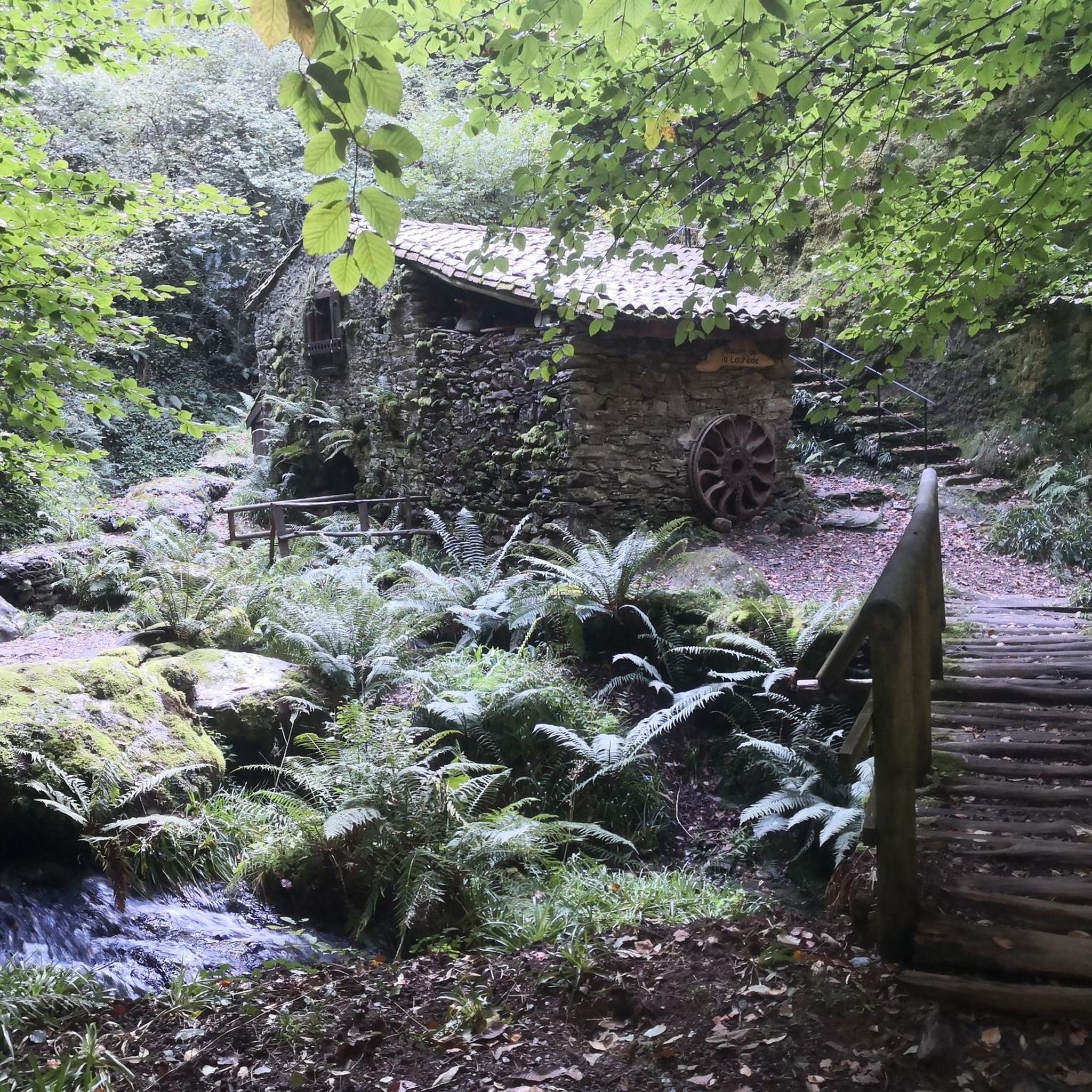
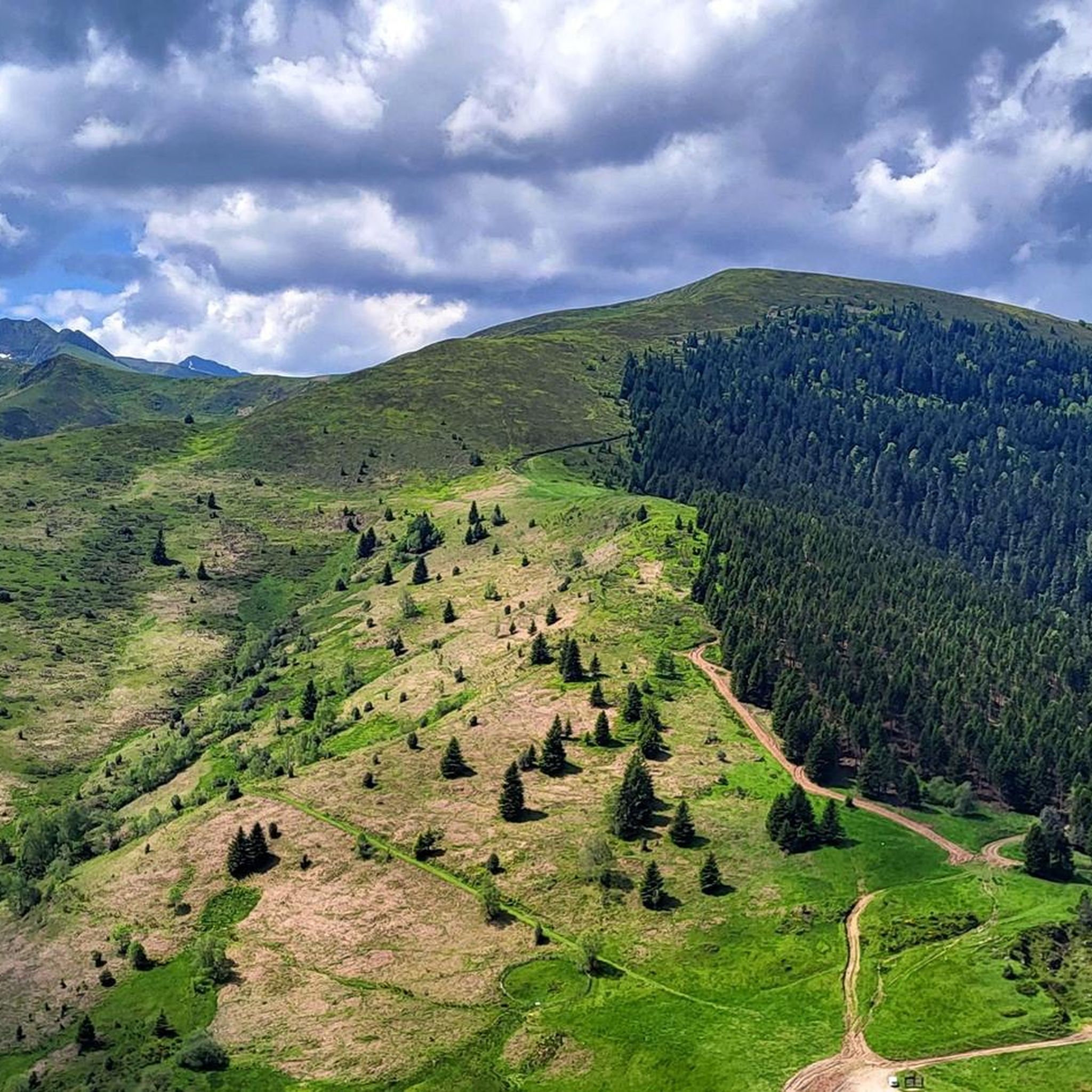
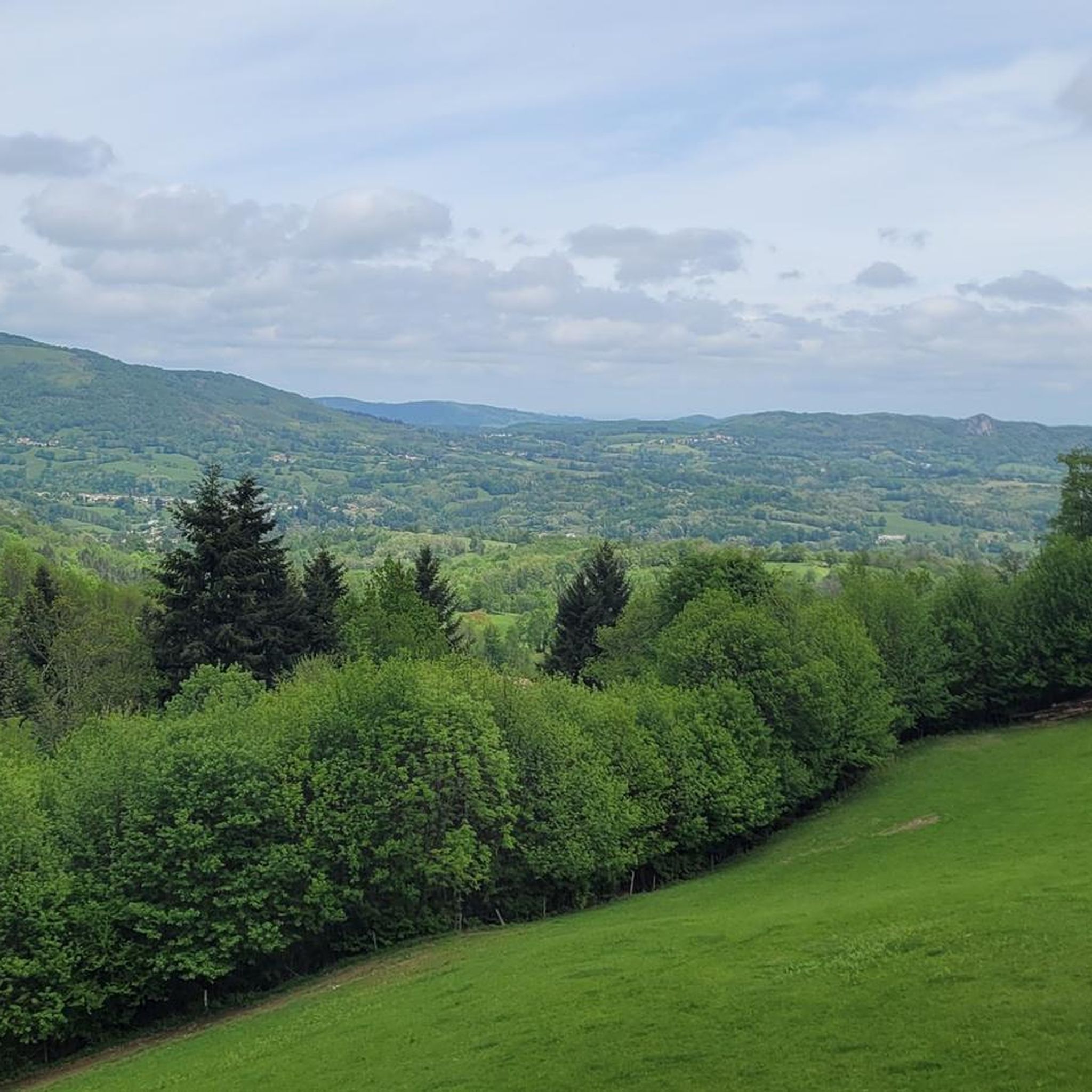
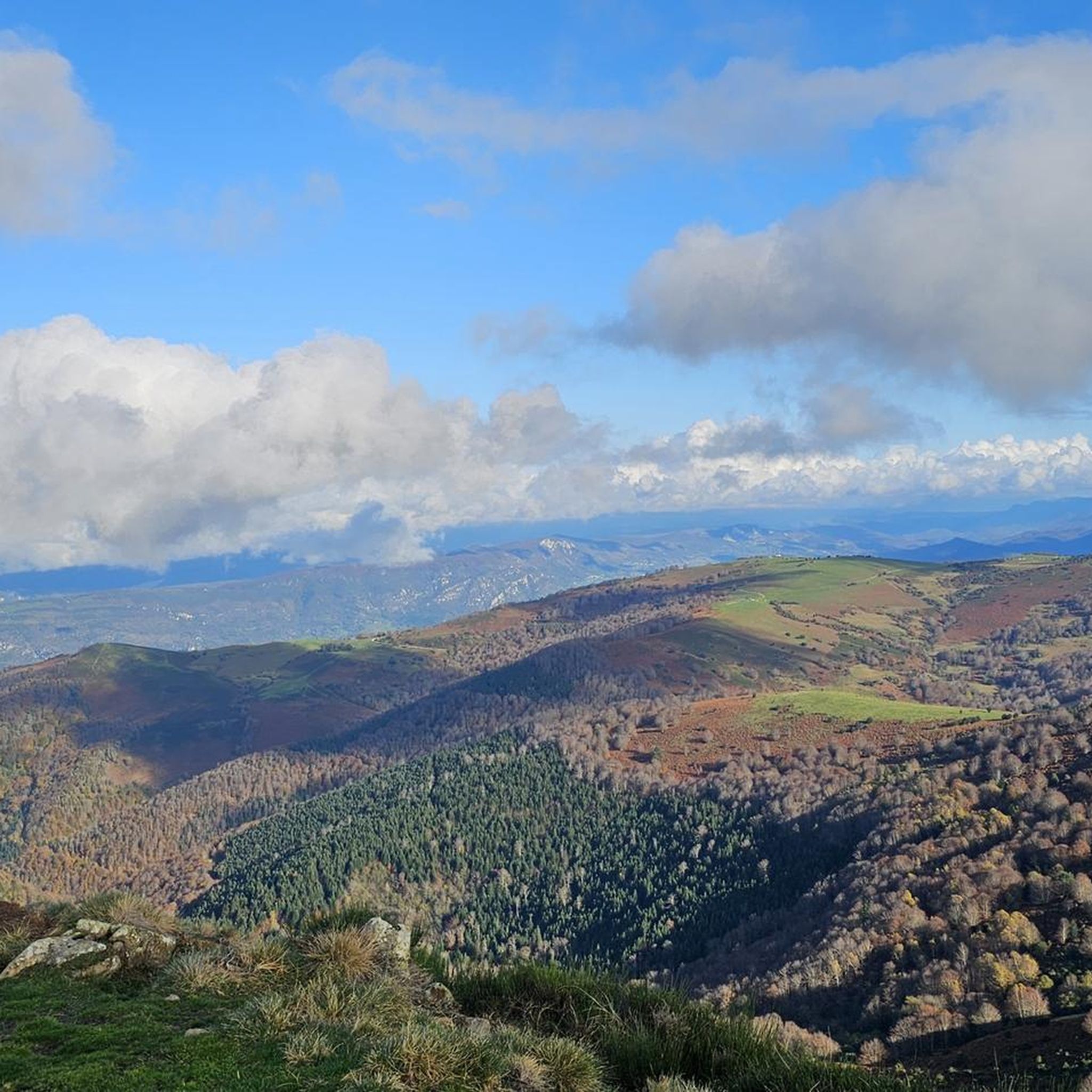
Tips from the Community

Nice steady and scenic climb to its summit. Good coffee at the arrival (with a view!)
0
0

Very surprising, quite and beautiful area, didn't see cars in july for maaaany km, just cyclists.
0
0

Magnificent pass with a splendid view! Clearly, it's worth climbing up there!
0
0

A very pretty little pass, away from the traffic.
1
0

Beautiful pass with low percentage, but with magnificent views.
0
0
About a hundred meters from the summit on the left coming from Massat. A fountain allows you to fill your bottle with fresh water.
0
0

This pass is one of the best known in the Ariège Pyrenees in general, and in the L'Arize massif in particular.
1
0

View of the local forests and valleys. Pleasant place to take a break, good energy, small cabin to protect yourself from the rain in case. Start of walks, and the forest path on which you can reach the Prat d'Albis hut, especially on gravel or mountain biking or on foot.
0
0
Frequently Asked Questions
What are some of the most scenic mountain passes around Brassac?
The region around Brassac offers several passes with beautiful views. The Col de la Croix de Mounis, situated within the Parc Naturel Régional du Haut-Languedoc, provides superb panoramic views, including a 360° landscape encompassing Mount Marcou, the Olque rocks, and the Espinouses. Another highly regarded pass is Col de Port, known as one of the most beautiful passes in the Ariège Pyrenees.
Which mountain passes near Brassac are popular for cycling?
Several passes in the area are well-known among cyclists. The Col de la Sié, part of the D607 road, has been included in the Tour de France multiple times, indicating its appeal for cycling enthusiasts. The Péguère Pass is also famous for its challenging climbs and its history with the Tour de France. Additionally, the Col de la Croix de Mounis has been crossed three times by the Tour de France, notably as a Category 2 climb.
Are there any challenging mountain passes for experienced cyclists near Brassac?
Yes, for experienced cyclists seeking a challenge, the Péguère Pass is known for its extremely hard and challenging climbs, often referred to as a 'mythical wall' of the Tour de France. The Fontfroide Pass also offers 'a little Alpine character' with some sections reaching 10% gradients, making it attractive for a demanding ride.
What kind of natural features can I expect to see around the mountain passes near Brassac?
The mountain passes around Brassac are nestled within the Haut-Languedoc Regional Natural Park, offering diverse landscapes. You'll find dense forests, particularly around the Col de la Sié and Col de Légrillou (938 m). The Fontfroide Pass is known for its wild nature and diverse Mediterranean vegetation, while the Col de la Croix de Mounis provides panoramic views of mountains and forests.
Are there shaded routes for cycling or hiking during warmer months?
Yes, the Fontbruno Pass, located within the Haut-Languedoc Regional Natural Park, is described as one of the most beautiful climbs on the Black Mountain side and is particularly pleasant in summer due to its shaded routes. This makes it an excellent choice for those seeking cooler conditions during warmer months.
What outdoor activities can I do near these mountain passes?
Beyond cycling, the area around Brassac's mountain passes is excellent for hiking and mountain biking. The Fontfroide Pass, for instance, offers numerous paths for both. You can explore various hiking trails, including moderate routes like the 'Ruisseau de Bailles loop from Burret' or more difficult options such as the 'View of Foix loop from Ganac'. For more details on hiking, visit our Hiking around Brassac guide.
Are there any facilities or amenities available at the mountain passes?
At the Col de la Croix de Mounis, you'll find a picnic area, a car park, and an orientation board to help you identify the surrounding peaks. For cyclists, there's a convenient Fountain at Col de Port where you can refill your water bottles with fresh, cold water.
What do visitors enjoy most about the mountain passes around Brassac?
Visitors particularly appreciate the challenging yet rewarding nature of passes like Péguère Pass, especially its connection to the Tour de France. The stunning panoramic views from spots like the Col de la Croix de Mounis are also a major draw. Many enjoy the tranquility and fresh air found at passes like Col de Légrillou (938 m), which offers a peaceful escape into the Ariège forest.
Are there any less crowded mountain passes for a more tranquil experience?
Yes, the Col de Légrillou (938 m) is described as a wild pass in the heart of the Ariège forest, known for its tranquility and fresh air. It's considered very little known but very pleasant, offering a calm and peaceful experience away from more frequented routes.
Can I find information about the history of these mountain passes?
Many of the passes, such as the Col de la Sié, Col de la Croix de Mounis, and Péguère Pass, have a notable history with the Tour de France, highlighting their challenging nature and significance in professional cycling. The region itself, part of the Haut-Languedoc Regional Natural Park, has a rich natural and cultural heritage.
What is the best time of year to visit the mountain passes around Brassac?
The region's mid-range mountains and diverse landscapes are generally enjoyable throughout the warmer months. Passes like Fontbruno Pass are particularly pleasant in summer due to their shaded routes. For specific conditions, especially in winter, it's always advisable to check local weather forecasts and road conditions before planning your visit.
Are there any unique geographical features near Brassac's mountain passes?
While the immediate vicinity of Brassac is known for its unique granite rock formations in the Sidobre region, the Fontfroide Pass offers a striking climatic contrast as it lies on the watershed between the Atlantic Ocean and the Mediterranean Sea. This geographical position contributes to its diverse vegetation and varied terrain.
Most popular routes around Brassac
Most popular attractions around Brassac

Get inspired with the komoot mobile app


Explore more
See even more epic mountain passes by checking out these guides around Brassac:
