Attractions and Places To See around Quelmes - Top 20
Best attractions and places to see around Quelmes include a variety of natural features, cultural sites, and notable landmarks within the Pas-de-Calais department of the Hauts-de-France region. While Quelmes is a small commune, its surroundings offer diverse landscapes and historical points of interest. Visitors can explore nature reserves, coastal cliffs, and significant historical buildings. The area provides opportunities to experience both natural beauty and cultural heritage.
Best attractions and places to see around Quelmes
- The most popular attractions is Saint-Louis…
Last updated: October 10, 2026
Saint-Omer station
Highlight • Monument
Translated by Google •
Tip by

Ruin of St Martin's church
Highlight • Other
Translated by Google •
Tip by
Sign up now to discover places like this
Get recommendations on the best single tracks, peaks, & plenty of other exciting outdoor places.
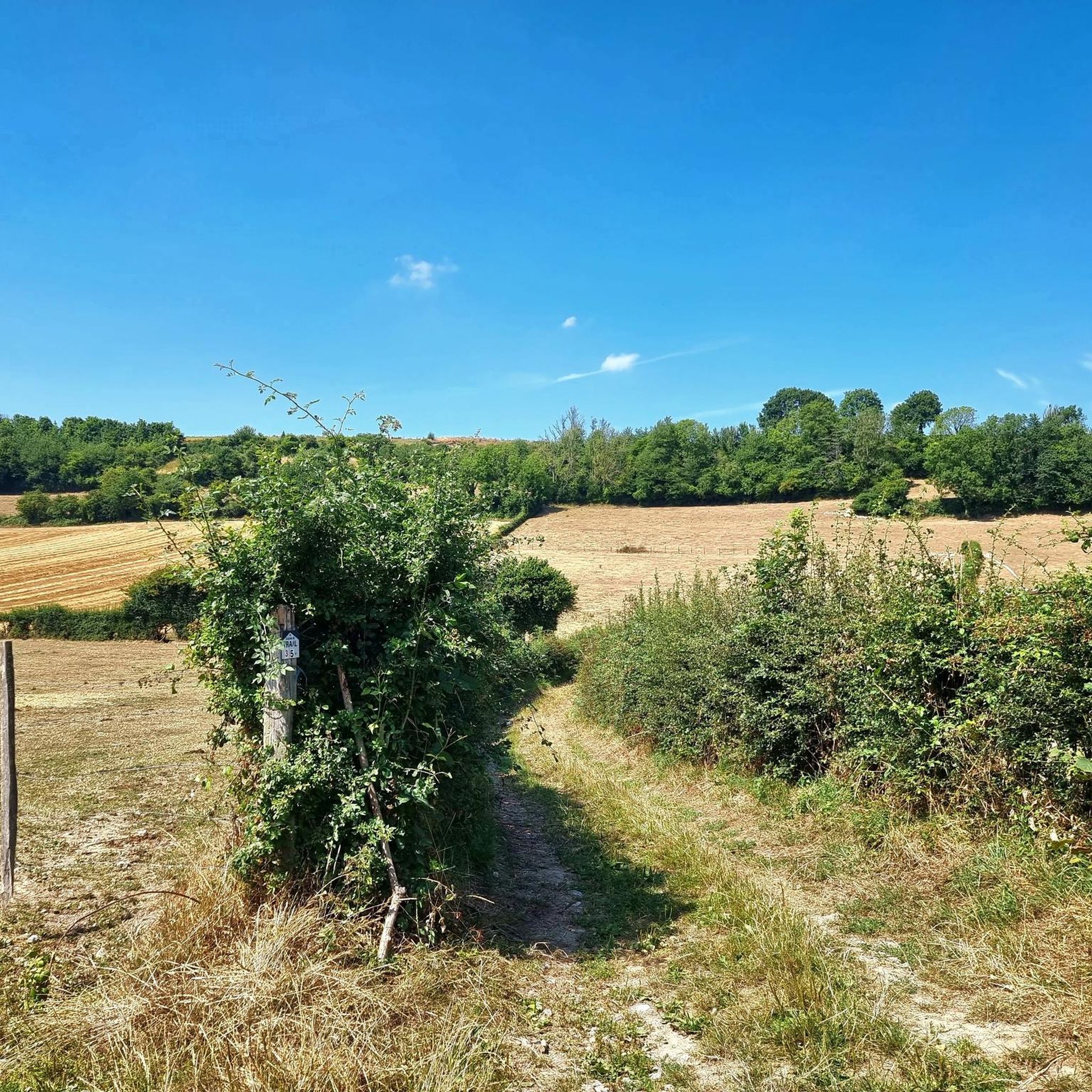
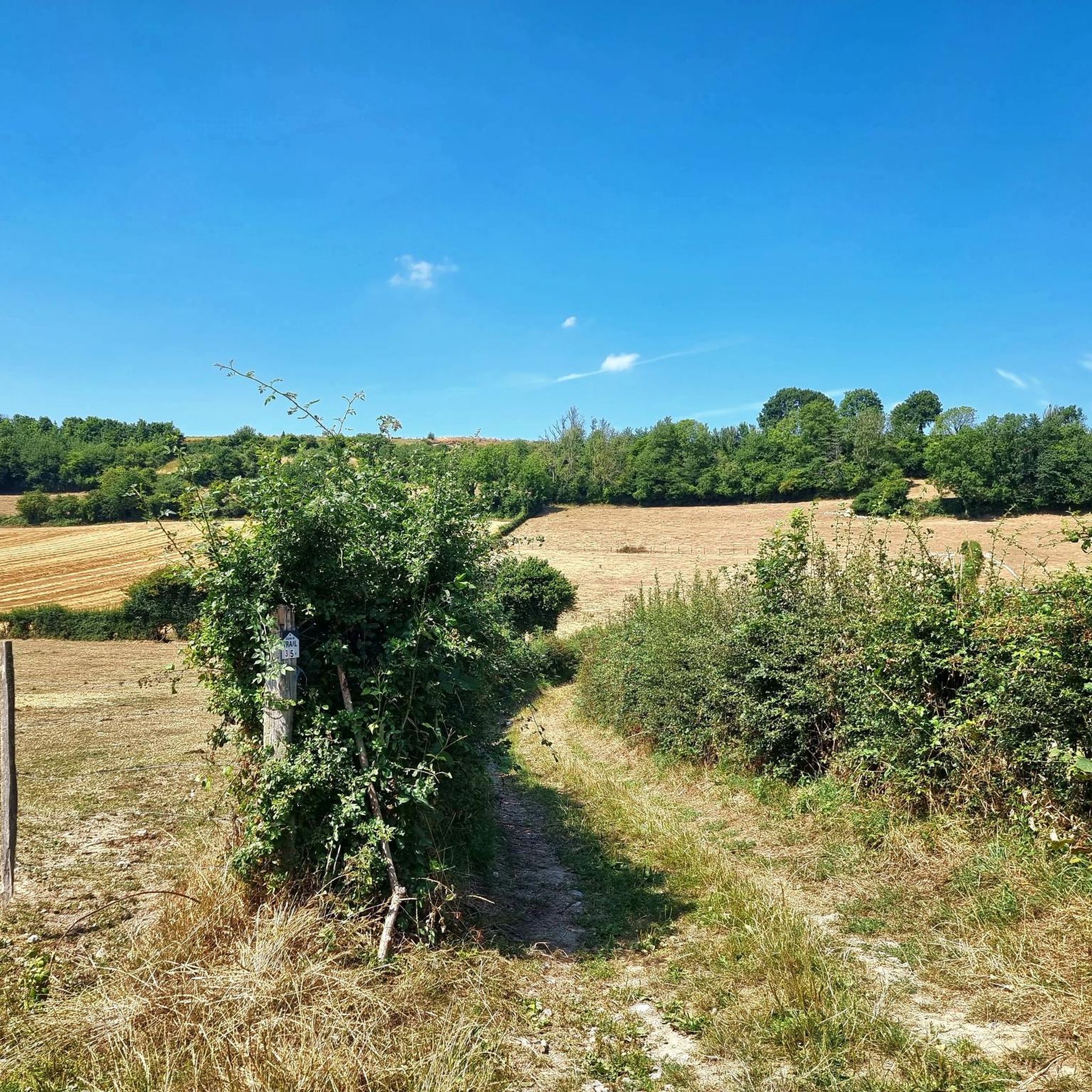
Along the Houlle River
Highlight (Segment) • Other
Translated by Google •
Tip by
Foch Square, Saint-Omer
Highlight • Historical Site
Translated by Google •
Tip by
Blockhaus d'Éperlecques
Highlight • Historical Site
Translated by Google •
Tip by

Sign up for free to discover even more attractions around Quelmes.
Already have an account?
Start today with a free account
Your next adventure awaits.



Tips from the Community


After being closed for several years, the Saint-Omer train station has been given a facelift. The new, completely renovated building is dedicated to travelers, of course, but also to artists, craftspeople, entrepreneurs… La Station isn't just a station; it's "a space for innovation with a station inside." (c) https://nl.tourisme-saintomer.com/verwonderend/erfgoed-wonderen/meesterwerken-bewonderen/het-station-een-station-en-een-plaats-voor-innovatie/
0
0

The Éperlecques bunker (also called the Watten bunker) is a World War II bunker in the Éperlecques forest, part of the commune of the same name in the Pas-de-Calais department in France. It was codenamed Kraftwerk Nord West (KNW) and was built by Nazi Germany from 1943 to 1944 as a launch site for V2 rockets aimed at London and southern England. The bunker was built to accommodate more than 100 rockets at a time and to fire 36 per day. A liquid oxygen plant and a bomb-proof post were to be built to supply the site with rockets and supplies from production sites in Germany. It was built by forced laborers from concentration and labor camps, as well as recruited French civilians. The blockhouse was never completed due to repeated bombing by the British and Americans as part of Operation Crossbow. The attacks caused considerable damage and prevented the device from being used in its original function; part of the building was converted into a factory for the production of liquid oxygen. The site was captured by the Allies in early September 1944, but its actual function only became clear after the end of the war. The blockhouse has been a listed building since 1986. In 2014, the museum exhibited the site and the German ballistic program.
0
0

Located in Saint-Omer, France, the Gare de Saint-Omer has a rich history dating back to the 19th century. The first version of the station opened on September 1, 1848, as part of the railway line from Lille to Calais. The original building was modest and located outside the city walls, between the Porte de Lyzel and the Porte du Haut-Pont. In 1904, a new, monumental station building was inaugurated, designed by the architect Clément Ligny. This building, with its neoclassical architecture, was built with high-quality materials such as blue stone from Soignies and white stone from Creil. The design reflects the grandeur of a 17th-century castle, complete with symmetrical pavilions and decorative elements such as triglyphs and pediments.
9
0
The town hall was built between 1834 and 1841 with materials from the church of the Abbaye de Saint-Bertin. At the heart of the building is an Italian-style theatre. The Hôtel de Bailliage is a former royal court that was outside the power of the aldermen. It is an elegant Louis XIV building, decorated with pilasters, Doric capitals, ironwork and floral garlands. Four statues on the balustrade symbolise the cardinal virtues.
9
0
The Ruines de l’Abbaye Saint-Bertin are the remains of a Benedictine monastery in Saint-Omer, France. The monastery was founded in the 7th century by the Bishop of Thérouanne under the name Abbaye de Sithiu. The ruins of this monastery are located in Saint-Omer, Rue des Ruines Saint-Bertin. They were classified as a historical monument in 1840. The buildings are now in ruins, but are open to the public. The abbey was originally dedicated to Saint Peter and later to Saint Bertin. It was one of the three most powerful abbeys in the north of the kingdom. The monastery was surrounded by a wall and bordered the rivers Aa and Haute-Meldick. It consisted of three parts: the regular places, the peripheral districts and the outbuildings. The abbey church was located at the heart of the monastery and all the buildings were organized around it. The monastery also had a cloister, refectory, parlour, celler, chauffoir and kitchens. The ruins of the abbey offer a fascinating insight into the medieval history of France and are a popular tourist attraction.
9
0
Situated along the River Houlle, the Serques Marshes are part of the larger Audomarois Marshes. This area is renowned for its rich biodiversity and beautiful scenery. The nearby village of Houlle is a popular destination for tourists looking for a peaceful waterside holiday. The River Houlle, a tributary of the Aa, flows through these marshes and provides a picturesque setting for walks and boat trips. The area is also known for the production of Houlle gin, a traditional spirit. The marshes themselves are an important natural area and are home to a variety of plant and animal species. It is an ideal place for nature lovers and bird watchers.
9
1
The town hall was built between 1834 and 1841 using materials from the church of the Abbaye de Saint-Bertin. At the heart of the building is an Italian-style theatre. The Hôtel de Bailliage is a former royal court that was outside the power of the aldermen. It is an elegant Louis XIV building, decorated with pilasters, Doric capitals, ironwork and floral garlands. Four statues on the balustrade symbolise the cardinal virtues.
7
0
Frequently Asked Questions
What natural attractions can I explore near Quelmes?
The region around Quelmes offers diverse natural beauty. You can visit the Along the Houlle River, part of the Audomarois Marshes, known for its biodiversity. Further afield, explore the Réserve naturelle nationale des grottes et des pelouses d'Acquin-Westbécourt or the Réserve naturelle nationale des étangs du Romelaëre. The Parc naturel régional des caps et marais d'Opale also provides varied landscapes for nature lovers.
Are there historical sites or cultural landmarks to visit?
Yes, the area is rich in history. A significant landmark is Saint-Omer Cathedral, considered the most beautiful religious building in the region. You can also explore the Ruin of St Martin's church, the remains of a 7th-century Benedictine monastery in Saint-Omer. Other historical sites include La Coupole Centre D'histoire and the Blockhaus d'Eperlecques.
What outdoor activities, like hiking or cycling, are available near Quelmes?
There are numerous options for outdoor activities. For hiking, you can find routes like the 'Lumbres Cement Factory loop' or 'Esquerdes – Lumbres Cement Factory loop'. Cycling enthusiasts can explore MTB trails such as 'Through the Aa Golf Course' or 'Lansberghe Path – Along the Houlle River loop'. You can find more details on these and other routes in the Hiking around Quelmes and MTB Trails around Quelmes guides.
Are there any family-friendly attractions around Quelmes?
While Quelmes itself is small, nearby towns offer family-friendly options. The Saint-Louis Chapel of Guémy is listed as family-friendly and offers a unique historical experience. For a larger attraction, Nausicaá - Centre national de la mer in Boulogne-sur-Mer is a renowned aquarium and sea life center that is very popular with families.
Can I find any unique or lesser-known places to visit?
For a unique historical insight, visit the Saint-Louis Chapel of Guémy, a 15th-century chapel on Mount Saint-Louis. The Ruin of St Martin's church also offers a fascinating glimpse into medieval history. Exploring the smaller towns like Aire-sur-la-Lys or Montreuil-sur-Mer can reveal charming local heritage and less crowded experiences.
What is the best time of year to visit Quelmes for sightseeing?
The spring and summer months (April to September) generally offer the most pleasant weather for exploring the attractions and enjoying outdoor activities around Quelmes. During these seasons, the natural reserves are vibrant, and coastal areas are ideal for visits.
Are there any dog-friendly attractions or trails?
Yes, the Saint-Louis Chapel of Guémy is noted as dog-friendly. Many of the natural areas and hiking trails, such as those found in the Parc naturel régional des caps et marais d'Opale, are also suitable for walks with dogs, though it's always advisable to keep them on a leash and check local regulations.
How can I reach attractions near Quelmes by public transport?
The Saint-Omer station serves as a key public transport hub in the area, connecting to various towns. From Saint-Omer, local buses or regional trains can help you reach other nearby attractions. It's recommended to check local transport schedules for specific routes to smaller sites.
Where can I find impressive viewpoints around Quelmes?
The Saint-Louis Chapel of Guémy offers a quiet and peaceful spot with panoramic views of the surrounding area, especially beautiful at sunrise or sunset. For stunning coastal vistas, the 'Grand sites de France' of Cap Blanc-Nez and Cap Gris-Nez, though further away, provide impressive views of the English Channel.
What kind of historical museums are there near Quelmes?
Beyond the historical sites, you can visit museums like La Coupole Centre D'histoire, a significant historical center, and the Blockhaus d'Eperlecques, another historical museum. The Marsh House, listed as a historic building, also offers insight into local heritage.
Are there any coastal attractions worth visiting from Quelmes?
Absolutely. The impressive coastal cliffs of Cap Blanc-Nez and Cap Gris-Nez are about 37-41km away and offer stunning panoramic views. Further along the coast, you can explore the beautiful Dunes d'Écault or visit seaside towns like Boulogne-sur-Mer, which features an old town and the Nausicaá - Centre national de la mer aquarium.
What do visitors enjoy the most about the attractions near Quelmes?
Visitors particularly appreciate the historical depth and architectural grandeur of sites like Saint-Omer Cathedral and the serene, panoramic views from the Saint-Louis Chapel of Guémy. The natural beauty of areas like Along the Houlle River is also highly rated for its peaceful atmosphere and biodiversity.
Most popular routes around Quelmes

Get inspired with the komoot mobile app


Explore more
Still not found the Highlight you’re looking for? See guides of the top attractions in other regions:
