Top 9 Mountain Passes around Burret
Best mountain passes around Burret are located in the Ariège department of southwestern France, within the Pyrenees mountain range. This region is characterized by its diverse terrain, offering numerous mountain passes. These passes provide routes for exploration and connect various parts of the landscape, often featuring challenging climbs and scenic views.
Best mountain passes around Burret
- The most popular mountain pass is Col de Port, a mountain pass known as one of the best in the Ariège Pyrenees. It…
Last updated: June 26, 2026
Ascent to the Col de Peguere
Highlight (Segment) • Mountain Pass
Translated by Google •
Tip by

Col de Port
Highlight • Mountain Pass
Translated by Google •
Tip by

Sign up now to discover places like this
Get recommendations on the best single tracks, peaks, & plenty of other exciting outdoor places.
Sign up for free
Col de Légrillou (938 m)
Highlight • Mountain Pass
Translated by Google •
Tip by

Fountain at Col de Port
Highlight • Rest Area
Tip by

Col de Péguère
Highlight • Mountain Pass
Translated by Google •
Tip by

Sign up for free to discover even more mountain passes around Burret.
Sign up for free
Already have an account?
Start today with a free account
Your next adventure awaits.
Login or Signup
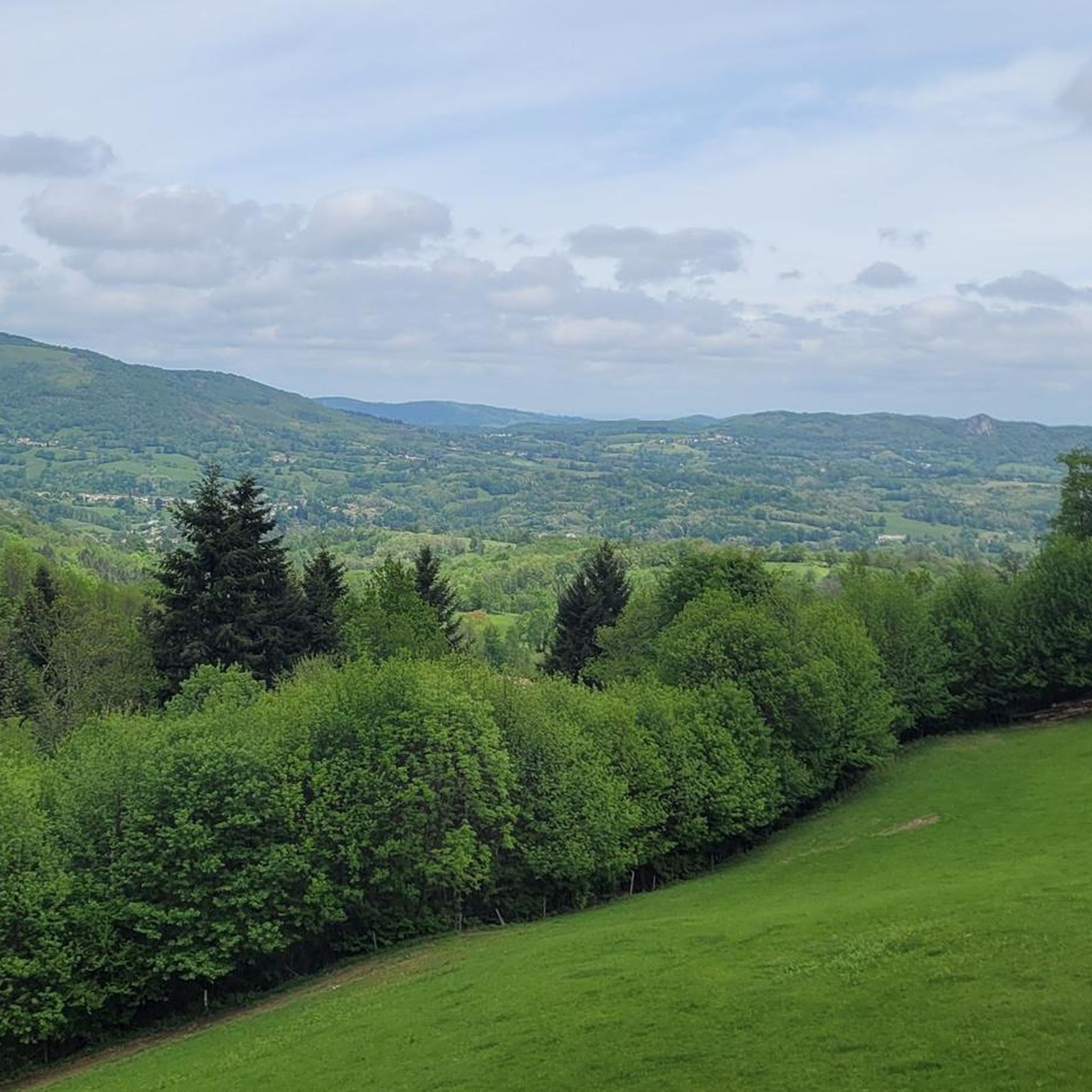
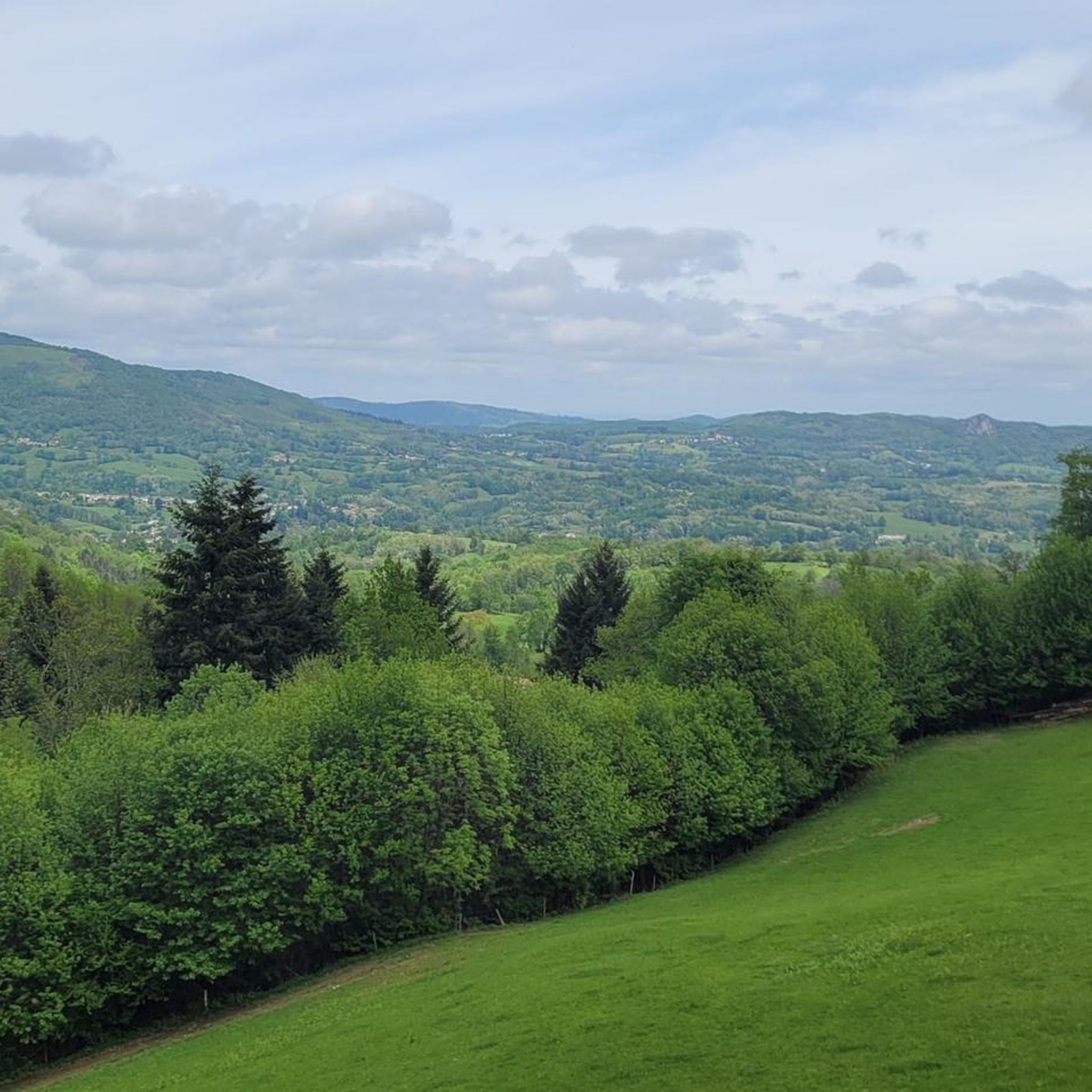
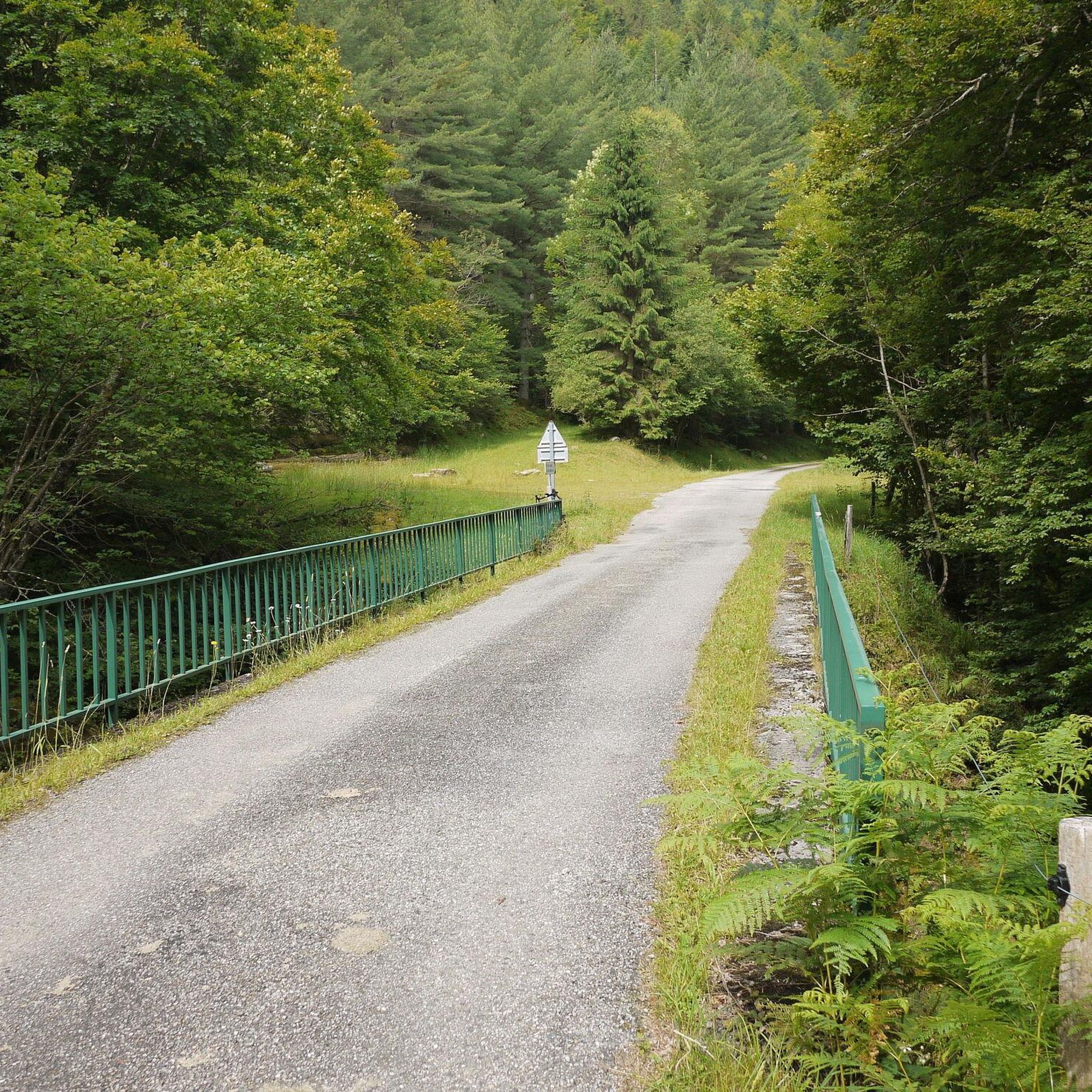
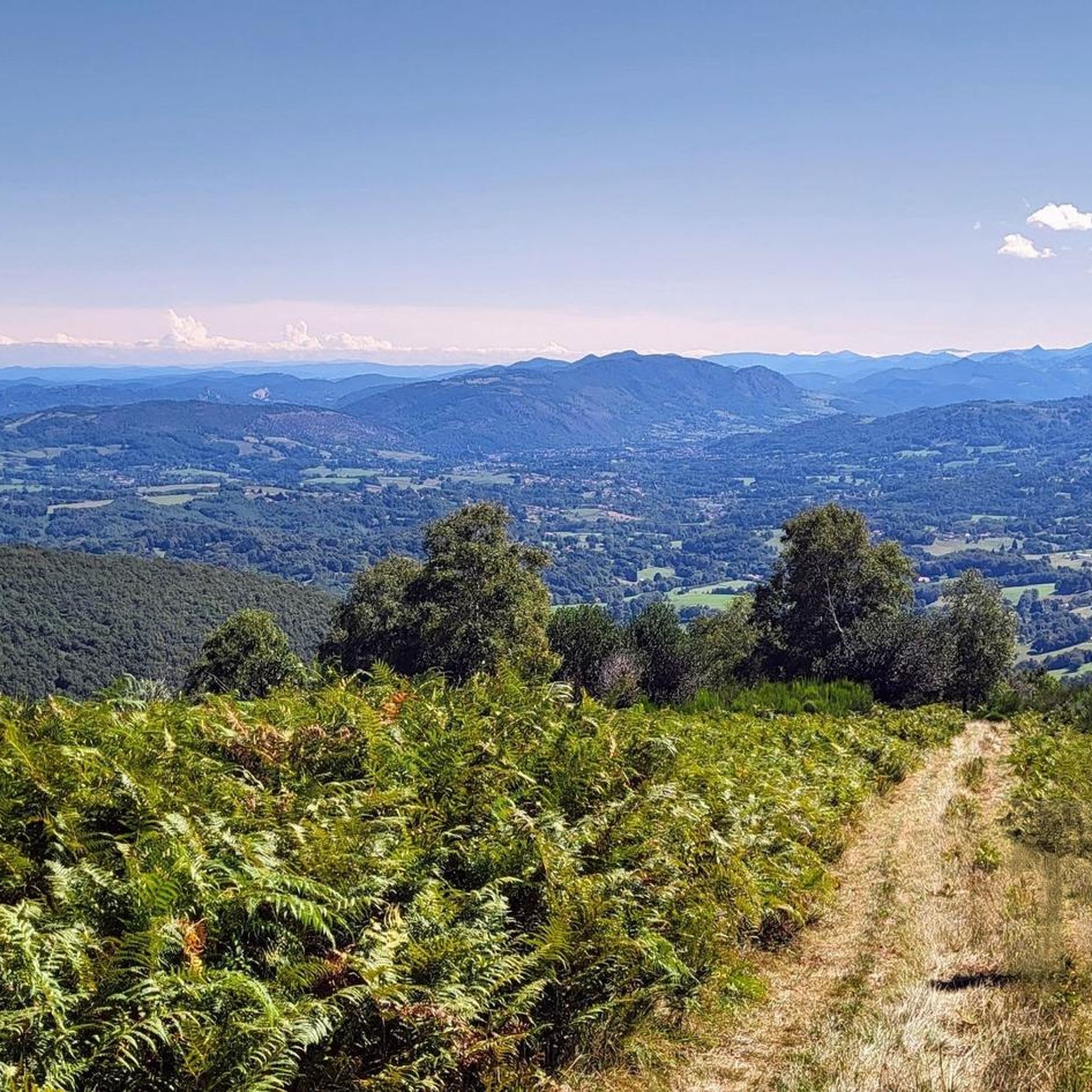

Tips from the Community

I climbed it from its easier side, the one that starts from Foix and stretches for 28 kms, crossing the Col de Marrous. It's a steady climb, with a few tough kilometers, and very pleasant. It's the side used by the Tour de France to descend it. The best thing about the Mur de Peguère are the views from its summit.
0
0

Nice steady and scenic climb to its summit. Good coffee at the arrival (with a view!)
0
0

Very surprising, quite and beautiful area, didn't see cars in july for maaaany km, just cyclists.
0
0

Magnificent pass with a splendid view! Clearly, it's worth climbing up there!
0
0

A very pretty little pass, away from the traffic.
1
0

The Col de Péguère, called Mur de Péguère since the Tour de France, is a Pyrenean road pass in the Arize massif, located on the border of the municipal territories of Boussenac and Sentenac-de-Sérou, in Ariège.
0
0
Beautiful pass with low percentage, but with magnificent views.
0
0
Frequently Asked Questions
How challenging are the mountain passes around Burret for cyclists?
The mountain passes around Burret offer a range of challenges. Passes like Péguère Pass are infamous for their extreme steepness, with sections of the Mur de Péguère averaging 12% gradient and reaching 18%. Col de Pailhères also features challenging climbs with an average gradient of 8.2% over 10.6 kilometers. Other passes like Port de Lers offer more pleasant roads with impressive panoramic views, suitable for varied cycling routes.
When is the best time to visit the mountain passes around Burret?
The best time to visit is generally from late spring to early autumn when the passes are free of snow. Many passes, including Col d'Agnes, Port de Lers, and Col de la Core, are subject to winter closures due to snow, making them inaccessible during colder months.
Which mountain passes offer the best scenic views?
Many passes in the Ariège department offer breathtaking natural beauty. Col d'Agnes is often lauded for its beauty, particularly its western approach, with beautiful views of the Etang de Lers. Port de Lers is also known for its impressive panoramic views. The Col de Port is considered one of the most beautiful passes in the Ariège region.
Do any of the mountain passes near Burret have a connection to the Tour de France?
Yes, several passes in the region have a strong connection to the Tour de France. Péguère Pass, particularly its 'Mur de Péguère' section, is legendary for its extreme steepness and has been featured in the Tour, cementing its status among cycling enthusiasts. Col de Pailhères is also a celebrated feature of the Tour de France.
Are there any family-friendly mountain passes or routes near Burret?
While many passes offer challenging climbs, the region also provides opportunities for more relaxed exploration. Passes like Port de Lers are known for pleasant roads and low traffic, which can be more suitable for families. For specific family-friendly walks, you might explore routes around passes that are less steep or have wider paths. Consider checking the difficulty grades of nearby hiking routes for suitable options.
What hiking opportunities are available near the mountain passes?
The area around Burret offers diverse hiking opportunities. You can find routes like the 'Ruisseau de Bailles loop from Burret' or longer, more challenging hikes such as 'Pech de Therme – Col de Légrillou (938 m) loop from Burret'. For a comprehensive list of trails, explore the Hiking around Burret guide.
Are there facilities like water sources available on the mountain passes?
Yes, some passes offer facilities. For instance, near the summit of Col de Port, there is a fountain where you can refill your water bottle with fresh, cold water, especially useful if you are climbing from Tarascon or Massat.
Are there any less-known or quieter mountain passes to explore near Burret?
Yes, the region has quieter options. Col de Légrillou (938 m) is a wild pass situated in the heart of the Ariège forest, known for its tranquility and pleasant atmosphere. Col de la Crouzette is another less-known but attractive pass characterized by a narrow, quiet road and views of the surrounding area.
Can I find specific cycling routes that incorporate these mountain passes?
Absolutely. The region is a cycling paradise. You can find routes like the 'Col de Port and Col de Légrillou Loop' or the challenging 'Col de Péguère – Col de Portel (1432 m) loop'. For more options, refer to the Road Cycling Routes around Burret guide.
Are there options for gravel biking near Burret's mountain passes?
Yes, gravel biking is a popular activity in the area. You can explore routes such as the 'Col de la Crouzette (1245 m) – Old metal bridge loop' or various loops incorporating greenways like the 'Foix – Vernajoul Viaduct Greenway'. Discover more routes in the Gravel biking around Burret guide.
What should I pack for a trip to the mountain passes around Burret?
Given the varied terrain and potential for challenging conditions, it's advisable to pack layers of clothing, including waterproof and windproof gear, even in warmer months. Sturdy hiking or cycling shoes, plenty of water, snacks, sun protection, and a map or GPS device are essential. For cyclists, appropriate safety gear and repair kits are also crucial.
How can I access the mountain passes around Burret, and is parking available?
Access to the mountain passes is primarily by car, with parking often available at the base or near the summits of the more popular passes. Specific parking details can vary by pass. Public transport options are generally limited in these mountainous areas, so planning your journey by car is usually the most convenient method.
Most popular attractions around Burret

Get inspired with the komoot mobile app


Explore more
See even more epic mountain passes by checking out these guides around Burret:
