Attractions and Places To See around Lys-Saint-Georges - Top 15
Attractions and places to see around Lys-Saint-Georges include historical landmarks, natural features, and cultural sites within the Indre department of France. The commune is characterized by its position overlooking the Gourdon valley and is drained by several small waterways, including the Bouzanne and the Gourdon. Visitors can explore a natural zone of ecological interest and discover local traditions. The area offers a variety of sites for those interested in history, nature, and local heritage.
Best attractions and places to see…
Last updated: July 2, 2026
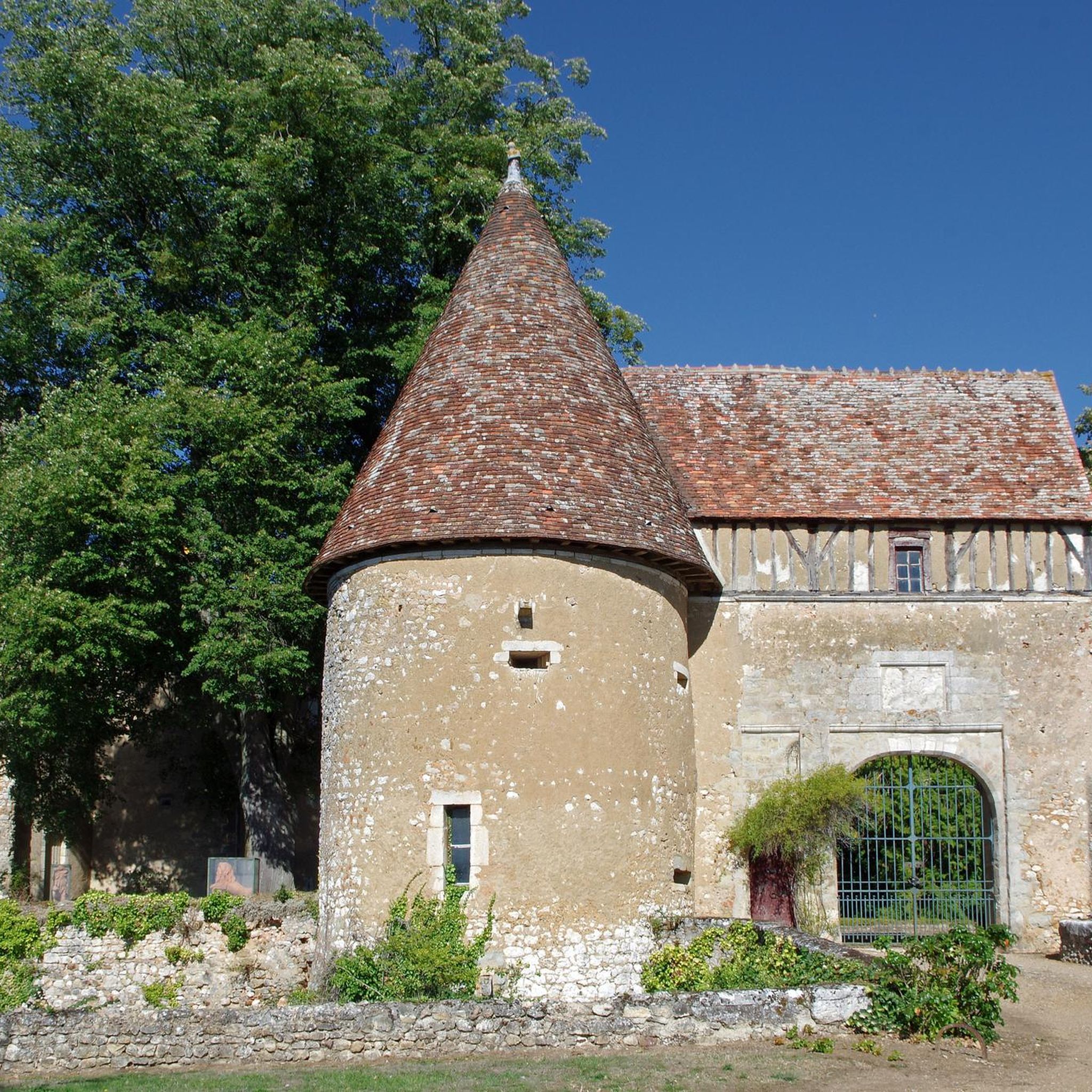
Château de Sarzay
Highlight • Castle
It originally included the stately home, the chapel, 38 defense towers, 2 perimeter walls covering 5 hectares and 3 drawbridges.
Translated by Google •
Tip by

Cluis-Dessous Castle
Highlight • Historical Site
Translated by Google •
Tip by
Sign up now to discover places like this
Get recommendations on the best single tracks, peaks, & plenty of other exciting outdoor places.
Sign up for free
Varennes Abbey
Highlight • Historical Site
Translated by Google •
Tip by
Basilique Saint-Etienne
Highlight • Religious Site
Translated by Google •
Tip by

Lys-Saint-Georges
Highlight • Other
Translated by Google •
Tip by
Sign up for free to discover even more attractions around Lys-Saint-Georges.
Sign up for free
Already have an account?
Start today with a free account
Your next adventure awaits.
Login or Signup


Tips from the Community

Listed as a UNESCO World Heritage Site as part of the Routes of Santiago de Compostela, the Basilica of Saint-Etienne is distinguished by its rotunda inspired by the Holy Sepulchre in Jerusalem.
0
0


Very beautiful viewpoint and an emblematic castle of the region
1
0

An imposing 15th century medieval castle, which withstood the Hundred Years' War and the Wars of Religion, as well as the Revolution, it was saved from ruin by its current owner in 1982. This castle was the setting for George Sand's novel "The Miller of Angibault" under the name of Château de Blanchemont.
0
0

A very impressive ruin. It shows the power that emanates from here
1
0
A truly impressive complex. Very well preserved and restored. You can visit the castle for a small fee. It is definitely worth it. Just for the view from the top floor
1
0
In this church, 3 drops of the blood of Jesus are kept as a relic. The church is built in an interesting way. With an octagon at the entrance
1
0

Located on a rocky outcrop, the castle of Cluis-Dessous occupied a strategic position. In the 12th century, the keep is the oldest part of the building. The curtain wall, slightly more recent (12th-13th century), is typical of Plantagenêt architecture. The house, which dates from the 14th and 15th centuries, is only partially preserved.
1
0
Frequently Asked Questions
What historical castles can I explore around Lys-Saint-Georges?
You can explore several historical castles. The impressive Château de Sarzay, built in the 14th century, is known for its survival through the Hundred Years' War. Another significant site is Cluis-Dessous Castle, situated on a rocky outcrop with a 12th-century keep and Plantagenet architecture. Additionally, the Château de Lys-Saint-Georges itself, with its 12th-century oval keep and 15th-century restorations, offers a rich history, including its occupation by English forces and its role as a prison for Ludovico Sforza.
Are there any notable religious sites in the area?
Yes, the region features significant religious buildings. The Basilique Saint-Etienne is a UNESCO World Heritage Site, recognized for its rotunda inspired by the Holy Sepulchre. In Lys-Saint-Georges, the Église Saint-Georges, with parts dating back to the 13th century, is also a notable historical and cultural site. You can also find Varennes Abbey, an 11th-century foundation that later evolved into a farm.
What natural features and landscapes can I discover near Lys-Saint-Georges?
Lys-Saint-Georges is characterized by its natural beauty. The commune is drained by several small waterways, including the Bouzanne and the Gourdon rivers. The Château de Lys-Saint-Georges offers panoramic views over the Gourdon valley. The area also boasts a natural zone of ecological, faunistic, and floristic interest, highlighting its biodiversity. Along one of the hiking trails, you can find a peaceful spot at the Pond at Fondeville.
What kind of hiking trails are available around Lys-Saint-Georges?
Lys-Saint-Georges offers marked hiking trails suitable for different preferences. The 'Par monts et par vaux' (blue circuit) is a 6.5 km trail recognized for its natural treasures. For a longer adventure, a green circuit covers 23 km, providing beautiful views of the Berry countryside. These trails include picnic areas, such as one near the Gourdon river. You can find more details and routes on the Hiking around Lys-Saint-Georges guide.
Are there cycling opportunities near the attractions?
Yes, the area around Lys-Saint-Georges is well-suited for cycling. There are various routes for touring bicycles and road cycling. You can explore routes like the 'Basilique Saint-Etienne – Château de Sarzay loop' or the 'Viaduct of Cluis – Basilique Saint-Etienne loop'. For more options and detailed routes, refer to the Cycling around Lys-Saint-Georges and Road Cycling Routes around Lys-Saint-Georges guides.
What cultural insights can I gain in Lys-Saint-Georges?
Lys-Saint-Georges offers a glimpse into local traditions and history. The Maison du Jardinier, an 18th-century house, features a reconstitution of an old Berry interior and showcases local artists' and artisans' products. You can also see 'Le travail à ferrer les bœufs', a 19th-century ox shoeing stand near the Maison du Parlement, illustrating historical agricultural practices. The village also maintains strong Berry traditions, including events like the St. Hubert mass.
Are there any family-friendly attractions in the area?
Many of the historical sites can be engaging for families. For instance, Château de Sarzay is categorized as family-friendly and offers an impressive complex to explore. The Basilique Saint-Etienne is also noted as family-friendly. The marked hiking trails provide opportunities for family outings in nature, with picnic areas available.
What is the Maison du Parlement?
The Maison du Parlement is an ancient building located in the village center of Lys-Saint-Georges. It is believed to have been the place where justice was rendered, reflecting the local lord's historical right of high, middle, and low justice over the Lys-Saint-Georges lands.
Can I visit the Château de Lys-Saint-Georges at night?
Yes, the Château de Lys-Saint-Georges and its donjon are illuminated at night, offering a beautiful and atmospheric view. The Église Saint-Georges is also illuminated after dark.
What do visitors particularly enjoy about the attractions around Lys-Saint-Georges?
Visitors frequently appreciate the historical depth and preservation of the sites. For example, Château de Sarzay is often praised for being a 'truly impressive complex, very well preserved and restored,' with visitors recommending the view from the top floor. The lush, natural settings surrounding many of the castles are also a highlight for many.
Are there any sites related to charitable care or religious heritage?
Yes, the commune has sites that point to its historical role in charitable care and religious heritage. The Chapelle de l'Hospice and Léproserie indicate the presence of a former hospital that served mendicants and pilgrims. Additionally, several calvaries are present within the commune, representing a part of its religious heritage.
Most popular routes around Lys-Saint-Georges

Get inspired with the komoot mobile app


Explore more
Still not found the Highlight you’re looking for? See guides of the top attractions in other regions:
