Attractions and Places To See around Barles - Top 20
Best attractions and places to see around Barles, a village in the Alpes-de-Haute-Provence, offers a landscape shaped by significant geological formations. The area is known for its dramatic rock formations like the Clues de Barles and paleontological sites such as the Slab of Giant Ammonites. Historical elements, including an 18th-century church and feudal ruins, also contribute to the region's character. Barles is situated within the Geological Reserve of Haute-Provence, highlighting its natural and scientific importance.
Best attractions and places to…
Last updated: May 9, 2026
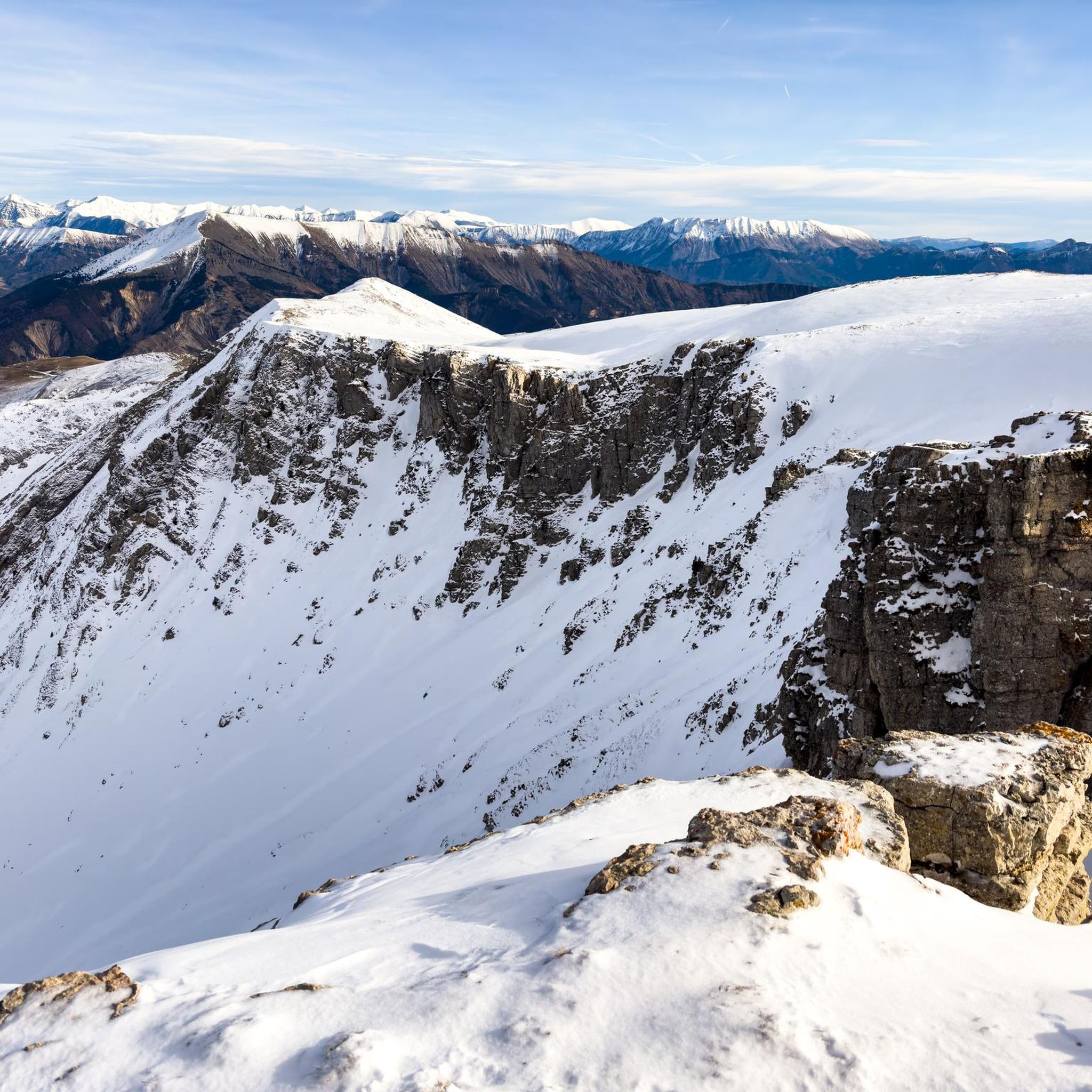
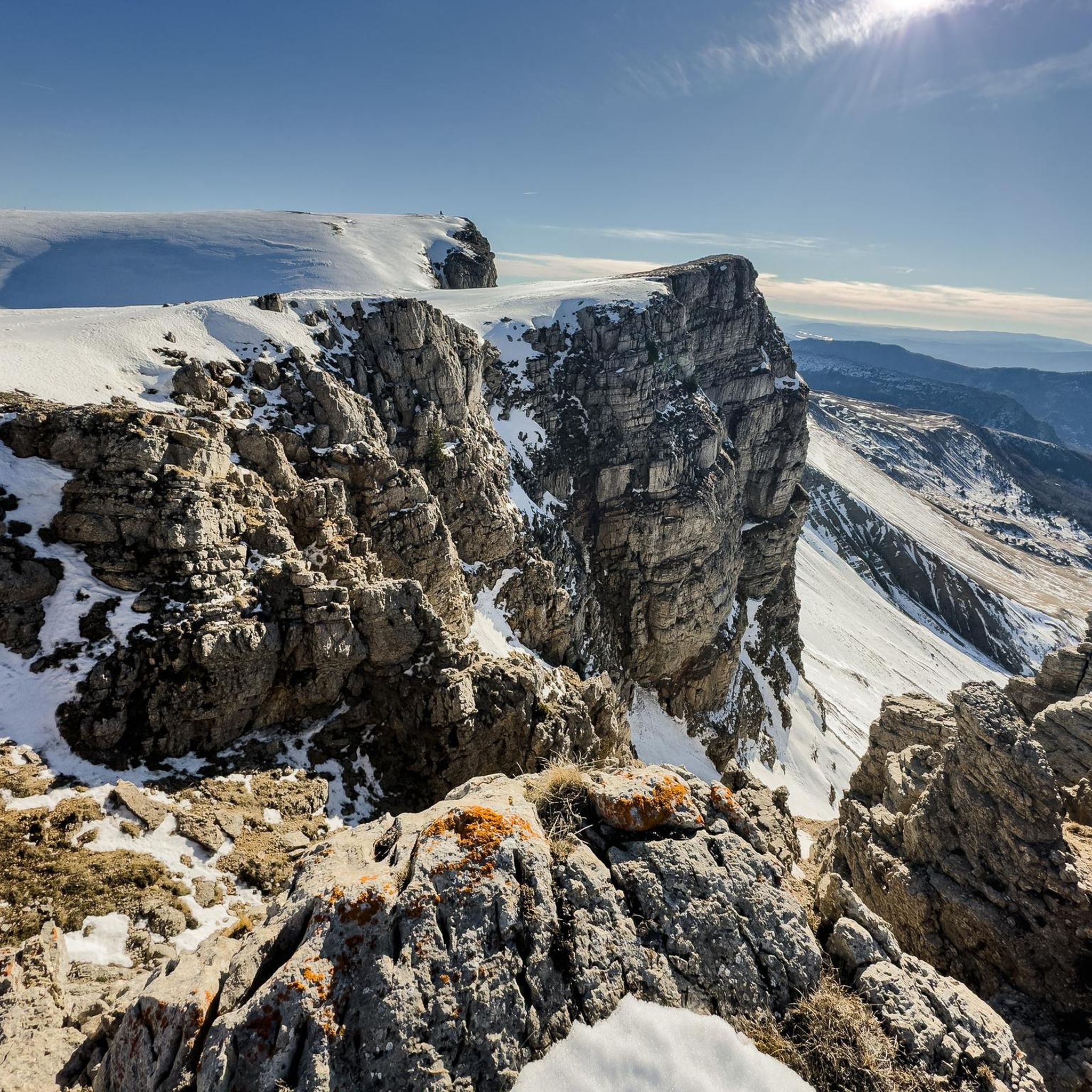
Col du Fanget (1,459 m)
Highlight • Mountain Pass
Translated by Google •
Tip by

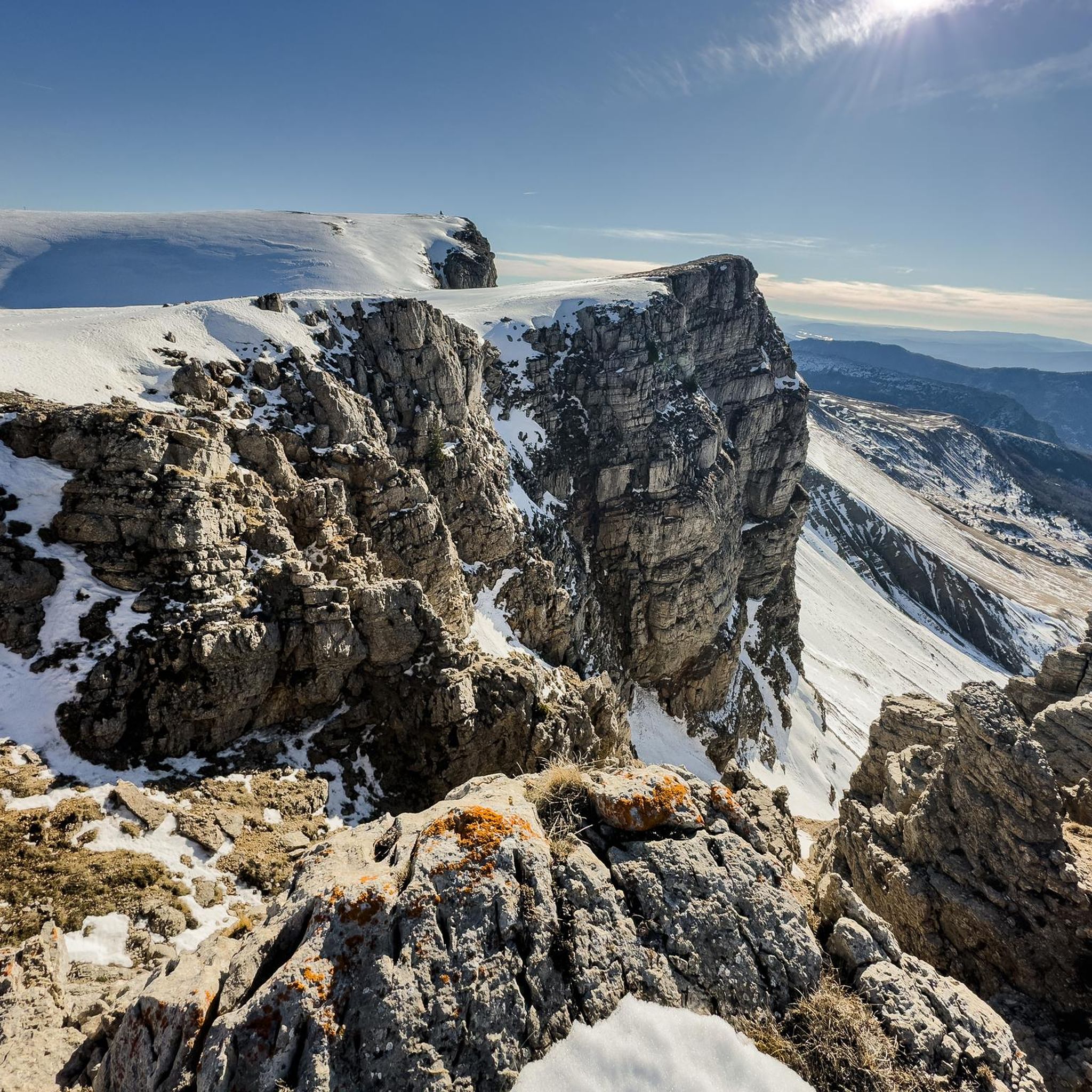
Col des Garcinets
Highlight • Mountain Pass
Translated by Google •
Tip by
Sign up now to discover places like this
Get recommendations on the best single tracks, peaks, & plenty of other exciting outdoor places.
Sign up for free
Seyne-les-Alpes
Highlight • Viewpoint
Translated by Google •
Tip by

Fontbelle Pass
Highlight • Mountain Pass
Translated by Google •
Tip by

Saut de la Pie Waterfall
Highlight • Waterfall
Translated by Google •
Tip by
Sign up for free to discover even more attractions around Barles.
Sign up for free
Already have an account?
Start today with a free account
Your next adventure awaits.
Login or Signup
Tips from the Community

The climb up this hill is very beautiful, with sections with difficult slopes.
13
0
Very simple climb with little traffic, shame about the asphalt which is not in good condition.
12
1
Obligatory photo when you arrive at this waterfall.
11
0
Very simple climb, pay attention to the asphalt which is very slippery and easy to slip.
12
0
A hill with excellent asphalt and sometimes difficult slopes.
11
0
Truly stupendous panorama, it leaves you breathless.
9
0

From Sisteron, the Col de Fontbelle is 26.3 kilometers of climbs with segments at 6 or 7%, and others between 1.5 and 5%. In your ascent, passing the intermediate Mézien pass after the 6th kilometer tells you that you have made the first part complicated and that you are starting the second part, long but less steep. On the open parts of the pass, you can see the mountain of Gueruen and the mountain of Mélan and its Grande Aiguille.
2
0

Frequently Asked Questions
What natural geological features can I explore around Barles?
Barles is situated within the Geological Reserve of Haute-Provence, offering remarkable geological formations. You can visit the Clues de Barles, featuring dramatic cliffs and canyons, and the Saut de la Pie Waterfall, a picturesque natural monument rich in ecological terms. Another significant site is the Slab of Giant Ammonites, located about 1 km from Barles, showcasing approximately 1500 ammonite shells from 200 million years ago.
Are there any historical or cultural sites to visit in Barles?
Yes, Barles has a rich past. You can explore an 18th-century church within the village and discover feudal ruins on a hill overlooking Barles. The recently restored Barles Wash House also offers a glimpse into local heritage. Additionally, nearby Seyne-les-Alpes features a Fort Vauban and old buildings testifying to its history as a fortified border town.
What kind of outdoor activities are popular near Barles?
The mountainous terrain around Barles is ideal for various outdoor activities. You can enjoy road cycling, with routes like the 'Clue de Barles – Pérouré Gorge loop'. Mountain biking is also popular, with trails such as the 'Seyne-les-Alpes – Fanget Pass loop'. For those who prefer running, there are challenging routes like the 'Les Monges and lac des Monges - loop trail'. You can find more details on these activities and routes in the Road Cycling Routes around Barles, MTB Trails around Barles, and Running Trails around Barles guides.
Are there any family-friendly attractions around Barles?
Yes, Seyne-les-Alpes is a family-friendly settlement known for its alpine landscapes and historical structures, including a Fort Vauban. The village also hosts an annual mule competition around August 15th, which can be an interesting experience for families. The geological sites, such as the Slab of Giant Ammonites, can also be fascinating for children interested in natural history.
What are the mountain passes like around Barles?
Barles is surrounded by several notable mountain passes offering scenic views and cycling opportunities. Col du Fanget (1,459 m) provides a wide panorama and features challenging slopes. Col des Garcinets offers a simpler climb with less traffic, though some sections have slippery asphalt. Another pass, Col du Labouret, features a beautiful road surface with gradients increasing towards the top.
What do visitors particularly enjoy about the attractions near Barles?
Visitors frequently praise the stunning natural beauty and the sense of accomplishment from tackling the mountain passes. For instance, the climb up Col du Fanget is described as 'very beautiful' with a 'truly stupendous panorama'. The Saut de la Pie Waterfall is considered 'very nice to look at' and offers a 'very beautiful spectacle' that changes with the seasons and lighting.
What is the best time to visit Barles for outdoor activities?
The region around Barles is best enjoyed during the warmer months, typically from spring through early autumn, for hiking, cycling, and mountain biking. During these seasons, the weather is generally favorable for exploring the mountain passes, geological sites, and waterfalls. Winter activities are also possible in the broader region, but specific trails around Barles might be less accessible due to snow.
Are there any unique geological sites besides the Clues de Barles?
Beyond the impressive Clues de Barles, the region is home to the Ichthyosaur Museum Site at La Robine, an hour's walk from Barles. This site highlights the area's rich geological past and unique fossil concentration, offering further insight into the ancient marine life that once inhabited the area.
What is the significance of the Geological Reserve of Haute-Provence?
Barles lies at the heart of the Geological Reserve of Haute-Provence, which is dedicated to protecting unique geological sites globally. This reserve is renowned for its extraordinary concentration of ancient fossils, including ammonites, ichthyosaurs, and sirenians, making it a significant area for paleontological research and natural heritage preservation. A museum in Digne-les-Bains provides further insight into the region's geological history.
Can I find local gastronomy or markets in the Barles area?
While Barles itself is a small village, the wider Alpes-de-Haute-Provence region is known for its local gastronomic traditions. Visitors can explore local producers or discover regional cuisine at markets in nearby towns. This offers an opportunity to experience the local culture through its food.
What other towns or attractions are easily accessible from Barles?
Several interesting towns and attractions are within a reasonable distance from Barles. Seyne-les-Alpes, located 12 km northeast, is a mountain village with medieval structures. Digne-les-Bains, approximately 19 km south-southwest, is a spa town with a medieval center and a museum related to the Geological Reserve. Further afield, Sisteron (27 km west-southwest) is known for its citadel, and Lake Serre-Ponçon (29 km north-northeast) is a beautiful Alpine lake.
Most popular attractions around Barles

Get inspired with the komoot mobile app


Explore more
Still not found the Highlight you’re looking for? See guides of the top attractions in other regions:
