Attractions and Places To See around Brion - Top 10
Best attractions and places to see around Brion include a rich collection of historical sites, ancient castles, and significant religious buildings. This region, located in France, offers visitors a journey through centuries of history, from medieval fortifications to elegant 18th-century residences. The landscape is characterized by its cultural heritage, providing diverse opportunities for exploration. Tourism Brion focuses on these well-preserved landmarks.
Best attractions and places to see around Brion
- The most popular attractions is Déols Abbey, a religious building…
Last updated: July 1, 2026
Château de Bouges
Highlight • Castle
Translated by Google •
Tip by

Déols Abbey
Highlight • Religious Site
Inspired by medieval horticultural treatises, the abbey's medieval garden consists of twelve squares, planted and surrounded by hedges. They symbolize the twelve apostles of Christianity.
Translated by Google •
Tip by

Sign up now to discover places like this
Get recommendations on the best single tracks, peaks, & plenty of other exciting outdoor places.
Sign up for free
Saint-Sylvain Collegiate Church
Highlight • Religious Site
Note …
Translated by Google •
Tip by
Porte de Champagne
Highlight • Historical Site
Translated by Google •
Tip by
Château de Levroux
Highlight • Castle
Translated by Google •
Tip by
Sign up for free to discover even more attractions around Brion.
Sign up for free
Already have an account?
Start today with a free account
Your next adventure awaits.
Login or Signup


Tips from the Community

The 15th-century Porte de Champagne is the only remaining city gate in Levroux. Originally built with the permission of King Charles VII to fortify the town, it still marks the transition between the old and newer parts of the city. During the recent restoration, the gate regained its towers and roofs, giving you a good impression of how imposing the entrance to Levroux once was. A true eye-catcher and a reminder of the town's medieval character.
3
0
For a village, Levroux boasts a church that almost has the allure of a cathedral. The 13th-century Collégiale Saint-Sylvain is not called the "petite cathédrale du Berry" for nothing. Note the details: the Romanesque side portal that once housed the sick and outcasts, the wooden stalls with humorous carvings, and the unique organ cabinet from 1502. Inside, you'll even find the banc du bourreau—the executioner's seat, marked with a red cross.
3
0
In Déols, this bell tower is the only remnant of an earlier era. Inspired by medieval horticultural treatises, the abbey's medieval garden consists of twelve squares, planted and surrounded by hedges. They symbolize the twelve apostles of Christianity. Visitors can admire three distinct areas: the herb garden with plants used in medieval pharmacopoeias, the love garden inspired by medieval poetry and courtly love, and the heavenly garden dedicated to the Virgin Mary, the abbey's symbol.
2
0

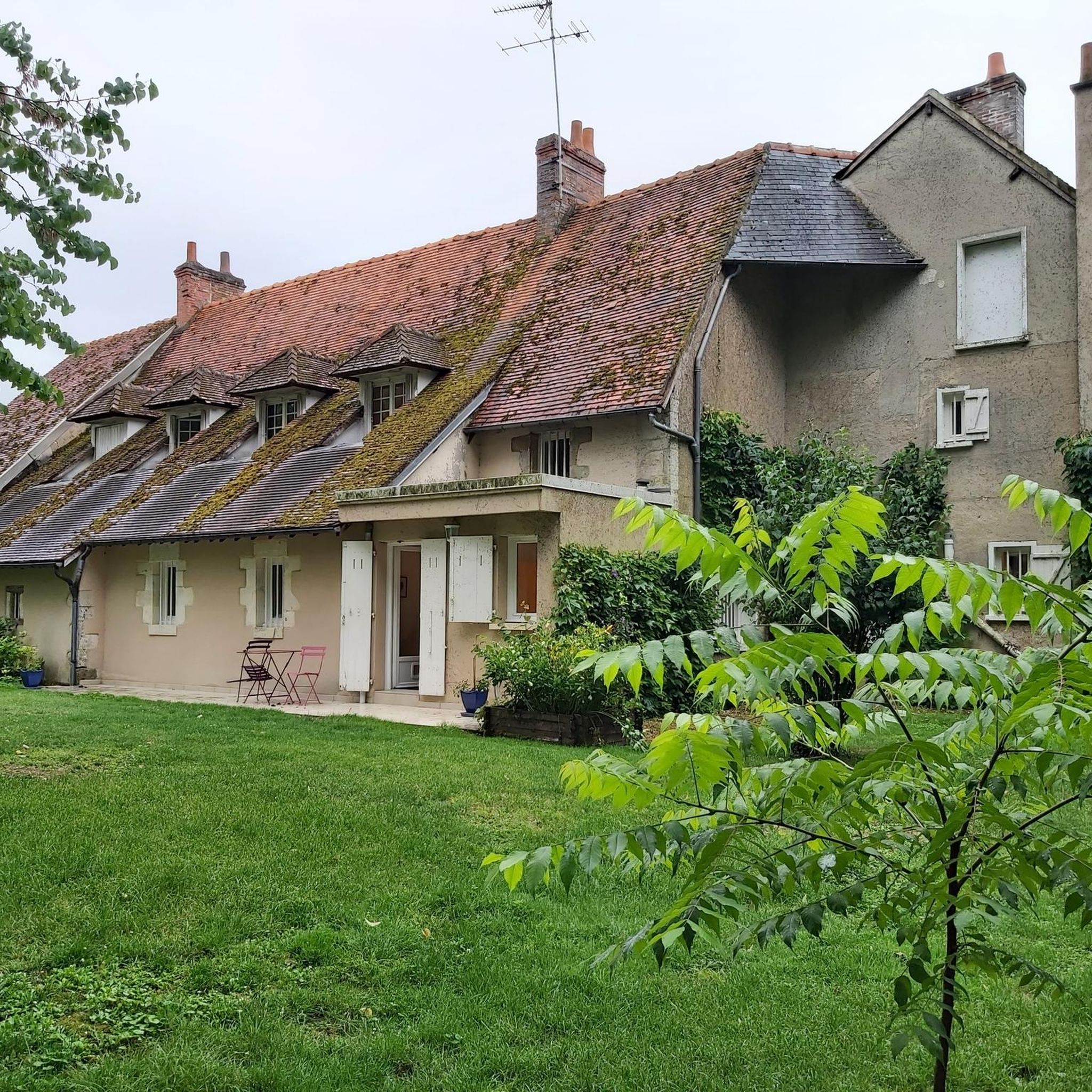
Built in the 1760s, the Château de Bouges located near Valençay elegantly illustrates the arts of the 18th century. When Claude Leblanc de Carnaval bought the estate in 1765, the old building present until then was razed to make way for an “Italian-style house”. This new, up-to-date construction displays the ambition of the rich ironmaster, who managed to rise in the world of Parisian finance and was recently ennobled. Ruined twelve years later, his castle was seized and sold. During the 19th century, successive buyers included the Prince of Talleyrand and Henri Dufour, who restored the castle and had the park landscaped in the English style. The Château de Bouges owes its transformation above all to the Viguier couple: Henry, director of a Parisian department store, and his wife Renée. Acquired in 1917, the Château de Bouges regained its initial vocation as a sumptuous residence. The Viguier couple brought the castle back to life with the acquisition of exceptional furniture dating from the 18th century, which wonderfully expresses the taste for well-being and refinement specific to the society of that era in harmony with the setting. Left without descendants, they bequeathed the castle to the State in 1967. Of elegant Italian construction, the charm of this castle lies in its inhabited appearance. A visit that will transport you to the elegance of the 18th century! After visiting the castle, be sure to discover the English-style park designed by the landscaper Achille Duchêne at the beginning of the 20th century. The winding paths allow you to discover varied views of the Château de Bouges all along the walk. The stone balustrade separates the park from the French garden where boxwood embroidery and trimmed yews are bordered by lime trees. The old vegetable garden, transformed into a flower garden by Madame Viguier, is today dedicated to the cultivation of flowers used for the composition of the bouquets which adorn the rooms of the castle. A visit to the outbuildings made up of the stables, the saddlery and the orangery allows you to discover Henri Viguier's passion for horse riding.
0
0

The Château de Bouges is an 18th century residence surrounded by 80 hectares of greenery, with a pond where you can admire the reflections of the different trees. You can also discover the outbuildings where the stables, saddlery and horse-drawn carriages are located. The castle itself is open for guided tours, where you can explore its elegant rooms and furnishings. Opening hours vary depending on the season, do not hesitate to check them before traveling.
2
0
Around the 1400s, Levroux suffered attacks and acts of terror from local brigands. King Charles VII therefore authorized the city to fortify its perimeter. Sixteen towers, adjoining walls and a moat were built, of which the Porte de Champagne is all that remains today.
2
0
Built in the 13th century, this church is actually known as the little cathedral of Berry. Apparently, the south wall opens to a door with a porch that served as an entrance for lepers.
2
0
This castle dates back to the 1100s. It is believed to have been occupied at one time by Richard the Lionheart. Only three defensive towers remain of what one can imagine to be a beautiful castle.
2
0
Frequently Asked Questions
What historical sites can I visit around Brion?
Brion, France, is rich in historical sites. You can explore the ancient Déols Abbey with its medieval garden, the elegant 18th-century Château de Bouges, or the remnants of the 12th-century Château de Levroux. Don't miss the impressive 13th-century Saint-Sylvain Collegiate Church and the 15th-century Porte de Champagne, the last remaining city gate in Levroux.
Are there any family-friendly attractions in the Brion area?
Yes, several attractions are suitable for families. The Château de Bouges offers 80 hectares of parkland to explore, including stables and a carriage museum, which can be engaging for children. The restored Porte de Champagne, a medieval city gate, also provides an interesting historical experience for all ages.
What kind of outdoor activities can I do near Brion's attractions?
The area around Brion offers various outdoor activities. You can find numerous hiking, mountain biking, and road cycling routes. For example, there are easy hiking loops like the Château de Bouges Park Loop or the Saint-Sylvain Collegiate Church – Château de Levroux loop. For more options, explore the hiking, MTB, and road cycling guides for the Brion region.
Are there hiking trails near the castles and religious buildings?
Absolutely. You can combine cultural visits with outdoor exploration. For instance, there's an easy Château de Bouges Park Loop, perfect for enjoying the castle grounds. Another easy option is the Saint-Sylvain Collegiate Church – Château de Levroux loop from Levroux, which takes you past both historical landmarks.
What makes Déols Abbey unique?
Déols Abbey is notable for its medieval garden, which is designed with twelve symbolic squares representing the apostles. Visitors can explore three distinct areas: an herb garden based on medieval pharmacopoeias, a love garden inspired by medieval poetry, and a heavenly garden dedicated to the Virgin Mary.
What can I expect to see at Château de Bouges?
The Château de Bouges is an elegant 18th-century residence set within 80 hectares of greenery. You can take guided tours of its refined rooms, explore the English-style park designed by Achille Duchêne, and visit the outbuildings housing stables, a saddlery, and a horse-drawn carriage museum. The old vegetable garden, now a flower garden, is also a highlight.
What is the significance of the Saint-Sylvain Collegiate Church?
The 13th-century Saint-Sylvain Collegiate Church in Levroux is often called the 'petite cathédrale du Berry' due to its impressive size for a village church. It features a Romanesque side portal that once served the sick, humorous carvings on its wooden stalls, a unique 1502 organ cabinet, and even an executioner's seat marked with a red cross.
Can I learn about medieval fortifications in Brion?
Yes, the Porte de Champagne in Levroux is a prime example of medieval fortification. This 15th-century city gate is the only remaining part of the town's original defenses, which were authorized by King Charles VII. Its recently restored towers and roofs offer a clear impression of how imposing the entrance to Levroux once was.
What remains of Château de Levroux?
Of the 12th-century Château de Levroux, only three defensive towers remain today. Despite this, these remnants hint at its historical significance, including a belief that Richard the Lionheart once occupied the castle.
Are there any easy walking trails around the attractions for beginners or families?
Yes, there are several easy walking trails. The Château de Bouges Park Loop is an easy 4.3 km walk within the castle grounds. You can also find easy loops like the Saint-Sylvain Collegiate Church – Château de Levroux loop from Levroux (7.4 km) and the Château de Levroux loop from Le Chêne Vert (6.3 km), both suitable for beginners and families.
What do visitors particularly enjoy about the attractions around Brion?
Visitors appreciate the rich collection of historical sites, ancient castles, and significant religious buildings. The well-preserved landmarks offer a journey through centuries of history, from medieval fortifications to elegant 18th-century residences. The komoot community has shared 6 photos and given 7 upvotes, highlighting the visual appeal and historical depth of the area.
Is there parking available at the main attractions?
While specific parking details for each attraction are not provided, historical sites and castles like Château de Bouges typically offer visitor parking. For smaller sites or village attractions like those in Levroux, street parking or designated public parking areas within the town are usually available.

Get inspired with the komoot mobile app


Explore more
Still not found the Highlight you’re looking for? See guides of the top attractions in other regions:
