The best mountain hikes around Unterlangenegg
4.7
(12)
43
hikers
2
hikes
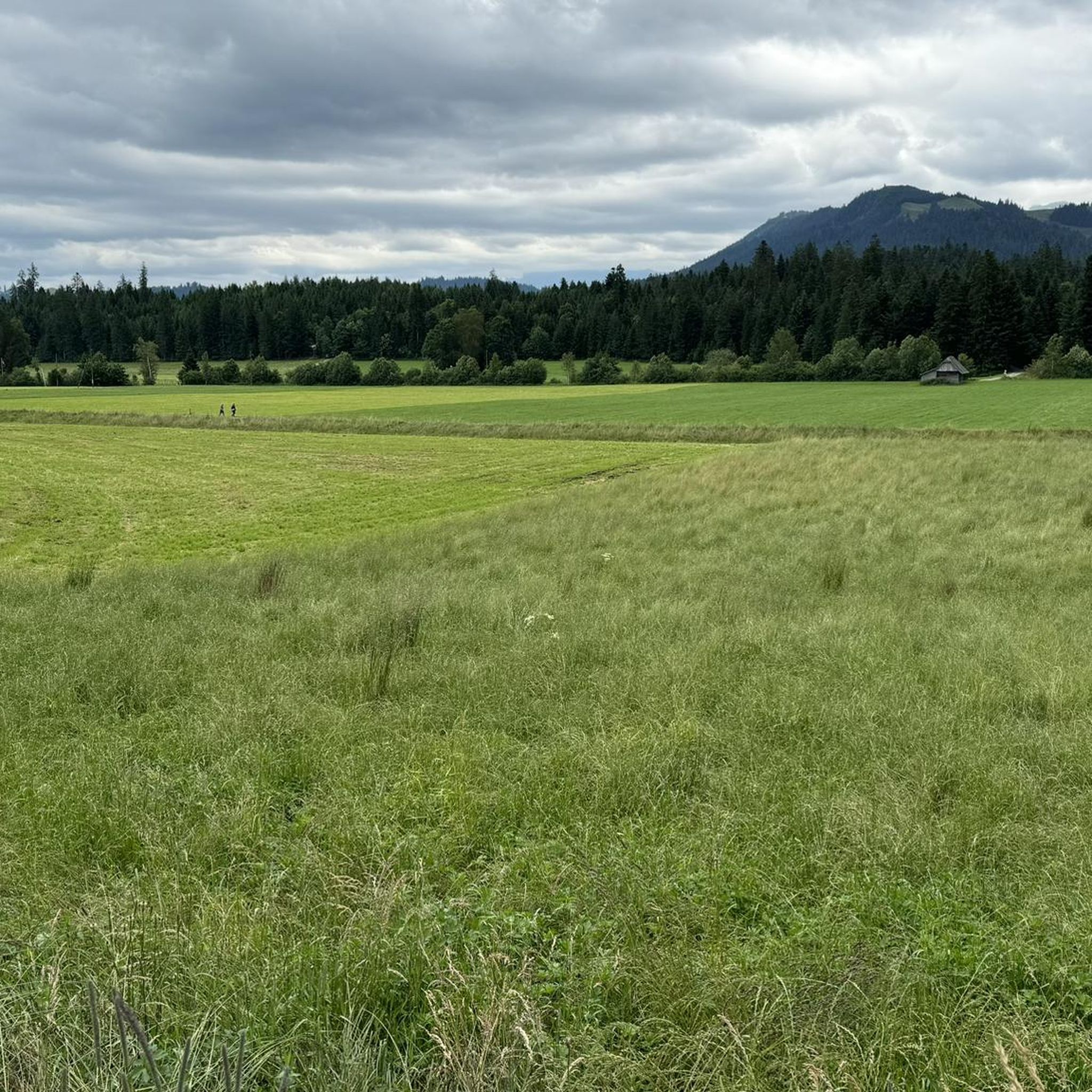
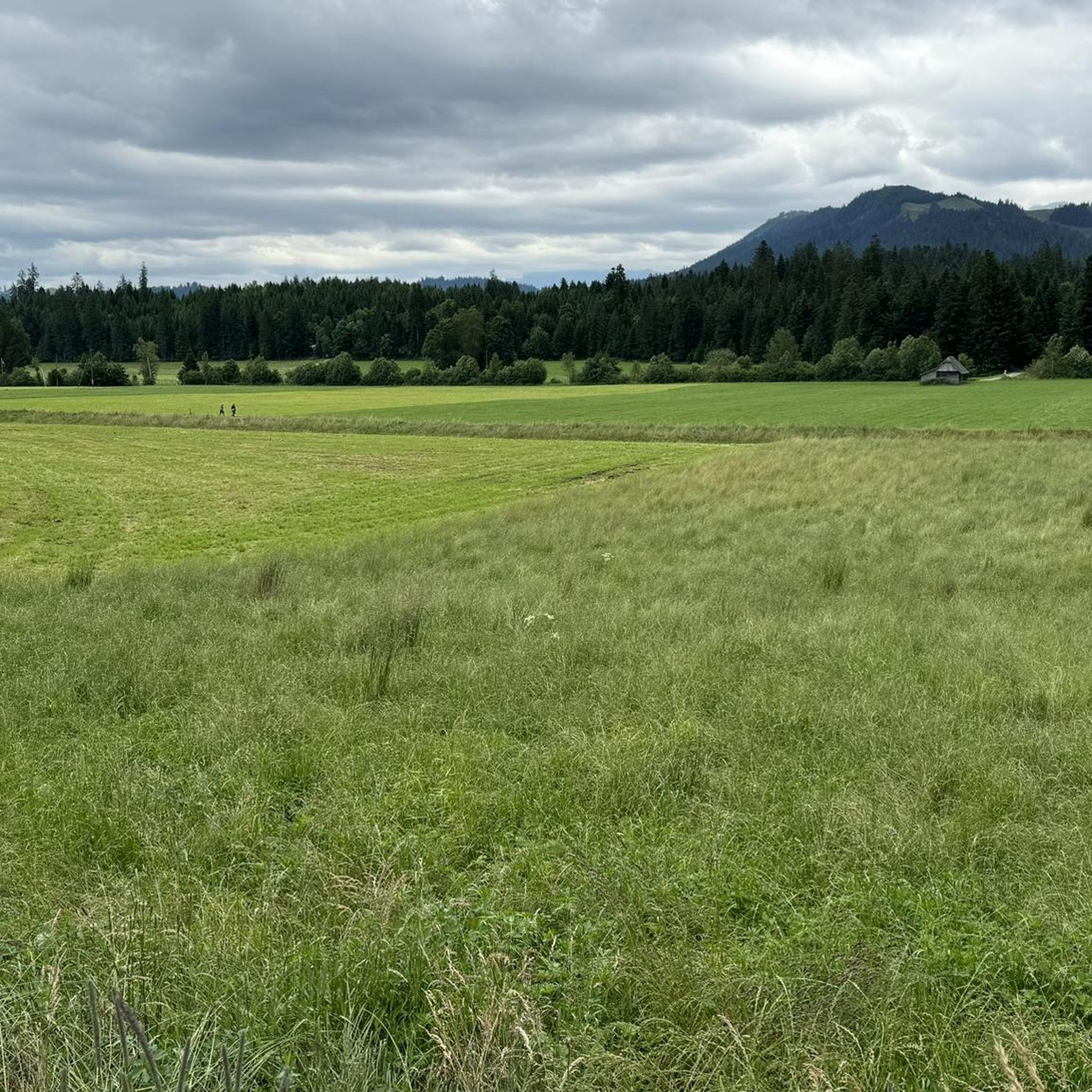
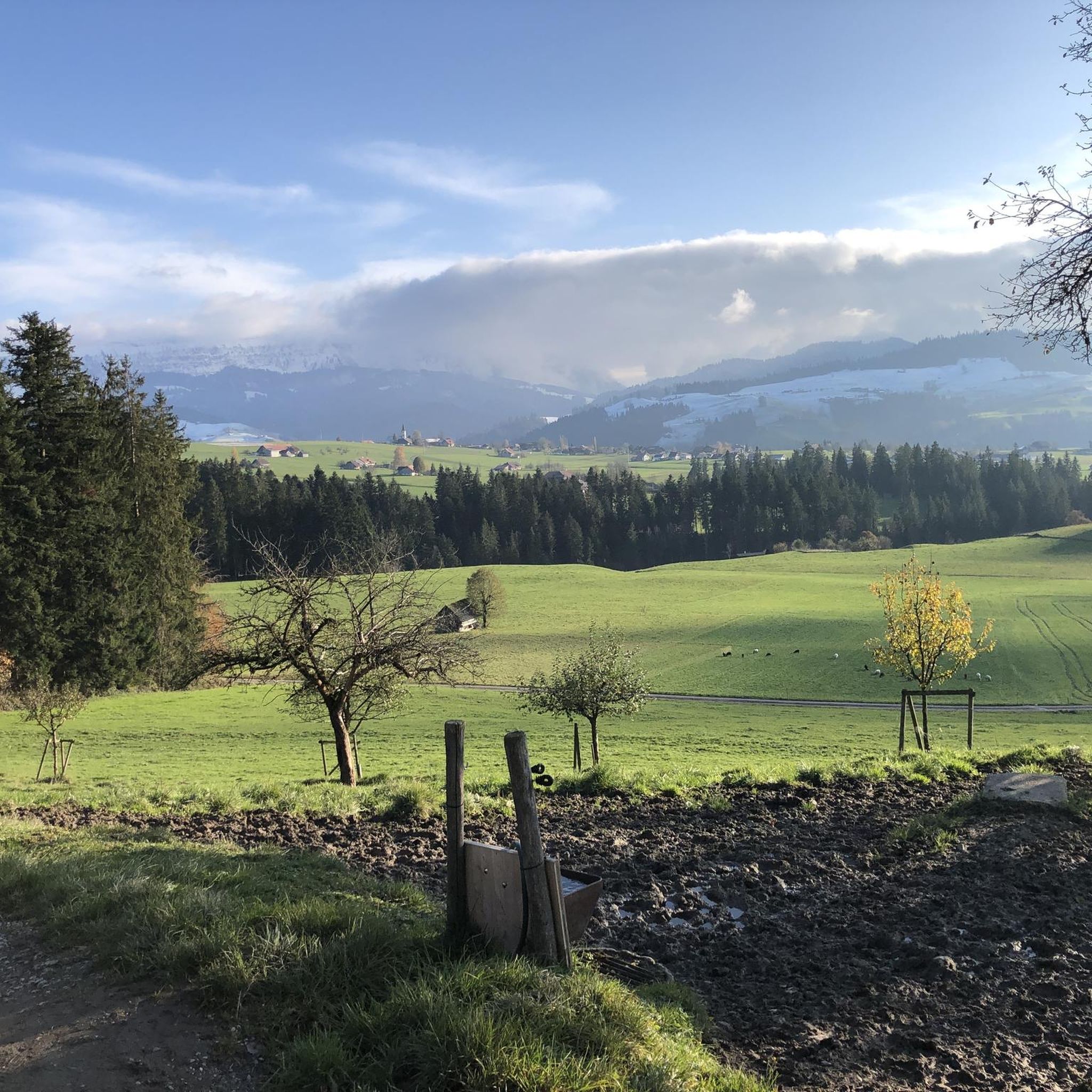
Mountaineering routes around Unterlangenegg traverse a landscape characterized by significant elevation changes, alpine meadows, and forested slopes within the Bernese Oberland region. The terrain features challenging ascents and descents, typical of mountain environments, with views towards surrounding peaks. This area provides opportunities for advanced mountaineering trails, often involving sustained climbs and varied ground conditions.
Best mountaineering routes around Unterlangenegg
- The most popular mountaineering route is Schafloch Cave West Entrance – Alp Oberbärgli loop from Schwändiblueme, a 6.9 miles (11.2…
Last updated: May 9, 2026
5.0
(4)
11
hikers
12.6km
05:53
880m
880m
Hard mountaineering route. Very good fitness required. Sure-footedness, sturdy shoes and alpine experience required.
5.0
(2)
10
hikers
9.42km
04:48
800m
800m
Hard mountaineering route. Good fitness required. Sure-footedness, sturdy shoes and alpine experience required.

Sign up for free
4.7
(3)
8
hikers
11.1km
05:09
940m
940m
Hard mountaineering route. Very good fitness required. Sure-footedness, sturdy shoes and alpine experience required.
5.0
(1)
10
hikers
15.9km
06:48
1,040m
1,040m
Hard mountaineering route. Very good fitness required. Sure-footedness, sturdy shoes and alpine experience required.
4.0
(2)
4
hikers
13.5km
05:23
890m
890m
Hard mountaineering route. Very good fitness required. Sure-footedness, sturdy shoes and alpine experience required.
Our route recommendations are based on thousands of hikes, rides, and runs completed by other people on komoot.
Start today with a free account
Your next adventure awaits.
Login or Signup
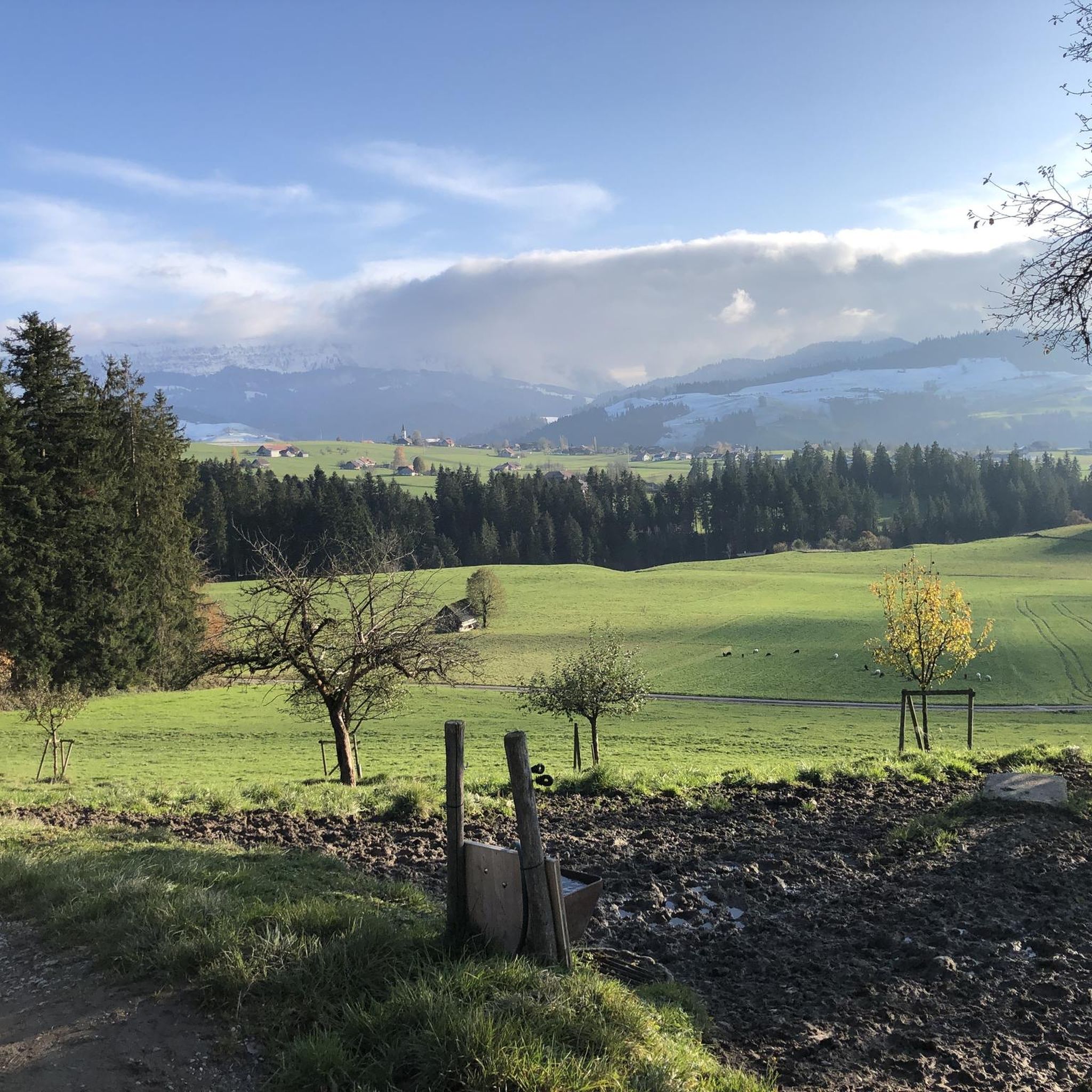
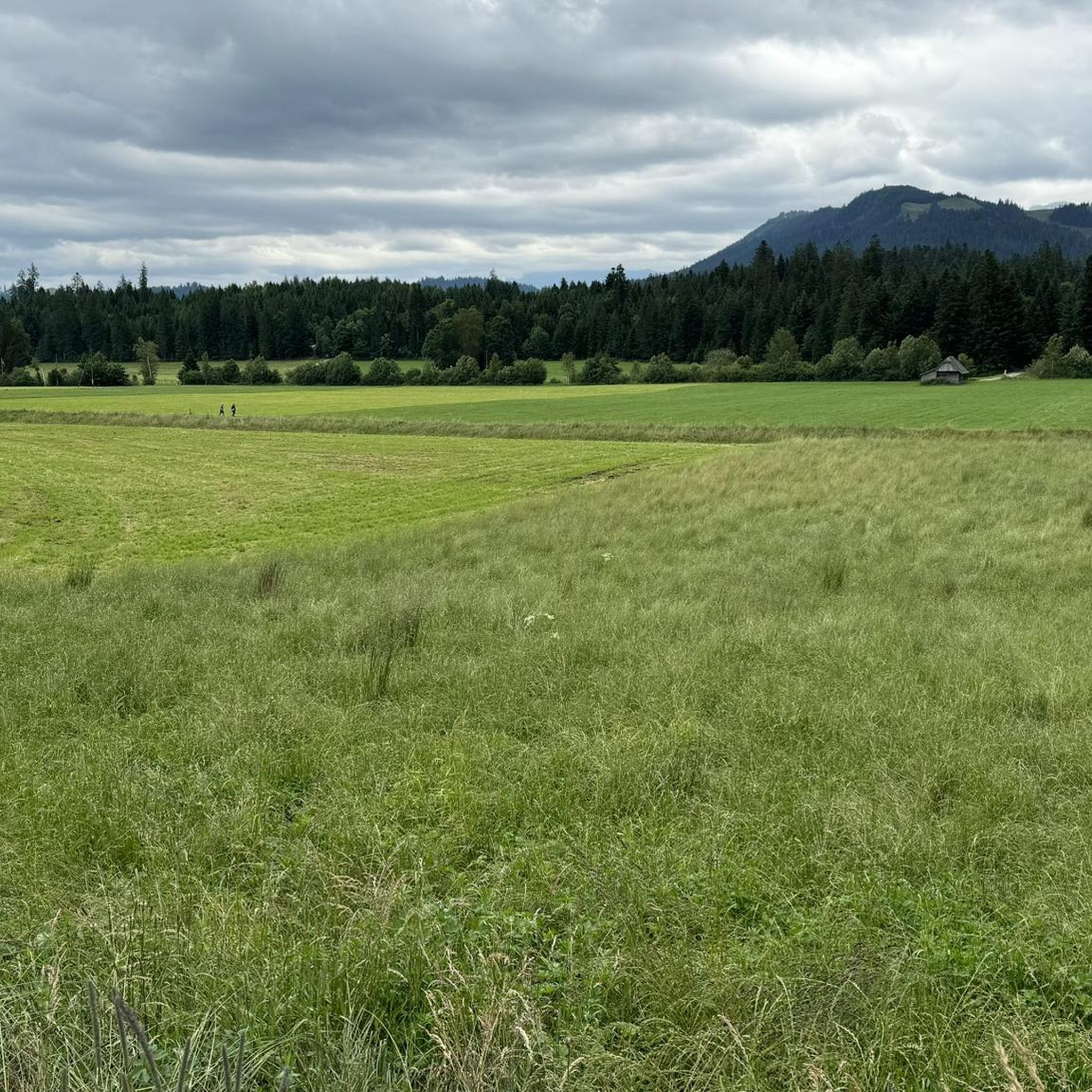
Tips from the Community

Beautiful alp on the way to the Sigriswiler Rothorn
7
0
Beautiful and little-frequented summit with panoramic views
7
0

Be careful, this is no walk in the park...
0
1

Difficult ascent including easy climbing but at the top everything is forgotten, the effort was worth it, the view is amazing.
0
1

The Sigriswiler Rothorn (2,051 m) is an impressive vantage point high above Lake Thun ⛰️🌊. The ascent is mostly along the ridge and requires surefootedness and a head for heights ⚠️🥾 – caution is advised, especially in wet conditions. At the top, you'll be rewarded with a fantastic 360° panorama: views of the Eiger, Mönch, and Jungfrau, the Mittelland, and Lake Brienz and Lake Thun 🏔️👀 – ideal for a summit rest and impressive photos 📸. Equipment: Sturdy hiking boots, weather protection 🧥, provisions 🥪, water 💧. No food or drink options along the way. Recommendation: Set off early ⏰, and avoid the ridge in uncertain weather. An absolutely worthwhile summit for experienced hikers!
1
0
A beautiful spot with stunning views of the Bernese Oberland! ⛰️🌲. The trail is well marked, but surefootedness is required, especially in wet conditions ⚠️. Recommendation: Start early ⏰ to enjoy the peaceful morning atmosphere! Equipment: Sturdy hiking boots 🥾, weatherproof clothing 🧥, and poles 🦯 if needed. Note: No refreshment stops – bring plenty of water 💧 and provisions 🥪.
2
0
The best dried meat in the world, yogi drinks to wake up tired hikers and nice entertainment. Truly a highlight.
0
0
Distinctive saddle between Zulzigraben and Justistal. An impressive place with steep walls to the east and west and special valleys to the north and south. Pleasant on foot, arduous on the bike.
0
1
Frequently Asked Questions
What is the typical difficulty level for mountaineering routes around Unterlangenegg?
Mountaineering routes in the Unterlangenegg area are primarily designed for experienced individuals. All featured routes are rated as difficult, involving significant elevation changes, alpine terrain, and sustained climbs. There are no easy or moderate mountaineering options listed in this guide.
What kind of terrain can I expect on mountaineering routes in Unterlangenegg?
You can expect varied mountain terrain characterized by significant elevation changes, alpine meadows, and forested slopes. Routes often include rocky sections and challenging ascents and descents, typical of the Bernese Oberland region.
Are there any circular mountaineering routes available near Unterlangenegg?
Yes, several mountaineering routes in the area are circular. For example, you can explore the Schafloch Cave West Entrance – Alp Oberbärgli loop from Schwändiblueme or the Sichle Pass – Schibe Summit loop from Säge, both offering challenging round trips.
What is the best time of year for mountaineering in Unterlangenegg?
The best time for mountaineering in the Bernese Oberland, including Unterlangenegg, is typically from late spring to early autumn (June to September). During these months, trails are generally free of snow, and weather conditions are more stable, though alpine weather can change rapidly. Always check local forecasts before heading out.
What are the typical distances and durations for mountaineering routes in this region?
The mountaineering routes around Unterlangenegg vary in length and duration. For instance, the Alp Oberbärgli – Sigriswiler Rothorn Summit loop from Sigriswil is about 5.8 miles (9.4 km) and takes around 4 hours 47 minutes, while the Alp Oberbärgli – Sigriswiler Rothorn Summit loop from Schwändiblueme extends to 9.7 miles (15.6 km) and can take over 6 hours.
Are there any interesting natural landmarks or attractions to see along the mountaineering routes?
Yes, the region offers several notable natural attractions. You might encounter the Schafloch — West Entrance or the Schafloch East Entrance, both significant cave systems. The Sigriswiler Rothorn is also a prominent summit offering panoramic views.
What kind of wildlife might I encounter while mountaineering in Unterlangenegg?
The alpine and forested environments around Unterlangenegg are home to various wildlife. You might spot chamois or ibex on higher rocky slopes, marmots in alpine meadows, and various bird species, including birds of prey. Keep an eye out for deer in the forested areas.
Are there any permits required for mountaineering in the Unterlangenegg area?
Generally, no specific permits are required for mountaineering on marked trails in the Bernese Oberland region. However, always respect local regulations, private property, and protected areas. If you plan to venture off marked paths or engage in more technical climbing, it's advisable to check with local authorities or mountain guides for any specific requirements.
What do other mountaineers say about the routes in Unterlangenegg?
The mountaineering routes in Unterlangenegg are highly regarded by the komoot community, with an average rating of 4.8 stars from over 10 reviews. Mountaineers often praise the challenging ascents, the stunning alpine scenery, and the rewarding summit views.
Are there any options for less crowded or 'hidden gem' mountaineering trails?
While the routes listed are popular for their quality, the Bernese Oberland offers a vast network of trails. To find potentially less crowded paths, consider exploring routes that start from smaller villages or those that are slightly longer, such as the Sichle Pass loop from Säge, which provides a substantial challenge away from the most frequented spots.
What should I wear and bring for mountaineering in Unterlangenegg?
For mountaineering in this region, it's crucial to be well-prepared. Wear sturdy hiking boots with good ankle support, layered clothing suitable for changing alpine weather, and waterproof outer shells. Essential gear includes a map and compass or GPS device, sufficient water and snacks, sun protection, a first-aid kit, and a headlamp. Trekking poles are also highly recommended for stability on varied terrain.
Most popular routes around Unterlangenegg
Most popular attractions around Unterlangenegg

Get inspired with the komoot mobile app


Explore more
Browse the best Mountain Hikes & Routes in other regions.
