Attractions and Places To See around Bouesse - Top 15
Best attractions and places to see around Bouesse include a blend of historical landmarks, natural features, and cultural sites in the Indre department of France. The area offers exploration opportunities from ancient castles to significant religious buildings. Visitors can discover both well-known sites and hidden gems within this region.
Best attractions and places to see around Bouesse
- The most popular attractions is Cluis-Dessous Castle, a historical site that occupied a strategic position on a rocky outcrop. Its 12th-century keep…
Last updated: August 26, 2026
Cluis-Dessous Castle
Highlight • Historical Site
Translated by Google •
Tip by

Basilique Saint-Etienne
Highlight • Religious Site
Translated by Google •
Tip by

Sign up now to discover places like this
Get recommendations on the best single tracks, peaks, & plenty of other exciting outdoor places.
Sign up for free
Lys-Saint-Georges
Highlight • Other
Translated by Google •
Tip by
Notre-Dame Church
Highlight • Religious Site
Translated by Google •
Tip by
Pilgrims' Hostel, 8 Rue du Pont-Paillard, Cluis
Highlight • Mountain Hut
Translated by Google •
Tip by

Sign up for free to discover even more attractions around Bouesse.
Sign up for free
Already have an account?
Start today with a free account
Your next adventure awaits.
Login or Signup
Tips from the Community

Listed as a UNESCO World Heritage Site as part of the Routes of Santiago de Compostela, the Basilica of Saint-Etienne is distinguished by its rotunda inspired by the Holy Sepulchre in Jerusalem.
0
0

A very impressive ruin. It shows the power that emanates from here
1
0
In this church, 3 drops of the blood of Jesus are kept as a relic. The church is built in an interesting way. With an octagon at the entrance
1
0

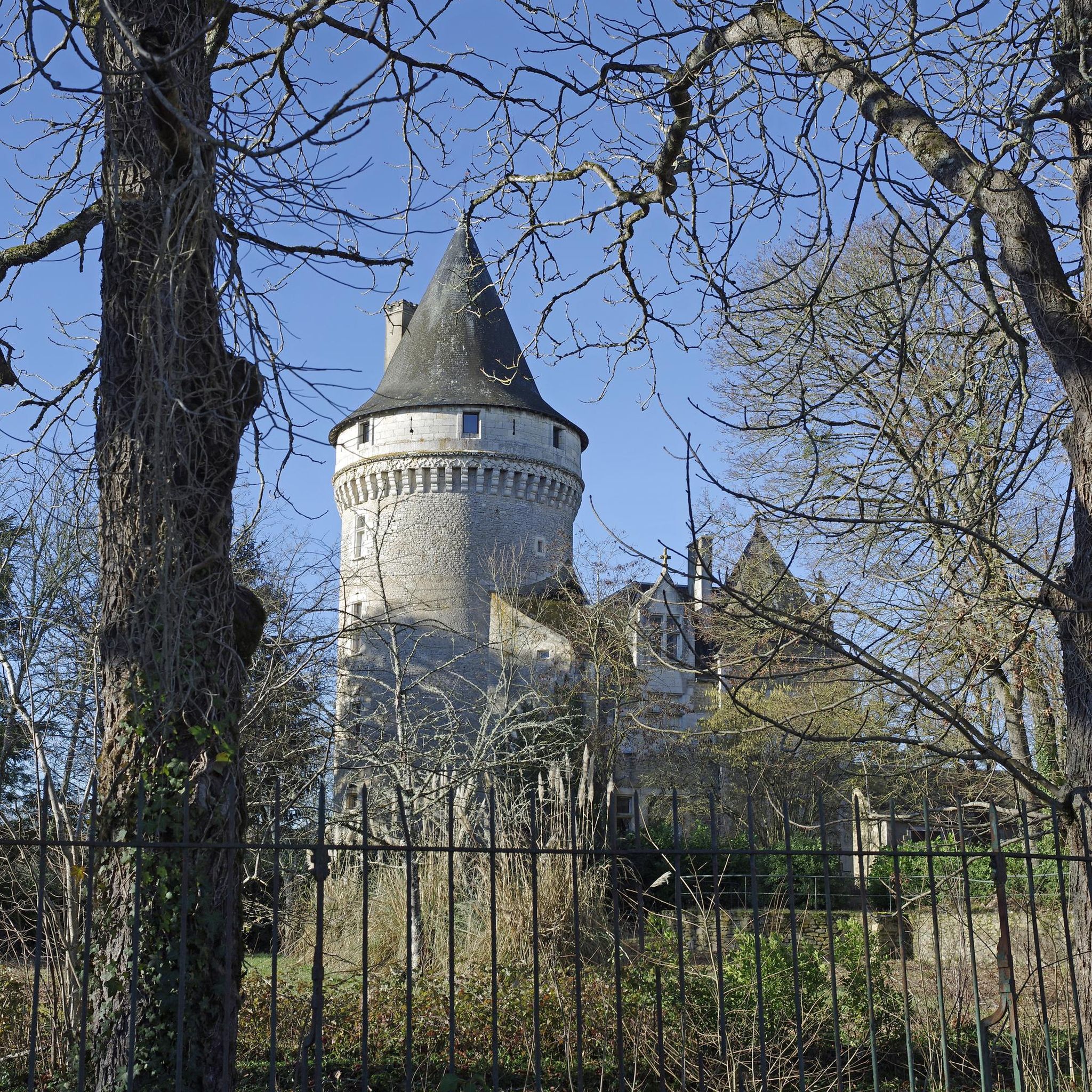
Located on a rocky outcrop, the castle of Cluis-Dessous occupied a strategic position. In the 12th century, the keep is the oldest part of the building. The curtain wall, slightly more recent (12th-13th century), is typical of Plantagenêt architecture. The house, which dates from the 14th and 15th centuries, is only partially preserved.
1
0
Located on a rocky outcrop, the castle of Cluis-Bass occupied a strategic position. In the 12th century, the keep was the oldest part of the building. The slightly more recent curtain wall (12th-13th century) is typical of Plantagenet architecture. The most recent part (14th-15th century), the house is only partially preserved.
2
0
From the outside, this church may look like any other, but I recommend taking a look inside. The interior of the church was decorated in bright colors in the 1970s by a Bolivian artist, Jorge Carrasco. A must see.
2
0
The castle is surrounded by a moat and was built in the 14th, 15th and 16th centuries on the remains of an earlier fortress, of which only the 13th century keep remains. The castle was used as a fortress by the English during the Hundred Years War.
2
0
Located on a rocky outcrop, the castle of Cluis-Bass occupied a strategic position. In the 12th century, the keep was the oldest part of the building. The slightly more recent curtain wall (12th-13th century) is typical of Plantagenet architecture. The most recent part (14th-15th century), the dwelling is only partially preserved.
3
0
Frequently Asked Questions
What historical landmarks can I explore around Bouesse?
Bouesse and its surroundings are rich in history. You can visit the impressive Cluis-Dessous Castle, known for its strategic position and Plantagenêt architecture. Another significant site is the Lys-Saint-Georges castle, which features a moat and a 13th-century keep. Don't miss the historic Château de Bouesse, originally from the 13th century and currently undergoing restoration, offering a glimpse into medieval life. The ancient Roman road, Chemin de César, also passed through Bouesse, with its imprint still visible in some fields.
Are there any notable religious buildings to visit in the area?
Yes, the region boasts several significant religious sites. The Basilique Saint-Etienne in Neuvy-Saint-Sépulchre is a UNESCO World Heritage Site, distinguished by its rotunda inspired by the Holy Sepulchre in Jerusalem. Nearby, the Notre-Dame Church near Bouesse is remarkable for its vibrant interior decorations by Bolivian artist Jorge Carrasco. You can also find the Eglise Saint-Etienne in Bouesse, an 18th-century church that underwent restoration in the 19th century.
What natural features or viewpoints are there near Bouesse?
For nature lovers, the Etang de Fontpart is a large, privately owned pond where you can observe diverse birdlife such as Grey Herons, Great Egrets, and Black Kites from a communal path. Further afield, the Brenne Regional Natural Park, about 39 km away, offers quiet lakes and fields, ideal for enjoying the natural landscape and spotting wildlife.
What kind of outdoor activities can I do around Bouesse?
Bouesse is a great base for outdoor activities. You can explore various routes for different sports. For running, consider the 'Château de Bouesse loop from Bouesse' or the 'Cluis viaduc loop'. Cyclists can enjoy routes like the 'Basilique Saint-Etienne – Pick nick place loop from Neuvy-Saint-Sépulchre' for road cycling, or 'Viaduct of Cluis – Basilique Saint-Etienne loop from Neuvy-Saint-Sépulchre' for mountain biking. You can find more details on these and other routes in the Road Cycling Routes around Bouesse, Running Trails around Bouesse, and MTB Trails around Bouesse guides.
Are there family-friendly attractions or activities in the Bouesse area?
Many historical and religious sites, such as the Basilique Saint-Etienne and Notre-Dame Church, are generally suitable for families. Exploring the grounds of castles like Cluis-Dessous Castle can also be an engaging activity for children. Additionally, the natural areas like Etang de Fontpart offer opportunities for birdwatching, which can be fun for all ages.
What are some picturesque villages or towns to visit near Bouesse?
Several charming villages are within a short drive. Gargilesse-Dampierre, about 13 km away, is recognized as a 'Most Beautiful Village' of France and is known for its picturesque setting. Saint-Benoit-du-Sault, approximately 30 km away, is another 'Most Beautiful Village' with well-preserved medieval streets. Argenton-sur-Creuse, 13 km distant, offers scenic walks and a lively Saturday market.
Is there a specific time of year that is best to visit Bouesse?
The region around Bouesse, with its blend of historical sites and natural beauty, is enjoyable throughout much of the year. Spring and autumn offer pleasant temperatures for exploring castles and outdoor activities. Summer is ideal for enjoying the natural parks and longer daylight hours, though it can be warmer. Winter provides a quieter experience, especially for historical sites.
What do visitors enjoy most about the attractions around Bouesse?
Visitors particularly appreciate the rich history and architectural significance of the castles, such as the strategic Cluis-Dessous Castle and the moated Lys-Saint-Georges. The unique artistic interior of Notre-Dame Church also receives positive comments. The blend of historical exploration and opportunities for outdoor activities like cycling and running in scenic landscapes is a major draw.
Are there any literary or cultural sites nearby?
Yes, the famous George Sand House (Maison de George Sand) is located in Nohant-Vic, about 21 km from Bouesse. This 18th-century French manor house was the residence of the renowned author George Sand and is a major cultural attraction, offering insights into her life and work. The Jardin du domaine de George Sand is also nearby.
Can I find accommodation or places to eat near the attractions?
While specific cafes and pubs are not detailed for every attraction, the region offers various options. The Château de Bouesse now provides accommodations. In nearby towns like Argenton-sur-Creuse and Gargilesse-Dampierre, you will find restaurants and cafes. The Pilgrims' Hostel in Cluis also offers basic accommodation for travelers.
Are there any attractions suitable for a shorter visit, perhaps an hour or two?
Many of the churches, such as the Notre-Dame Church or the Eglise Saint-Etienne in Bouesse, can be explored within an hour or two. Visiting the exterior and grounds of castles like Cluis-Dessous Castle or the Château de Bouesse can also be done in a shorter timeframe, depending on how much detail you wish to absorb.
What is the Brenne Regional Natural Park known for?
The Brenne Regional Natural Park, located about 39 km from Bouesse, is often called the 'Land of a Thousand Ponds.' It is renowned for its vast network of quiet lakes and fields, making it an exceptional area for birdwatching, cycling, and gentle walks. The Etangs de la Brenne (lakes of Brenne) are particularly recognized for their natural beauty and biodiversity.
Most popular routes around Bouesse

Get inspired with the komoot mobile app


Explore more
Still not found the Highlight you’re looking for? See guides of the top attractions in other regions:
