Attractions and Places To See around Colmars - Top 20
Best attractions and places to see around Colmars are centered around this fortified mountain village in the Alpes-de-Haute-Provence department of France. Situated at the confluence of the Verdon and Lance rivers, Colmars offers a blend of military heritage and natural landscapes. The village serves as a gateway to Mercantour National Park, providing access to various outdoor activities. Its historical fortifications and surrounding natural features make it a notable destination.
Best attractions and places to see around Colmars
- The most popular…
Last updated: August 16, 2026
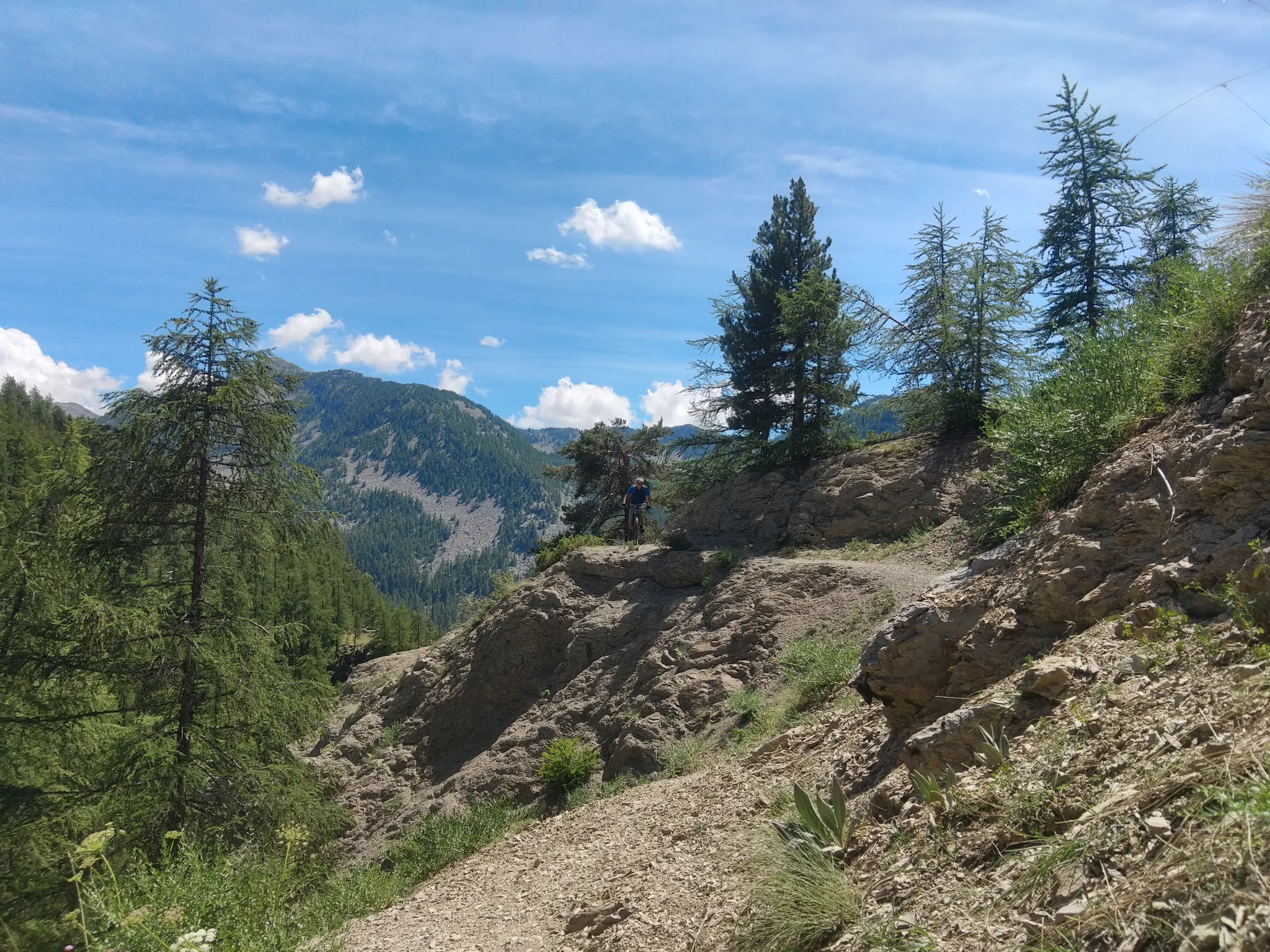
Cayolle Pass
Highlight • Mountain Pass
Translated by Google •
Tip by

Lake Allos
Highlight • Lake
Translated by Google •
Tip by

Sign up now to discover places like this
Get recommendations on the best single tracks, peaks, & plenty of other exciting outdoor places.
Sign up for free
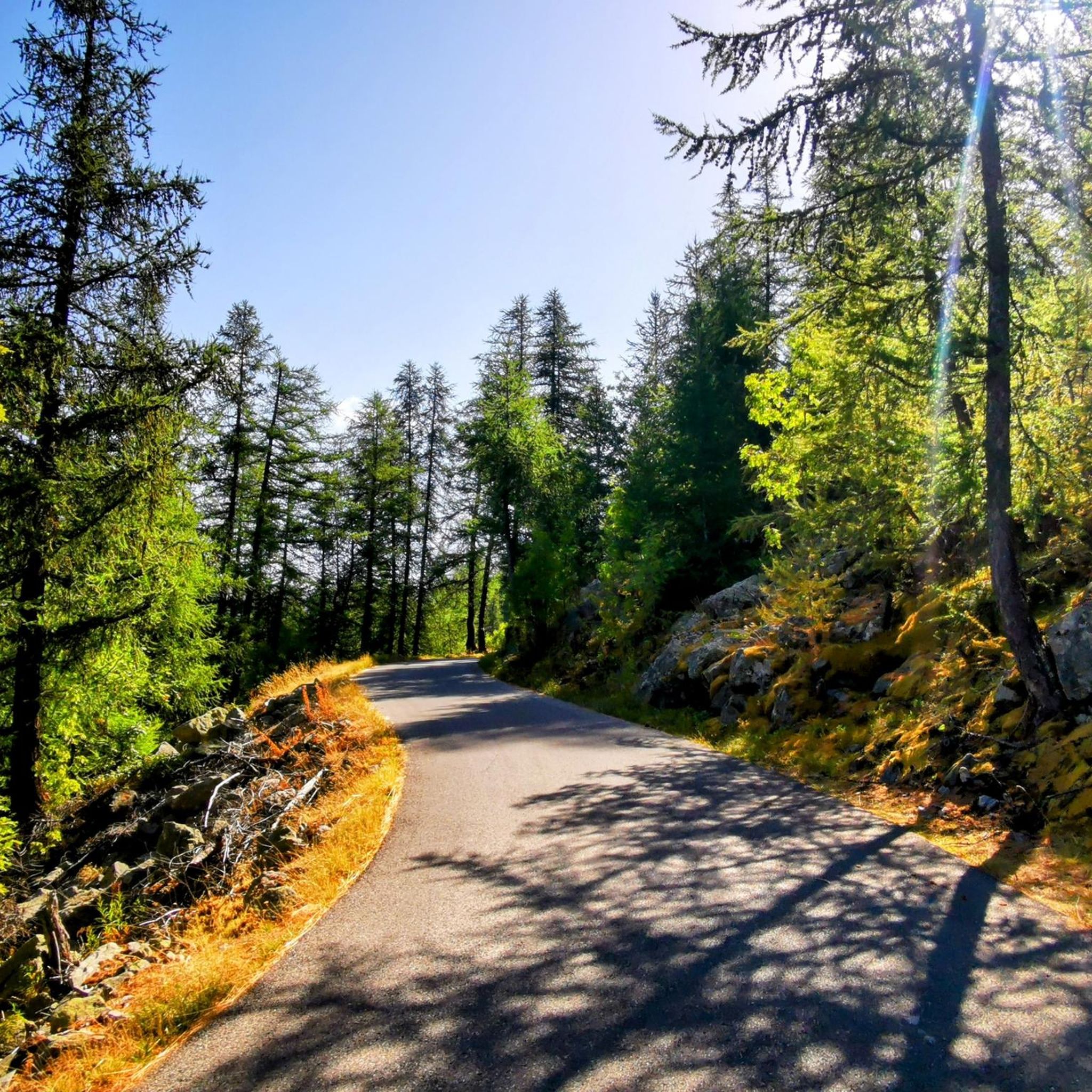
Champs Pass
Highlight • Viewpoint
Translated by Google •
Tip by

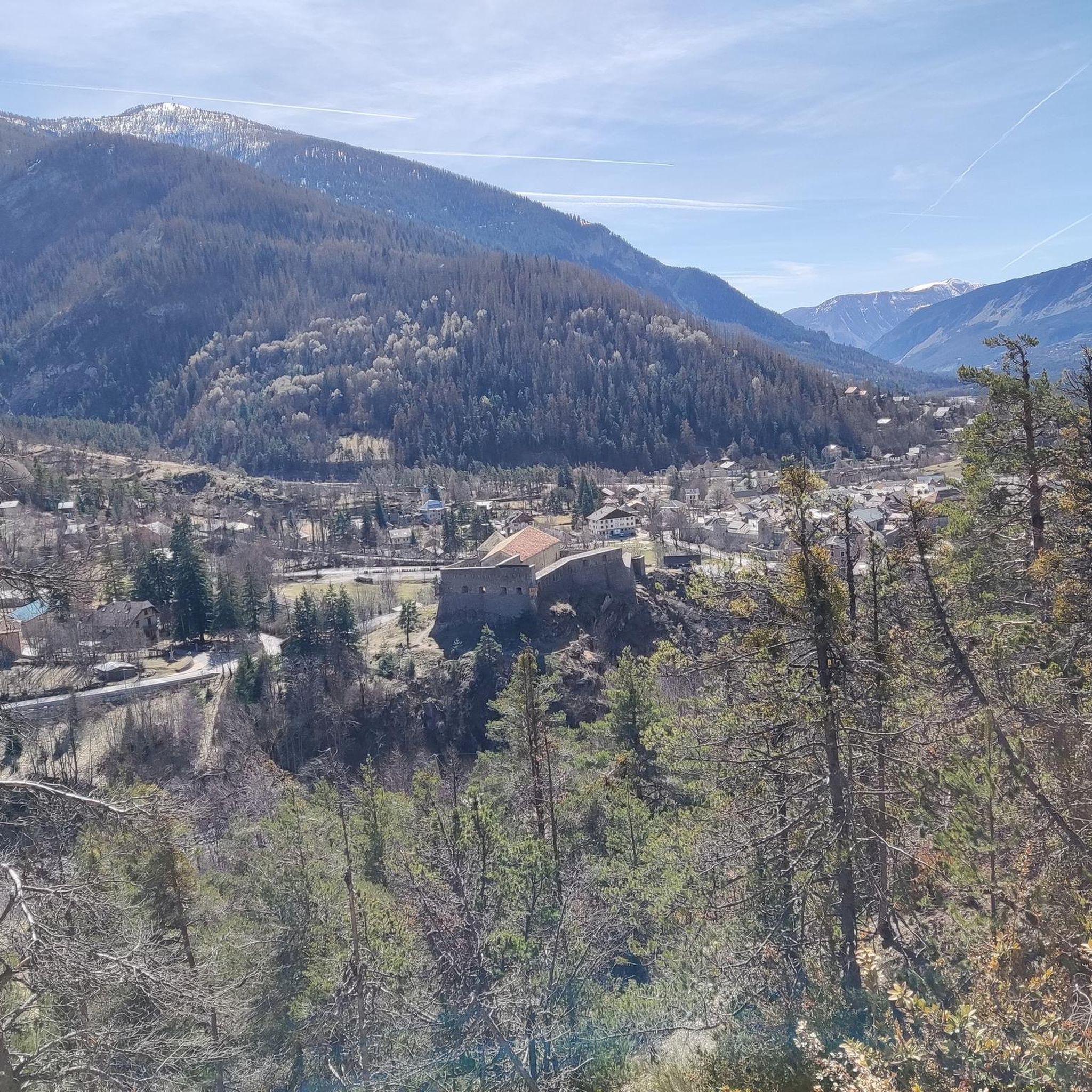
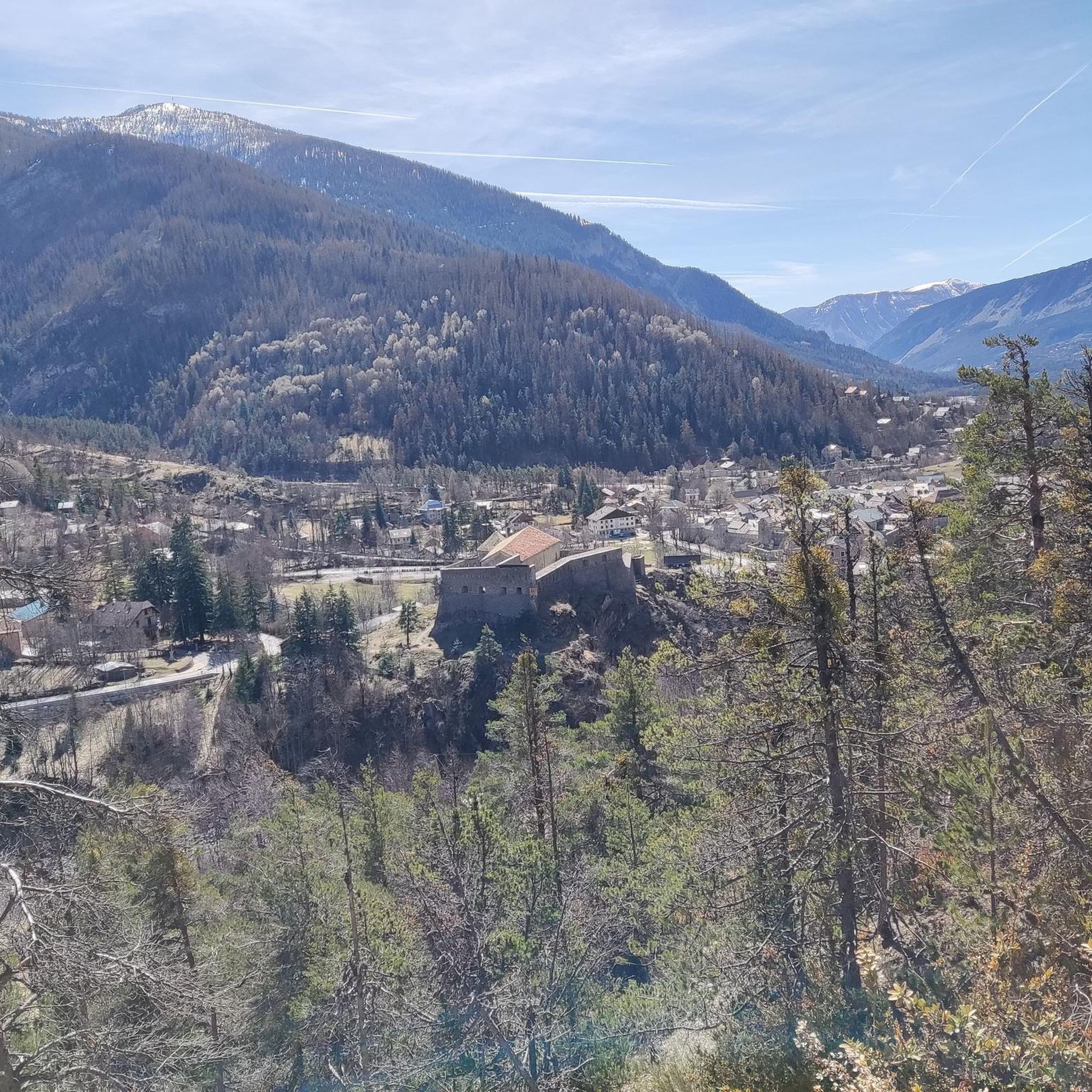
Fortifications of Colmars
Highlight • Historical Site
Translated by Google •
Tip by
Refuge du col d’Allos
Highlight • Mountain Hut
Translated by Google •
Tip by
Sign up for free to discover even more attractions around Colmars.
Sign up for free
Already have an account?
Start today with a free account
Your next adventure awaits.
Login or Signup

Other adventures around Colmars

Tips from the Community

Very nice house with good food, which can also be reached by car via the D908 (except in winter).
1
0

Gorgeous pass with very little traffic and perfect asphalt.
18
0
In these areas all the towns are very beautiful and well-kept.
16
0
A long climb but never too difficult, the views are stunning.
17
0
Very long climb with wonderful views.
16
0
A very long climb with little traffic, the asphalt is in perfect condition and the gradients are never too steep.
15
0


Town in the valley with services and shops, in addition to being very beautiful.
0
0
Frequently Asked Questions
What historical sites can I explore in Colmars-les-Alpes?
Colmars-les-Alpes is rich in history. You can explore the well-preserved Fortifications of Colmars, including the 17th-century Vauban forts, Fort de Savoie and Fort de France, and walk along the encircling ramparts. The village also features the historic Church of Saint Martin with its 17th-century altarpiece, the Chapel of Saint Joseph, and a House-Museum detailing the heritage of Haut-Verdon.
Are there opportunities for hiking and outdoor activities near Colmars?
Yes, Colmars serves as a gateway to the Mercantour National Park, offering numerous outdoor activities. You can find various routes for different sports. For example, there are challenging mountain hikes like the 'Refuge du Lac d'Allos loop' or 'Baisse de l'Aiguille loop'. Cyclists can enjoy routes such as 'Col des Champs depuis Colmars' or 'Colmars – Colmars-les-Alpes loop'. Mountain biking trails like 'La Haute vallée de Lance par le Transverdon' are also available. You can find more details on these activities in the cycling, MTB, and mountain hiking guides around Colmars.
What natural landmarks are worth visiting around Colmars?
The region boasts stunning natural beauty. Don't miss Lake Allos, Europe's largest natural high-altitude lake, located at 2,230 meters. The Cascade de la Lance (Lance Waterfall) offers picturesque scenery and natural basins for bathing. You can also explore the Lakes of Lignin and enjoy the turbulent waters of the Verdon and Lance rivers.
Is Colmars-les-Alpes suitable for families?
Colmars-les-Alpes offers several family-friendly activities, especially for those who enjoy nature and history. The ramparts provide an easy, engaging walk around the village. Exploring the forts can be an adventure for older children. The Cascade de la Lance offers a pleasant hike and a chance for kids to splash in natural pools. However, some high-altitude hikes, like those to Lake Allos, may have restrictions for dogs, so it's best to check specific trail rules if you're bringing pets.
What is the best time of year to visit Colmars-les-Alpes?
The best time to visit Colmars-les-Alpes largely depends on your preferred activities. Summer (June to September) is ideal for hiking, cycling, and exploring the mountain passes when they are clear of snow. Spring and autumn offer milder weather and beautiful scenery for walks. Winter brings opportunities for Nordic skiing and other snow sports, transforming the landscape. Colmars is also known as a 'Village étoilé' due to its clear, light pollution-free sky, making it excellent for stargazing year-round.
Can I find places to eat or stay near the attractions?
Yes, within Colmars-les-Alpes village, you'll find options for cafes and accommodation. For those venturing into the mountains, the Refuge du col d’Allos provides a superb setting to eat and spend the night, known for its amazing food and friendly operators. Many towns in the area are well-kept and welcoming, serving as good bases for exploration.
What are the main mountain passes accessible from Colmars?
Colmars is surrounded by several scenic mountain passes that are popular for cycling and driving. Key passes include Cayolle Pass, which offers remarkable panoramas and quiet roads, and Champs Pass, known for its stunning views and well-maintained asphalt. Other notable passes in the vicinity are Col d'Allos and Col de la Bonette, providing extensive views and challenging climbs.
Are there any specific regulations for hiking in the area, such as dog restrictions?
When hiking in the Mercantour National Park area, it's important to be aware of regulations. For instance, dogs are generally forbidden, even on a leash, in certain sensitive areas like around Lake Allos. Always check specific trail rules and park guidelines before heading out to ensure compliance and protect the natural environment.
How can I learn more about the local heritage of Colmars-les-Alpes?
To delve deeper into the local heritage, visit the House-Museum in Colmars-les-Alpes. It showcases the history of Haut-Verdon, including its flora, fauna, and the region's past with Vauban and various wars. Walking through the fortified village itself, with its cobbled streets, tall houses, and Provençal Gothic chapels, also offers a direct experience of its rich cultural past.
What makes the Fortifications of Colmars significant?
The Fortifications of Colmars are significant because they represent a well-preserved defensive system from the 17th century. Originally fortified in 1388, the village's defenses were extensively reviewed by Vauban and built by Antoine Niquet and Guy Creuzet de Richerand between 1693 and 1696. These fortifications, including the Fort de Savoie and Fort de France, were crucial as Colmars was a strategic border post between Provence and the Duchy of Savoy, and they remain largely intact today.
Are there any easy hiking trails for beginners or those looking for a relaxed walk?
While many trails around Colmars can be challenging, there are options for easier walks. The ramparts encircling the village offer a pleasant and accessible path. The path to the Cascade de la Lance is generally considered a popular natural attraction for hikers, and depending on the starting point, can be a moderate walk. For specific easy routes, it's best to consult local guides or maps that detail difficulty levels, as the region is known for its mountainous terrain.
Most popular attractions around Colmars

Get inspired with the komoot mobile app


Explore more
Still not found the Highlight you’re looking for? See guides of the top attractions in other regions:
