Attractions and Places To See around Saint-Jacques - Top 15
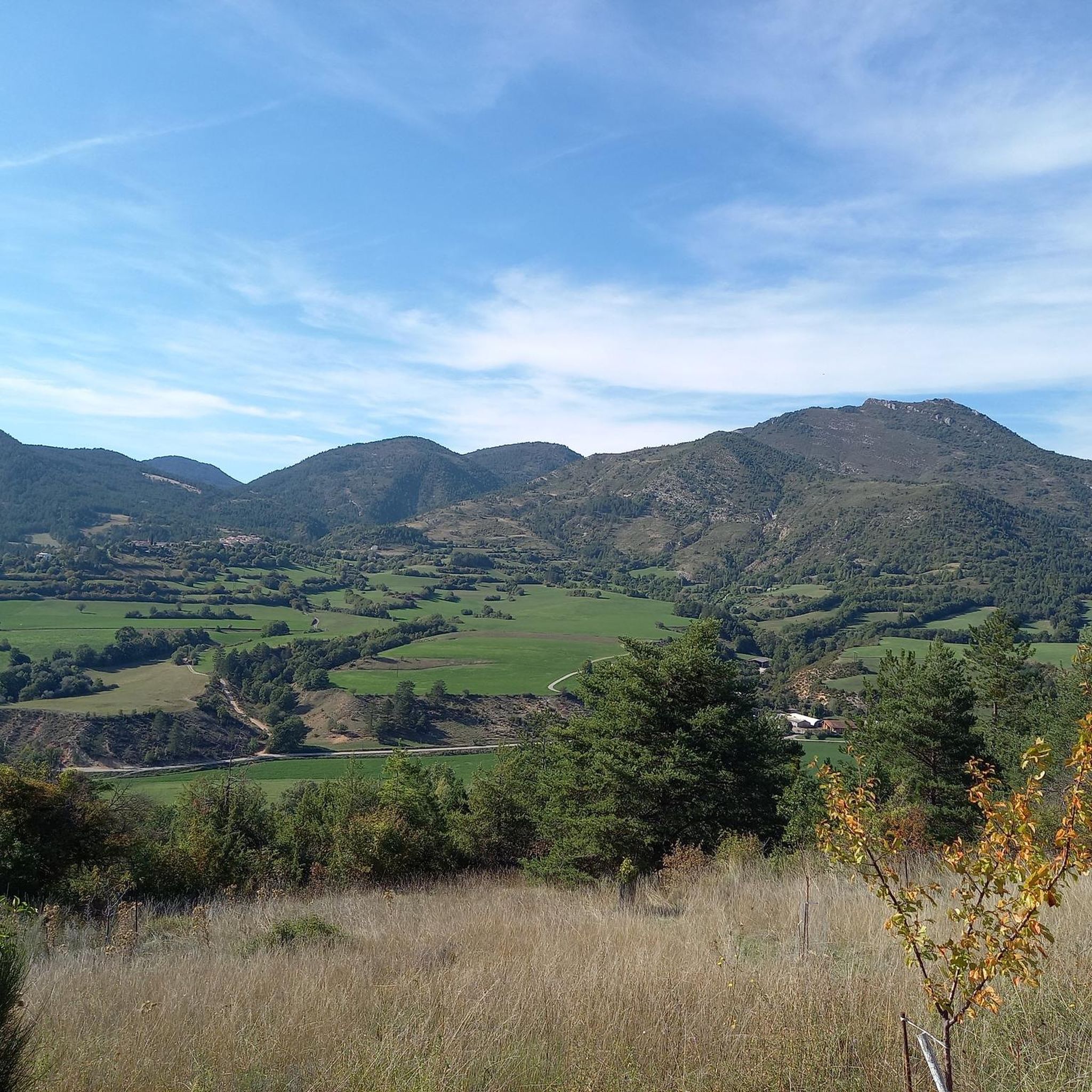
Best attractions and places to see around Saint-Jacques are concentrated in a region known for its natural features and geological significance. This area, particularly in Alpes-de-Haute-Provence, France, is characterized by mountain passes and fossil-rich sites. It offers a blend of natural landscapes and cultural points of interest. The region provides opportunities to explore geological history and outdoor environments.
Best attractions and places to see around Saint-Jacques
- The most popular attractions is Col du Défens (1,230 m), a mountain pass that features a good quality road with minimal traffic and scenic views. It is known for its accessible climb on both sides.
- Another must-see spot is Sentinel of the Asse – Andy Goldsworthy, a man-made monument. This egg-shaped sculpture is a work by Andy Goldsworthy, part of the "Refuge d’art" route through the National Geological Nature Reserve of Haute-Provence.
- Visitors also love Barrême, a settlement rich in fossiliferous sites. The village gives its name to the Barrêmian period, and its fountains contain ammonite fossils.
- Saint-Jacques is known for its mountain passes, geological sites, and unique art installations. The region offers a variety of attractions to see and explore, from natural landscapes to historical villages.
- The attractions around Saint-Jacques are appreciated by the komoot community, with 21 upvotes and 13 photos shared.
Last updated: June 29, 2026
Col du Défens (1,230 m)
Highlight • Mountain Pass
Translated by Google •
Tip by

Barrême
Highlight • Settlement
Indeed the Barrêmian is a period of the secondary era very rich in ammonites. The concentration is such that some fountains in the village, you will see, are made up of these fossils.
The rich collection of paleontologists Marthe and Louis Maurel can be admired in the natural history museum located in the town hall of the village.
For fans of more contemporary stories, know that Napoleon Bonaparte spent the night in the village on March 4, 1815.
Translated by Google •
Tip by

Sign up now to discover places like this
Get recommendations on the best single tracks, peaks, & plenty of other exciting outdoor places.
Sign up for free
Sentinel of the Asse – Andy Goldsworthy
Highlight • Monument
“It is the top of the cairn which brings the energy of the stone to its peak, just as it is in the keystone of an arch that all the energy is concentrated. »Andy Goldsworthy
Andy Goldsworthy's work and vision were the subject of a film entitled "Rivers and tides" which you can see here: dailymotion.com/video/x15e83f?playlist=x54l1y
or just the trailer: dailymotion.com/video/xjggqk?fbclid=IwAR2l_oUGJuU5sc5vLobLojCfRrBf3xa42fqjOKc-uL4DrOQomGKoypSHfWk
For more information on the “Refuge d’art” route: tourisme-alpes-haute-provence.com/refuge-art-andy-goldsworthy
Translated by Google •
Tip by

Col des Robines
Highlight • Mountain Pass
More information: fr.wikipedia.org/wiki/Col_des_Robines and alpenrouten.de/Robines-Col-des_point927.html
Translated by Google •
Tip by

Corobin Pass
Highlight • Mountain Pass
Arriving at this pass, take the time to breathe, a flat area then a slight descent over three kilometers towards the hamlet of La Clappe will help you. Then, return to the attack for 1.4 kilometers at an 8% average, taking the eight bends which will allow you to cross the summit of the Col du Corobin.
Translated by Google •
Tip by

Sign up for free to discover even more attractions around Saint-Jacques.
Sign up for free
Already have an account?
Start today with a free account
Your next adventure awaits.
Login or Signup
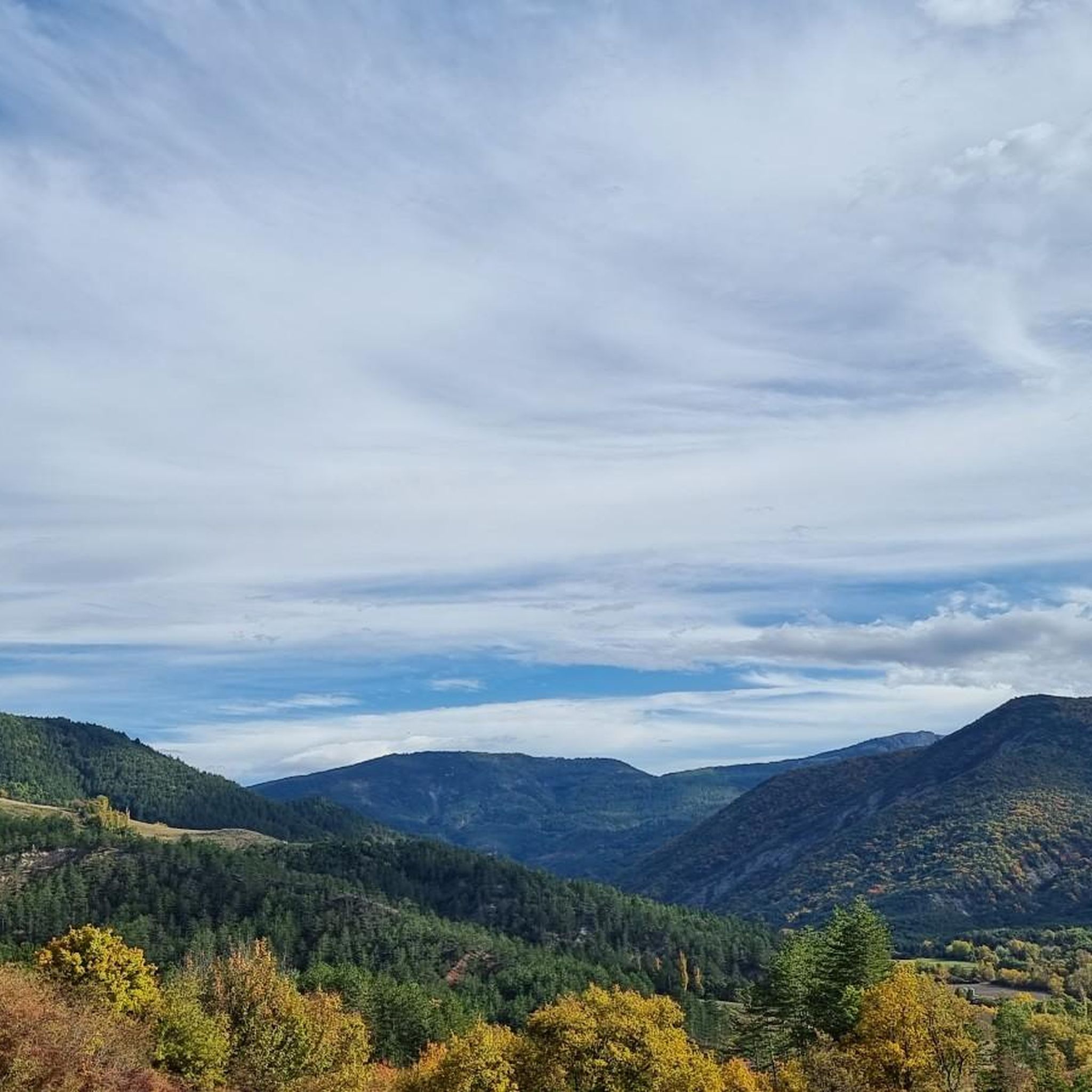
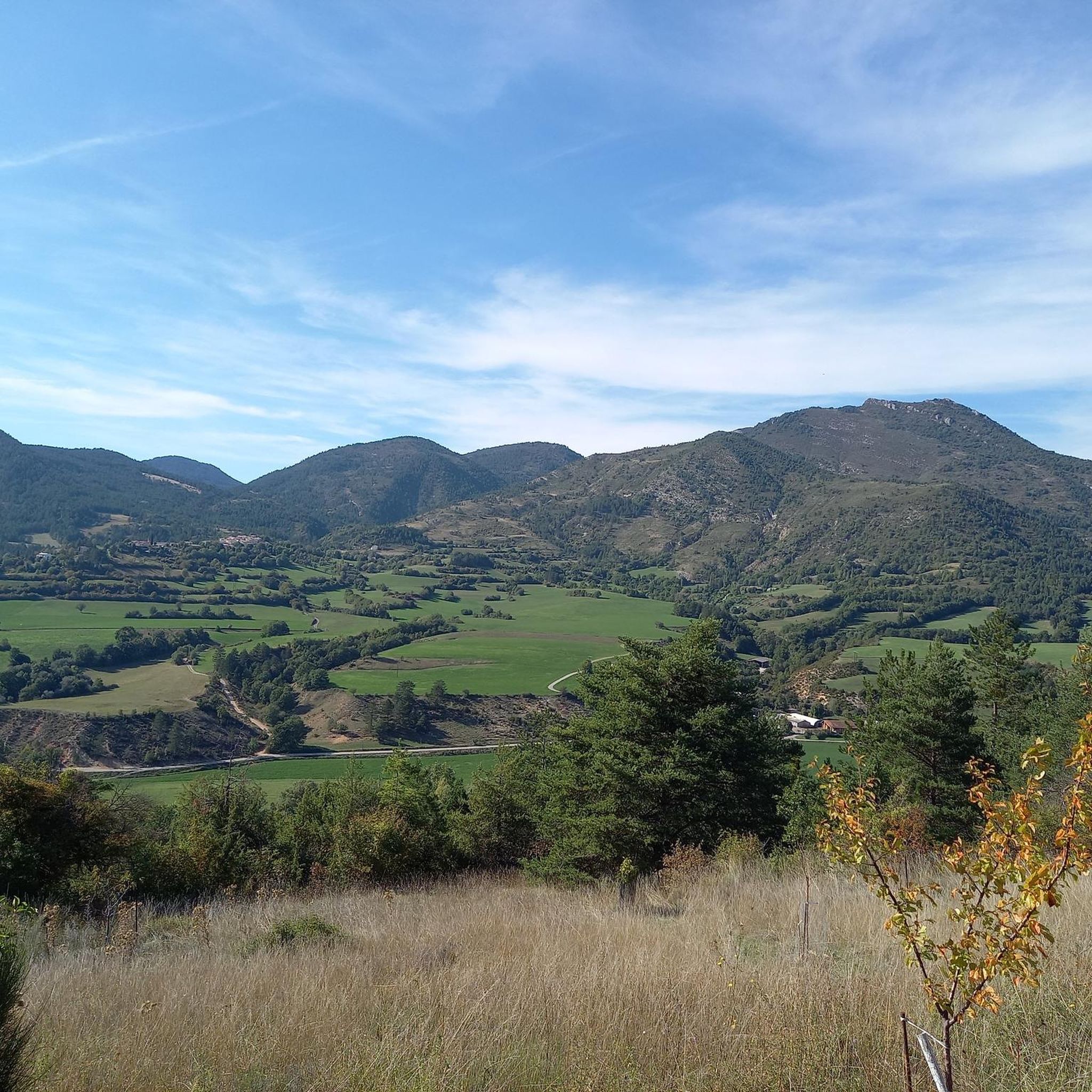
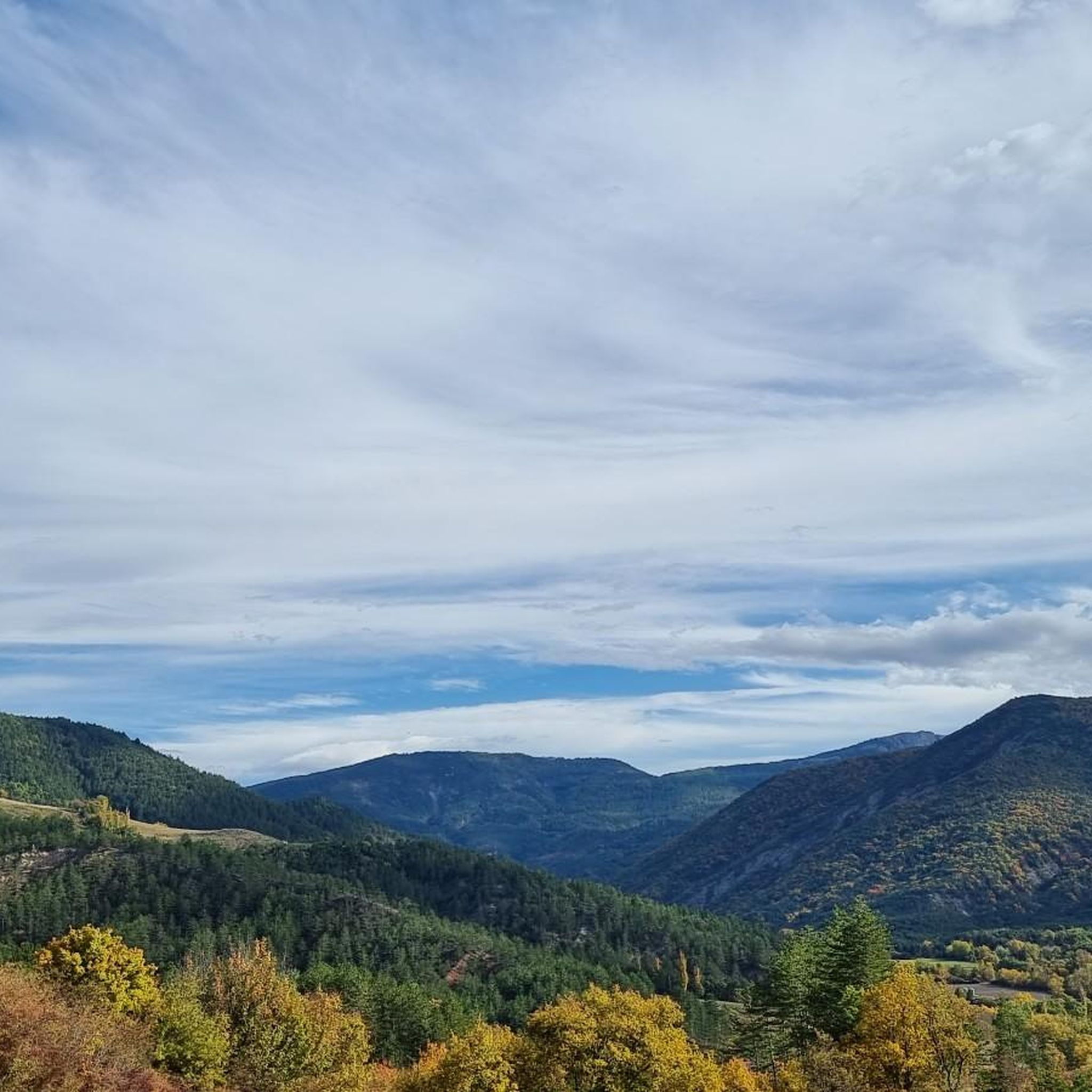
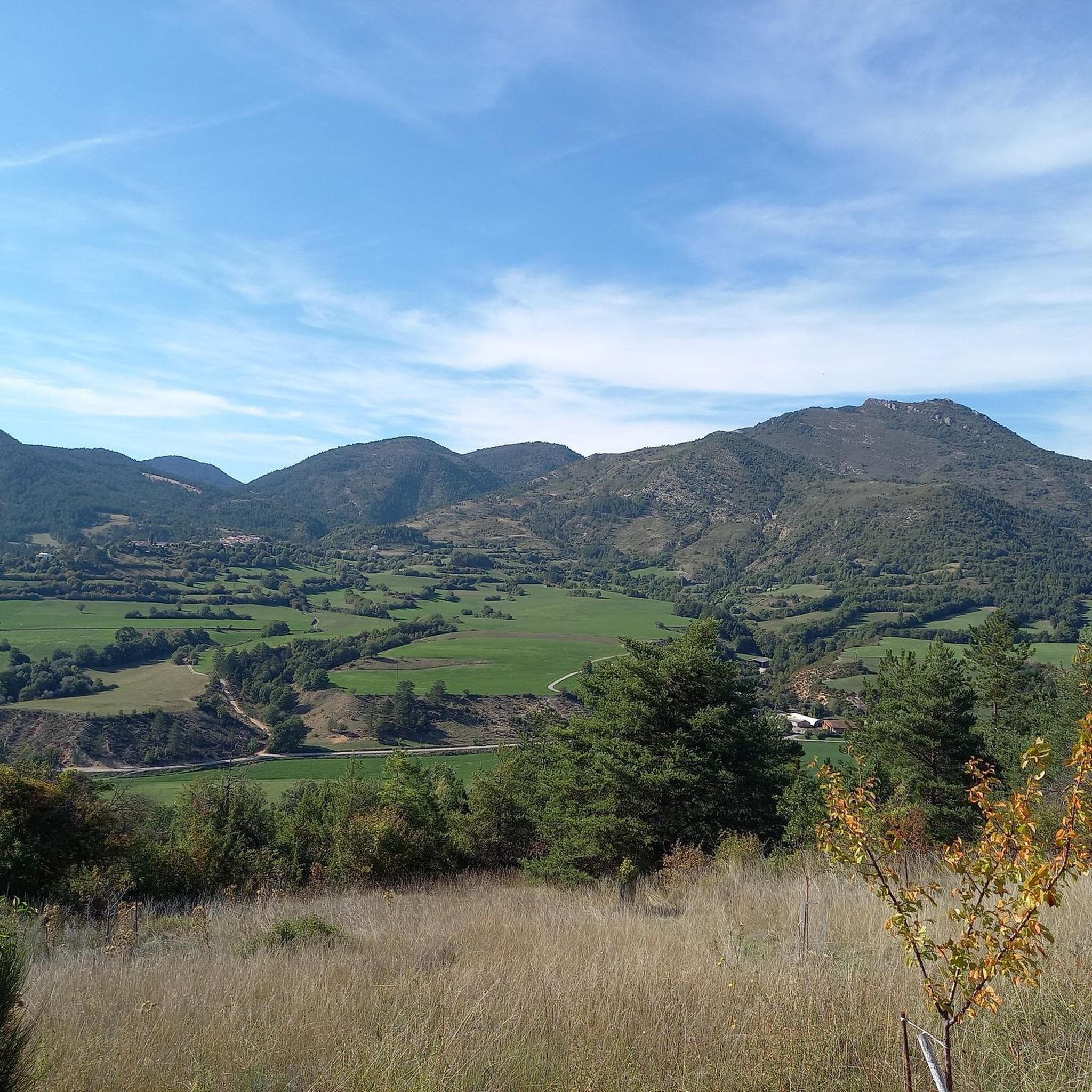
Tips from the Community

The southern slope, from Chaudon-Norante, is advertised at an average gradient of 6.6% for a length of about 8km. But the road has 4 or 5 flat sections over 150 or 200m, which means that in reality we are very often on slopes between 8 and 10%. This pass nevertheless remains accessible to any moderately trained cyclist and, the icing on the cake, it is reserved for cyclists at certain times during the summer. The view at the summit is magnificent.
0
0

Beautiful landscape, small road, only the last bends are strenuous.
3
0

The Col des Robines peaks at 988m and will allow you to climb to almost 1000m without making any effort because from Moriez you would have a slope of around 3km with a slope not exceeding 5% and on the Saint-André les Alpes side this will be shorter, around 1.5 km, but harder with an average of 6-7%. Be careful, however, of the often very heavy traffic on this pass because it is on the RN 202 which is HUGELY used almost all year round.
1
0

At the bend of a hairpin bend, this egg is a work of Andy Goldsworthy. This is one of the three “Sentinels” of the Refuge d’Art course; it represents the Asse valley.
1
0

The Col de Corobin from Chaudon-Norante is a climb in the Alpes de Haute Provence region. It has a length of 7.7 kilometers and an ascent of 535 vertical meters with an average gradient of 7%, which implies a difficulty level of 413. The top of the ascent is located at 1,220 meters above sea level. On the other hand, from Digne-les-Bains via Col de Pierre Basse, it is 14.6 kilometers long and climbs 650 vertical meters with an average gradient of 4.4%, which implies a difficulty level of 448.
2
0
The Corobin pass peaks at 1,211 meters. From Digne-les-Bains a fairly long slope of almost 16 kilometers awaits you. The first eight are pretty straightforward. You will cross the intermediate Col des Abeilles (710 meters). Secondly, you will see the slope steepen quite significantly over 3.3 kilometers at almost 9% on average to reach the second intermediate pass, that of Pierre Basse (1,065 meters). Arriving at this pass, take the time to breathe, a flat area then a slight descent over three kilometers towards the hamlet of La Clappe will help you. Then, return to the attack for 1.4 kilometers at an 8% average, taking the eight bends which will allow you to cross the summit of the Col du Corobin.
2
0

On the western slope, after going up the long Asse de Clumanc Valley from Barrême, the difficulties really begin in Tartonne with a first ramp of 1.5 km at 6.5%. Then after a small flat area comes a nice final of 2.6 km where the slope will be around 7%. On this side you can see one of Andy Goldsworthy's sentinels, an ovoid-shaped cairn placed at the side of the road as part of an artistic trail created by this renowned artist practicing land art. On the eastern slope, nothing very complicated until Lambruisse with 5 km where the hardest passage will not exceed 4.5%. On the other hand, things become tougher with the final including 1.8 km at 6.5% on average, but the last 350 meters are at 8.5%. The road is very beautiful and quiet on both sides. This pass is enchanting.
2
0
This strange construction which sits in one of the bends of the Col du Défens is in reality a work by Andy Goldsworthy, a major figure in land art. It is part of the route entitled “Refuge d’art” which offers a 150 kilometer hike, imagined and created by the British artist through the National Geological Nature Reserve of Haute-Provence. This artistic itinerary, original and unique in Europe, combining contemporary art, hiking and rural heritage, includes ten works scattered throughout the Dignois region. Among them, three ovoid stone cairns, designated as “Sentinels”, one for each of the three valleys of the Haute-Provence Geological Reserve. Besides this one which represents the Asse valley, you can find another sentinel in the Clue de Barles, at the edge of the road at the foot of the cliff, representing the Bès valley, and the third in the commune of Authon in the Vançon valley. “It is the top of the cairn which brings the energy of the stone to its peak, just as it is in the keystone of an arch that all the energy is concentrated. »Andy Goldsworthy Andy Goldsworthy's work and vision were the subject of a film entitled "Rivers and tides" which you can see here: https://www.dailymotion.com/video/x15e83f?playlist=x54l1y or just the trailer: https://www.dailymotion.com/video/xjggqk?fbclid=IwAR2l_oUGJuU5sc5vLobLojCfRrBf3xa42fqjOKc-uL4DrOQomGKoypSHfWk For more information on the “Refuge d’art” route: https://www.tourisme-alpes-haute-provence.com/refuge-art-andy-goldsworthy/
3
1
Frequently Asked Questions
What kind of natural landscapes can I explore around Saint-Jacques?
The region around Saint-Jacques is rich in natural features, particularly known for its mountain passes and geological significance within the Haute-Provence Geopark. You can explore scenic routes like Col du Défens (1,230 m), Corobin Pass, and Col des Robines. The area also features fossil-rich sites and is close to natural attractions like Barrage de Castillon, Lac de Castillon, and the Gorges du Verdon.
Are there any unique art installations or cultural sites to visit?
Yes, you can discover the unique land art sculpture, Sentinel of the Asse – Andy Goldsworthy. This egg-shaped monument is part of the "Refuge d’art" route, an artistic itinerary combining contemporary art, hiking, and rural heritage across the National Geological Nature Reserve of Haute-Provence. Additionally, the nearby village of Barrême offers a natural history museum with fossil collections and historical significance, including a night spent by Napoleon Bonaparte.
What outdoor activities are available near Saint-Jacques?
The area around Saint-Jacques is ideal for various outdoor activities. You can find numerous trails for hiking, horse riding, and rock climbing. For more structured routes, there are dedicated guides for running trails, cycling routes, and MTB trails, offering options from moderate to difficult.
Are there any family-friendly attractions in the region?
The village of Barrême is considered family-friendly, particularly for its natural history museum showcasing fossil collections. Exploring the fossil-rich fountains in the village can also be an engaging activity for families. The natural landscapes and accessible mountain passes like Col du Défens (1,230 m) offer scenic drives and gentle walks suitable for various ages.
What makes the mountain passes around Saint-Jacques special?
The mountain passes around Saint-Jacques offer diverse experiences. Col du Défens (1,230 m) is praised for its good quality road, minimal traffic, and magnificent scenery, with an accessible climb from both sides. Corobin Pass provides a scenic climb and can be used to avoid the busier Route Napoleon. Col des Robines, located on the N202 (Route Napoleon), offers another picturesque route, though it can experience heavy traffic.
What is the best time to visit Saint-Jacques for outdoor activities?
The region is generally enjoyable for outdoor activities during spring, summer, and early autumn when the weather is mild and trails are clear. For hiking and cycling, these seasons offer the best conditions to explore the mountain passes and natural sites. Winter can bring snow to higher elevations, making it suitable for specific winter sports if available, but less ideal for general hiking or cycling.
What is the significance of Barrême?
Barrême is a village of significant geological and historical importance. It is an eponymous site, giving its name to the Barrêmian period, a very ancient, ammonite-rich era of Earth's history. You can see these fossils embedded in some of the village's fountains. The village also houses a natural history museum with extensive collections from paleontologists Marthe and Louis Maurel, and notably, Napoleon Bonaparte spent a night here in 1815.
Are there any long-distance routes or trails that pass through the area?
Yes, the "Refuge d’art" route, an artistic itinerary imagined by Andy Goldsworthy, is a 150-kilometer hike that passes through the National Geological Nature Reserve of Haute-Provence. The Sentinel of the Asse – Andy Goldsworthy is one of ten works scattered along this unique route, combining contemporary art, hiking, and rural heritage.
What do visitors particularly enjoy about the attractions around Saint-Jacques?
Visitors appreciate the stunning natural beauty and the tranquility of the region. The mountain passes like Col du Défens (1,230 m) are often highlighted for their magnificent scenery and low traffic, making for pleasant drives or rides. The unique blend of geological history, as seen in Barrême, and contemporary art, like the Sentinel of the Asse, also adds a distinctive charm to the area.
Can I find challenging cycling routes near Saint-Jacques?
Absolutely. The region offers several challenging cycling routes, often involving significant climbs over the mountain passes. For instance, the cycling guide for Saint-Jacques includes difficult routes such as the "Lavender near Chaffaut – Col de Pierre Basse loop" and the "Castillon Dam – Castellane loop," which cover long distances and considerable elevation changes.
Are there opportunities for mountain biking around Saint-Jacques?
Yes, mountain biking is a popular activity in the area. The MTB Trails around Saint-Jacques guide features routes like "Le Tour de Lieye − Réserve Naturelle Nationale Géologique de Haute Provence" and longer, more challenging loops such as "Le Chiran – Le Chiran (1,905 m) loop from Senez," offering diverse terrain for mountain bikers.
What kind of historical sites can I find in the region?
Beyond the geological history, the region offers glimpses into its past through local heritage. The village of Barrême, for example, has a connection to Napoleon Bonaparte. More broadly, the Alpes-de-Haute-Provence region features various monuments like churches, old abbeys, historic houses, and castles, reflecting its rich cultural heritage.

Get inspired with the komoot mobile app


Explore more
Still not found the Highlight you’re looking for? See guides of the top attractions in other regions:
