Attractions and Places To See around Saint-Lions - Top 20
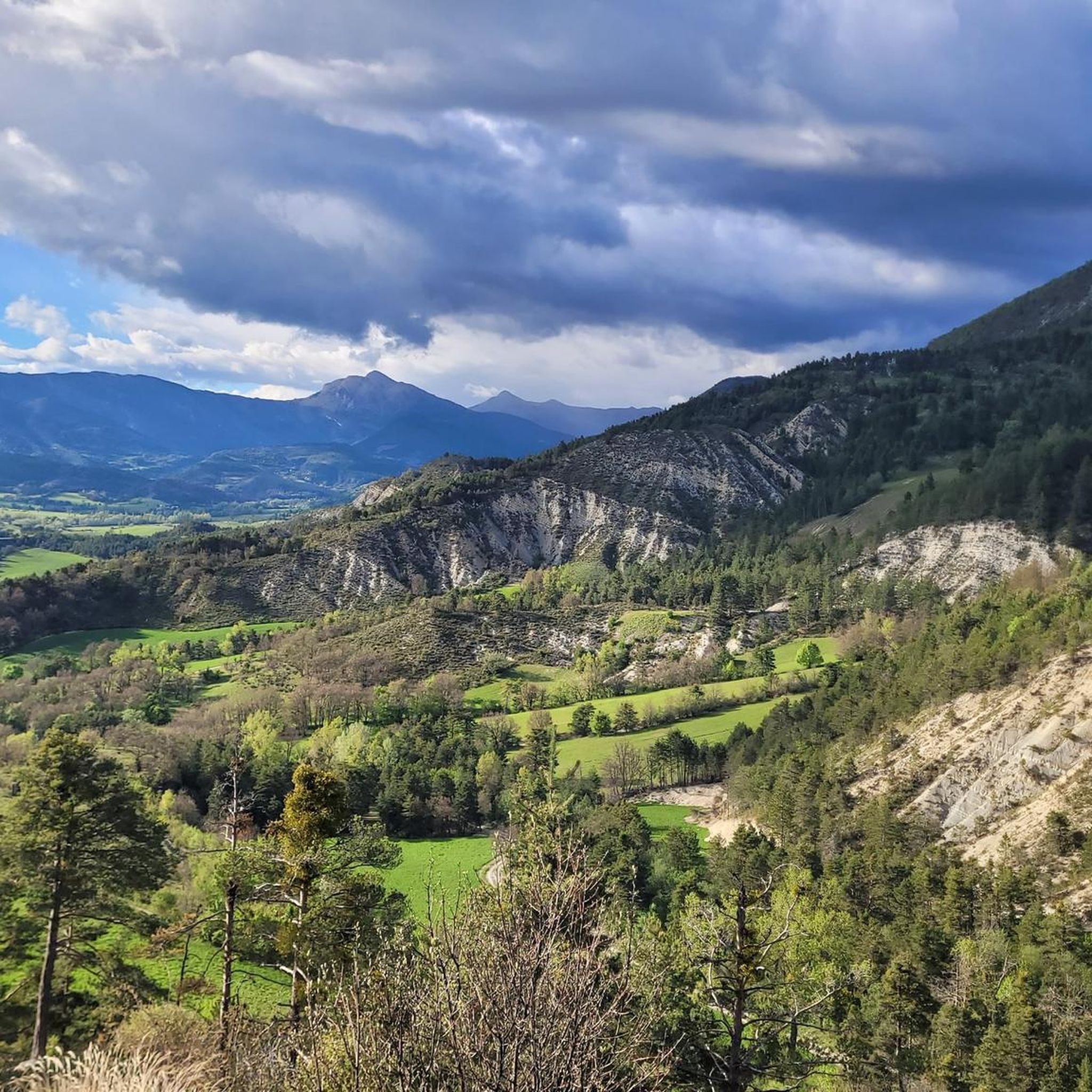
Attractions and places to see around Saint-Lions are primarily found within the natural landscapes of the Alpes-de-Haute-Provence. This region features notable mountain passes, a large lake, and unique land art installations. It is situated within a geologically rich area, offering diverse points of interest for outdoor exploration.
Best attractions and places to see around Saint-Lions
- The most popular attractions is Lake Castillon, a lake known for its azure waters and scenic views. It is a reservoir suitable for cooling…
Last updated: July 6, 2026
Col du Défens (1,230 m)
Highlight • Mountain Pass
Translated by Google •
Tip by

Barrême
Highlight • Settlement
Translated by Google •
Tip by

Sign up now to discover places like this
Get recommendations on the best single tracks, peaks, & plenty of other exciting outdoor places.
Sign up for free
Sentinel of the Asse – Andy Goldsworthy
Highlight • Monument
Translated by Google •
Tip by

Lake Castillon
Highlight • Lake
This lake with azure waters is perfect for cooling off.
Translated by Google •
Tip by

Col des Robines
Highlight • Mountain Pass
More information: fr.wikipedia.org/wiki/Col_des_Robines and alpenrouten.de/Robines-Col-des_point927.html
Translated by Google •
Tip by

Sign up for free to discover even more attractions around Saint-Lions.
Sign up for free
Already have an account?
Start today with a free account
Your next adventure awaits.
Login or Signup
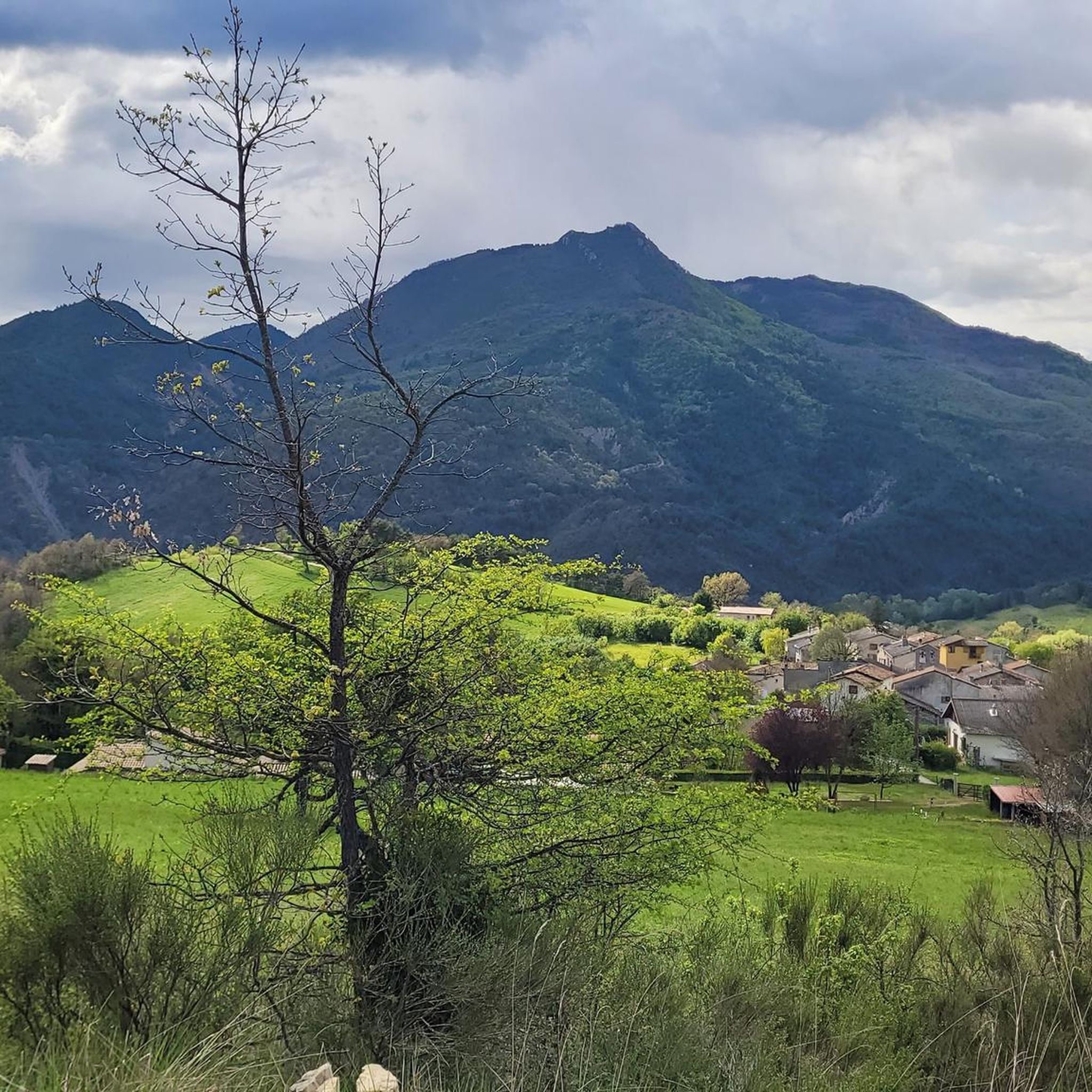
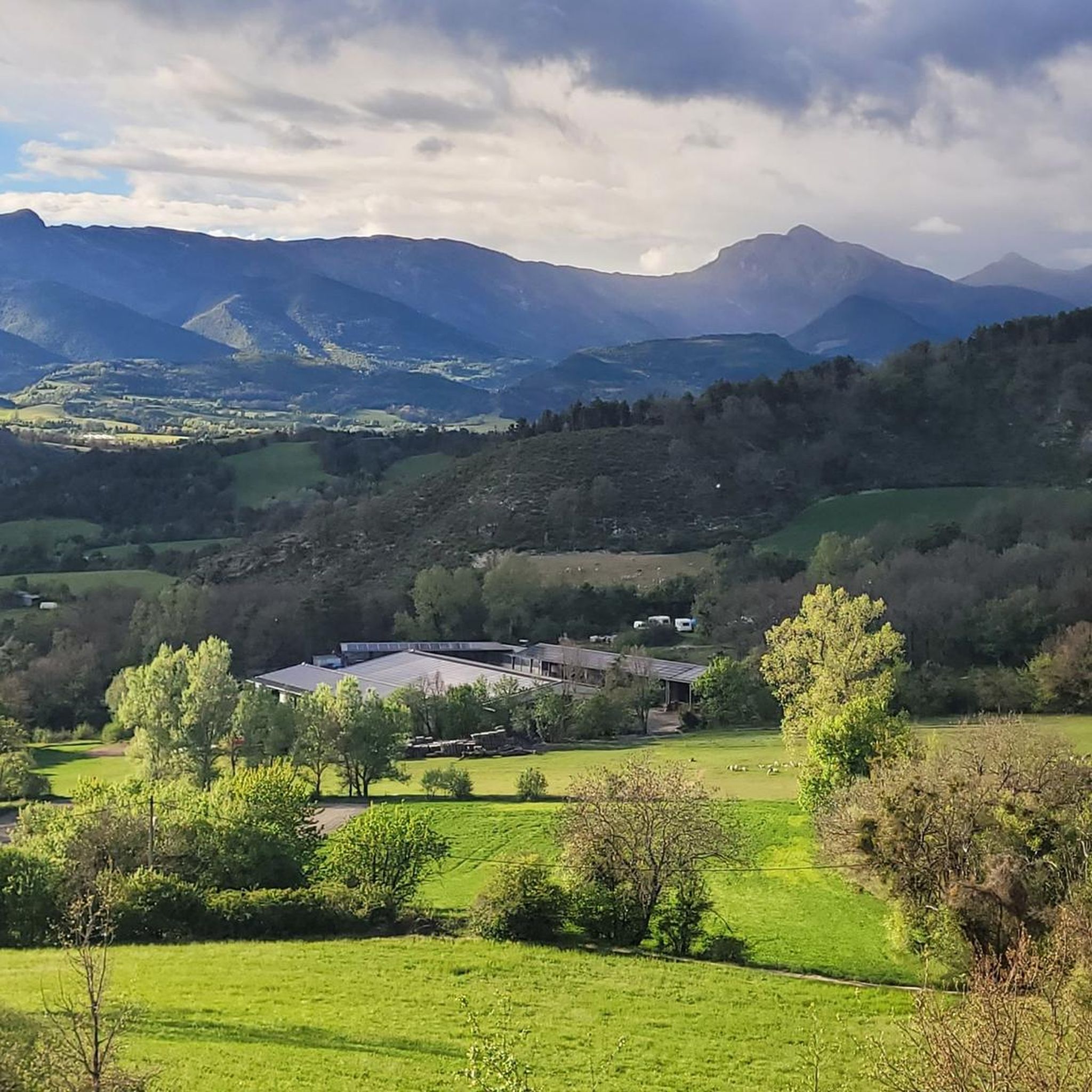
Tips from the Community

Beautiful bike ride right along the lake. Make sure to stop in Saint-Julien-du Verdon and enjoy a cool drink down by the lake. There is also a small snack bar if you get a little hungry.
0
0

Beautiful landscape, small road, only the last bends are strenuous.
3
0

The Col des Robines peaks at 988m and will allow you to climb to almost 1000m without making any effort because from Moriez you would have a slope of around 3km with a slope not exceeding 5% and on the Saint-André les Alpes side this will be shorter, around 1.5 km, but harder with an average of 6-7%. Be careful, however, of the often very heavy traffic on this pass because it is on the RN 202 which is HUGELY used almost all year round.
1
0

At the bend of a hairpin bend, this egg is a work of Andy Goldsworthy. This is one of the three “Sentinels” of the Refuge d’Art course; it represents the Asse valley.
1
0
Lake Castillon results from a water reservoir at the Cheiron hill. When the dam was installed, water engulfed the village of Castillon and the Saint-Julien bridge. This lake with azure waters is perfect for cooling off.
4
0

On the western slope, after going up the long Asse de Clumanc Valley from Barrême, the difficulties really begin in Tartonne with a first ramp of 1.5 km at 6.5%. Then after a small flat area comes a nice final of 2.6 km where the slope will be around 7%. On this side you can see one of Andy Goldsworthy's sentinels, an ovoid-shaped cairn placed at the side of the road as part of an artistic trail created by this renowned artist practicing land art. On the eastern slope, nothing very complicated until Lambruisse with 5 km where the hardest passage will not exceed 4.5%. On the other hand, things become tougher with the final including 1.8 km at 6.5% on average, but the last 350 meters are at 8.5%. The road is very beautiful and quiet on both sides. This pass is enchanting.
2
0
This strange construction which sits in one of the bends of the Col du Défens is in reality a work by Andy Goldsworthy, a major figure in land art. It is part of the route entitled “Refuge d’art” which offers a 150 kilometer hike, imagined and created by the British artist through the National Geological Nature Reserve of Haute-Provence. This artistic itinerary, original and unique in Europe, combining contemporary art, hiking and rural heritage, includes ten works scattered throughout the Dignois region. Among them, three ovoid stone cairns, designated as “Sentinels”, one for each of the three valleys of the Haute-Provence Geological Reserve. Besides this one which represents the Asse valley, you can find another sentinel in the Clue de Barles, at the edge of the road at the foot of the cliff, representing the Bès valley, and the third in the commune of Authon in the Vançon valley. “It is the top of the cairn which brings the energy of the stone to its peak, just as it is in the keystone of an arch that all the energy is concentrated. »Andy Goldsworthy Andy Goldsworthy's work and vision were the subject of a film entitled "Rivers and tides" which you can see here: https://www.dailymotion.com/video/x15e83f?playlist=x54l1y or just the trailer: https://www.dailymotion.com/video/xjggqk?fbclid=IwAR2l_oUGJuU5sc5vLobLojCfRrBf3xa42fqjOKc-uL4DrOQomGKoypSHfWk For more information on the “Refuge d’art” route: https://www.tourisme-alpes-haute-provence.com/refuge-art-andy-goldsworthy/
3
1

The ascent of the Col du Défens is on a good quality road with very little traffic, beautiful scenery and an easy climb on both sides. The icing on the cake is an egg-shaped sculpture by Andy Goldworthy that you will come across at some point.
1
0
Frequently Asked Questions
What natural features can I explore around Saint-Lions?
The region around Saint-Lions, situated in the Alpes-de-Haute-Provence, is rich in natural landscapes. You can visit Lake Castillon, known for its azure waters and scenic views, ideal for cooling off or bike rides. There are also several mountain passes like Col du Défens (1,230 m) and Col des Robines, offering magnificent scenery and accessible climbs.
Are there any unique art installations or cultural landmarks in the Saint-Lions area?
Yes, a notable cultural landmark is the Sentinel of the Asse – Andy Goldsworthy. This egg-shaped sculpture is a unique land art installation by Andy Goldsworthy, forming part of the "Refuge d’art" route through the National Geological Nature Reserve of Haute-Provence. It represents the Asse valley and is one of three such 'Sentinels' in the region.
What kind of historical sites can I visit near Saint-Lions?
The small village of Barrême is particularly rich in historical and geological significance. It's an eponymous site for the Barrêmian period, known for its abundant ammonite fossils, which can even be seen in some village fountains. The natural history museum in the town hall houses a rich collection of paleontological finds. Historically, Napoleon Bonaparte spent a night in Barrême on March 4, 1815.
What outdoor activities, like hiking or cycling, are available around Saint-Lions?
The Saint-Lions area offers a variety of outdoor activities. For hiking, you can explore routes like the 'Lake Castillon – Sentier des Pêcheurs loop' or 'Trou de Chalvet loop'. Road cycling enthusiasts can tackle routes such as 'Lac de Castillon - Haute-Provence Geological National Nature Reserve' or 'Col du Défens (1,230 m) – Barrême loop'. Mountain biking trails include 'Le Tour de Lieye' and 'Le Chiran'. You can find more details on these activities at the Hiking around Saint-Lions, Road Cycling Routes around Saint-Lions, and MTB Trails around Saint-Lions guide pages.
Are there family-friendly attractions or activities near Saint-Lions?
While specific family-focused attractions are not detailed, the village of Barrême, with its natural history museum and fossil displays, can be an engaging visit for families interested in geology. Additionally, the calm waters of Lake Castillon provide opportunities for cooling off and easy bike rides along its shores, which can be suitable for families.
When is the best time of year to visit Saint-Lions for outdoor activities?
The Alpes-de-Haute-Provence region generally offers pleasant conditions for outdoor activities from spring through autumn. For hiking and cycling, the milder temperatures of late spring, summer, and early autumn are ideal. The region's mountain passes and lake activities are best enjoyed when the weather is warm and stable.
What are the options for hiking trails around Saint-Lions?
There are various hiking trails around Saint-Lions, catering to different difficulty levels. Options include moderate routes like the 'Lake Castillon – Sentier des Pêcheurs loop' (10.5 km) and 'Trou de Chalvet loop' (12.2 km). For easier walks, consider the 'Sentier des Pêcheurs loop' (4.8 km) or 'St.André les Alpes loop' (6 km). More hiking routes can be found on the Hiking around Saint-Lions guide page.
Can I find dog-friendly trails in the Saint-Lions region?
While specific dog-friendly trail designations are not provided in the data, many natural trails in the Alpes-de-Haute-Provence are generally accessible for dogs, especially if kept on a leash. It's always advisable to check local regulations or signage at trailheads for any specific restrictions in protected areas or nature reserves.
Where can I find amenities like cafes or restaurants near Saint-Lions?
The village of Barrême, a short distance from Saint-Lions, is a good place to find amenities. It offers a natural history museum and, as a small village, likely has local shops, cafes, or restaurants. Additionally, near Lake Castillon, you can find snack bars, particularly in areas like Saint-Julien-du Verdon, perfect for a cool drink or a bite to eat after activities.
How can I get to the attractions around Saint-Lions, and what are the parking options?
Access to attractions around Saint-Lions primarily involves driving, as many are within natural landscapes. Mountain passes like Col du Défens feature good quality roads with minimal traffic, suggesting parking availability at viewpoints or trailheads. For villages like Barrême, village parking is typically available. Public transport options to Saint-Lions itself are limited, making a car the most convenient way to explore the region's scattered attractions.
What do visitors particularly enjoy about the attractions near Saint-Lions?
Visitors frequently praise the magnificent scenery and the tranquility of the region. For instance, the Col du Défens is loved for its good quality road, very little traffic, and accessible climb. Lake Castillon is appreciated for its beautiful azure waters and the opportunity for scenic bike rides. The unique land art installation, Sentinel of the Asse, also captures visitors' interest as a blend of art and nature.
Are there any mountain passes worth exploring for scenic views or cycling?
Absolutely. The region is known for its mountain passes. Col du Défens (1,230 m) is a popular choice, offering a good quality road, minimal traffic, and magnificent scenery, making it excellent for cycling. Another pass, Col des Robines (988m), is located on the N202 and provides a different route with varying gradients for cyclists.
What is the geological significance of the Saint-Lions region?
The Saint-Lions area is situated within a geologically rich region, notably part of the National Geological Nature Reserve of Haute-Provence. The village of Barrême is a prime example, being an eponymous site for the Barrêmian period, characterized by abundant ammonite fossils. This geological heritage offers unique insights into ancient life on Earth, with a natural history museum in Barrême showcasing these finds.
Most popular attractions around Saint-Lions

Get inspired with the komoot mobile app


Explore more
Still not found the Highlight you’re looking for? See guides of the top attractions in other regions:
