Attractions and Places To See around Meslay-Le-Vidame - Top 9
Attractions around Meslay-Le-Vidame include historical landmarks and natural features within a rural setting. This commune in Eure-et-Loir, France, is characterized by agricultural plains and woodlands. The area offers a tranquil environment with a rich historical heritage, including notable castles and a neoclassical church. It provides opportunities for exploring local scenery and historical sites.
Best attractions and places to see around Meslay-Le-Vidame
- The most popular attractions is Alluyes Castle, a castle that dates back to the 12th century. Its imposing tower was present from the beginning, and the Saint-Nicolas chapel is known for its Gothic decorations.
- Another must-see spot is Château des Boulard, a castle built in 1768 and extended a century later. It was restored after 2004 and is surrounded by a 22-hectare park that houses wallabies and other animals.
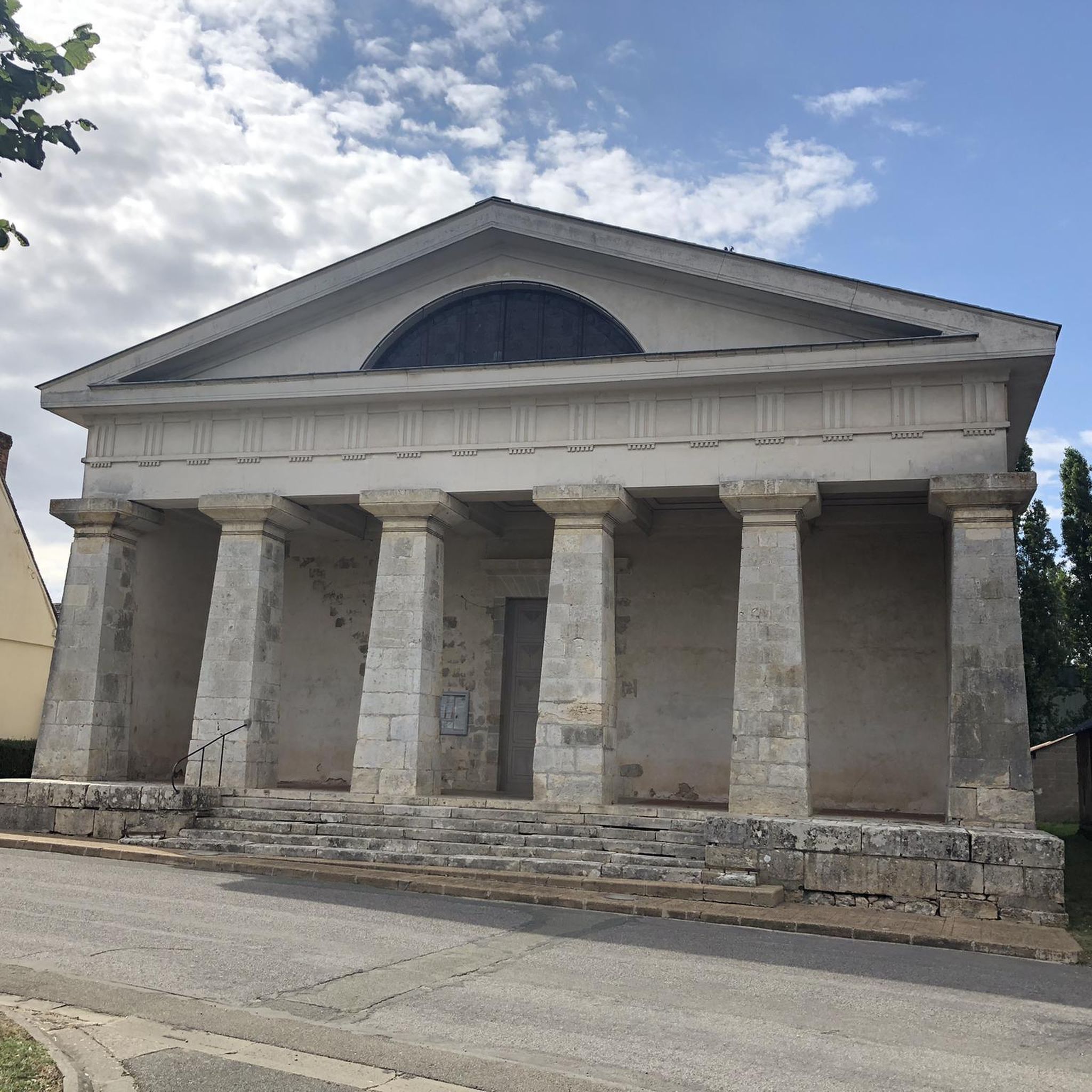
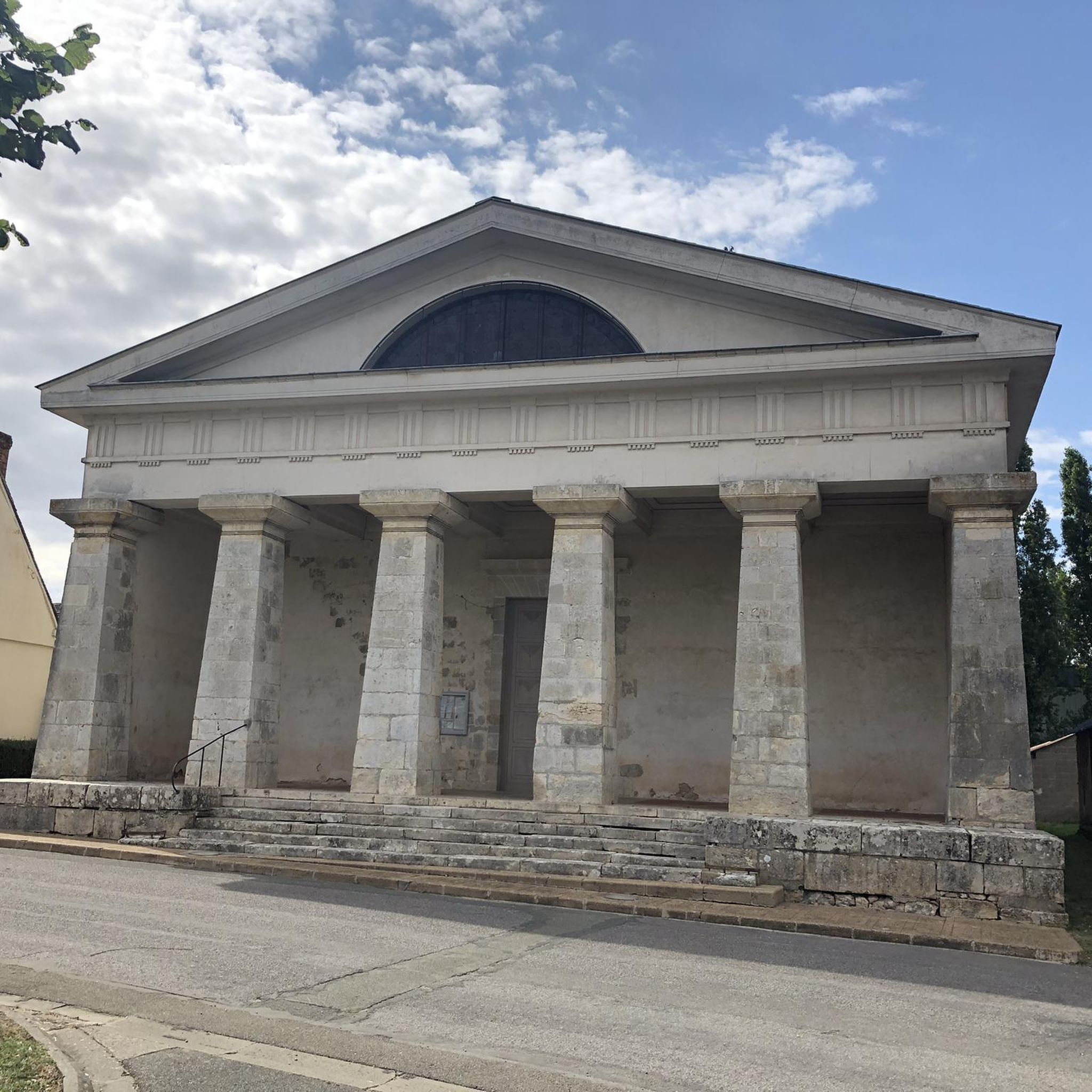
- Visitors also love Saint-Étienne Church of Meslay-le-Vidame, a religious building rebuilt between 1810 and 1816. This church is an example of neoclassical style, with a facade featuring a peristyle supported by six pyramidal stone pilasters.
- Meslay-Le-Vidame is known for its historical castles, religious buildings, and rural landscapes. The area offers a variety of attractions to see and explore, from ancient architecture to natural settings.
- The attractions around Meslay-Le-Vidame are appreciated by the komoot community, with 11 upvotes and 4 photos shared.
Last updated: May 11, 2026
Château des Boulard
Highlight • Castle
The castle was bought in 2004 by the Boulard family who restored it. Since then, it is possible to rent it for seminars or weddings.
A 22-hectare park surrounds two guest rooms and is home to wallabies and some unusual animals.
Translated by Google •
Tip by

Alluyes Castle
Highlight • Castle
Translated by Google •
Tip by

Sign up now to discover places like this
Get recommendations on the best single tracks, peaks, & plenty of other exciting outdoor places.
Sign up for free
Saint-Étienne Church of Meslay-le-Vidame
Highlight • Religious Site
Translated by Google •
Tip by

Saint-Barthélemy Church of Theuville
Highlight • Religious Site
Translated by Google •
Tip by

Saint-Loup Church of La Bourdinière-Saint-Loup
Highlight • Religious Site
Translated by Google •
Tip by

Sign up for free to discover even more attractions around Meslay-Le-Vidame.
Sign up for free
Already have an account?
Start today with a free account
Your next adventure awaits.
Login or Signup
Popular around Meslay-Le-Vidame

Tips from the Community

This church in Meslay-Le-Vidame, whose architecture reflects the formal language of antiquity, was dedicated to the patron saint of Saint Etienne. He was one of the first seven deacons of the original Jerusalem church and, according to the biblical accounts in the New Testament, the first martyr (martyr) of early Christianity. The church commemorates his death on Boxing Day, December 26th. As the Acts of the Apostles recounts: When Stephen recounted his vision of the open heavens, "And he, full of the Holy Spirit, looked up into heaven and saw the glory of God, and Jesus standing at the right hand of God" (Chapter 7, Verse 55), the people were so outraged that they drove him out of the city and stoned him.
0
0

Saint Loup originally only had a chapel dating from 1270 which served as a place of pilgrimage, placed under the names of Saint Loup and Saint Gilles. There was also a church that had become too dilapidated; only the renovated chapel was kept; this work was carried out in 1754. The stained glass windows were offered by Count de ROUSSY DE SALLE for each birth of his children. Even today, the church of Saint Loup houses a statue of Saint Gilles and a reliquary preserves a fragment of bone of Saint Loup which is generally venerated in September. Already at the time, pilgrims came to kneel and pray before these sacred remains, asking for healing or freedom from fear for their children.
0
0

This castle dates back to the 12th century, although some parts were added later. Its imposing tower was present from the beginning. As for the Saint Nicholas chapel, it is known for its Gothic decorations.
2
0

The lordship of Alluyes was, in the Middle Ages, the first of the five baronies of Perche-Gouêt. The keep dates from the 12th century. Between the fortified gate and the dungeon rises the old Saint-Nicolas chapel ending in a semi-circular apse. It was originally lit by four round arched windows. A wide cart door was cut into the west wall when the chapel was converted into a barn. The framework was redone at the end of the 15th and the beginning of the 16th century. The chapel received a shingled vault on which paintings were executed. source: monumentum
1
0
indeed, a monument to the dead and an unpretentious church, a story from another era.
1
0

Built in 1768, the castle was extended a century later, then used as a boarding school around the 1950s. The castle was bought in 2004 by the Boulard family who restored it. Since then, it is possible to rent it for seminars or weddings. A 22-hectare park surrounds two guest rooms and is home to wallabies and some unusual animals.
2
0

In the spring, behind the castle we saw the park and the kangaroos with their cubs
0
0
This church with the appearance of an ancient temple is a real curiosity that you must visit
1
0
Frequently Asked Questions
What historical castles can I visit around Meslay-le-Vidame?
You can explore several historical castles in the vicinity. The 12th-century Alluyes Castle features an imposing tower and a Saint-Nicolas chapel known for its Gothic decorations. Another option is Château des Boulard, built in 1768 and restored after 2004, which includes a 22-hectare park. While the historic Château de Meslay-le-Vidame is not publicly accessible, its history dates back to the 12th century.
Are there any notable churches or religious sites in the area?
Yes, the region is home to several significant religious buildings. The Saint-Étienne Church of Meslay-le-Vidame is a rare example of neoclassical architecture, rebuilt between 1810 and 1816 with a distinctive temple-like facade. You can also visit the Saint-Barthélemy Church of Theuville, a lesser-known but curious historical site, and the Saint-Loup Church of La Bourdinière-Saint-Loup, which houses a statue of Saint Gilles and a reliquary of Saint Loup, historically a pilgrimage site.
What kind of natural landscapes can I expect to see around Meslay-le-Vidame?
Meslay-le-Vidame is situated in a tranquil, rural area characterized by vast agricultural plains, primarily cereal fields, which make up about 80% of the cultivated land. The landscape also features pleasant woodlands and small watercourses, offering a serene environment for exploration. The region is part of Beauce, known for its expansive agricultural scenery.
Are there opportunities for cycling around Meslay-le-Vidame?
Absolutely. The rural setting around Meslay-le-Vidame is ideal for cycling. You can find various routes for different cycling styles, including touring, mountain biking, and road cycling. For detailed routes and guides, explore the Cycling around Meslay-le-Vidame, MTB Trails around Meslay-le-Vidame, and Road Cycling Routes around Meslay-le-Vidame guides.
Can I find hiking or walking routes near Meslay-le-Vidame?
Yes, the area offers possibilities for hiking and walking, allowing you to explore the local scenery and historical sites at a leisurely pace. While specific hiking guides are not listed, the rural roads and paths are suitable for walks. The cycling guides mentioned above often follow paths that can also be enjoyed on foot, providing a good starting point for exploring the countryside.
Are there family-friendly attractions around Meslay-le-Vidame?
For families, the Château des Boulard is a unique option, as its 22-hectare park is home to wallabies and other unusual animals, which can be an exciting experience for children. Additionally, the Saint-Loup Church of La Bourdinière-Saint-Loup is noted as family-friendly, offering a glimpse into local history and religious heritage.
What is the best time of year to visit Meslay-le-Vidame for outdoor activities?
Given its rural setting and emphasis on outdoor activities like cycling and walking, the spring and summer months (roughly April to September) are generally ideal. During these seasons, the weather is typically milder and more conducive to exploring the agricultural plains, woodlands, and historical sites comfortably.
What do visitors enjoy most about the attractions around Meslay-le-Vidame?
Visitors appreciate the well-preserved regional historical character and the tranquil rural environment. The unique neoclassical architecture of the Saint-Étienne Church is often highlighted as a curiosity. The historical significance of castles like Alluyes Castle and the restored charm of Château des Boulard also receive positive feedback, especially its unique animal park.
Is Meslay-le-Vidame well-connected to other towns or attractions?
Meslay-le-Vidame is located approximately 20 kilometers south of Chartres, making it accessible for those looking to explore the wider Eure-et-Loir region. Its proximity to Chartres allows for easy day trips to a larger city with more amenities and attractions, while still offering a peaceful base in the countryside.
What is the architectural significance of the Saint-Étienne Church of Meslay-le-Vidame?
The Saint-Étienne Church of Meslay-le-Vidame is an excellent and rare example of neoclassical style in the region. Rebuilt between 1810 and 1816, its design by Nicolas Jacques Vestier was inspired by Greek Doric temples. It features a facade with a peristyle supported by six pyramidal stone pilasters and a pediment. Uniquely, its bell tower is placed at the rear to maintain its classical temple silhouette, and the interior's chevet ends in a circular vaulted dome. It has been classified as a historical monument since 1967.
Are there any 'hidden gems' or lesser-known spots worth visiting?
While not widely publicized, the Saint-Barthélemy Church of Theuville is considered a curiosity not to be missed by those who appreciate local history and unpretentious charm. It offers a glimpse into another era and is a quiet, reflective spot away from more prominent attractions.

Get inspired with the komoot mobile app


Explore more
Still not found the Highlight you’re looking for? See guides of the top attractions in other regions:
