The best cycling routes around Astaffort
4.7
(71)
608
riders
47
rides
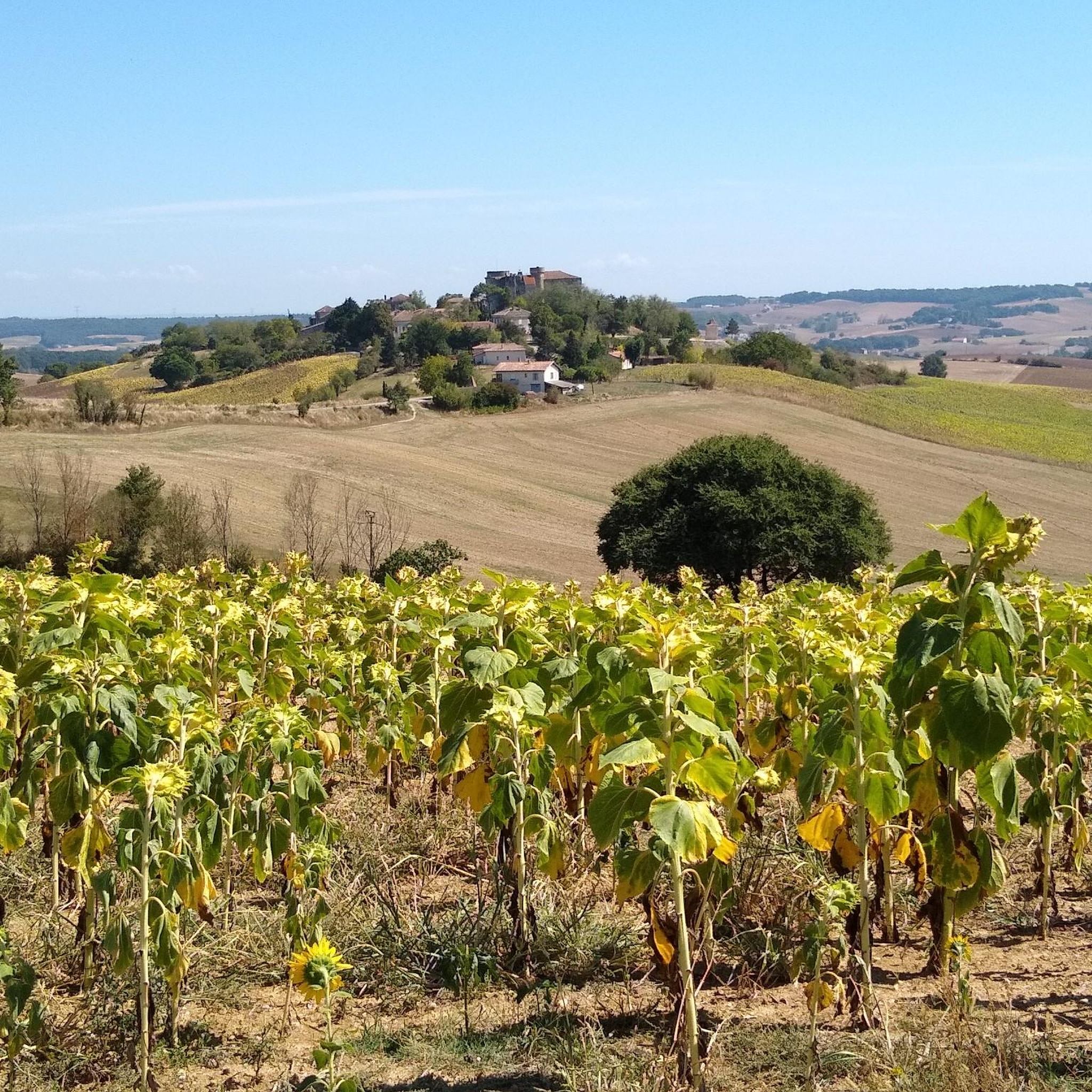
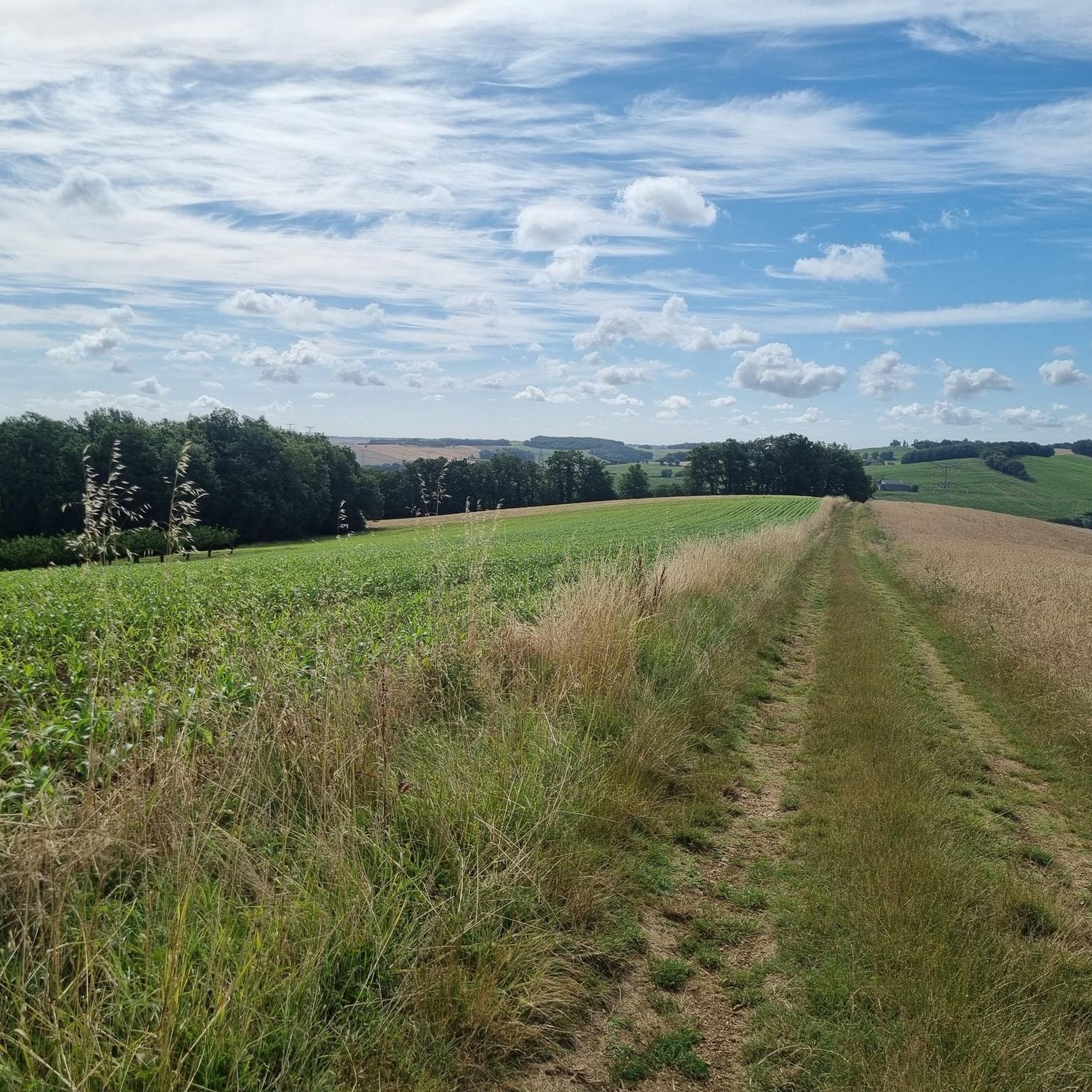
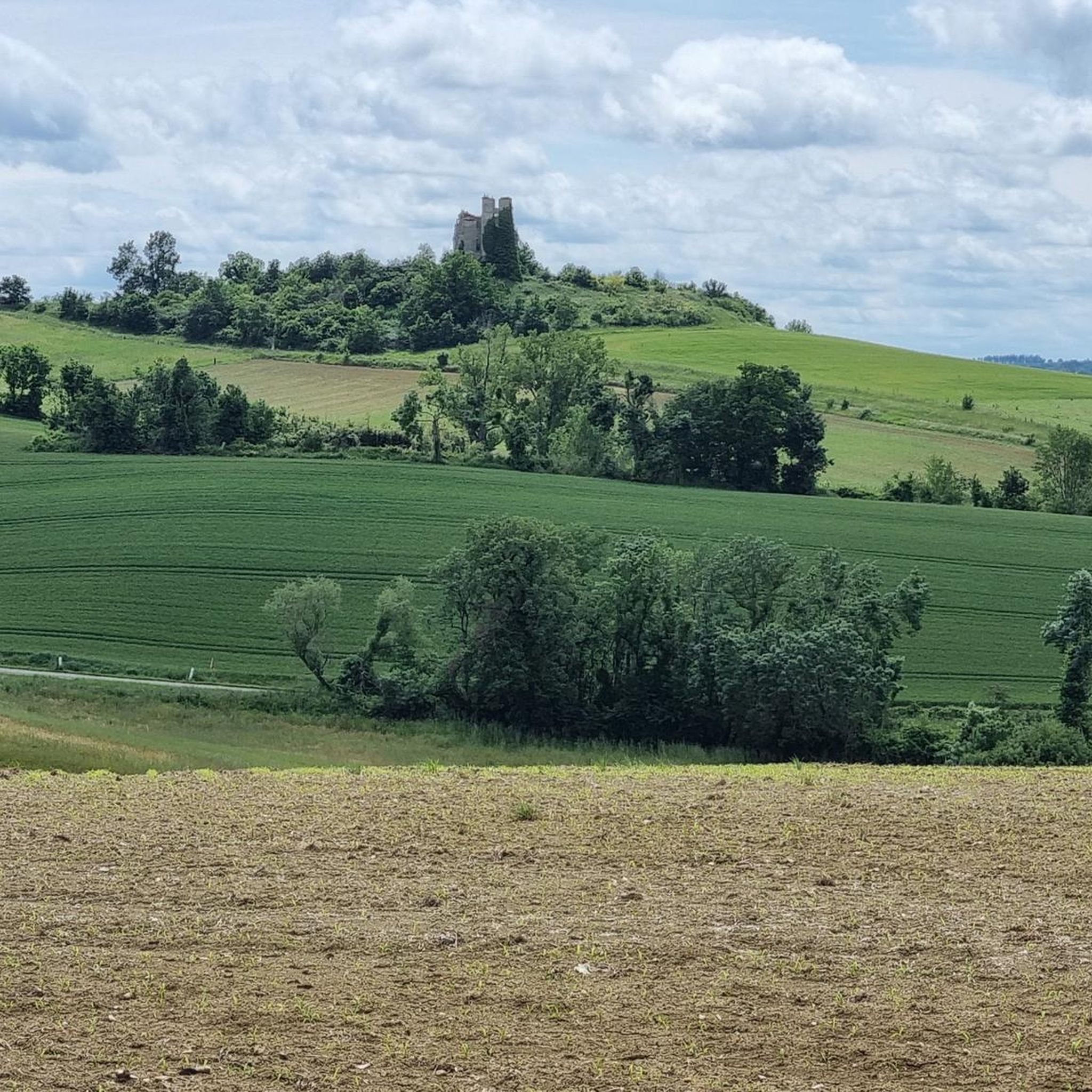
Touring cycling routes around Astaffort traverse the rural landscapes of Lot-et-Garonne, France. The region features extensive green countryside, gentle hills, and open fields. Cyclists can expect to encounter numerous prune orchards and vineyards bordering the roads. Many routes offer proximity to waterways, adding to the scenic variety of the area.
Best touring cycling routes around Astaffort
- The most popular touring cycling route is Agen river port – Agen loop from Layrac, an 17.9 miles (28.9 km) trail that takes…
Last updated: July 8, 2026
4.5
(26)
213
riders
Moderate bike ride. Good fitness required. Mostly paved surfaces. Suitable for all skill levels.
18
riders
55.7km
03:17
260m
260m
Moderate bike ride. Good fitness required. Mostly paved surfaces. Suitable for all skill levels.

Sign up for free
5.0
(2)
18
riders
28.6km
01:39
70m
70m
Easy bike ride. Great for any fitness level. Mostly paved surfaces. Suitable for all skill levels.
5.0
(3)
6
riders
39.2km
02:30
460m
460m
Hard bike ride. Very good fitness required. Mostly paved surfaces. Suitable for all skill levels.
4.5
(2)
12
riders
21.6km
01:25
290m
290m
Moderate bike ride. Good fitness required. Mostly paved surfaces. Suitable for all skill levels.
Get access to more routes and recommendations from other explorers.
Sign up for free
Already have an account?
Our route recommendations are based on thousands of hikes, rides, and runs completed by other people on komoot.
Start today with a free account
Your next adventure awaits.
Login or Signup

Tips from the Community

I found an open-air stage there, but no infrastructure in the sense of a rest stop for hikers and cyclists.
0
0

Don't miss La Romieu to greet Angeline and the cats. I didn't see any, at least not alive ones. I didn't stop there either. To get there, I took the 6 km road; you can also get there via the GR (Greater French National Trail). Its Saint-Pierre collegiate church, a 14th-century Gothic masterpiece listed as a UNESCO World Heritage Site, is imposing. Now for the legend... Around 1342, a terrible famine struck La Romieu. The starving inhabitants went so far as to eat all the cats in the village, thinking they were preserving their meager resources. But a little girl named Angeline, an orphan taken in by a local couple, adored cats. She hid two in the cellar, secretly feeding them, and then they bred. A little later, with all the cats gone, the village was invaded by thousands of rats, destroying the meager grain reserves and causing an even worse disaster. It was then that Angeline freed her cats. They multiplied again, drove out the rats, and saved the village. Angeline was honored by the villagers, and according to legend, her face took on the appearance of a cat, with feline features—a magical transformation to thank her love and loyalty to cats. Today, in tribute to this story, numerous cat statues adorn the streets, facades, and rooftops of the village.
1
0

Saint-Caprais Cathedral in Agen features several architectural peculiarities: its Romanesque apse is extended by a single-nave Gothic nave. Replacing an earlier wooden campanile, the current bell tower was built in 1835 at the initiative of Bishop Jean-Aimé de Levezou de Vezins and is unusual in that it consists of three Gothic stylistic elements (lancet Gothic, radiant Gothic, and flamboyant Gothic) curiously presented in reverse chronological order. A corbel composed according to this principle can still be seen in a corner of the north transept of Agen Cathedral. This corbel, in itself, is a small monument containing two large formerets and a long-span pointed arch. The paintings on the walls and ceilings depict the history of the arrival of Christianity in the region. A central role is given to the first martyrs of Agen. Other paintings are presented in series: the Evangelists, the Apostles, the patriarchs of the Jewish people (Abraham, Noah, etc.), the great kings of Israel, etc. The cathedral is much shorter than one might expect, judging by the size of the choir; indeed, political and financial difficulties greatly influenced the cathedral's final form. The painted decoration was entrusted to Jean-Louis Bézard, a painter from Toulouse who won the Prix de Rome in 1829. He completed the decoration of the chapel of the Hospice Saint-Jacques d'Agen, now the departmental hotel, in 1845, which has since disappeared. At the same time, he began painting the Chapel of the Virgin Mary in the cathedral. He continued decorating the cathedral until 1869. The choice of themes was made by the cathedral clergy and was the subject of debate between the painter and Abbé Deyche. For the decoration of the apse, the choice was made to depict the martyrdom of the saints of Agen. For the rest of the decoration, the paintings blend local themes and Marian iconography, the great figures of the Bible, the Old Testament, and the New Testament. Jean-Louis Bézard drew inspiration from the decoration of the Sicilian churches of Palermo and Montereale for the medallions of the arches of the transept crossing. The altar decoration: an altar cross and six candlesticks are listed as historical monuments. On the counter-façade, two statues: on the right, Saint Caprais, and on the left, Saint Stephen, by Louis Rochet. The main organ, built by organ builder Jean-Baptiste Stoltz, was featured at the 1855 World's Fair in Paris. According to legend, it was donated by Empress Eugenie in 1858 to Agen Cathedral, which until then had no instrument. It is the largest instrument in the Lot-et-Garonne department, with 45 stops spread over three manuals and a pedalboard. It has mechanical action. It is listed as a historic monument. The choir organ was built by organ builder Jules Magen in 1885 (15 stops over two manuals/pedalboard). It has been listed as a historic monument. Concert pianist and organist Jérôme Chabert has been its organist since 2002. He founded the Heures d'Orgue, an international festival held every summer in July and August on the cathedral's two organs.
0
0
Saint-Caprais Cathedral was built in the 12th century on the site of an episcopal basilica constructed in the 6th century, sacked by the Normans in 853 and then restored. Saint-Caprais Church is mentioned, along with Saint-Étienne Cathedral, in the will of Raymond, Lord of Toulouse, Marquis of Gothia, Count of Rouergue, Gévaudan, and Narbonne, who died in 961.[6] It was originally a collegiate church. Sacked again in December 1561 during the Wars of Religion, Saint-Caprais Collegiate Church became a fodder store in 1791 before being reopened in 1796 and becoming the official cathedral of Agen, following the destruction of the old Saint-Étienne Cathedral during the Revolution. It was elevated to the rank of cathedral in 1802. At the request of the Bishop of Agen, Jean-Aimé de Levezou de Vezins, the architect Gustave Bourrières[7] rebuilt the south façade, the bell tower, and the interior floors between 1838 and 1847.
0
0

Incredible lodge and restaurant, great quality and very friendly atmosphere.
1
0

One of the last suspension bridges in the region. A single lane with wooden slats that move as people pass by.
0
0

Located in a former lock-keeper's house on the banks of the Canal des Deux Mers, the Auberge de la Poule à Vélo offers a warm and authentic atmosphere. Certified Accueil Vélo (Cycling Welcome), this friendly establishment offers comfortable rooms, a unique caravan, and local cuisine. Perfect for a peaceful cycling break, as a couple or with family, in the heart of the Gascon way of life.
0
1
A beautiful cycle path runs alongside the Canal Lateral à la Garonne. The route takes you through a bucolic setting along the water's edge.
0
0
Frequently Asked Questions
How many touring cycling routes are available around Astaffort?
There are over 40 touring cycling routes around Astaffort, offering a variety of options for different skill levels and preferences. These routes traverse the picturesque rural landscapes of Lot-et-Garonne.
What kind of landscapes can I expect to see while cycling around Astaffort?
Cyclists around Astaffort can expect to encounter extensive green countryside, gentle rolling hills, and open fields. The routes are often bordered by numerous prune orchards and vineyards, and many offer proximity to waterways, adding to the scenic variety of the area.
Are there easy touring cycling routes suitable for beginners?
Yes, Astaffort offers several easy touring cycling routes. For instance, the Agen river port – Agen loop from Layrac is an easy 17.9-mile (28.9 km) trail that follows the river, providing flat sections and scenic views, ideal for a relaxed ride.
Where can I find more challenging touring cycling routes near Astaffort?
For those seeking a challenge, Astaffort has routes with more significant elevation changes. A difficult option is the La Romieu – View of La Romieu loop from Saint-Mézard, a 24.3-mile (39.2 km) path featuring rolling countryside and expansive views.
What historical landmarks or attractions can I visit along the cycling routes?
Many routes pass by historical sites. For example, the Notre-Dame de Moirax Church – Notre-Dame Church of Moirax loop from Aubiac leads through rural landscapes and past the historic Notre-Dame Church of Moirax, a significant stopover for pilgrims. You can also find the Saint-Orens and Saint-Louis Church in Astaffort itself.
Are there charming villages to explore near the cycling routes?
Absolutely. Beyond Astaffort, nearby villages like Beauville, an old bastide, offer delightful strolls with restored arcades and half-timbered houses. Moirax also features an educational nature park called Trotte-Lapin, making for interesting stops during your cycling tour.
Are the touring cycling routes around Astaffort suitable for families?
Yes, the region offers routes suitable for families, particularly the easier, flatter sections along waterways. The gentle hills and tranquil countryside provide a pleasant environment for family cycling, allowing everyone to enjoy the scenery at a comfortable pace.
Can I bring my dog on the touring cycling routes?
Many of the rural roads and paths around Astaffort are suitable for cycling with dogs, provided they are well-behaved and kept under control, ideally on a leash for their safety and that of others. Always ensure your dog has access to water, especially on longer rides.
What do other cyclists say about touring cycling in Astaffort?
The touring cycling routes around Astaffort are highly rated by the komoot community, with an average score of 4.7 stars from over 40 reviews. Cyclists often praise the tranquil rural landscapes, the charming villages, and the variety of routes available for different skill levels.
Are there places to eat or stay near the cycling routes?
Astaffort and its surrounding villages offer various options for refreshments and accommodation. You'll find local cafes and restaurants, especially in the village centers. Astaffort also hosts a weekly market on Mondays, perfect for picking up local produce. For a specific stop, consider the Poule à Vélo Inn.
What is the best time of year for touring cycling in Astaffort?
The region is enjoyable for cycling throughout much of the year. Spring and autumn offer pleasant temperatures and beautiful scenery, with blooming orchards in spring and vibrant colors in autumn. Summer can be warm, so early morning or late afternoon rides are often preferred.
Are there any long-distance touring cycling routes in the area?
Yes, for those looking for longer rides, routes like the Lectoure – Château de Terraube loop from Castéra-Lectourois offer a substantial distance of 41.9 miles (67.4 km) with significant elevation, providing a full day's adventure through the scenic countryside.
Most popular attractions around Astaffort

Get inspired with the komoot mobile app


Explore more
Browse the best Cycling routes in other regions.
