Top 7 Castles around Beauche
Best castles around Beauche offer a glimpse into centuries of history and architectural evolution. This region features a collection of historical structures, ranging from medieval keeps to 19th-century residences. Visitors can explore various sites that reflect the changing social and cultural landscape. The area provides opportunities to discover diverse historical periods through its preserved and ruined fortifications.
Best castles around Beauche
- The most popular castles is Bois Francs Castle, a 19th-century castle surrounded by 310 hectares of forest and…
Last updated: June 17, 2026
Ruins of the Château de La Ferté-Vidame
Highlight • Castle
Translated by Google •
Tip by

View of the Château de Saint-Simon⚜️🏰✨
Highlight • Historical Site
Translated by Google •
Tip by
Sign up now to discover places like this
Get recommendations on the best single tracks, peaks, & plenty of other exciting outdoor places.
Sign up for free
Bois Francs Castle
Highlight • Castle
Translated by Google •
Tip by
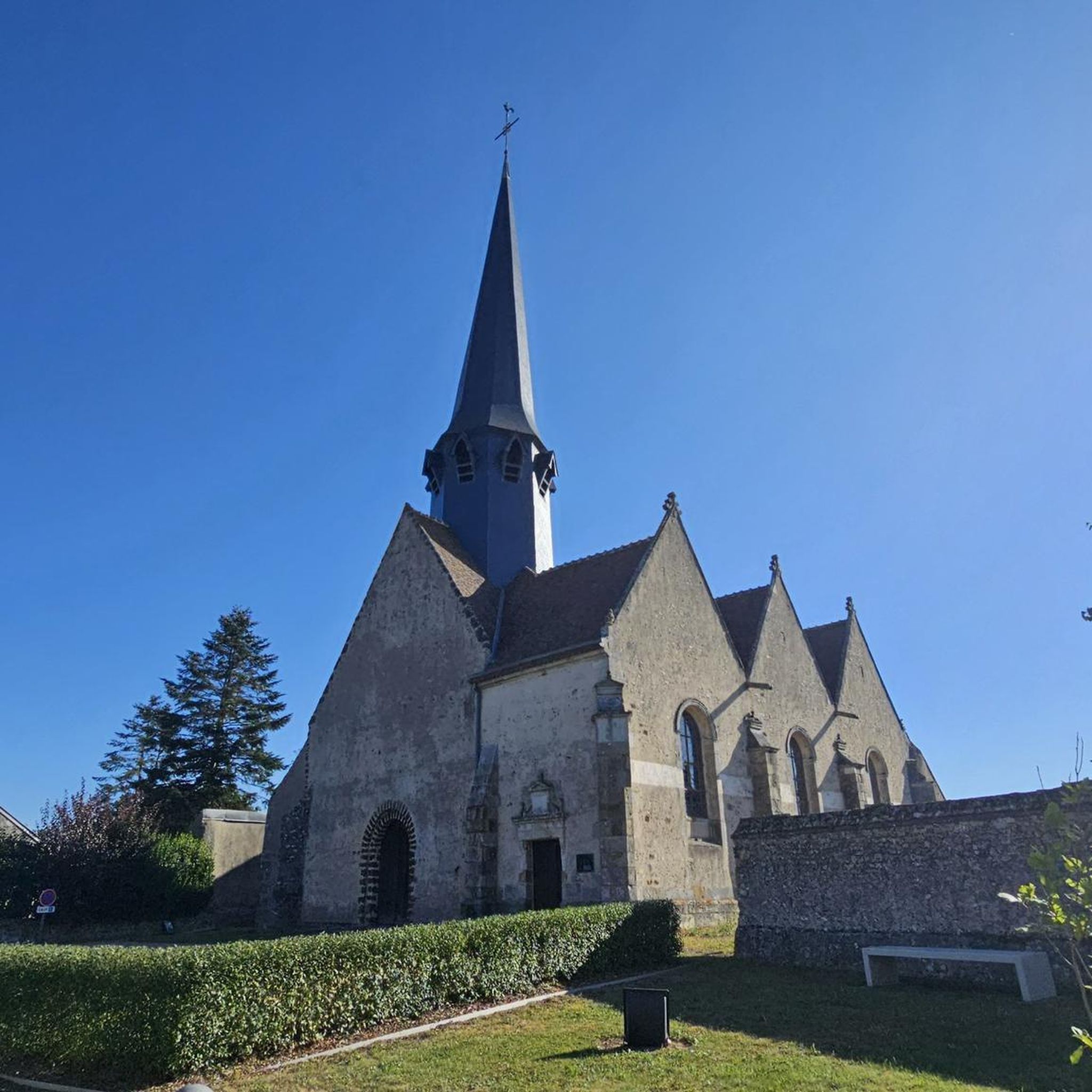
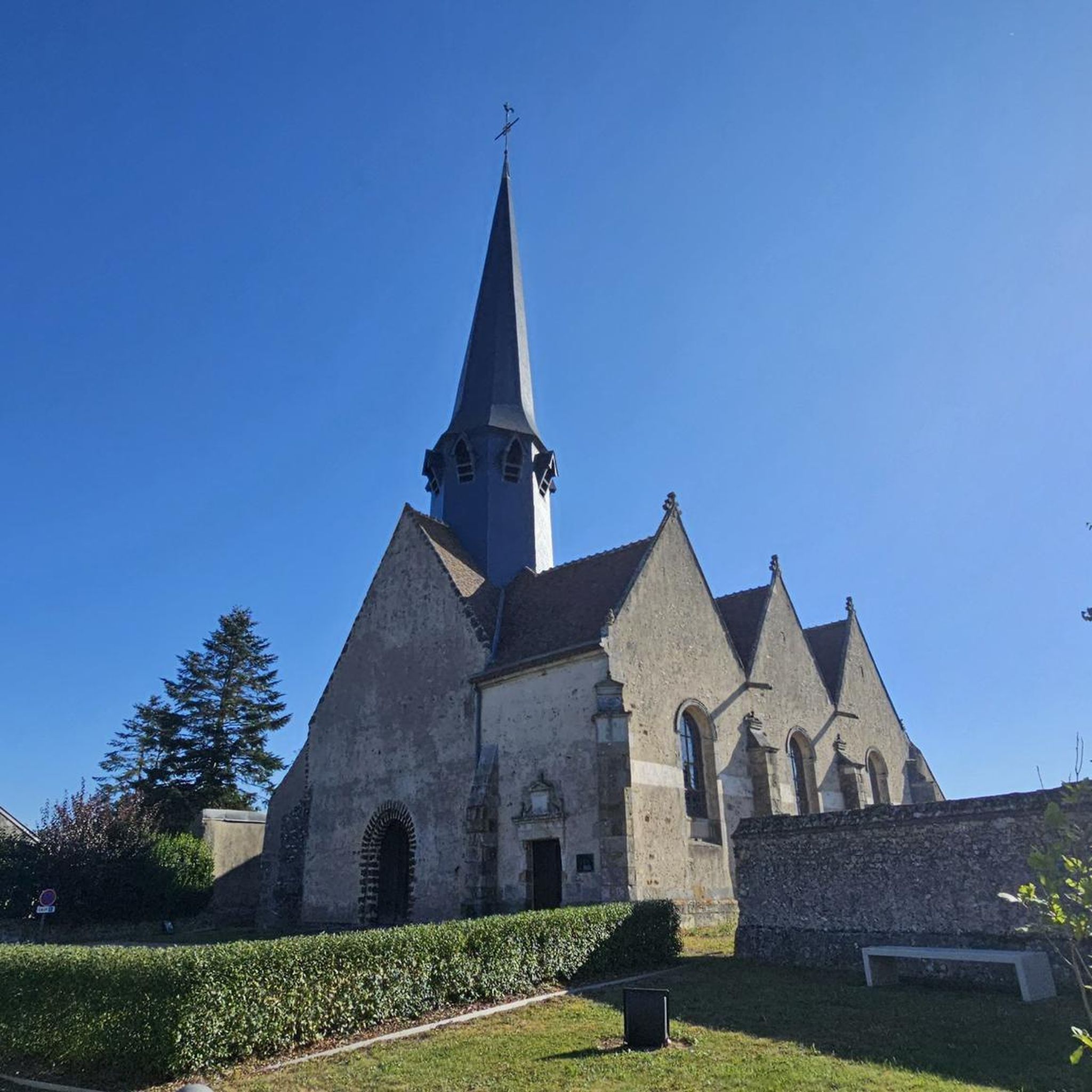
Gray Tower of Verneuil-sur-Avre
Highlight • Castle
She is the witness of a terrible episode of the Hundred Years War. The Battle of Verneuil in 1424 pitted 11,000 French and …
Translated by Google •
Tip by

Start today with a free account
Your next adventure awaits.
Login or Signup


Tips from the Community

Possibility of taking a walk in the park adjoining this beautiful ruin.
0
0

The castle of La Ferté-Vidame impresses with its ruins, the only remains of its destruction during the French Revolution. Its park is also pleasant to visit.
2
0

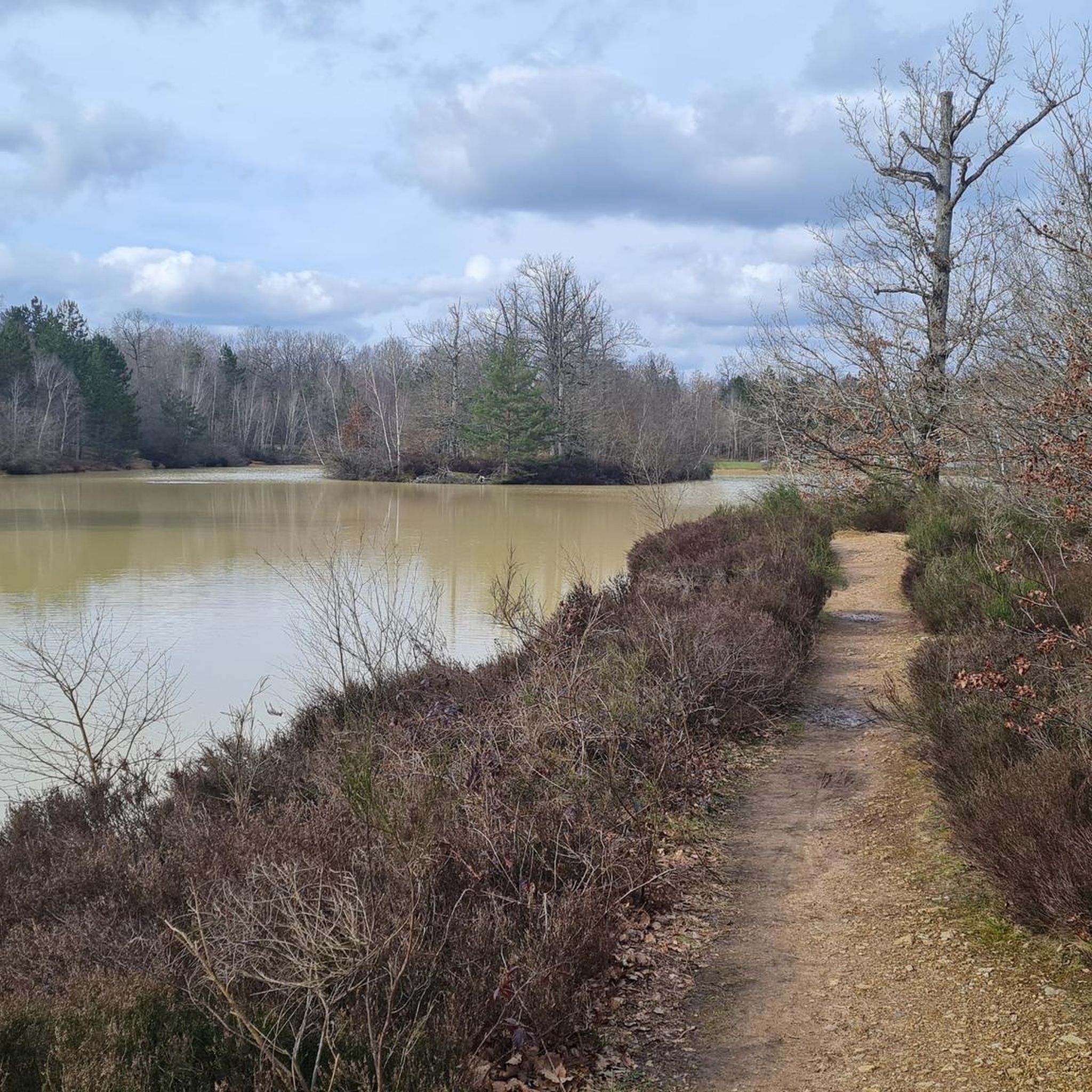
Château des Bois Francs, in Normandy, is a 19th century castle surrounded by 310 hectares of forest and 15 hectares of lakes. You can admire the architecture of the castle, the French gardens and the wildlife that inhabits the region. Château des Bois Francs is an ideal place to relax and discover the beauty of the Normandy countryside.
2
0

A tower steeped in history!
0
0
The view of the Saint-Simon castle and the Mousseuse basins offers an exceptional panorama of the Saint-Simon castle, a 16th century building that belonged to the famous memoirist Louis de Rouvroy, Duke of Saint-Simon. You can also admire the Mousseuse ponds, which are part of the castle park and reflect the elegance of its architecture. The route is easy and accessible, and you can start from Maison Saint-Simon, a museum dedicated to the life and work of the Duke.
2
0
The Château de Saint-Simon dates from the 14th century and was the residence of the famous memoirist Louis de Rouvroy, Duke of Saint-Simon. You can admire the ruins of the castle, as well as the outbuildings (the "little castle"), which are still preserved and classified as historic monuments. You can enjoy panoramic views of the park and ponds surrounding the castle, and explore the surrounding forest and trails. The Château de Saint-Simon is a place where you can immerse yourself in the history and culture of France, and discover the life and writings of one of its most influential authors.
3
0
The view of the Château Saint-Simon and the Mousseuse basins offers an exceptional panorama of the Château de Saint-Simon, a 16th century building that belonged to the famous memoirist Louis de Rouvroy, Duke of Saint-Simon. You can also admire the Mousseuse basins, which are part of the castle park and reflect the elegance of its architecture. The hike is easy and accessible, and you can start from Maison Saint-Simon, a museum dedicated to the life and work of the Duke. Along the way, you will learn about the history and culture of this remarkable site.
2
0
The Château de Saint-Simon dates from the 14th century and was the residence of the famous memoirist Louis de Rouvroy, Duke of Saint-Simon. You can admire the ruins of the castle, as well as the outbuildings (the "little castle"), which are still preserved and classified as historical monuments. You can enjoy the panoramic views of the park and the ponds that surround the castle, and explore the surrounding forest and trails. The Château de Saint-Simon is a place where you can immerse yourself in the history and culture of France, and discover the life and writings of one of its most influential authors.
2
0
Frequently Asked Questions
What types of castles can I expect to find in the Beauche region?
The Beauche region, particularly in France, offers a diverse range of historical structures. You can explore medieval fortified castles, such as the impressive Gray Tower of Verneuil-sur-Avre, and the ruins of the 11th-century Château de Lavardin. There are also 19th-century residences like Bois Francs Castle, and châteaux that blend medieval features with later architectural styles, such as Château de Talcy and Château de Rochambeau.
Are there any medieval castles or ruins with significant history?
Yes, the region is rich in medieval history. The Gray Tower of Verneuil-sur-Avre is an imposing medieval keep built in 1204, a direct witness to the Hundred Years War. The Château de Lavardin, though ruined, dates back to the 11th century and was a crucial fortress for the Counts of Vendôme. Additionally, the Ruins of the Château de La Ferté-Vidame are the remains of a 14th-century castle with a rich past.
What are some unique castles to visit in the Beauche region?
Beyond the well-known sites, you can discover unique castles like the Château de Talcy, which offers a blend of medieval and Chambord-era architecture. The Château de Rochambeau is notable for its 18th-century remodeling by Marshal de Rochambeau, a key figure in the American Revolutionary War, and still preserves his room. For a different experience, the Manoir de la Bonne-Aventure, a 15th-century manor, once belonged to King Henri IV and the family of poet Alfred de Musset.
Are there family-friendly castles around Beauche?
Many castles in the Beauche region are suitable for families. For instance, Bois Francs Castle is surrounded by a large forest and lakes, offering a natural setting for exploration. The Ruins of the Château de La Ferté-Vidame also feature a park and ponds, providing space for children to explore while adults appreciate the history. The Gray Tower of Verneuil-sur-Avre, as a historical monument, can spark interest in medieval times.
What outdoor activities can I do near these castles?
The areas around the castles in Beauche offer various outdoor activities. You can find numerous cycling routes, such as the 'Voie verte des Bois Francs' loop near Bois Francs Castle. There are also many hiking trails, including loops from Rueil-la-Gadelière and Verneuil-sur-Avre. For mountain biking enthusiasts, trails like the 'Étang de la Benette loop' provide opportunities to explore the natural surroundings. You can find more details on these activities in the cycling guide, hiking guide, and MTB trails guide for Beauche.
Are there any castles with notable natural surroundings or scenic walks?
Absolutely. Bois Francs Castle is set within 310 hectares of forest and 15 hectares of lakes, offering a beautiful natural backdrop and maintained parkland. The Ruins of the Château de La Ferté-Vidame are surrounded by a park and ponds, providing panoramic views and opportunities to explore surrounding trails and forests. The Château de Rochambeau also boasts an impressive avenue lined with old trees along the Loir River, perfect for scenic strolls.
What is the best time to visit the castles in Beauche?
The best time to visit the castles in Beauche generally depends on your preferences. Spring and autumn offer pleasant weather for exploring the grounds and ruins, with fewer crowds and beautiful natural scenery. Summer is also popular, though it can be warmer and busier. Always check specific castle opening hours, as some may have seasonal variations.
Can I find places to eat or stay near the castles?
Yes, the Beauche region has various options for dining and accommodation. While specific cafes or pubs directly adjacent to every castle might vary, towns and villages near the châteaux, such as Verneuil-sur-Avre, offer local eateries. For accommodation, you can find options ranging from hotels to gîtes, including unique stays like the Château de Bouthonvilliers, which offers historic elegance with modern comforts for extended visits.
What do visitors enjoy most about the castles around Beauche?
Visitors particularly enjoy the rich historical immersion and the diverse architectural styles of the castles. The blend of well-preserved structures and atmospheric ruins, often set within beautiful natural parks, is highly appreciated. The opportunity to explore the past, whether through medieval keeps or 19th-century estates, combined with scenic walks and outdoor activities, makes for a memorable experience. The komoot community has upvoted these castles 24 times and shared 9 photos, highlighting their appeal.
Are there any castles in the Beauche region with connections to the American Revolutionary War?
Yes, the Château de Rochambeau in Thoré-la-Rochette (Loir-et-Cher) is notably connected to Marshal de Rochambeau, a pivotal figure in the American Revolutionary War. The castle was significantly remodeled by him in the 18th century, and his room remains unchanged since his death in 1807, offering a direct link to this historical period.
Is there a Canadian Beauce with castles, and how does it compare to the French Beauce?
Yes, there is a Beauce region in Quebec, Canada, which also features historical structures. The most prominent is the Château Beauce in Sainte-Marie, Nouvelle-Beauce. This former bourgeois residence, built in the early 20th century, showcases an eclectic architectural style with Tudor and Queen Anne influences, which is quite rare for Quebec. While it's a classified heritage building, its architectural style and historical context differ significantly from the predominantly medieval and Renaissance châteaux found in the French Beauce.
Most popular routes around Beauche
Most popular attractions around Beauche

Get inspired with the komoot mobile app


Explore more
Looking for the best castles somewhere else? Discover other guides around Beauche:
