The best walks and hikes around Wuisse
4.4
(39)
278
hikers
48
hikes
Hiking around Wuisse is characterized by gentle, undulating landscapes, featuring large ponds and agricultural areas. The region's terrain includes a mix of open fields, woodlands, and waterside paths, providing varied scenery for hikers. Wuisse is part of the Parc naturel régional de Lorraine, which helps preserve its natural heritage, including the Étang de Wuisse and several streams like the Ruisseau de la Flotte. Elevation changes are generally modest, making many routes accessible for different fitness levels.
Best hiking trails around…
Last updated: June 22, 2026
4.7
(3)
16
hikers
20.1km
05:13
120m
120m
Hard hike. Very good fitness required. Easily-accessible paths. Suitable for all skill levels.
4.7
(3)
9
hikers
19.6km
05:24
320m
320m
Hard hike. Very good fitness required. Easily-accessible paths. Suitable for all skill levels.

Sign up for free
6
hikers
8.14km
02:07
50m
50m
Moderate hike. Good fitness required. Easily-accessible paths. Suitable for all skill levels.
11
hikers
5.89km
01:31
30m
30m
Easy hike. Great for any fitness level. Easily-accessible paths. Suitable for all skill levels.
5.0
(1)
5
hikers
22.5km
06:06
310m
310m
Hard hike. Very good fitness required. Easily-accessible paths. Suitable for all skill levels.
Get access to more routes and recommendations from other explorers.
Sign up for free
Already have an account?
Our route recommendations are based on thousands of hikes, rides, and runs completed by other people on komoot.
Start today with a free account
Your next adventure awaits.
Login or Signup
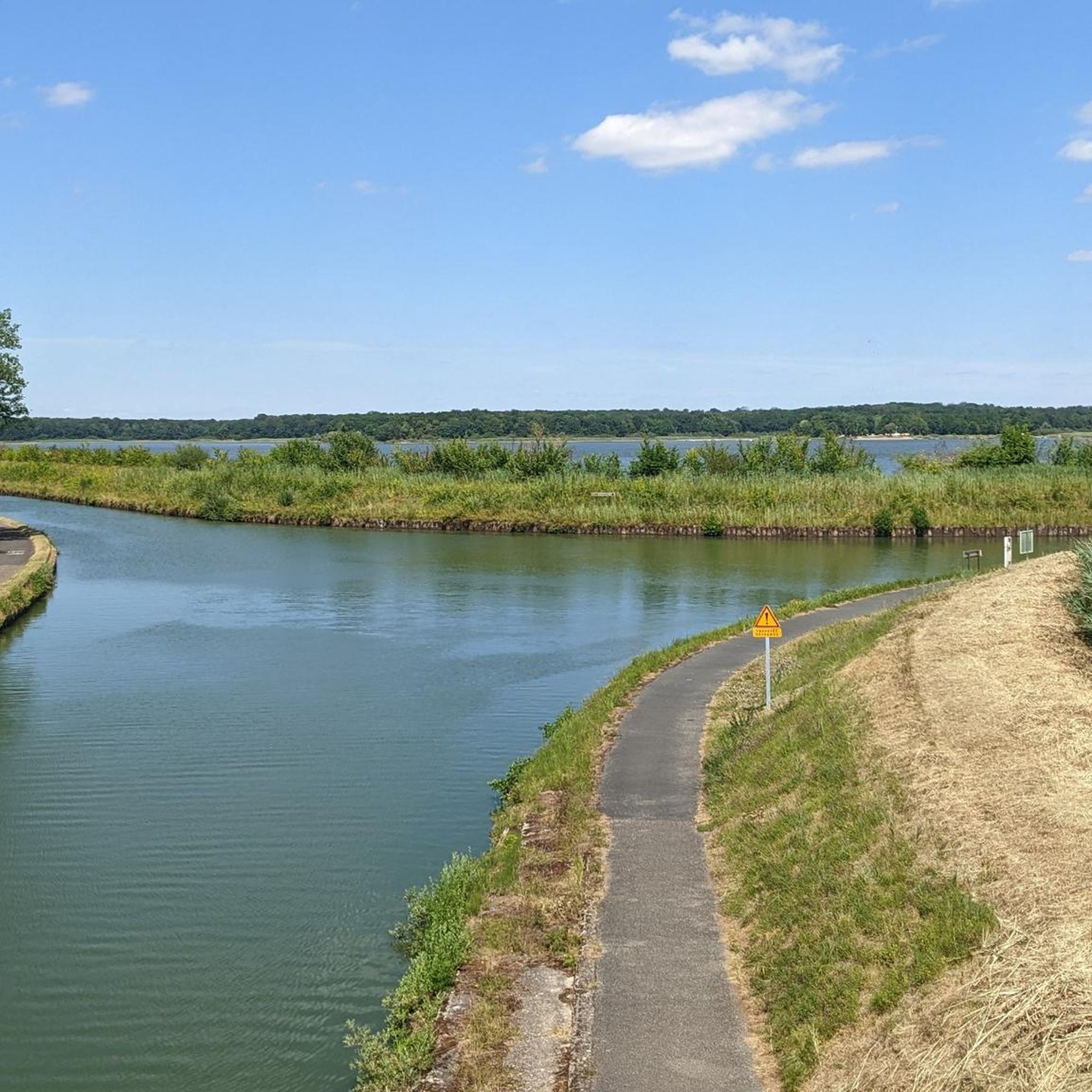
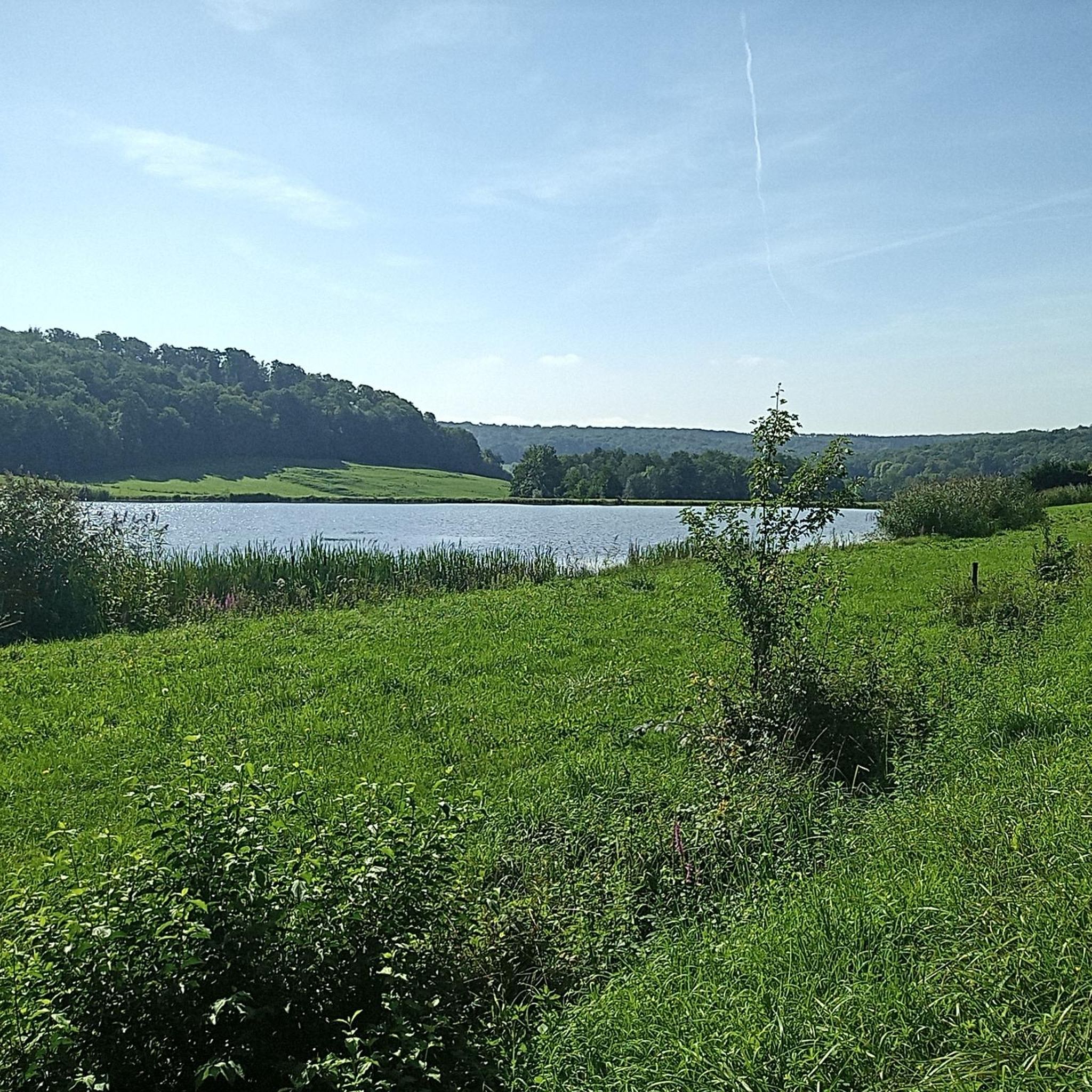
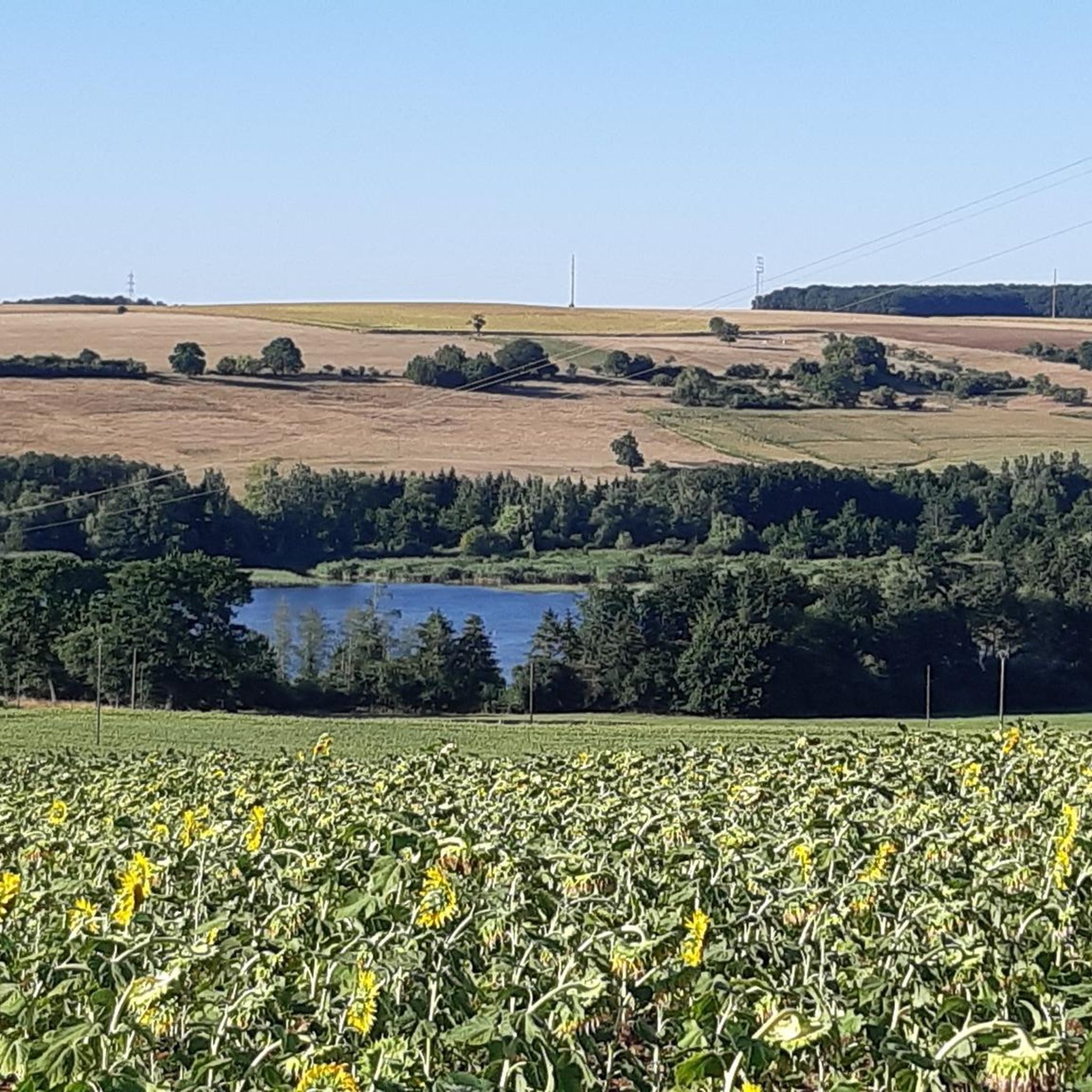
Tips from the Community

The Collegiate Church of Saint-Léger de Marsal is a former collegiate church located in the French commune of Marsal, in the Moselle department. Originally built in the Romanesque style, it has undergone several significant modifications up to the present day. Dedicated to Saint Léger, the foundation stones of the current church were laid in the 12th century. The building was then in the Germanic tradition with a deep chevet and two oriented chapels, as well as an impressive Westwork, a western massif. The parish church was elevated to the title of collegiate church in 1222 by Abbess Clémence de Neumunster. She then installed a chapter of seven canons there. The collegiate church of Marsal has been united with that of Vic-sur-Seille since the 18th century.
0
0

Museum for the city's great son from the 17th century
0
0

On the edge of Vic-sur-Seille lies the former episcopal castle, an impressive remnant of the power of the bishops of Metz. Built from the end of the 12th century by Bishop Bertram, it served as both the residence and the administrative centre of the secular authority of the diocese. The castle was expanded in the 13th century into a pentagonal complex, fortified with semicircular towers and a deep moat. Under Bishop Thierry Bayer de Boppard (1365–1384), important restorations were carried out, including the construction of a south-west wing with access to the gardens and the “Grand Parc”. Of the original complex, only part of the residential building on the west side remains today, recognisable by the windows with niches. The most striking structure is the châtelet, the fortified entrance gate from the 15th century, with its white limestone machicolations and traces of a drawbridge. After its restoration in 2008, the castle is once again visible as a silent witness to the medieval power and strategic location of Vic-sur-Seille, especially in the context of salt mining and the rivalry with the Dukes of Lorraine.
9
0
Hôtel de la Monnaie (Vic-sur-Seille) This remarkable civil building, dating from 1456–1484, is often mistaken for a mint. In reality, it was probably the home of a wealthy money-changer, possibly the d’Hoffelize family. The building is a magnificent example of flamboyant Gothic architecture, with early Renaissance influences. The richly decorated facades and roofs have been protected as historical monuments since 1930.
8
0
Hôtel de la Monnaie (Vic-sur-Seille) This remarkable civil building, dating from 1456–1484, is often mistaken for a mint. In reality, it was probably the home of a wealthy money-changer, possibly the d’Hoffelize family. The building is a magnificent example of flamboyant Gothic architecture, with early Renaissance influences. Its richly decorated facades and roofs have been protected as historical monuments since 1930. It now houses the information office.
1
0

Very well preserved medieval house. It now houses the tourist information office.
1
0

Vic-sur-Seille, which benefits from the label "Small cities of character", is an essential place of passage for itinerants who cross the region. If its old stones undeniably recall the history of the village, its leisure center invites you to rest and relax. The village has all the amenities, from accommodation to restaurants. Take the time to visit the museum which takes its name from Georges de La Tour, born in 1593 in Vic-sur-Seille. The exhibitions offer many indications on the region and its evolution.
3
0
Marsal is a small hamlet with a very salty history: from the Bronze Age until the middle of the 17th century, the village knew how to use its salt water sources to prosper in the salt trade. Today, nothing remains of the saltworks and Marsal today looks like a peaceful village. If you wish, you can organize a guided tour with the Pays du Saulnois Tourist Office on 03 87 01 16 26.
1
0
Frequently Asked Questions
How many hiking trails are available around Wuisse?
There are over 30 hiking trails around Wuisse, catering to various skill levels. You'll find 12 easy, 18 moderate, and 6 difficult routes, offering a diverse range of experiences from gentle waterside strolls to more challenging woodland paths.
Are there family-friendly hiking options in Wuisse?
Yes, Wuisse offers several easy hikes suitable for families. The region's gentle, undulating landscapes and waterside paths make for pleasant outings. For example, the Viewing Platform Over the Lake loop from Dieuze is an easy 5.7 km route that takes about 1 hour 30 minutes to complete.
Can I bring my dog on the hiking trails in Wuisse?
Wuisse's trails, with their mix of open fields, woodlands, and waterside paths, are generally dog-friendly. Many routes offer natural surroundings for dogs to enjoy. Always ensure your dog is under control and check for any local regulations regarding leashes, especially near agricultural areas or wildlife habitats.
What kind of landscapes can I expect to see while hiking in Wuisse?
Hiking around Wuisse is characterized by gentle, undulating landscapes, often featuring large ponds and agricultural areas. You'll encounter a mix of open fields, woodlands, and waterside paths, providing varied scenery. Lindre Pond is a prominent feature, offering extensive views and lakeside paths.
Are there any circular hiking routes in Wuisse?
Yes, many of the hiking routes in Wuisse are circular, allowing you to start and end at the same point. A popular option is the Lindre Pond – Viewing Platform Over the Lake loop from Dieuze, which is a 20.2 km difficult route. Another is the Lindre Pond loop from Quartier Maréchal Lyautey, a moderate 15.5 km path.
What are some notable attractions or landmarks to see near the hiking trails?
Along the hiking trails, you can explore several interesting landmarks. The historic town of Marsal is a highlight, as is the serene Lindre Pond and the Domaine Départemental de Lindre. The Salines de Dieuze also offers a glimpse into the region's history.
What do other hikers enjoy most about hiking in Wuisse?
The area is highly rated by the komoot community, with an average score of 4.5 stars from over 40 reviews. Hikers often praise the varied terrain, including lakeside paths, open countryside, and woodlands, as well as the accessibility of routes for different ability levels.
Are there any advanced or difficult hiking routes in Wuisse?
Yes, Wuisse offers 6 difficult hiking routes for those seeking more challenging experiences. These routes often feature longer distances and more significant elevation changes. An example is the Marsal – Saint-Léger Collegiate Church loop from Hampont, a 19.6 km trail with over 300 meters of elevation gain.
What is the best time of year to hike in Wuisse?
The gentle landscapes and varied terrain of Wuisse make it suitable for hiking across multiple seasons. Spring and autumn offer pleasant temperatures and beautiful scenery with blooming flowers or vibrant foliage. Summer is also popular, especially for waterside paths around Lindre Pond. Winter hiking is possible, but conditions may vary, so check local weather forecasts.
Are there opportunities for wildlife spotting on Wuisse hikes?
Given the region's mix of woodlands, open fields, and especially the large ponds like Lindre Pond, there are good opportunities for wildlife spotting. Birdwatching is particularly popular around the waterside areas. Keep an eye out for various bird species and other local fauna in their natural habitats.
Are there less crowded hiking options available in Wuisse?
While some popular routes around Lindre Pond can see more visitors, Wuisse has a network of over 30 trails. Exploring some of the less-trafficked paths, especially those further from main access points or during off-peak hours, can offer a more secluded hiking experience through the region's diverse landscapes.
What kind of elevation changes can I expect on Wuisse trails?
Elevation changes in Wuisse are generally modest, reflecting the region's gentle, undulating landscapes. Many routes are relatively flat, especially those along waterside paths. Even the more difficult routes typically feature moderate climbs rather than steep ascents, making them accessible for a wide range of hikers.
Most popular attractions around Wuisse

Get inspired with the komoot mobile app


Explore more
Browse the best Hikes in other regions.
