Attractions and Places To See around Ormoy - Top 20
Best attractions and places to see around Ormoy, located in the Eure-et-Loir department of the Centre-Val de Loire region, offer a blend of historical sites and natural beauty. The area is characterized by its proximity to significant landmarks such as the Domaine national de Rambouillet and the Forêt de Rambouillet. Visitors can explore a landscape featuring historical castles, religious monuments, and scenic river valleys. This region provides opportunities to discover local heritage and natural settings.
Best attractions and places to…
Last updated: June 24, 2026
Pont Rouge on the Louis XIV Canal
Highlight • Bridge
Translated by Google •
Tip by

Château de Mormoulins
Highlight • Castle
Translated by Google •
Tip by

Sign up now to discover places like this
Get recommendations on the best single tracks, peaks, & plenty of other exciting outdoor places.
Sign up for free
Saint-Sulpice Church of Châteaudun
Highlight • Religious Site
Translated by Google •
Tip by
the beautiful church of Prouais
Highlight • Other
Translated by Google •
Tip by
Maintenon Castle
Highlight • Castle
Translated by Google •
Tip by
Sign up for free to discover even more attractions around Ormoy.
Sign up for free
Already have an account?
Start today with a free account
Your next adventure awaits.
Login or Signup


Tips from the Community

The Moulin de Mormoulins is a watermill located on the Eure River in the hamlet of Mormoulins. This mill dates back to the 18th and 19th centuries and is a listed historical monument. You can admire the old stone building, the wooden wheel, and the canal that diverts water from the river as you pass in front of the mill. The mill is surrounded by green fields and trees, creating a peaceful and relaxing atmosphere.
0
0

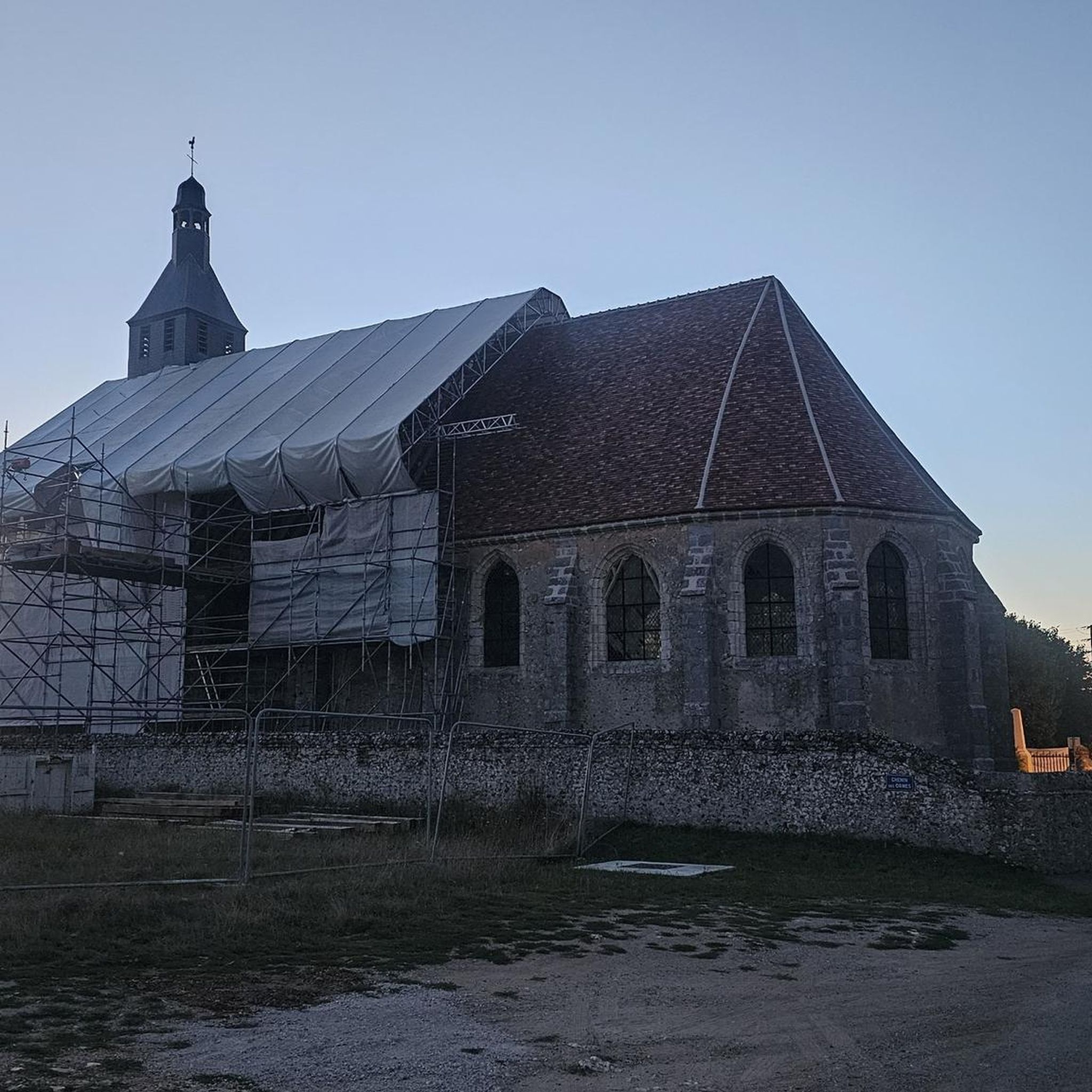
Church of Saint Peter and Saint Paul The construction of the church is said to have been initiated by Don Roger, abbot of the very powerful Benedictine abbey of Coulombs from 1115 to 1174. At that time, the abbey stood near Nogent-le-Roi, a former fortified town located twelve kilometers away on the banks of the Eure. Spread over more than 80 parishes, it had a considerable influence in the region until the Revolution, whether from a religious, economic or social point of view. The Romanesque style that it had adopted since its original construction was reworked in the 16th century by the opening of tall Gothic windows around the choir. Finally, in the following century, during the Wars of Religion, the church suffered serious damage. When peace returned, the entrance porch was finally rebuilt in the elegant Renaissance style. In 1950, a fire destroyed the church and all its furniture; it was restored at the end of the 20th century.
0
0

With its curiously crowned square tower, this charming church boasts a flamboyant Gothic style. Built between the 15th and 17th centuries, it preserves a remarkable collection of 16th-century stained-glass windows dedicated to Eucharistic miracles.
0
0
The Saint-Sulpice church in Nogent-Le-Roi is an impressive church built in the 15th century and which was part of the defensive wall which protected the entrance to the town. You can admire its beautiful stained glass windows and its wrought iron choir inside, as well as its original tower outside. The church is located in the heart of Nogent-Le-Roi, a charming town with old half-timbered houses and a castle.
2
0
The Church of Saint-Sulpice in Nogent-Le-Roi is an impressive church built in the 15th century and which formed part of the defensive wall that protected the entrance to the town. You can admire its beautiful stained glass windows and its wrought iron choir screen inside, as well as its original tower outside. The church is located in the heart of Nogent-Le-Roi, a charming town with old half-timbered houses and a castle.
2
0
The Château de Maintenon is a castle that was once the residence of Madame de Maintenon, the second wife of Louis XIV. You can explore the elegant halls and gardens of the castle, as well as the impressive aqueduct that was built to supply water to the Palace of Versailles. The castle is open from Tuesday to Sunday, from 10:30 a.m. to 6:30 p.m. The entrance price is 9 euros for adults and 6 euros for children. You can also benefit from a guided tour or an audio guide at an additional cost. The castle is surrounded by a beautiful park, where you can stroll along the Eure and admire the view of the aqueduct and the castle.
3
0

This beautiful castle owes its fame to the most famous of its occupants, Françoise d'Aubigné, Marquise de Maintenon, wife of Louis XIV. Transformed many times, the castle was created in the 12th century with the role of a fortress. It became a pleasure castle during the Renaissance before becoming the property of the Marquise. During a visit, you discover the rich history of the place. The castle is fully furnished, which makes the visit all the more immersive.
1
0

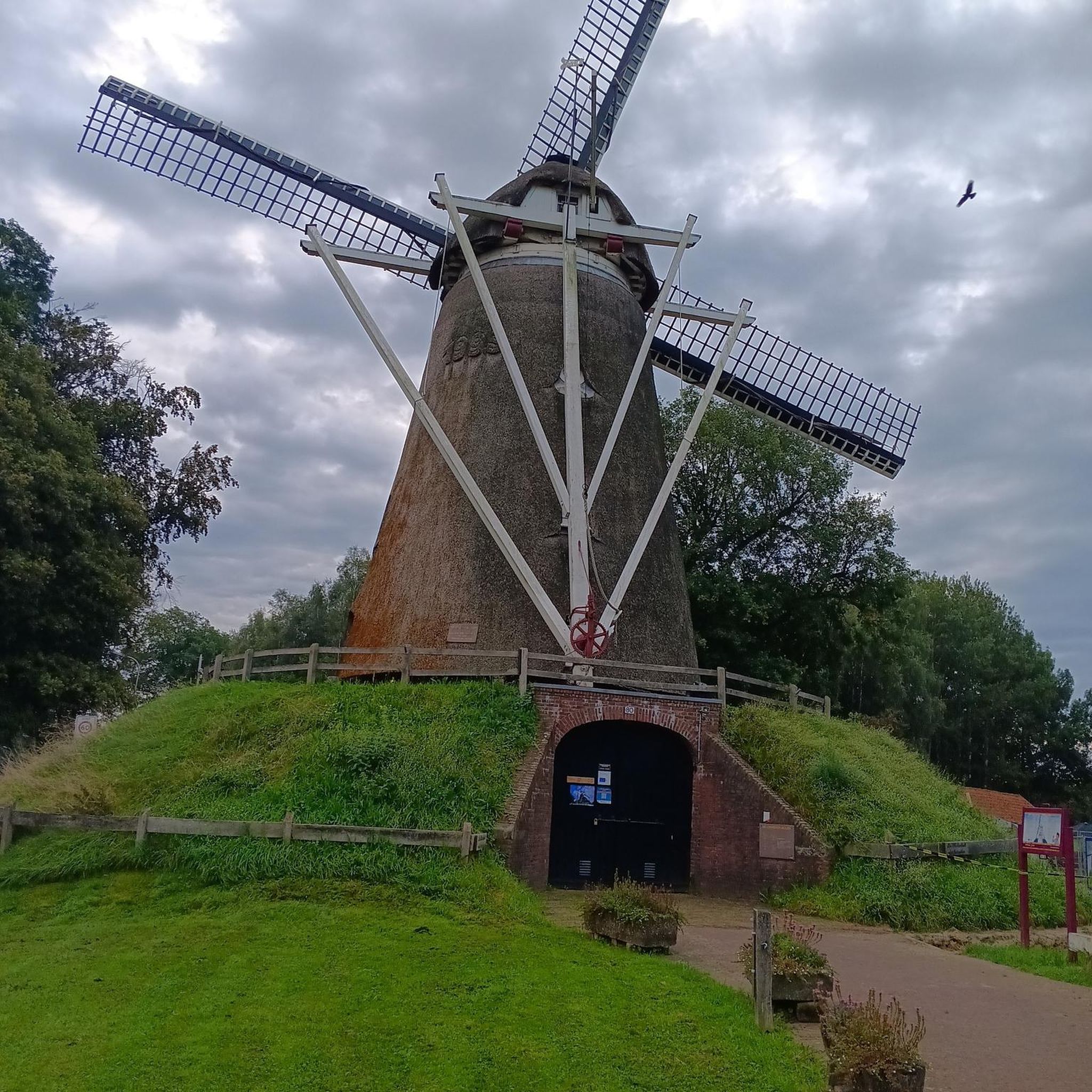
Very nice windmill, especially in good weather!
0
0
Frequently Asked Questions
What historical landmarks can I explore near Ormoy?
Ormoy is surrounded by rich history. You can visit the impressive Château de Mormoulins, a historical monument on the Eure River with origins dating back to the 10th century. Another significant site is the Maintenon Castle, once the residence of Louis XIV's second wife, featuring elegant halls and gardens. Don't miss the Pont Rouge on the Louis XIV Canal, a medieval bridge that was part of the ambitious Maintenon aqueduct project.
Are there natural attractions or outdoor spaces to visit around Ormoy?
Yes, the region offers several natural highlights. The area is close to the Domaine national de Rambouillet and the Forêt de Rambouillet, providing extensive natural beauty. You can also find scenic spots like Château de Sauvage and Vaux de Cernay, which are known for their natural settings.
What religious sites are notable in the Ormoy area?
The area features several beautiful religious buildings. The Saint-Sulpice Church of Châteaudun is a must-see, known for its flamboyant Gothic style and remarkable 16th-century stained-glass windows. Additionally, the beautiful church of Prouais, with its Romanesque origins and later Gothic and Renaissance influences, is also worth a visit.
What outdoor activities can I do near Ormoy's attractions?
The region around Ormoy is excellent for various outdoor activities. You can explore numerous routes for road cycling, running, and gravel biking. For detailed routes and guides, check out the Road Cycling Routes around Ormoy, Running Trails around Ormoy, and Gravel biking around Ormoy guides.
Are there family-friendly attractions around Ormoy?
Many of the historical sites, such as Maintenon Castle, are considered family-friendly, offering expansive grounds and historical insights that can engage visitors of all ages. Exploring the natural areas like the Forêt de Rambouillet also provides great opportunities for family outings.
What do visitors enjoy most about the attractions near Ormoy?
Visitors particularly appreciate the rich history and architectural beauty of the castles and churches. The Château de Mormoulins is admired for its peaceful atmosphere and historical significance, while the Pont Rouge is valued for its historical context within the Louis XIV aqueduct project. The Saint-Sulpice Church of Châteaudun is praised for its unique architecture and stunning stained-glass windows.
Where can I find local markets near Ormoy?
You can experience local culture at nearby markets. Nogent-le-Roi hosts a market on Saturdays, Maintenon on Thursdays, and Chartres also has a market on Saturdays. These are great places to find local produce and goods.
Are there any famous cathedrals or abbeys in the vicinity of Ormoy?
Yes, the magnificent Cathédrale de Chartres is approximately 19 km away and is a UNESCO World Heritage site renowned for its Gothic architecture and stained glass. The Abbaye Notre Dame des Vaulx de Cernay is also within reach, offering another historical religious site to explore.
Can I find hiking trails near Ormoy's attractions?
While specific hiking trails directly linked to individual attractions aren't detailed, the broader region, especially areas like the Forêt de Rambouillet, offers opportunities for walking and hiking. For structured routes, you can refer to the Running Trails around Ormoy guide, which includes routes that can be adapted for hiking.
What is the historical significance of the Pont Rouge on the Louis XIV Canal?
The Pont Rouge was originally built in the late 17th century as a crucial part of Louis XIV's ambitious project to construct the Maintenon aqueduct. This aqueduct was intended to supply water from the Eure River to the Palace of Versailles. Until 1838, this medieval bridge served as the main entry point into Maintenon.
What kind of architecture can I expect to see in the churches around Ormoy?
The churches in the area showcase a blend of architectural styles reflecting different periods. For instance, the Saint-Sulpice Church of Châteaudun features a flamboyant Gothic style from the 15th-17th centuries. The church of Prouais, while originally Romanesque, incorporates 16th-century Gothic windows and a 17th-century Renaissance entrance porch.
Most popular attractions around Ormoy

Get inspired with the komoot mobile app


Explore more
Still not found the Highlight you’re looking for? See guides of the top attractions in other regions:
