The best road cycling routes around Fournes-Cabardès
4.2
(40)
666
riders
51
rides
Road cycling routes around Fournes-Cabardès traverse a diverse landscape, from the foothills of the Montagne Noire to views over the Carcassonne plain. The region features varied terrain, including challenging ascents and rolling hills, with elevations ranging from 217m to 851m. This topography provides a range of road cycling experiences, from demanding climbs into the Black Mountain to more moderate rides through picturesque countryside.
Best road cycling routes around Fournes-Cabardès
- The most popular road cycling route is Mazamet Footbridge – Drinking…
Last updated: July 5, 2026
4.0
(4)
83
riders
65.2km
03:01
830m
830m
Moderate road ride. Good fitness required. Some segments of this route may be unpaved and difficult to ride.
4.3
(3)
40
riders
51.7km
02:54
1,140m
1,140m
Hard road ride. Very good fitness required. Mostly well-paved surfaces and easy to ride.

Sign up for free
32
riders
93.6km
04:47
1,490m
1,490m
Hard road ride. Very good fitness required. Some segments of this route may be unpaved and difficult to ride.
3.7
(3)
32
riders
44.9km
02:09
640m
640m
Moderate road ride. Good fitness required. Mostly well-paved surfaces and easy to ride.
15
riders
64.1km
02:51
550m
550m
Moderate road ride. Good fitness required. Mostly well-paved surfaces and easy to ride.
Get access to more routes and recommendations from other explorers.
Sign up for free
Already have an account?
Our route recommendations are based on thousands of hikes, rides, and runs completed by other people on komoot.
Start today with a free account
Your next adventure awaits.
Login or Signup
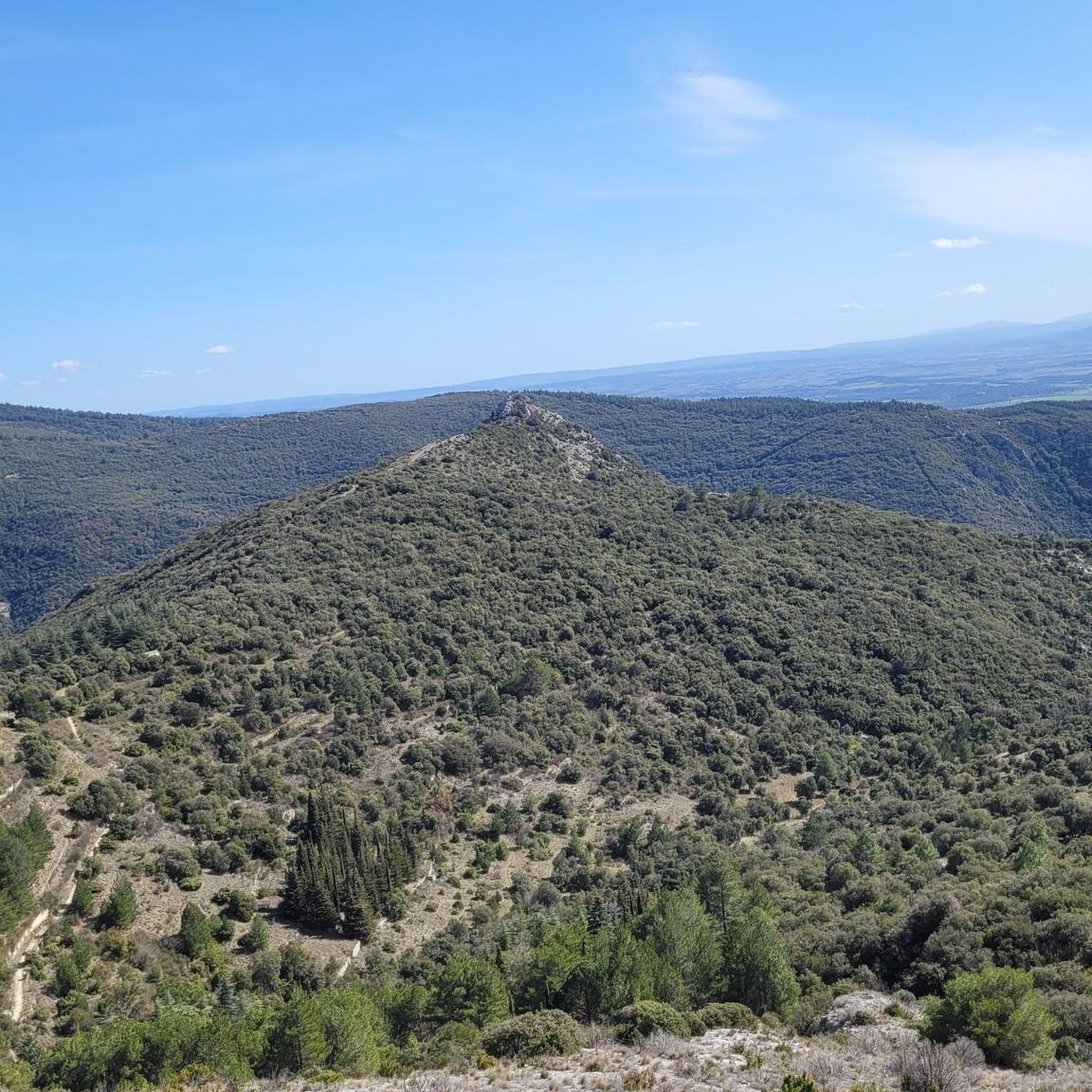
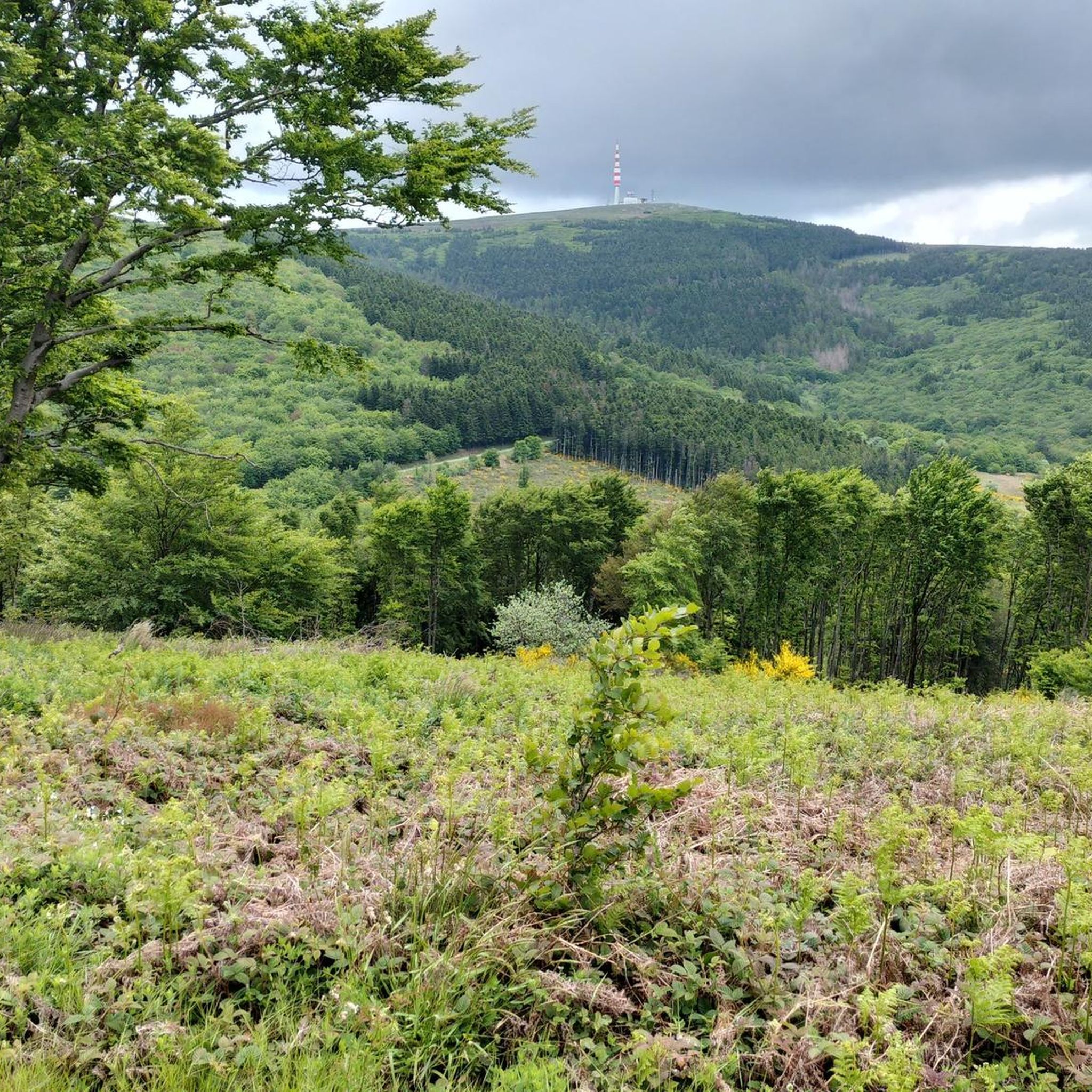
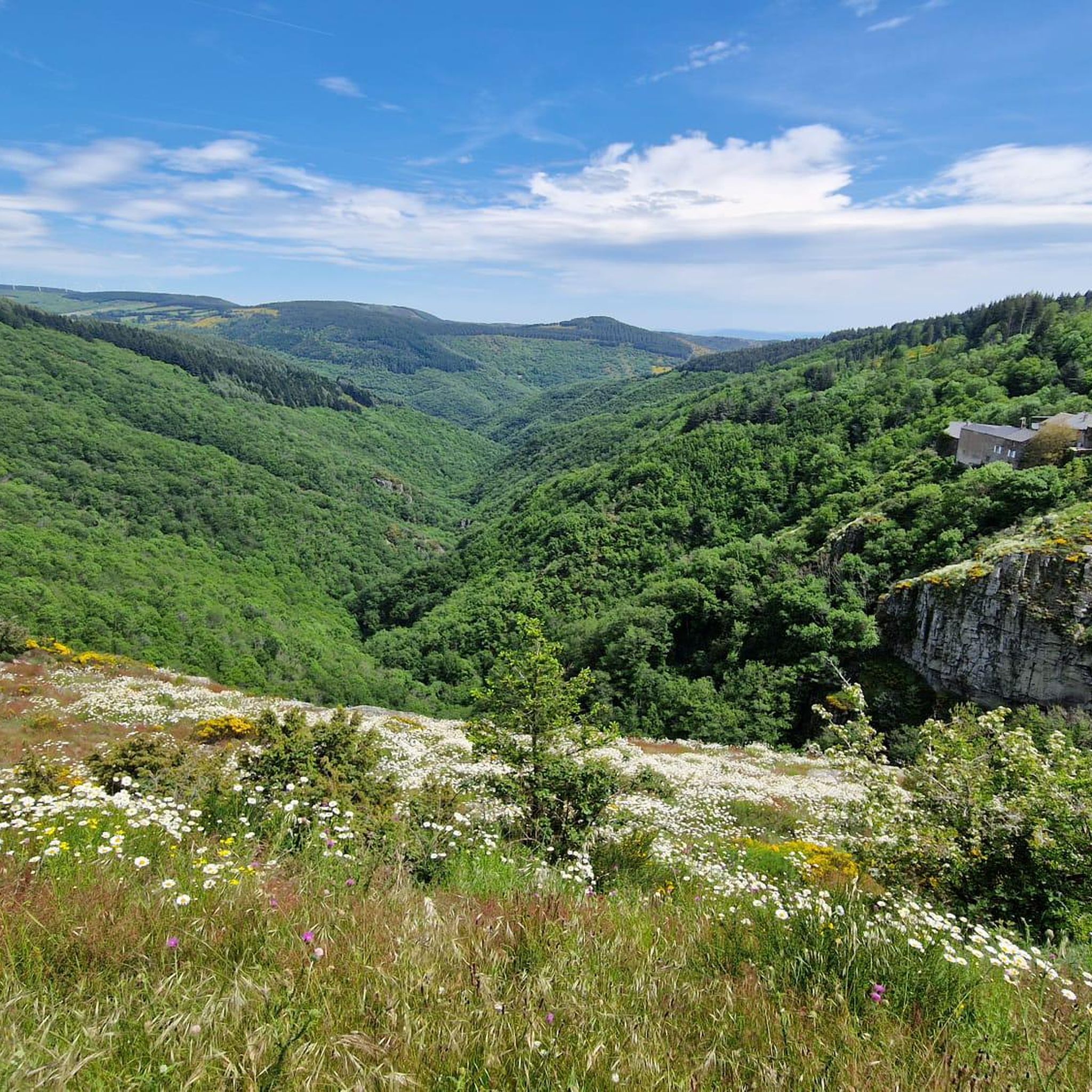
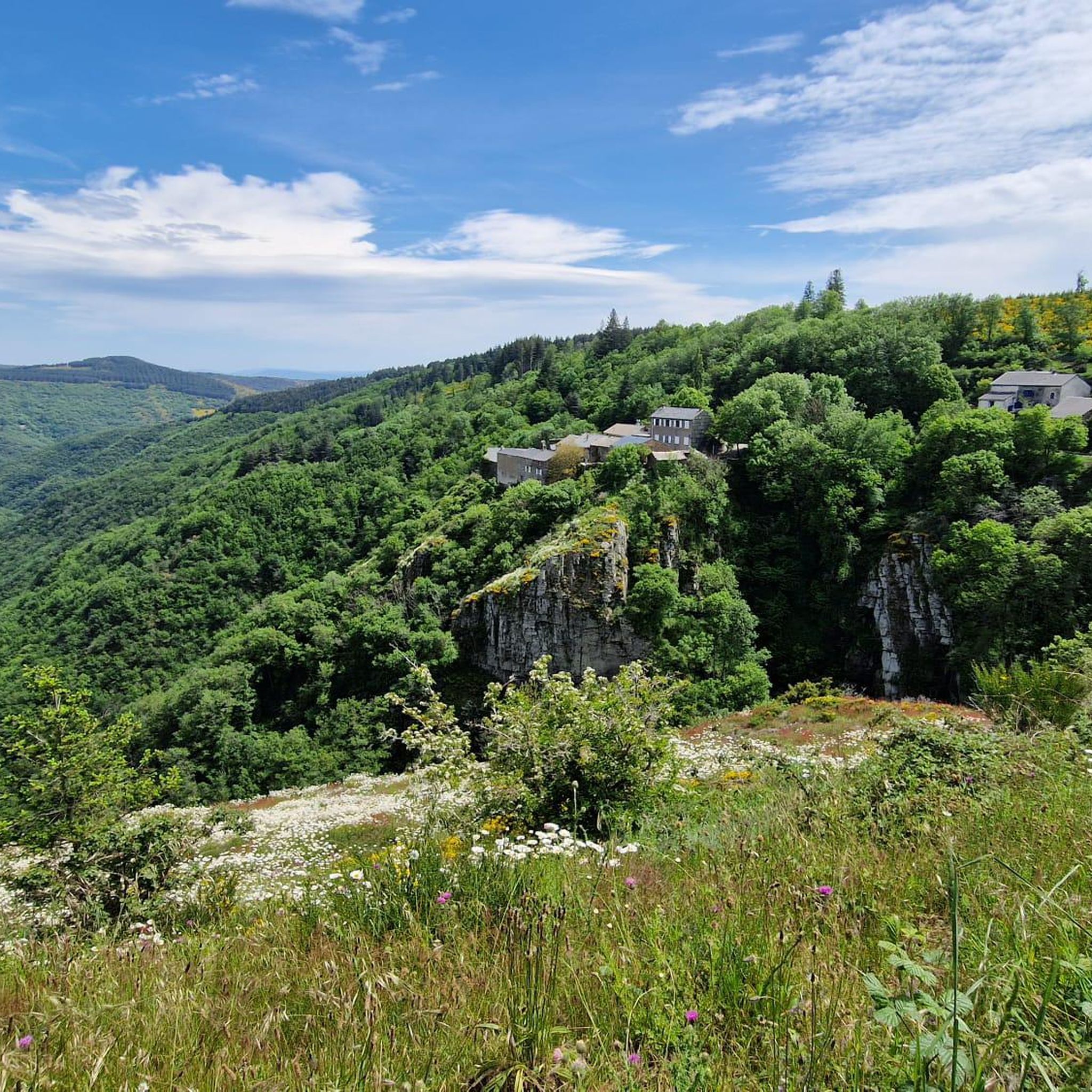

Tips from the Community

"Carcassonne, located in southern France between Montpellier and Toulouse, was founded in the 6th century BC by Iberian Celts. The Romans transformed the hill into a fort by building a defensive wall. In the 5th century, the Visigoths conquered the city, followed by the Arabs in the 8th century, who were expelled by Pepin the Short in 759. In the 12th century, Count Trencavel built a castle on top of the Roman city wall at the highest point of the hill. Carcassonne became a central element in the defense system on France's border with Aragon. In the mid-13th century, the dilapidated wall was protected by a second, outer city wall." This is how the website for the television series "Treasures of the World – Heritage of Humanity" describes the city, which is a UNESCO World Heritage Site. ... The 15-minute film is available – but only in German – in the ARD media library at the following link => https://www.ardmediathek.de/video/schaetze-der-welt/carcassonne-frankreich-folge-125/swr/Y3JpZDovL3N3ci5kZS83MTc1NzUw
0
0

Passing the mountain pass between Aude and Hérault
0
0

Hilly road with some climbs at 9-10%
0
0


Picnic tables and views of the vineyards for a little gourmet break!
0
0

Tough, hard pass that hurts the legs.
0
0
Take the time to look carefully at Villeneuve and all around this village.
0
0

810m elevation - 14th stage of the Tour de France 2007 (Mazamet - Plateau-de-Beille)
0
0
Frequently Asked Questions
What kind of terrain can I expect on road cycling routes around Fournes-Cabardès?
The region offers a diverse landscape for road cycling. You'll find routes traversing the foothills of the Montagne Noire, providing challenging ascents and descents, as well as more rolling hills and flatter sections with views over the Carcassonne plain. Elevations in the area range significantly, from 217m to 851m, ensuring varied experiences for all fitness levels.
Are there road cycling routes suitable for beginners in Fournes-Cabardès?
Yes, while the region is known for its varied terrain, there are routes suitable for beginners. Out of over 60 road cycling routes available, 7 are rated as easy. These routes typically feature less elevation gain and more gentle gradients, allowing for a relaxed introduction to cycling in the area.
Where can I find challenging road cycling routes in the Fournes-Cabardès area?
For experienced road cyclists seeking a challenge, the routes leading into the Montagne Noire offer significant climbs and rewarding views. For instance, the Salettes Pass – Mazamet Footbridge loop from Villeneuve-Minervois is a difficult 93.6 km route with over 1490m of elevation gain. Another demanding option is the Mazamet Footbridge – Roquefère Castle loop from Mas-Cabardès, which covers 51.7 km with over 1130m of climbing.
What notable landmarks or attractions can I see along road cycling routes?
Many routes offer opportunities to explore historical and natural attractions. You can cycle past impressive sites like the Roquefère Castle or the ancient Roman road. Natural highlights include the panoramic views from Pic de Nore and the serene Cubserviès Waterfall. The medieval city of Carcassonne and the Cathar castles are also within cycling distance, offering rich cultural experiences.
Are there any family-friendly road cycling options in Fournes-Cabardès?
While many routes involve varied terrain, some sections and nearby areas are suitable for families. The region's commitment to the 'Accueil Vélo' (Cyclists Welcome) label means you can find services tailored for cycling tourists. For flatter, more relaxed rides, consider exploring sections of the Canal du Midi near Carcassonne, which offers picturesque and safe paths away from traffic.
Are there circular road cycling routes available?
Yes, many of the road cycling routes around Fournes-Cabardès are designed as loops, allowing you to start and end at the same point. Examples include the Mazamet Footbridge – Drinking water Pradelles-Cabardès loop from Pradelles-Cabardès and the La Tourette Cabardes – View of Aragon loop from Villeneuve-Minervois, both offering scenic circular journeys through the landscape.
What is the best time of year to go road cycling in Fournes-Cabardès?
The spring and autumn months generally offer the most pleasant conditions for road cycling, with milder temperatures and beautiful scenery. Summer can be warm, especially in the valleys, so early morning or late afternoon rides are recommended. Winter cycling is possible, but be prepared for cooler temperatures and potentially wet conditions, particularly at higher elevations in the Montagne Noire.
What do other road cyclists enjoy most about cycling in Fournes-Cabardès?
The road cycling routes in Fournes-Cabardès are highly rated by the komoot community, with an average score of 4.4 stars from over 60 reviews. Cyclists often praise the diverse terrain, from challenging climbs in the Montagne Noire to scenic rides with expansive views over the Carcassonne plain. The combination of natural beauty and historical sites also contributes to a rewarding experience.
Are there places to stop for refreshments or accommodation along the routes?
The region features numerous charming villages such as Caunes-Minervois, Montolieu, and Minerve, which provide excellent opportunities for scenic stop-offs. These villages often have local cafes, restaurants, and accommodation options where you can rest and refuel. The broader region also participates in the 'Accueil Vélo' initiative, indicating cyclist-friendly services.
Is there public transport or parking available near the road cycling routes?
While specific public transport links directly to trailheads might be limited, the area is well-served by roads, and parking is generally available in the villages that serve as starting points for many routes. Carcassonne, a major hub just 16km away, offers more extensive public transport options and bike rental services, making it a convenient base for exploring the wider region by bike.
Can I find long-distance road cycling routes in the Fournes-Cabardès area?
Yes, the region offers several longer routes for those looking for extended rides. For example, the Salettes Pass – Mazamet Footbridge loop from Villeneuve-Minervois is a substantial 93.6 km route. These longer routes often combine significant elevation changes with diverse landscapes, providing a full day's cycling adventure.
Are there scenic viewpoints accessible by road bike?
Absolutely. The varied topography ensures many scenic viewpoints. The Pic de Nore, the highest point of the Montagne Noire, offers breathtaking 360-degree panoramic views over the Pyrenees and the Espinouse. Additionally, the Roc de l'Aigle is another excellent viewpoint accessible from various routes, providing stunning vistas of the surrounding landscape.
Most popular routes around Fournes-Cabardès
Most popular attractions around Fournes-Cabardès

Get inspired with the komoot mobile app


Explore more
Browse the best Road cycling routes in other regions.
