The best MTB trails around Bouilhonnac
4.5
(346)
2,671
riders
167
rides
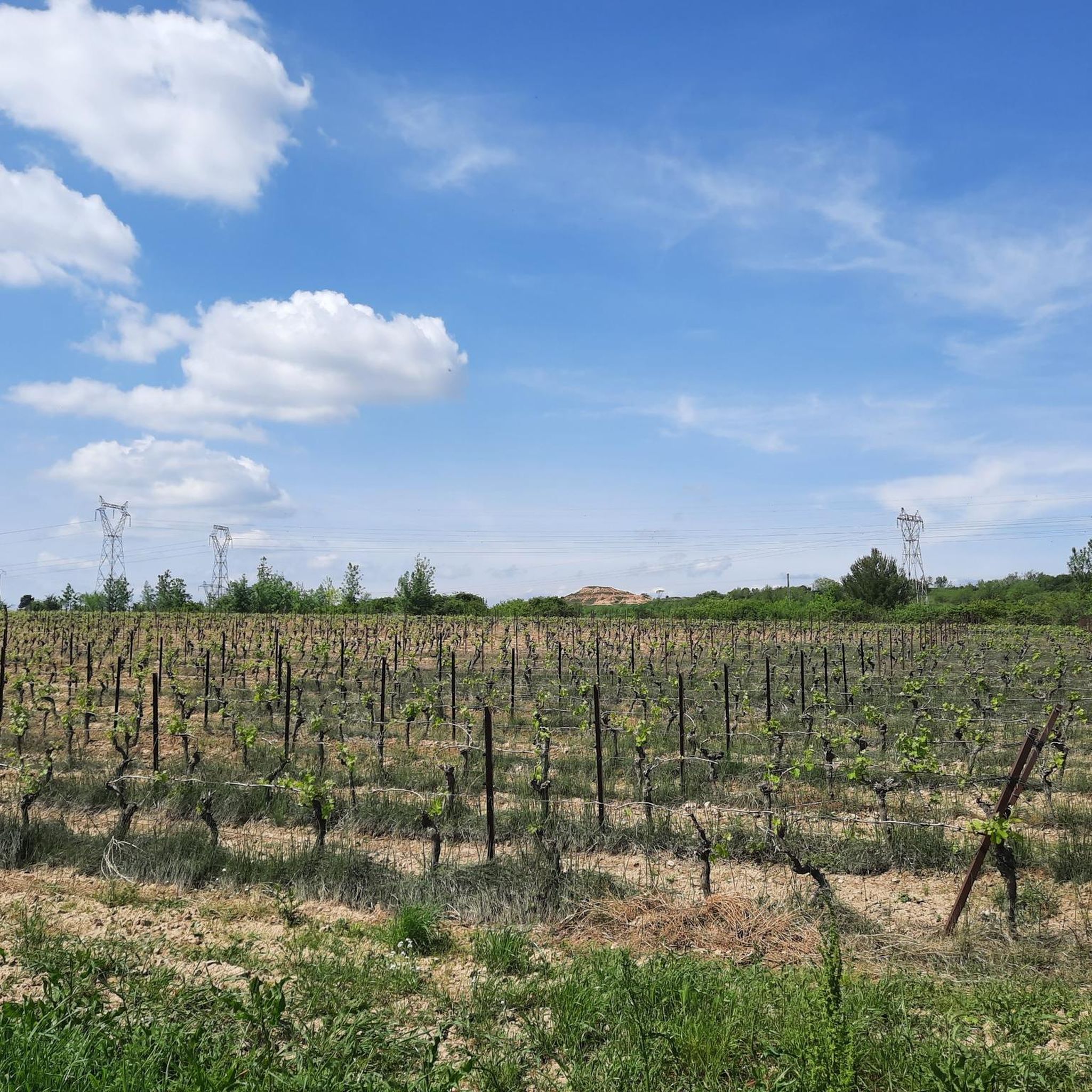
Mountain bike trails around Bouilhonnac offer access to the diverse topography of the Aude department in the Occitanie region of France. The area features varied landscapes, ranging from the Montagne Noire to the foothills of the Pyrenees, and extends towards the Mediterranean coast. Riders can explore dense forests, dramatic gorges, and vineyard paths, with the nearby Alaric and Corbières mountains providing more challenging terrain. Bouilhonnac's proximity to Carcassonne also places it within reach of numerous mountain biking routes, including those…
Last updated: October 7, 2026
4.8
(10)
103
riders
41.7km
03:32
520m
520m
Moderate mountain bike ride. Good fitness required. Advanced riding skills necessary.
4.3
(11)
86
riders
35.8km
02:39
170m
170m
Moderate mountain bike ride. Good fitness required. Suitable for all skill levels.

4.7
(3)
17
riders
32.7km
02:23
120m
120m
Moderate mountain bike ride. Good fitness required. Suitable for all skill levels.
5.0
(2)
15
riders
Easy mountain bike ride. Great for any fitness level. Suitable for all skill levels.
5.0
(5)
10
riders
33.3km
02:43
460m
460m
Moderate mountain bike ride. Good fitness required. Advanced riding skills necessary.
Get access to more routes and recommendations from other explorers.
Already have an account?
Our route recommendations are based on thousands of hikes, rides, and runs completed by other people on komoot.
Start today with a free account
Your next adventure awaits.
Tips from the Community

A classic overflow weir is a "drain plug" or a weir that serves to drain excess water from the canal (during heavy rains or thunderstorms) to prevent the water from submerging the dikes.
0
0
The Trèbes locks are a flight of locks composed of three basins. Built around 1674, it is located downstream from the port of Trèbes at the exit of the town in the direction of the village of Marseillette. Taking advantage of the significant drop in the flight of locks, intense milling activity was established on the left bank of the lock. A first upper mill was built at the end of the 17th century. It is crossed by a diversion of the Canal du Midi which ensures its operation; it is described as having four millstones with a stable and a shed. A transformation of this first mill was carried out in 1867 to make it a mill with 6 millstones. This new building, later enlarged in the 1930s, consists of a basement and 4 floors at its highest point. It has today been converted into a restaurant.
0
0
The Trèbes locks are a flight of locks composed of three basins. Built around 1674, it is located downstream from the port of Trèbes at the exit of the town in the direction of the village of Marseillette. Taking advantage of the strong difference in level of the flight, an intense milling activity was established on the left bank of the lock. A first upper mill was built at the end of the 17th century. It is crossed by a diversion of the Canal du Midi which ensures its operation; it is described as having four millstones with a stable and a shed. A transformation of this first mill was carried out in 1867 to make it a flour mill comprising 6 millstones. This new building, later enlarged in the 1930s, consists of a base and 4 floors at its highest point. Today it has been converted into a restaurant.
0
0
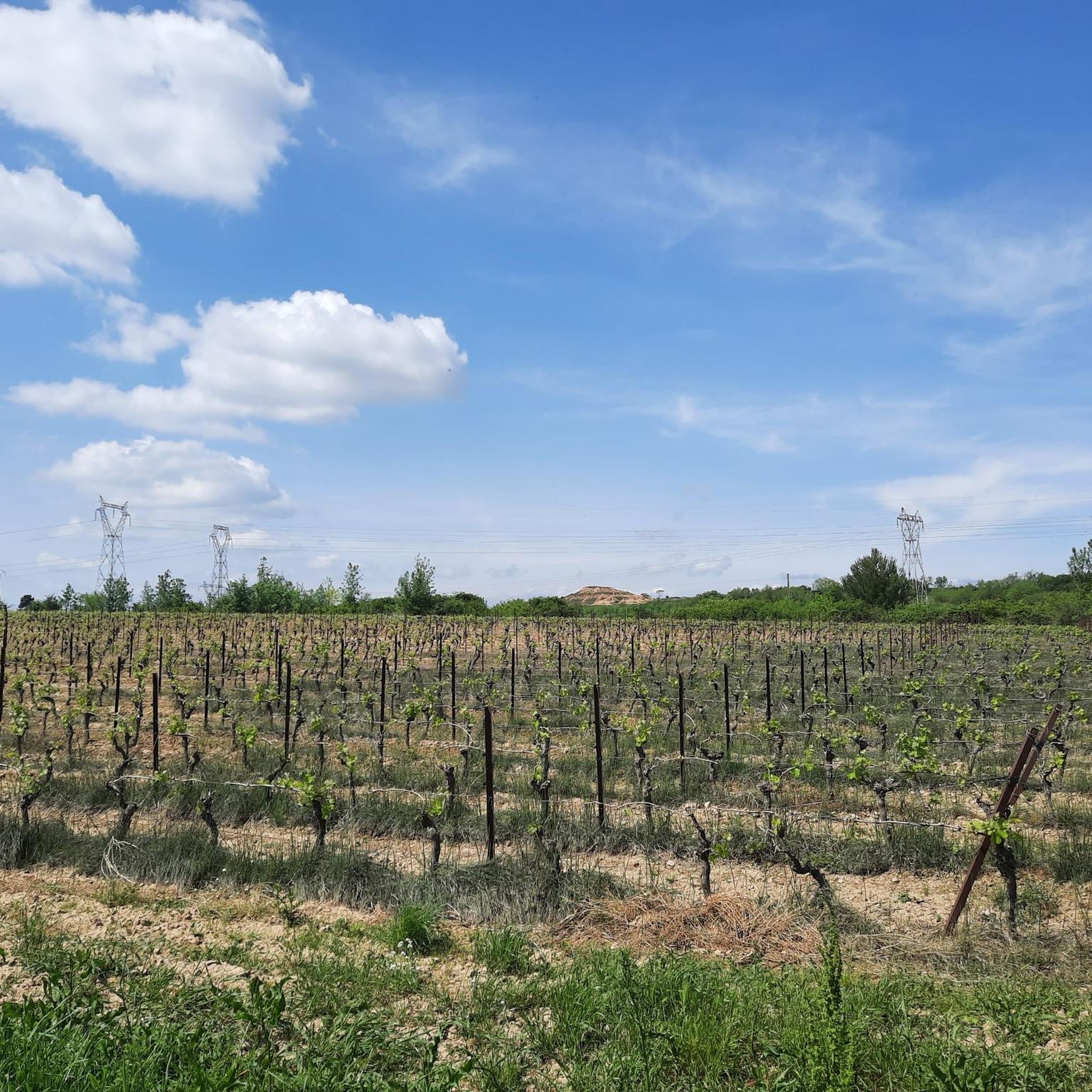
The pond covers an area of 2000 ha, and is shared between the municipalities of Marseillette, Aigues-Vives, Saint-Frichoux and Puichéric. In the past, it supplied the region with fish. From the 12th century onwards, people began to talk about draining this stagnant body of water, a source of death and misery for Marseillette and the surrounding villages, which were becoming depopulated. In 1605, Henry IV issued a royal decree to drain the Pond. But it wasn't until 1804 and the purchase of the Pond by an Irishwoman, Madame de Lawless, that it was drained, thanks to a vast construction project. The pond was then cultivated and developed to use the waters of the Aude, with an original irrigation system consisting of perpendicular canals allowing the flooding of the land. Today, vines, apples, and rice are the main products found there. Its quiet and flat paths are very pleasant for hiking or cycling, in a typical landscape.
0
0
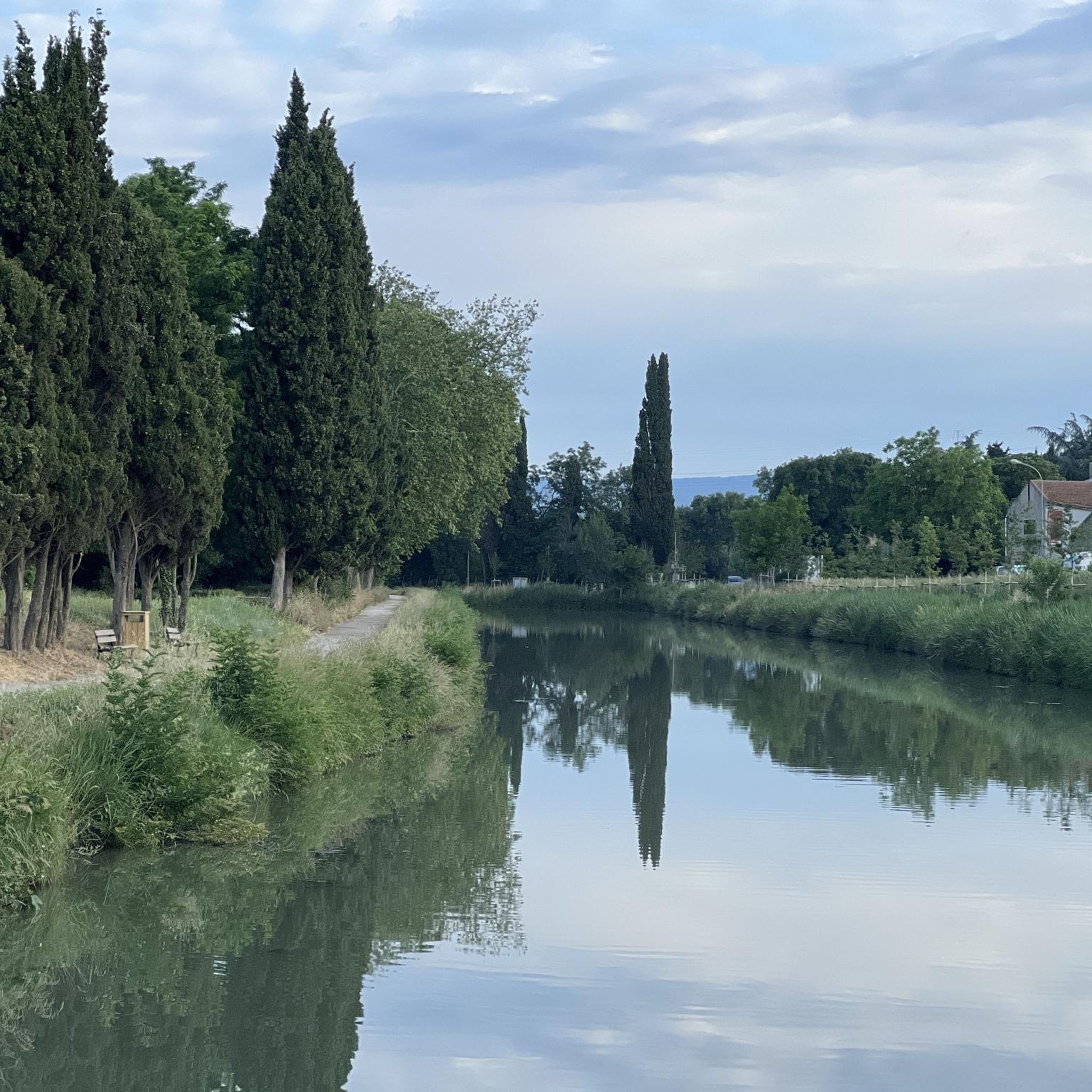
The Canal du Midi, formerly the Royal Canal, is a 17th-century technical feat designed by Pierre-Paul Riquet to connect the Atlantic to the Mediterranean. Today, it is above all a place for relaxation and discovery, where heritage, nature, and conviviality blend together.
0
0
The l'Aiguille lock is a double lock on the Canal du Midi located in the commune of Puichéric.
0
0
Fountain completed in 1770, the work of Barata father and son, Italian sculptors. It stands in the middle of a red marble basin. The main base forms a square pedestal adorned with inscriptions on the faces and volutes at the corners. Above this pedestal are two tritons and two naiads who seem to command dolphins whose nostrils emit numerous jets of water. These mythological figures are surmounted by a basin adorned with mascarons and garlands, in the middle of which stands a statue of Neptune placed on a small pedestal from which an abundant spring emerges, distributing itself in cascades around the monument.
0
0
According to the notarial deeds, one can better imagine the small chapel built with the money from Jean de Saix's legacy, in 1527, intended for the creation of the hospital for plague victims. Supporting the ogival arch of the door, the corbels bear the erased arms of the family. Today we see the date 1697 inscribed on the keystone, marking the end of the works, and the trace of the old door opening onto the sacristy with the start of a staircase. The acceptance of the works took place in 1698 with several disputes. The interior features beautiful lierne and tierceron vaults that were not affected by the Wars of Religion period.
0
0
Frequently Asked Questions
How many mountain bike trails are available around Bouilhonnac?
There are over 160 mountain bike trails around Bouilhonnac, offering a wide range of options for different skill levels. The Aude department, where Bouilhonnac is located, boasts an extensive network of 450 km of mountain bike trails.
What kind of terrain can I expect on mountain bike trails near Bouilhonnac?
The terrain around Bouilhonnac is very diverse. You'll find vineyard paths, forest trails, and routes along the historic Canal du Midi. More challenging routes can be found in the nearby Alaric and Corbières mountains, as well as the wilder environment of the Black Mountains (Montagne Noire) to the north.
Are there any easy mountain bike trails suitable for beginners or families?
Yes, there are several easy routes. For a relaxed ride, consider the Trèbes Triple Locks – Canal du Midi at Marseillette loop from Trèbes, which is an easy 16.3 km path. The tranquil towpaths of the Canal du Midi also offer picturesque and relatively flat routes suitable for families.
What are some interesting landmarks or attractions I can see along the mountain bike trails?
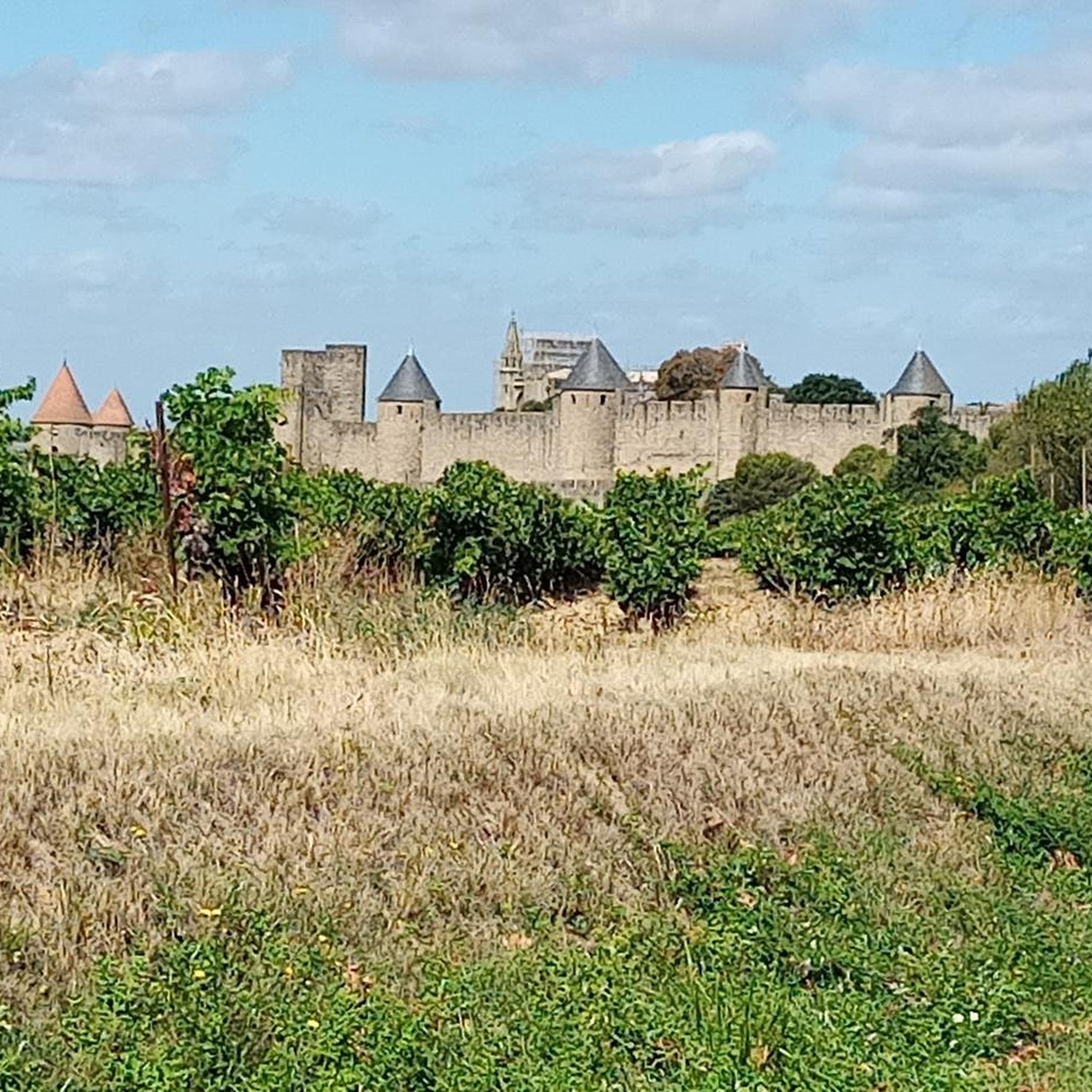
Many trails offer views of significant landmarks. You can cycle past the historic Old Bridge of Carcassonne or explore routes near the stunning Carcassonne Citadel. The Canal du Midi itself is a UNESCO World Heritage site, providing serene scenery. You might also encounter vineyards and historic châteaux, such as on the Château Saint-Jacques d'Albas loop from Trèbes.
What do other mountain bikers enjoy most about the trails in Bouilhonnac?
The mountain biking routes in Bouilhonnac are highly rated by the komoot community, with an average score of 4.5 stars from over 280 reviews. Riders often praise the diverse terrain, from vineyard paths to forest trails, and the scenic routes along the Canal du Midi. Over 2,400 mountain bikers have used komoot to explore the area's varied landscapes.
Are there any circular mountain bike routes in the area?
Yes, many routes around Bouilhonnac are circular. Examples include the Old Bridge of Carcassonne – Fresquel Lock loop from Trèbes, the Vento-Farino loop from Trèbes, and the Lake Cavayère – Lake Cavayère loop from Trèbes.
What is the best time of year for mountain biking in Bouilhonnac?
The region generally enjoys a Mediterranean climate, making spring and autumn ideal for mountain biking with pleasant temperatures. Summers can be hot, especially in July and August, so early morning or late afternoon rides are recommended during these months. Winters are typically mild, allowing for year-round riding, though some higher elevation trails might be affected by weather.
Are there any trails that pass by lakes or natural wonders?
Yes, the Lake Cavayère – Lake Cavayère loop from Trèbes takes you around the scenic Lac de la Cavayère. For a unique natural wonder, the Gouffre de Cabrespine, a massive cave, is about 30 minutes from Carcassonne and offers an impressive underground experience, though it's not directly on a bike trail.
Can I find advanced or more challenging mountain bike routes near Bouilhonnac?
Absolutely. The Corbières Massif and the Black Mountains (Montagne Noire) offer more challenging terrain with significant climbs and expansive views. These areas provide a wilder environment for experienced riders seeking a greater challenge.
Are there any specific viewpoints along the mountain bike trails?
Many trails in the rolling hills and vineyards of the Corbières Massif offer panoramic views. The paths leading to Les Bénitiers de l'Alaric, giant limestone formations, provide stunning vistas of the Minervois Plain and the Montagne Noire, winding through characteristic local vegetation.
Are mountain bike trails in Bouilhonnac generally dog-friendly?
While many natural trails in France are accessible to dogs, it's always best to check specific route details or local signage. When riding with your dog, ensure they are well-behaved, on a leash where required, and that you carry water for them, especially during warmer months. Respect local wildlife and other trail users.
Where can I find parking for mountain biking in Bouilhonnac?
Many routes start from towns like Trèbes, which typically offer public parking facilities. For specific trailheads, it's advisable to check the starting point of your chosen komoot tour for detailed parking information, as options can vary.
Most popular routes around Bouilhonnac
Most popular attractions around Bouilhonnac

Get inspired with the komoot mobile app


Explore more
Browse the best MTB trails in other regions.
